Artwork
Four Girls Studying a Drawing
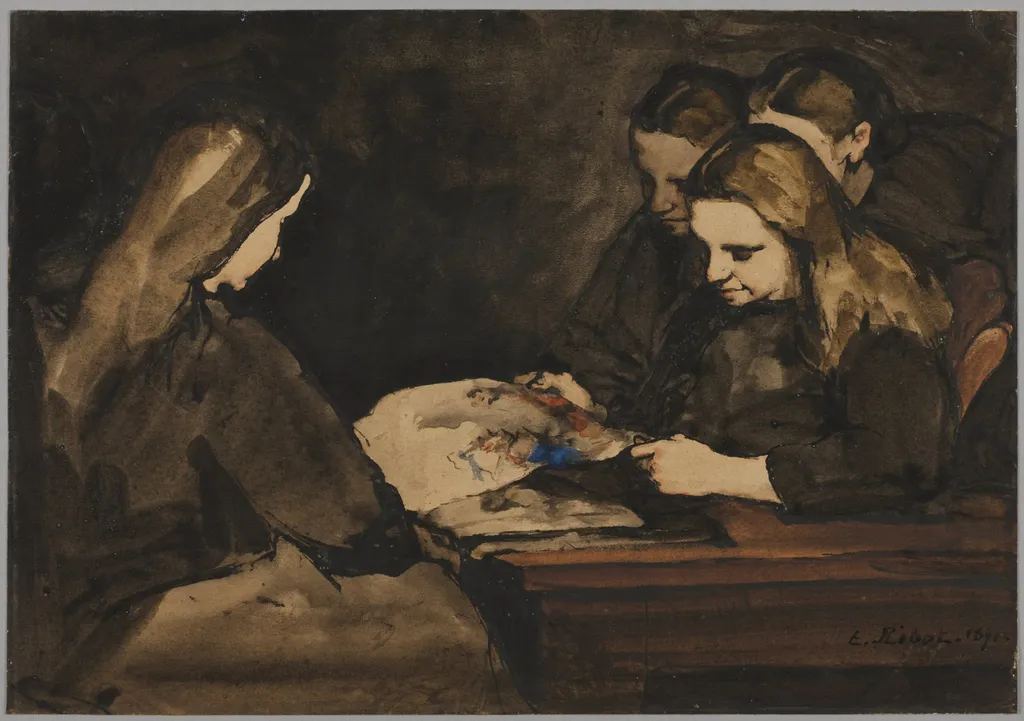
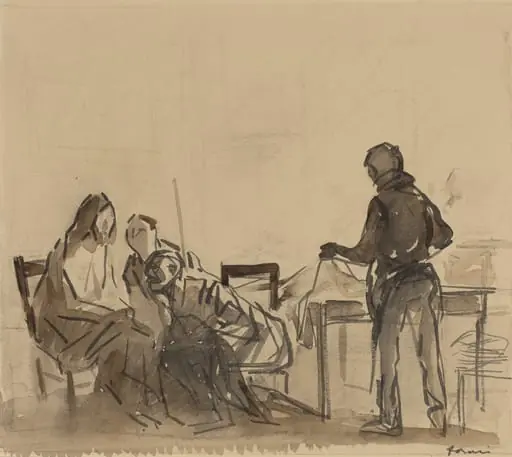
Four Girls Studying a Drawing is a drawing by the Impressionist artist Augustin Théodule Ribot. It dates from 1876 and is held in the collection of the Cleveland Museum of Art. Created in 1876 by Théodule Ribot, this drawing depicts four girls gathered around a table, intently examining a sheet of paper.
About this work
Overview
Its modest scale and subdued palette reflect Ribot’s interest in ordinary scenes, avoiding theatricality in favor of restrained observation.
Created in 1876 by Théodule Ribot, this drawing depicts four girls gathered around a table, intently examining a sheet of paper. Rendered in charcoal and ink, the work captures a quiet, unposed moment of shared focus. Its modest scale and subdued palette reflect Ribot’s interest in ordinary scenes, avoiding theatricality in favor of restrained observation. The piece resides in The Cleveland Museum of Art, acquired as part of a broader collection of 19th-century French drawings.
Subject & Meaning
The four girls, dressed in plain, dark garments, are absorbed in studying a drawing marked with faint red and blue lines. Their postures—leaning in, pointing, tilting heads—convey concentrated attention rather than formal instruction. The scene suggests informal learning, possibly within a domestic or educational setting. No narrative is imposed; instead, the work values the quiet dignity of everyday intellectual engagement among young women.
Technique & Style
Ribot employed loose, rapid strokes in charcoal and ink, creating a sense of immediacy and tactile presence. Shadows fall heavily across faces and arms, enhancing the dim, enclosed atmosphere. The drawing’s surface is textured with smudges and erasures, suggesting revision and process. The lack of fine detail and the emphasis on gesture align the work with observational realism, though its spontaneity anticipates the informality of later Impressionist studies.
History & Provenance
The drawing was completed in 1876, during a period when Ribot was increasingly focused on intimate domestic scenes. It entered The Cleveland Museum of Art’s collection in the early 20th century, likely through a private acquisition or bequest. Its preservation reflects early American interest in French academic and realist works, though Ribot’s lesser-known status meant the piece remained relatively overlooked until recent scholarly attention to genre drawing.
Context
In late 19th-century France, depictions of girls in educational settings were uncommon outside formal portraiture. Ribot’s choice to portray them in quiet study, without adult supervision, diverged from idealized academic norms. The work aligns with broader trends in Realism that valued unembellished moments, yet its intimacy and sketch-like quality set it apart from more polished salon works of the era.
Legacy
Though not widely exhibited, the drawing has influenced later studies of everyday life in French drawing. Its emphasis on gesture over detail and its unidealized treatment of female subjects contributed to a quieter lineage of observational art. It remains a subtle example of how domestic scenes, rendered with restraint, could convey psychological depth without narrative spectacle.
Artist & collection
Artist
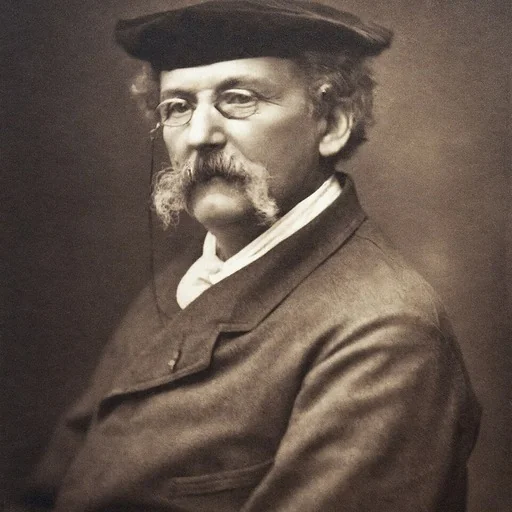
Théodule-Augustin Ribot (French: ; August 8, 1823 – September 11, 1891) was a French realist painter and printmaker.

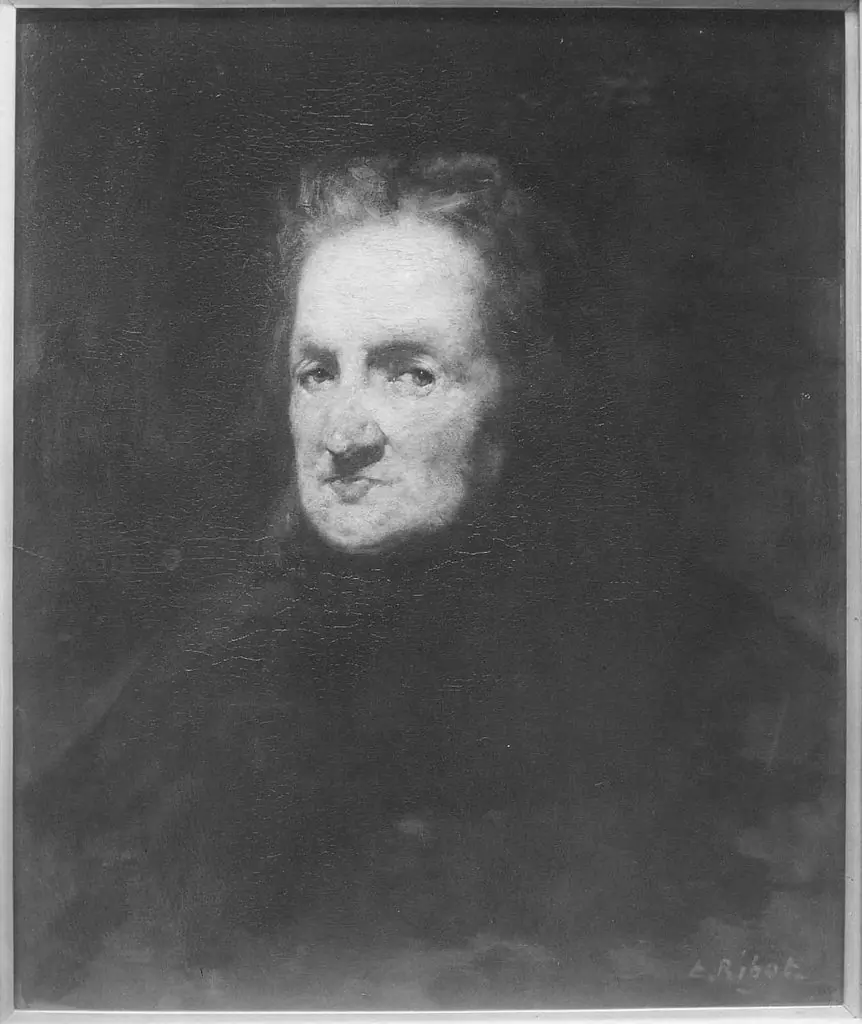
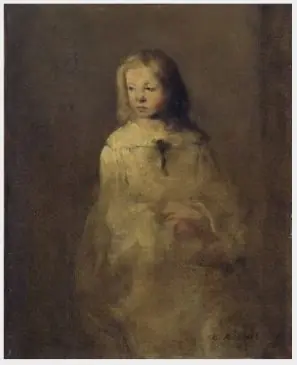
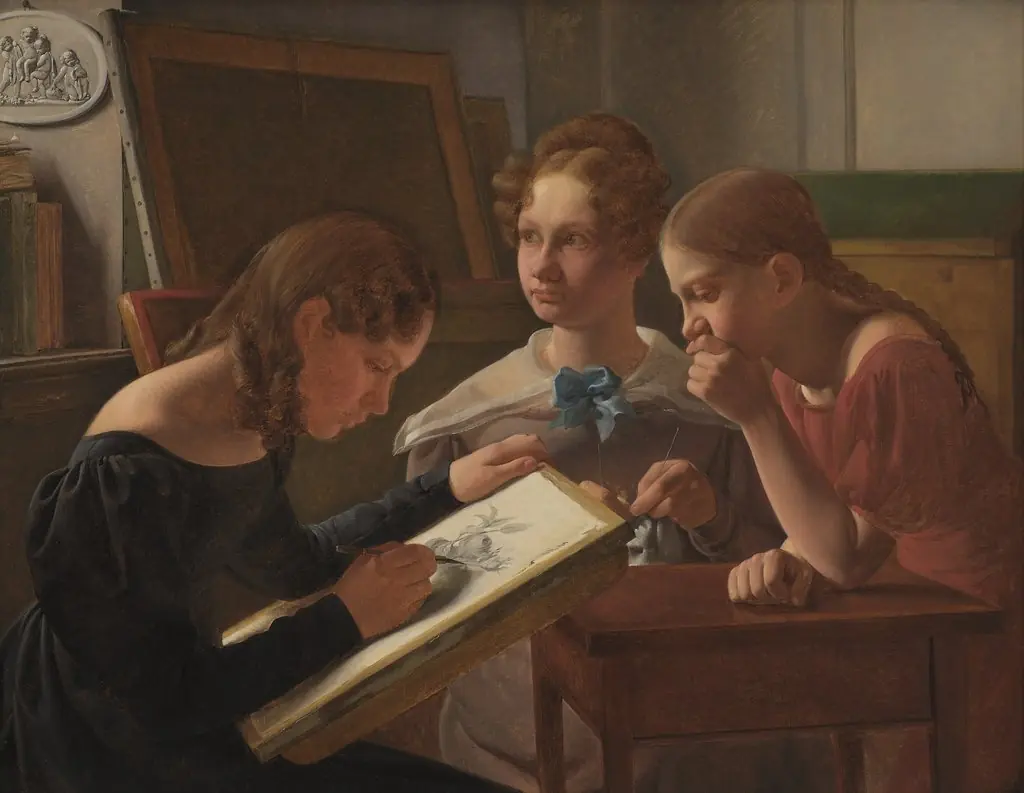 Three Young Girls (The Artist's Sisters: Alvilde, Ida and Henriette)
 Three Young Girls. The Artist's Sisters: Alvilde, Ida and Henriette
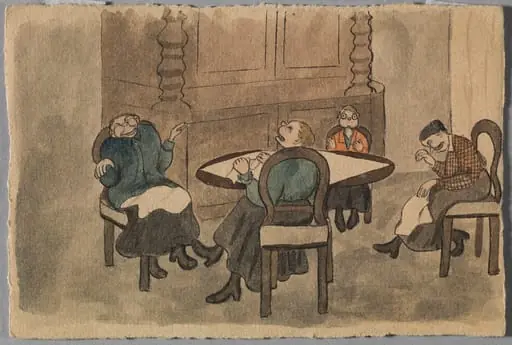 Ompeluseura
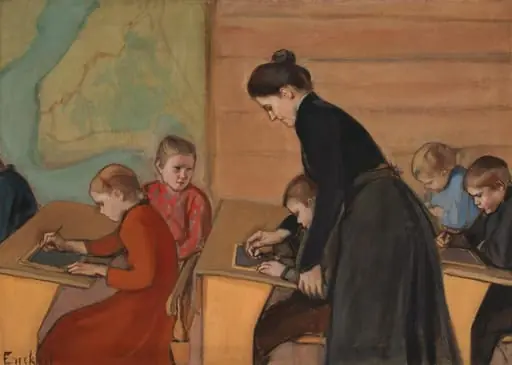 Kansakoulu
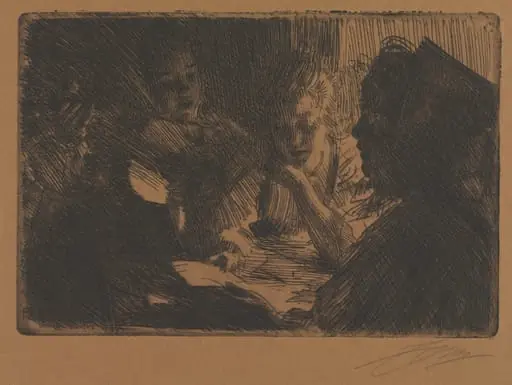 The New Ballad
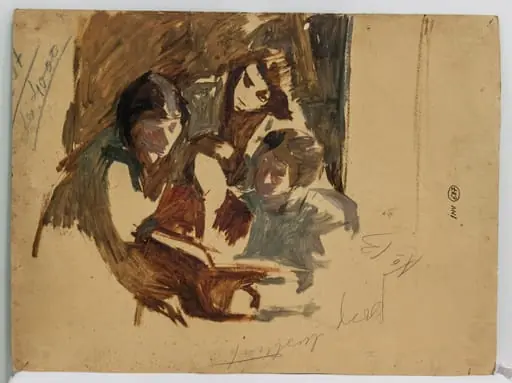 Pictoriță și modelul său
 Female Students at the Royal Academy Schools
 Brandtin lapset (Lampun ääressä)
 Portrait de vielles femmes
 The Embroiderers
 Before the Repast at Emmaus
 Study of a Girl Reading