Artwork
'Voltaire' (François-Marie Arouet) (1694–1778)
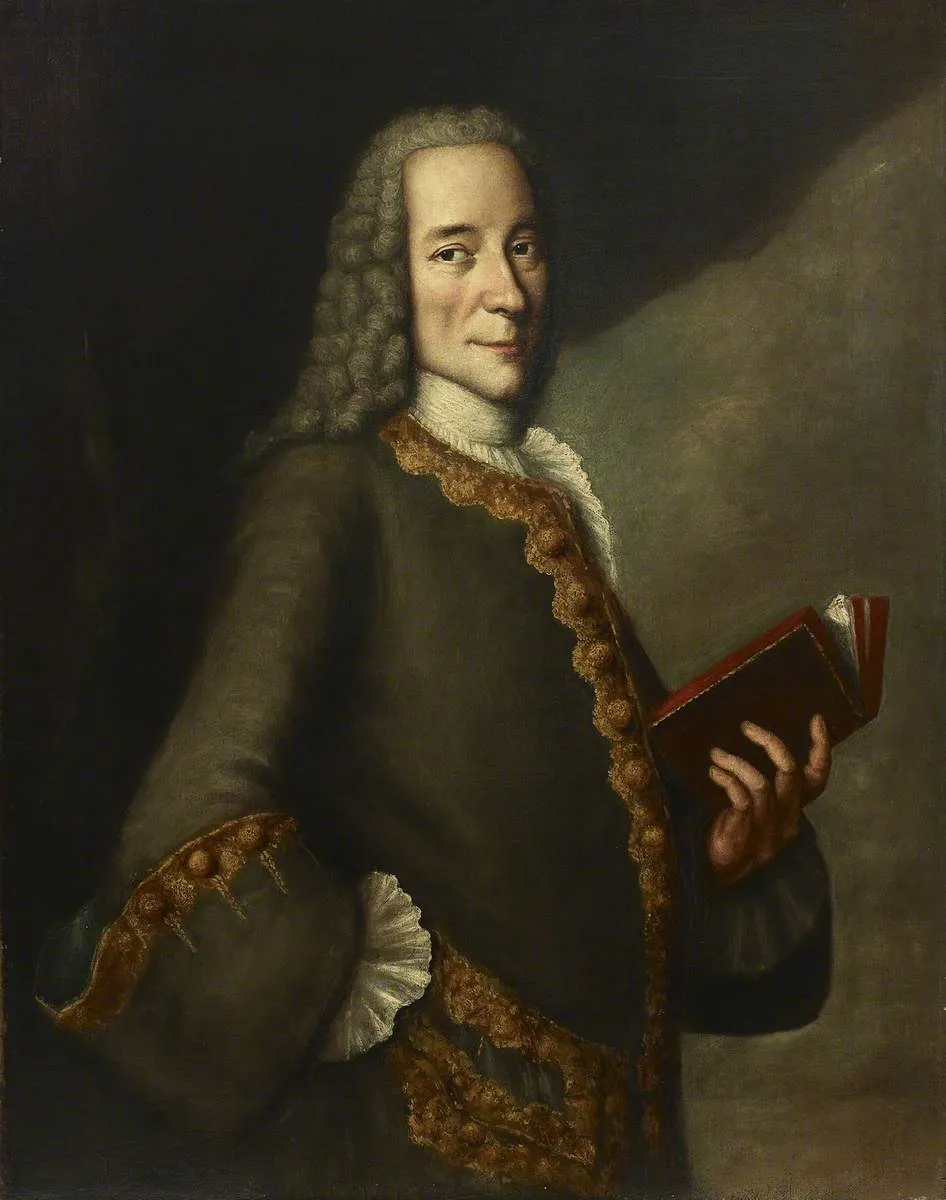
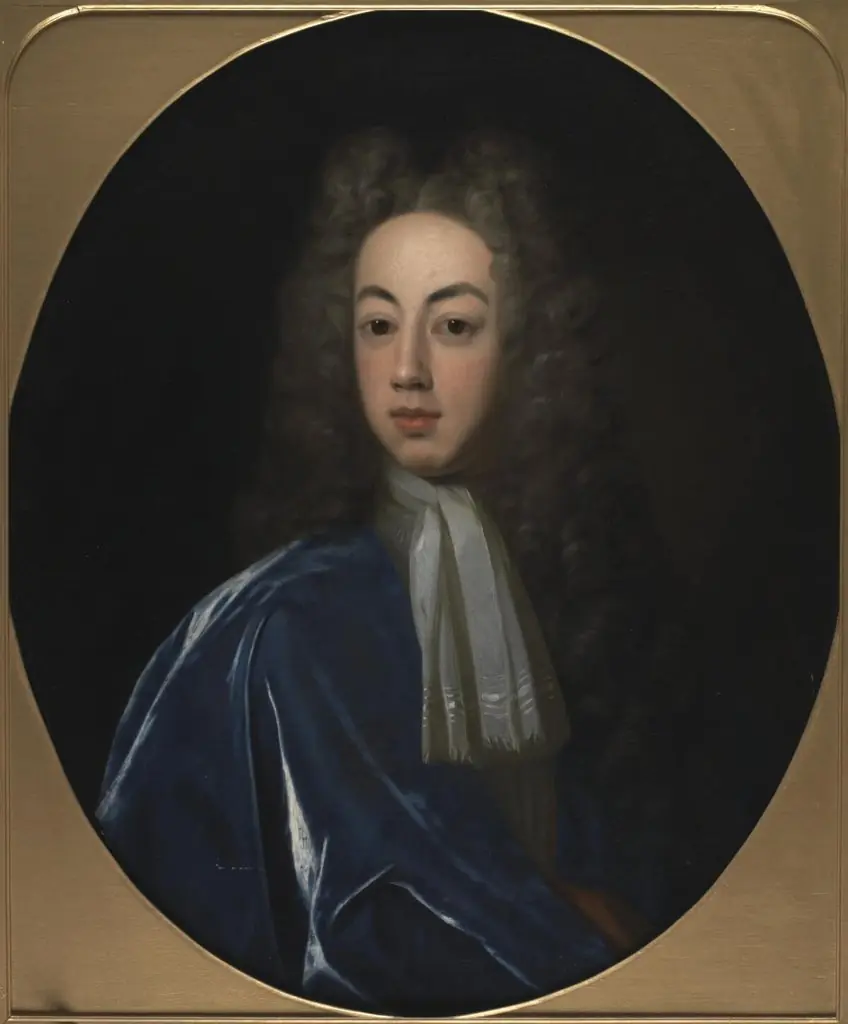
'Voltaire' (François-Marie Arouet) (1694–1778) is an oil painting by the Rococo painting artist Theodore Gardelle. It dates from 1751 and is held in the collection of the British Museum. This oil portrait, executed around 1751, presents the French writer and philosopher Voltaire.
About this work
If you're interested in learning more about the artist who created this work, you might want to look up Theodore Gardelle.
This portrait depicts a man with long, curly grey hair, wearing a dark jacket adorned with gold trim and buttons. He is dressed in 18th-century attire, including a white ruffled shirt underneath his jacket. The man holds a book in his left hand, with the cover facing outward.
The painting's background is dark, which helps to accentuate the subject's features and attire. The overall style of the painting suggests a formal portrait from the 18th century.
If you're interested in learning more about the artist who created this work, you might want to look up Theodore Gardelle.
Overview
This oil portrait, executed around 1751, presents the French writer and philosopher Voltaire. The work exemplifies the Rococo aesthetic of the mid‑eighteenth century, featuring a darkened backdrop that isolates the sitter. It is part of the British Museum’s collection and is attributed to the Swiss‑born artist Théodore Gardelle, who was active in France during his early career.
Subject & Meaning
The figure shown is Voltaire, identifiable by his long, curling grey hair and the scholarly pose. He holds an open book in his left hand, underscoring his reputation as a prolific author and thinker. The formal attire—a dark jacket with gold‑trimmed buttons over a white ruffled shirt—conveys his status as a prominent intellectual of the Enlightenment.
Technique & Style
Gardelle employs a restrained palette of deep shadows and muted highlights, allowing the subject’s facial features and clothing to emerge with clarity. The brushwork is smooth and precise, typical of Rococo portraiture, while the dark background serves to focus attention on Voltaire’s expression and the texture of the fabrics.
History & Provenance
Created during Gardelle’s formative period in France, the portrait later entered the British Museum’s holdings, where it remains on display. The painting’s provenance traces back to the artist’s early output, reflecting his training in Geneva and Paris and his engagement with the French courtly portrait tradition.
Context
In the mid‑eighteenth century, portraiture functioned as a means of asserting intellectual and social standing. Voltaire’s depiction aligns with contemporary conventions that emphasized elegance and erudition, situating him among the era’s leading figures of literature and philosophy.
Artist & collection
Artist
Théodore Gardelle (30 November 1722 – 4 April 1761) was a painter and enameller. He was born in Geneva, then in the independent Republic of Geneva, where he studied portrait miniature painting. Having acquired its first…

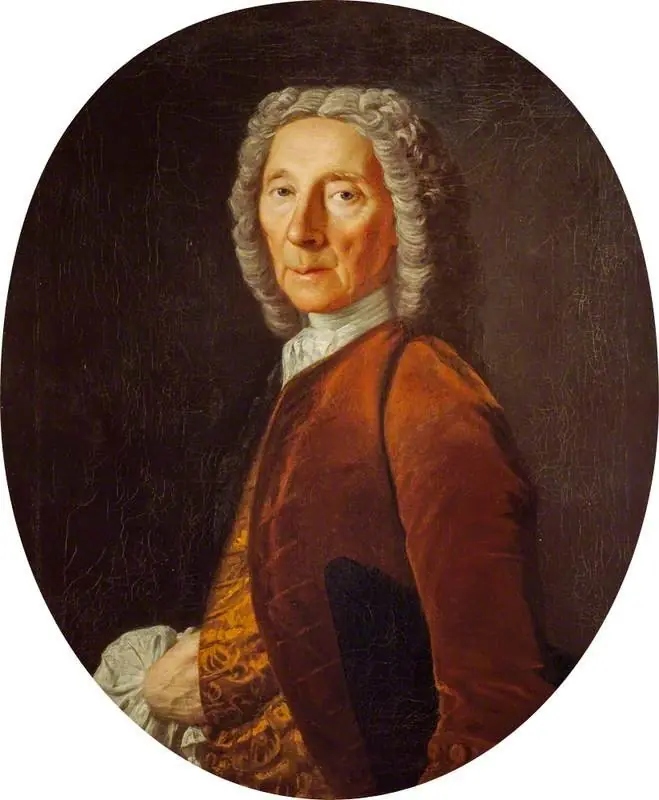 Sir Peter Halkett Wedderburn, 1st Bart of Pitfirrane and Gosford (c 1659 - 1746)
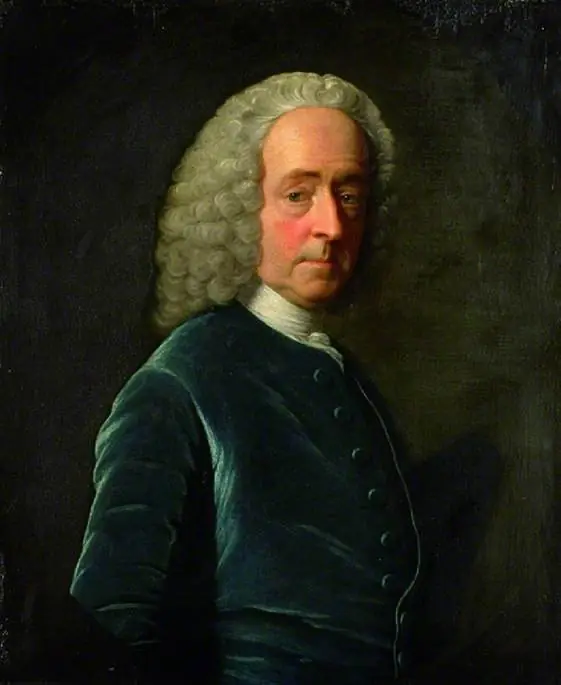 Portrait of James Haughton Langston
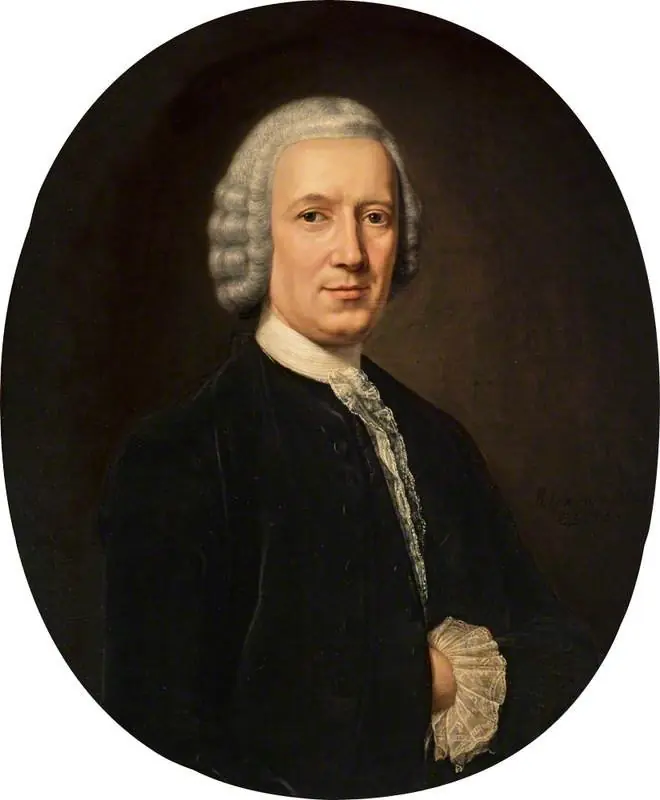 Portrait of Adrian Hope of Amsterdam (1709 - 1781)
 Portrait of a Gentleman
 Sir John Inglis, 2nd Bart of Cramond (1683 - 1771)
 William Murray, 1st Earl of Mansfield
 Portrait of Bernardus de Bosch I, Poet in Panpoeticon Batavum
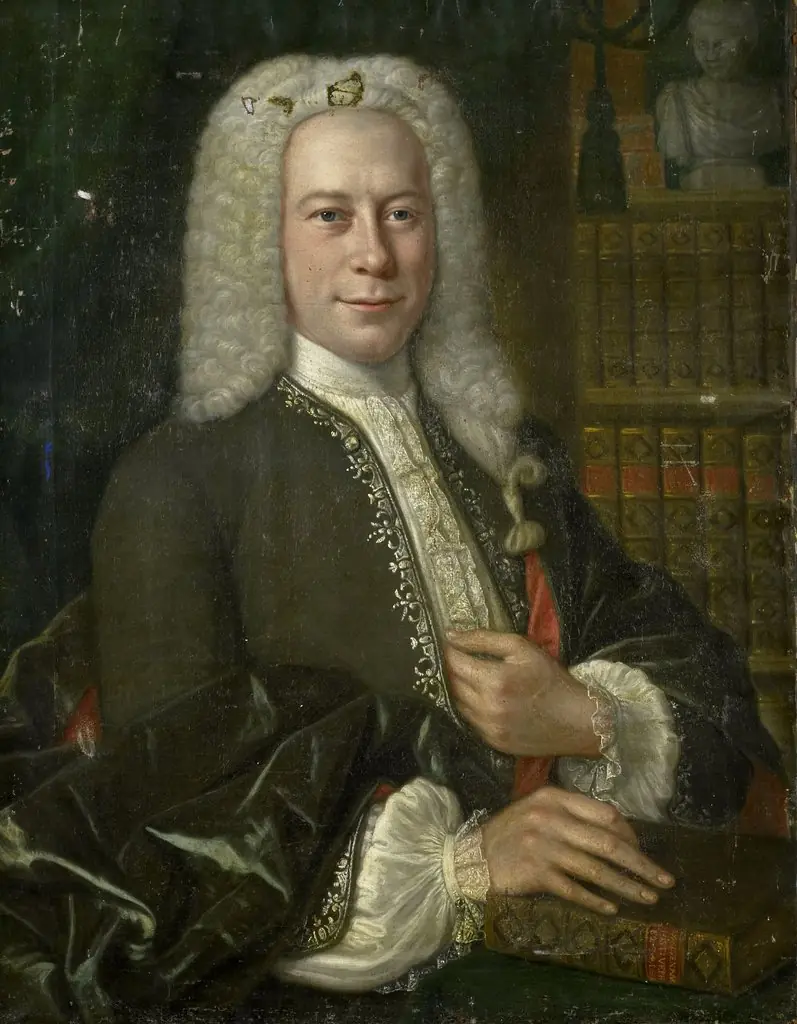 Portrait of an Historian
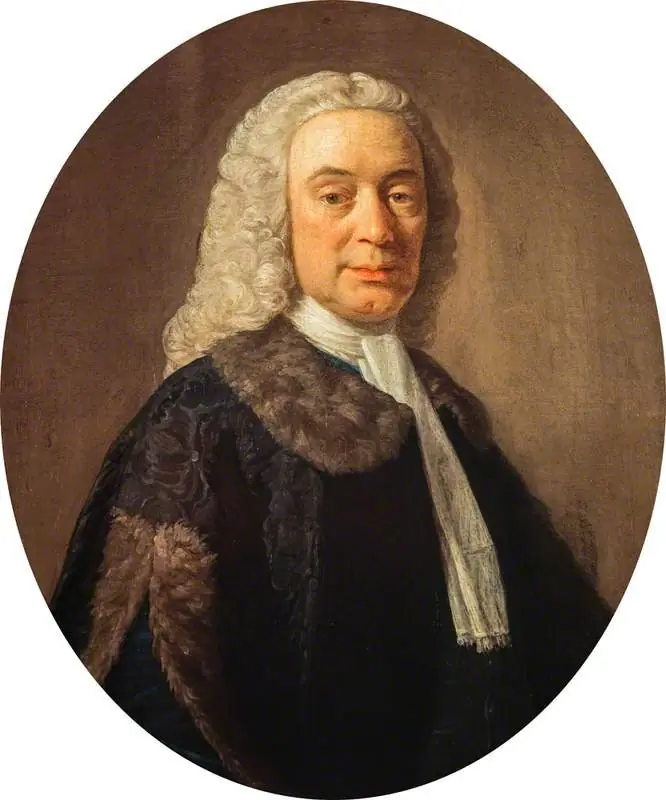 James Ker of Bughtrigg (1700 - 1768)
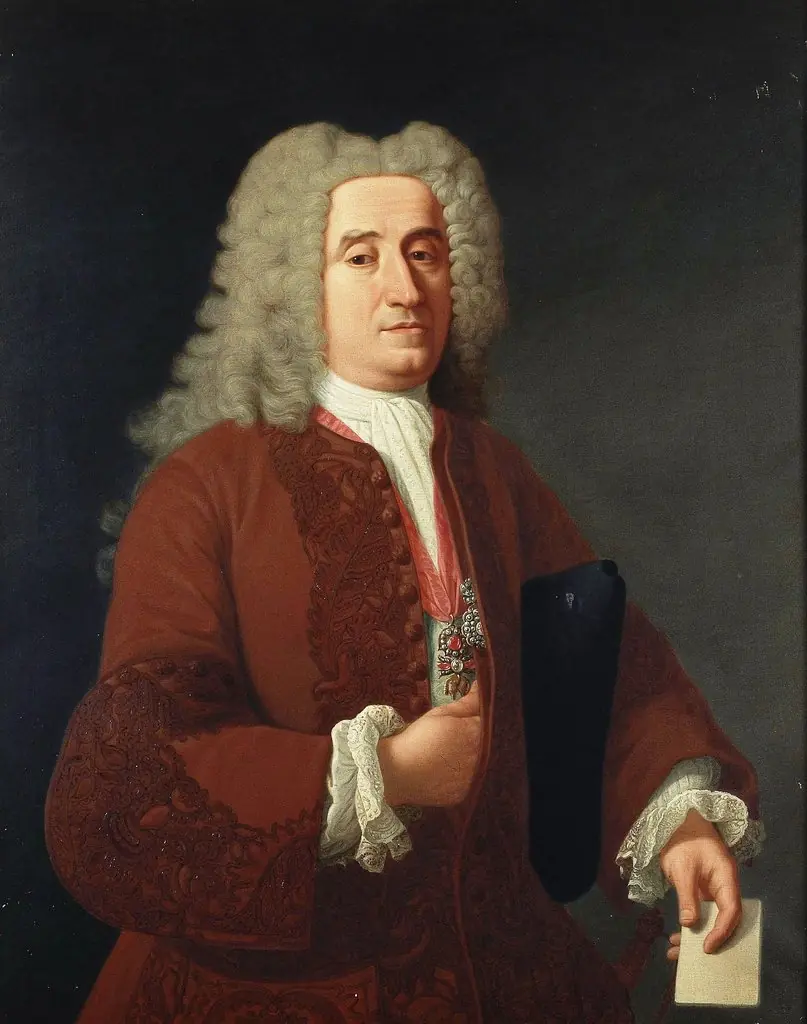 José Patiño Rosales
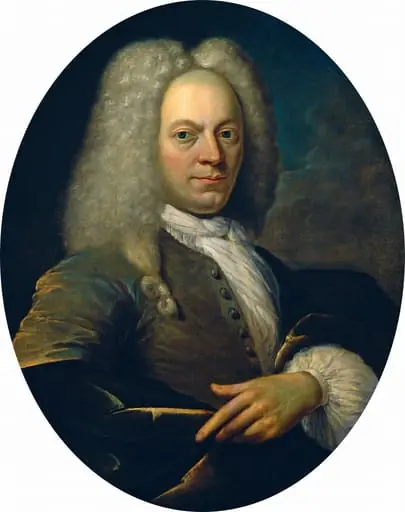 Isaac de Peyster (?)
 William Owen, son of Sir Robert Owen