Artwork
James Ker of Bughtrigg (1700 - 1768)
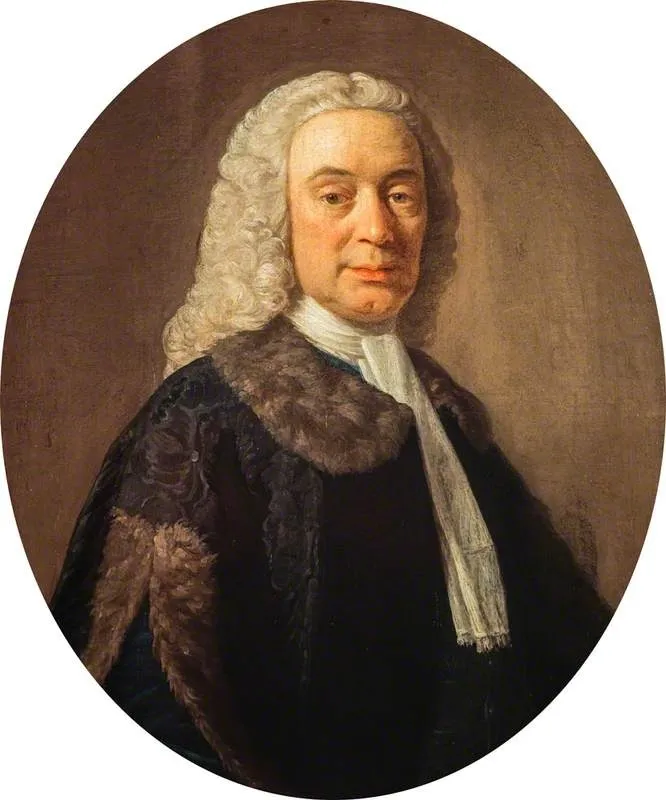
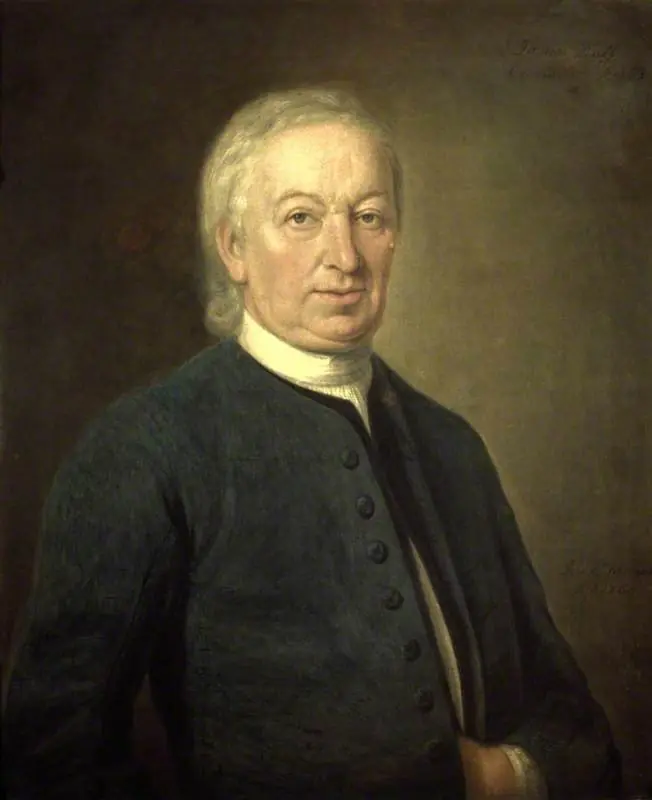
James Ker of Bughtrigg (1700 - 1768) is an oil painting by the Rococo painting artist Allan Ramsay. It dates from 1754 and is held in the collection of the National Galleries Scotland.
About this work
Overview
Painted in 1754 by Allan Ramsay, this oil portrait captures James Ker of Bughtrigg, a Scottish landowner born in 1700. The work is part of the Scottish National Gallery’s collection and exemplifies Ramsay’s skill in portraying Scottish elites during the mid-18th century. Its restrained composition and attention to texture reflect the period’s preference for dignified, unadorned representation.
Subject & Meaning
James Ker is depicted in formal attire, conveying his social standing through precise dress: a dark coat with fur trim, a white cravat, and a powdered wig. His direct gaze and composed posture suggest authority and self-possession. The absence of symbolic objects or elaborate settings emphasizes personal presence over status markers, aligning with Enlightenment ideals of individual character.
Technique & Style
Ramsay employs chiaroscuro to model Ker’s face and clothing, creating subtle transitions between light and shadow that enhance three-dimensionality. The brushwork is precise yet unobtrusive, particularly in rendering the texture of fur, lace, and hair. The muted brown background isolates the figure, directing focus to his expression and attire without distraction.
History & Provenance
The portrait was commissioned during Ramsay’s early career in Scotland, before his move to London. It remained in the Ker family until entering the Scottish National Gallery’s collection. Its preservation reflects its significance as a record of regional aristocracy and Ramsay’s formative work as a portraitist in the Scottish context.
Context
Painted during a period of cultural consolidation in Scotland, the portrait reflects the influence of British portraiture traditions while retaining local sensibilities. Ramsay, trained in Edinburgh, was part of a generation redefining Scottish identity through art. This work stands alongside other portraits of landowners who shaped regional society after the Union of 1707.
Legacy
The portrait contributes to the understanding of 18th-century Scottish elite portraiture, showcasing Ramsay’s ability to balance realism with restraint. It remains a key example of how personal dignity was visually articulated in provincial Scotland, influencing later artists who sought to capture character without theatricality.
Artist & collection

 George III of England
 Portrait of Horace Walpole's Nieces: The Honorable Laura Keppel and Charlotte, Lady Huntingtower
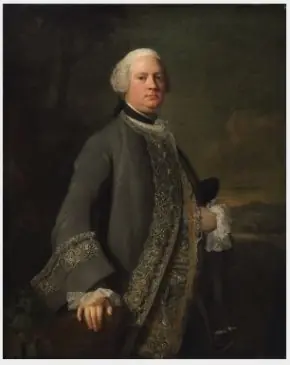 Portrait of Sir John Tyrell, Bt.
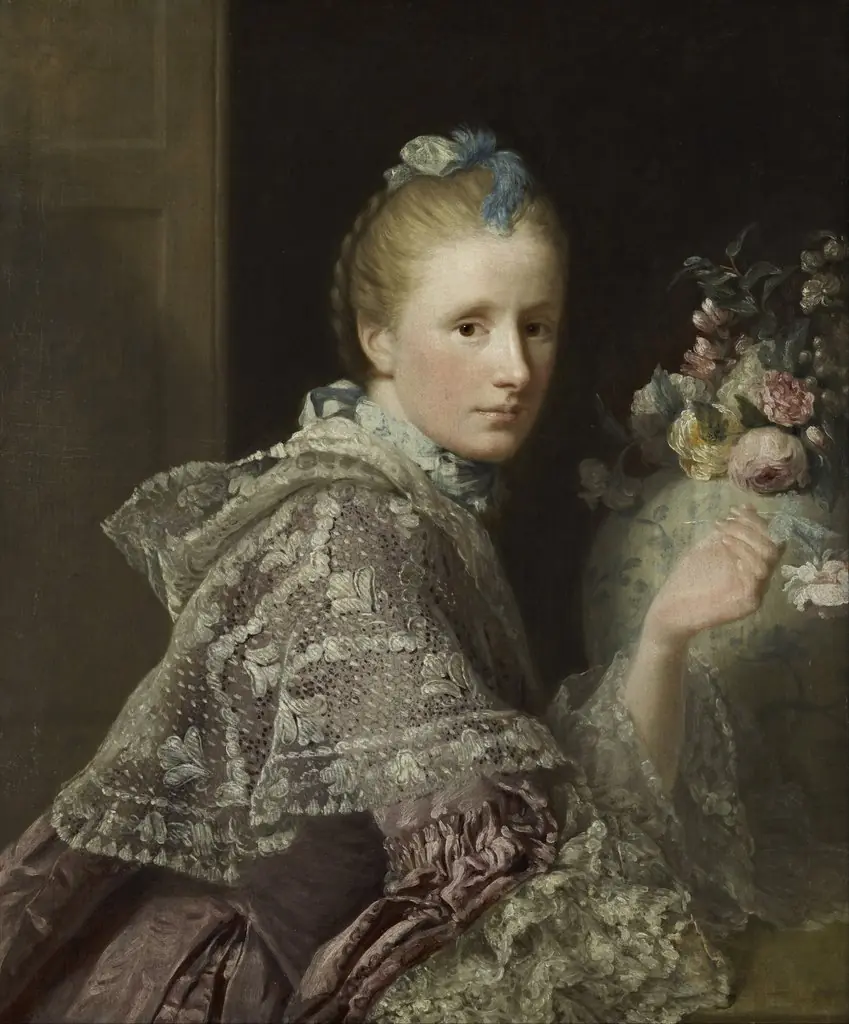 The Artist's Wife: Margaret Lindsay of Evelick
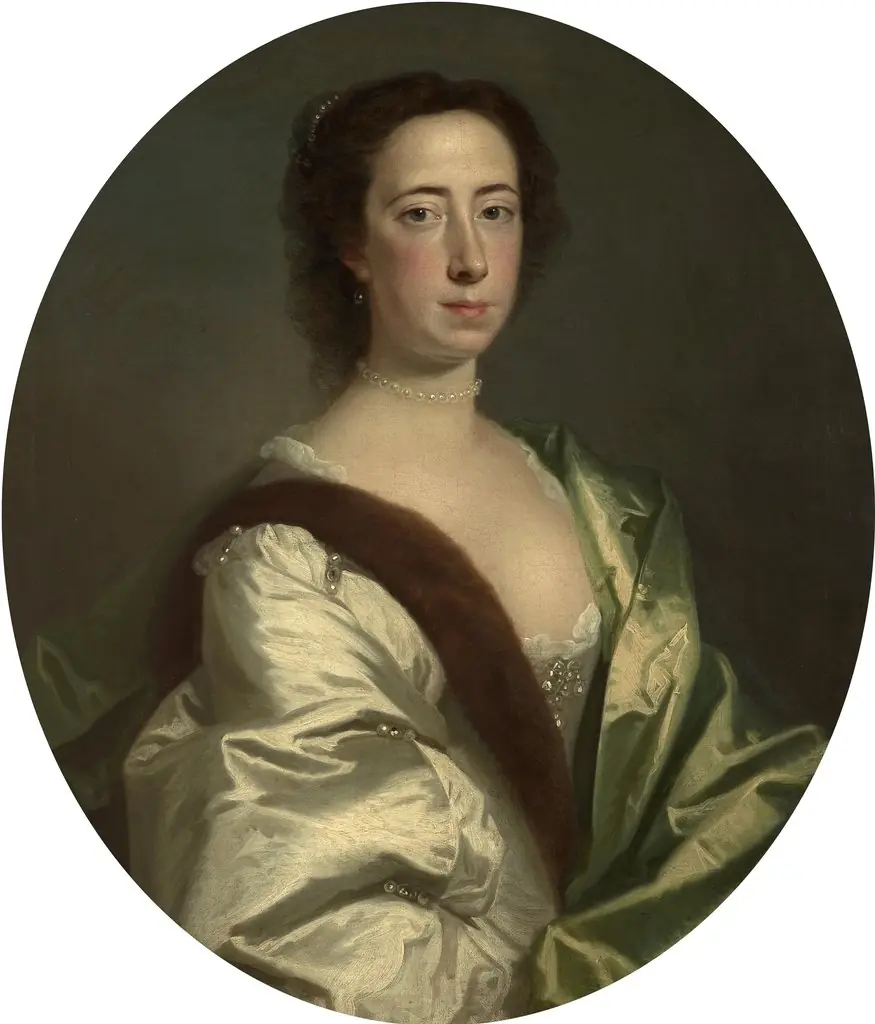 Lady Lucy Manners, Duchess of Montrose (1717 - 1788)
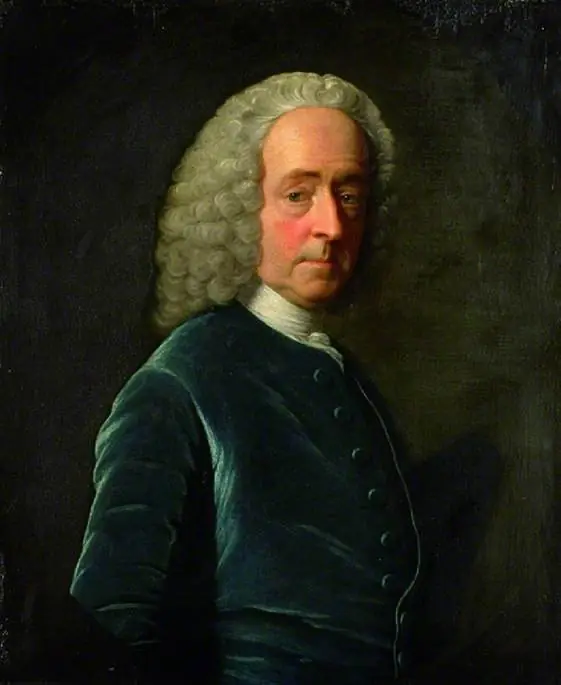 Portrait of James Haughton Langston
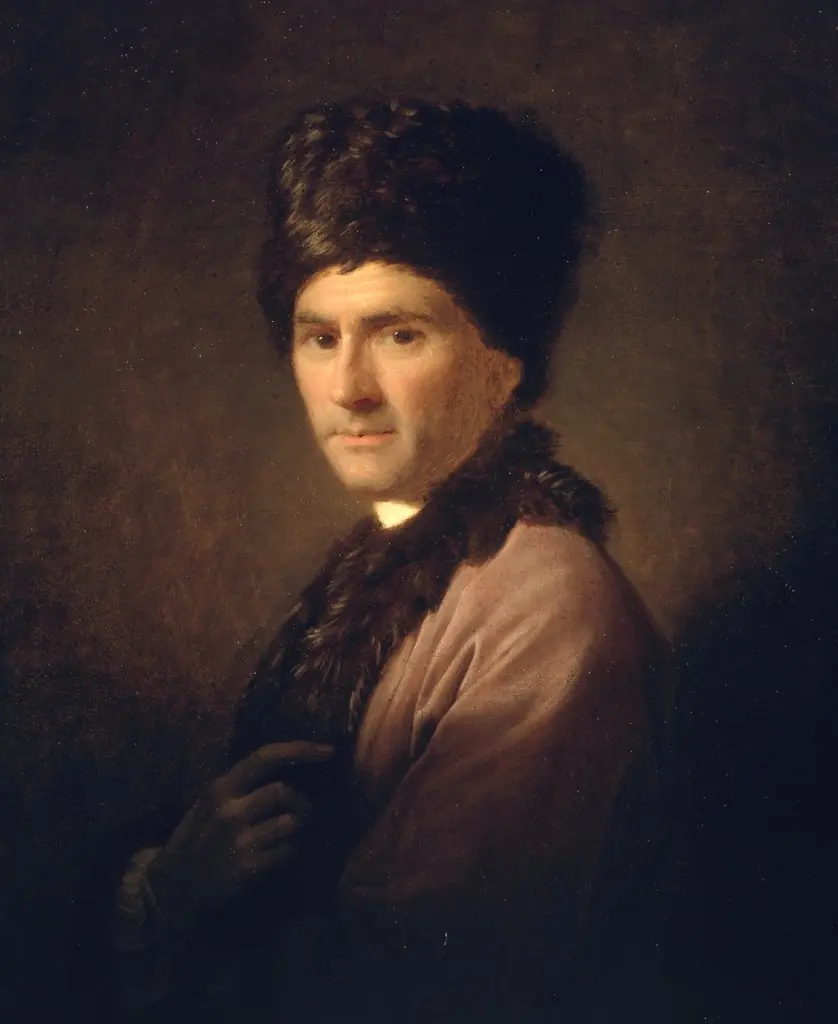 Jean-Jacques Rousseau
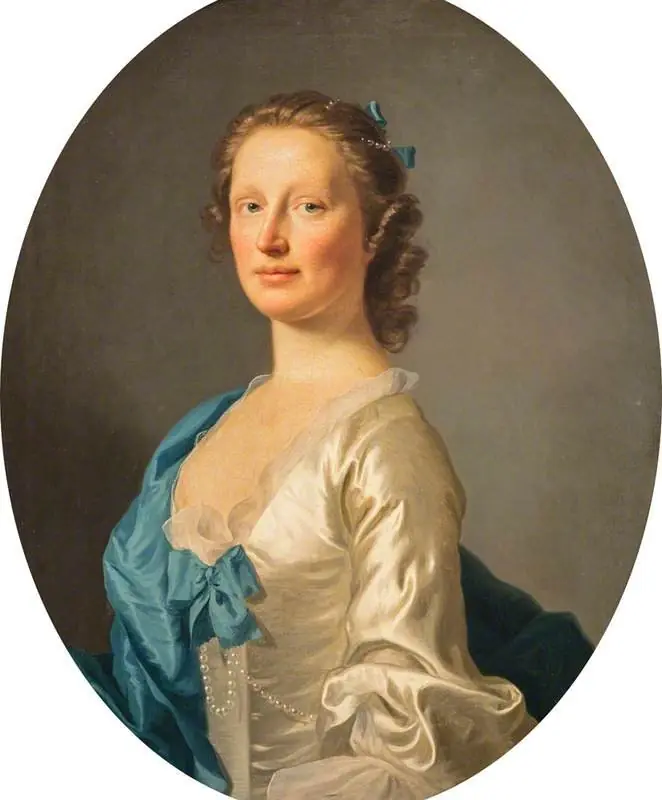 Portrait of a Lady, formerly called Flora Macdonald
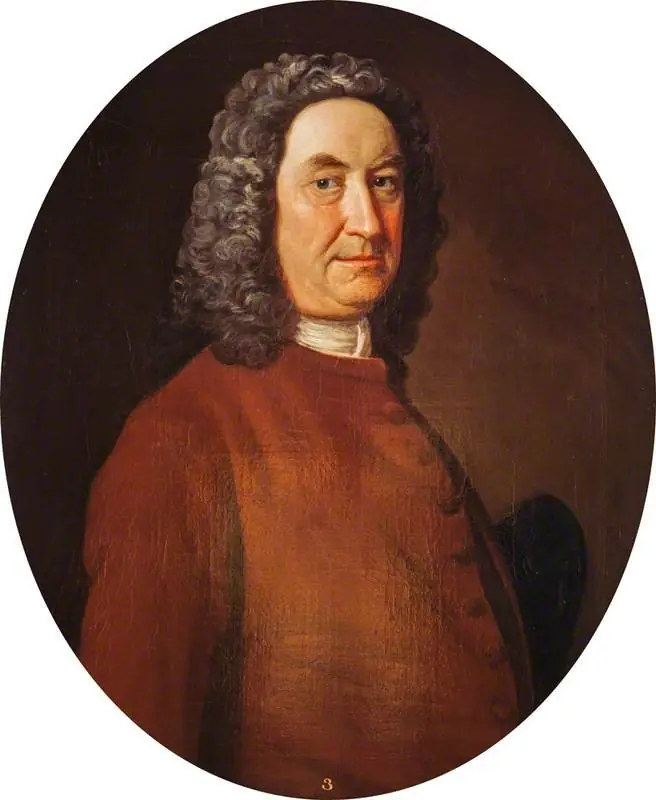 Sir John Inglis, 2nd Bart of Cramond (1683 - 1771)
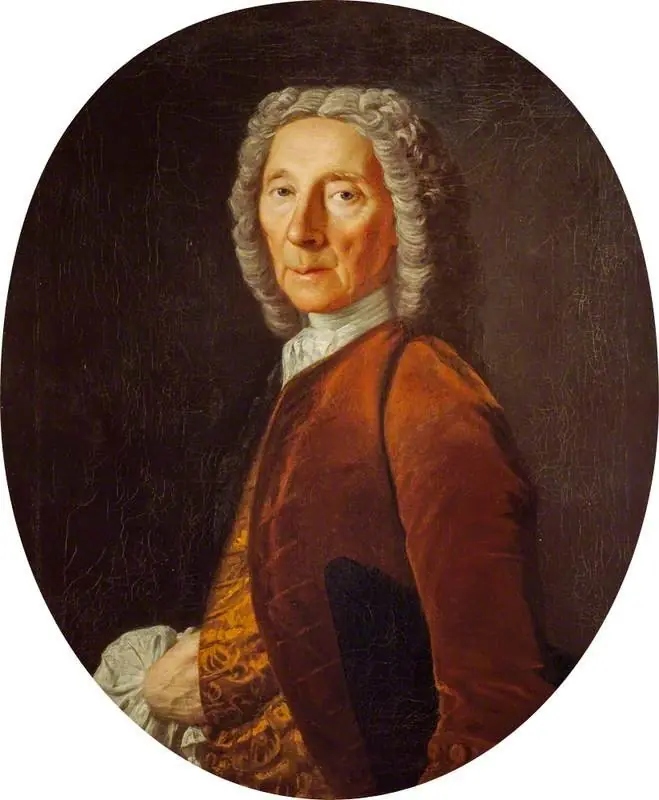 Sir Peter Halkett Wedderburn, 1st Bart of Pitfirrane and Gosford (c 1659 - 1746)
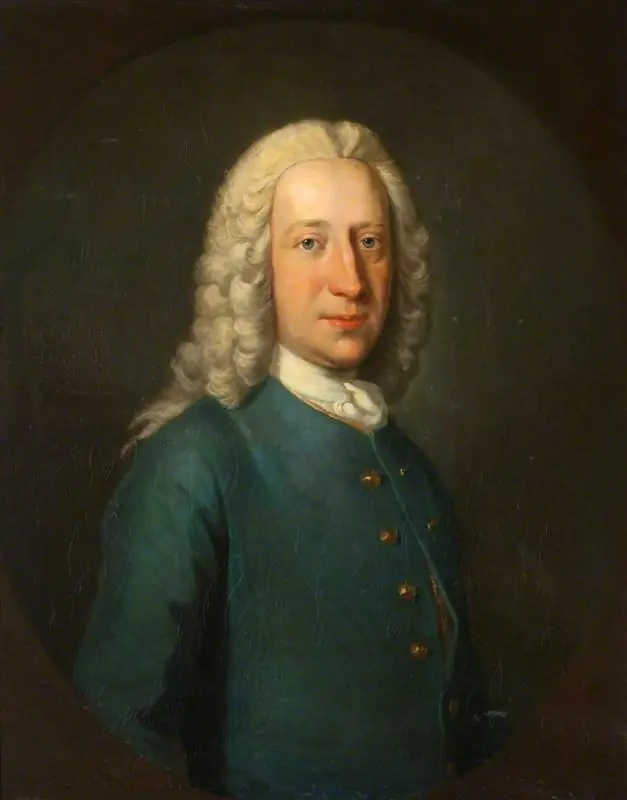 Portrait of a Gentleman
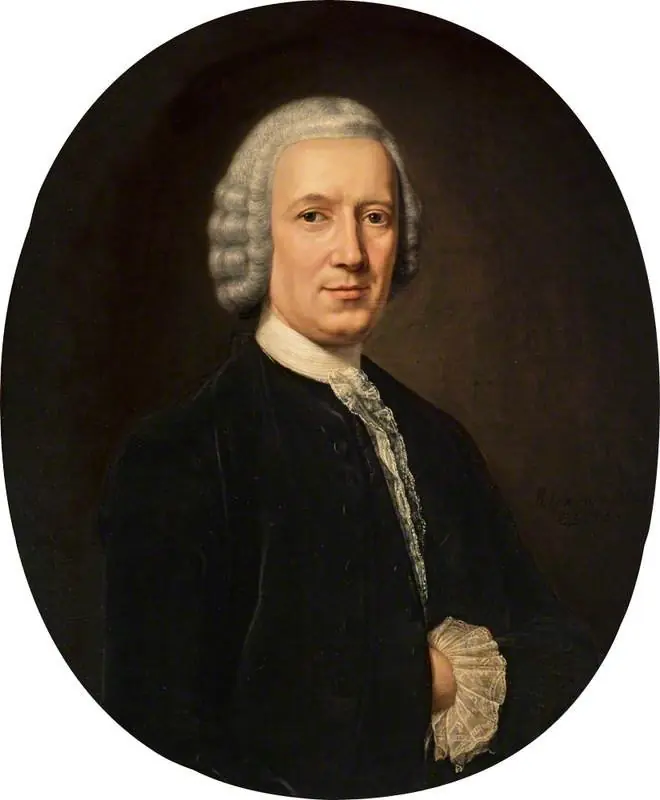 Portrait of Adrian Hope of Amsterdam (1709 - 1781)
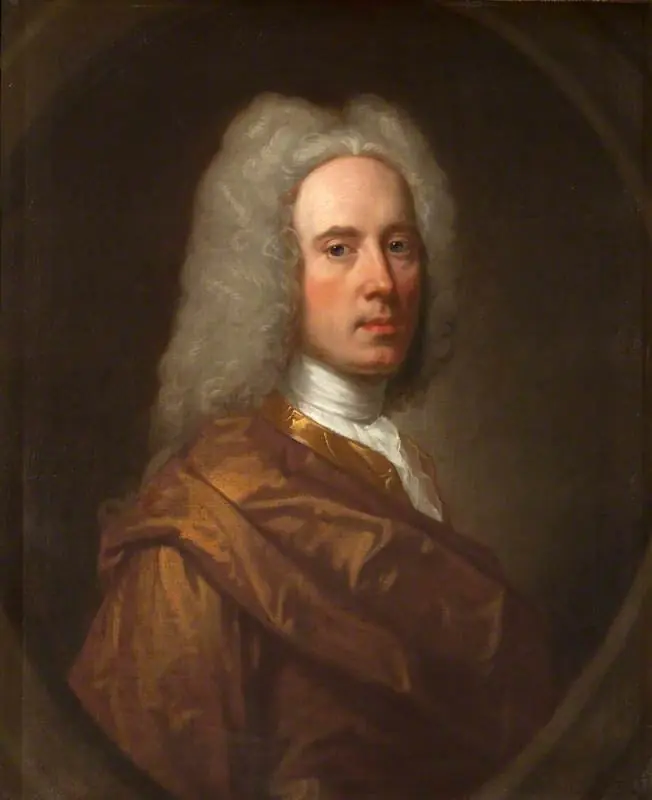 Self-portrait
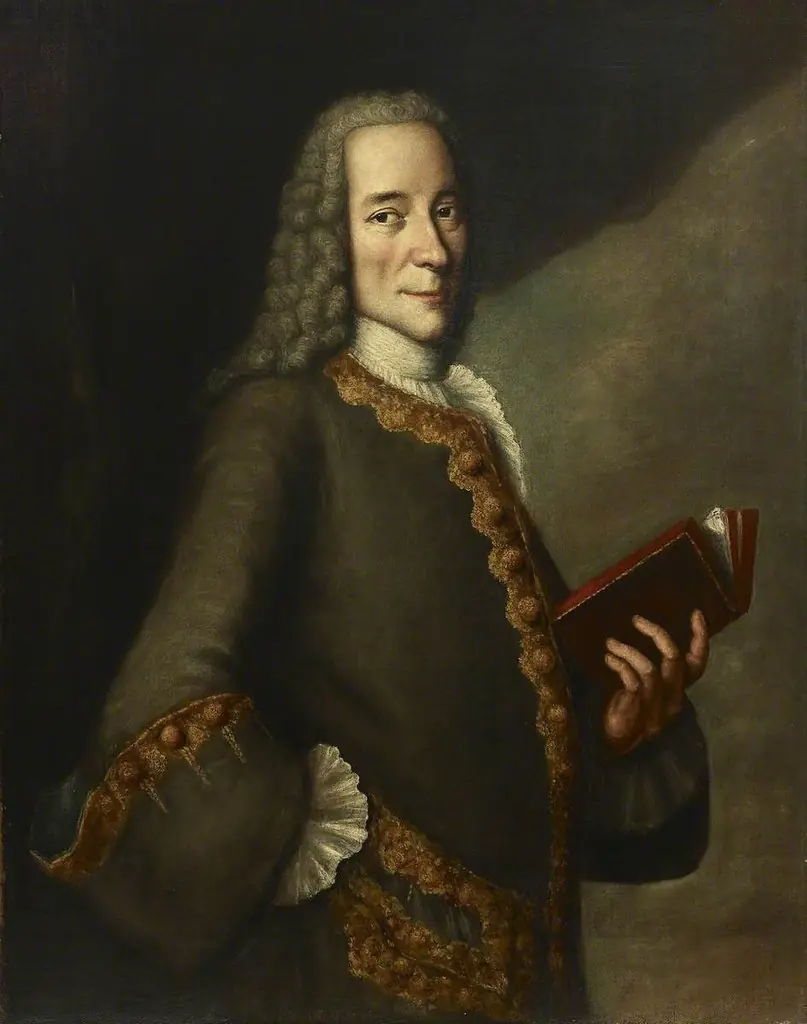 'Voltaire' (François-Marie Arouet) (1694–1778)
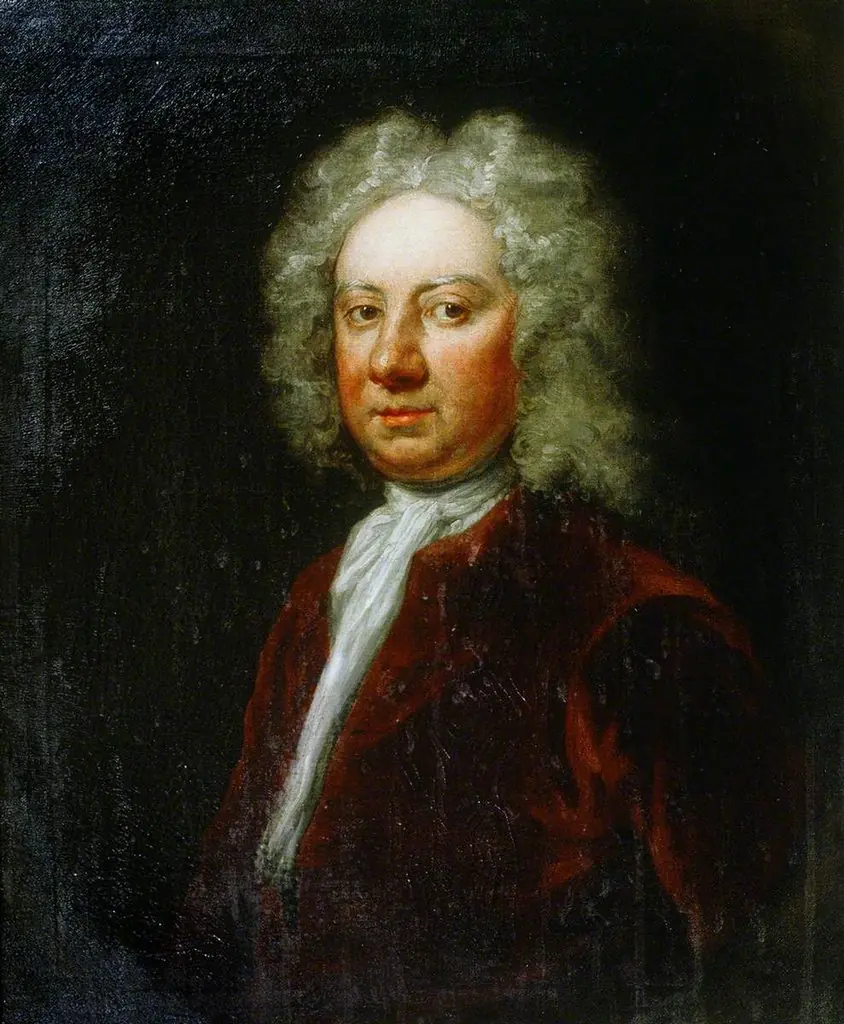 Portrait of a gentleman
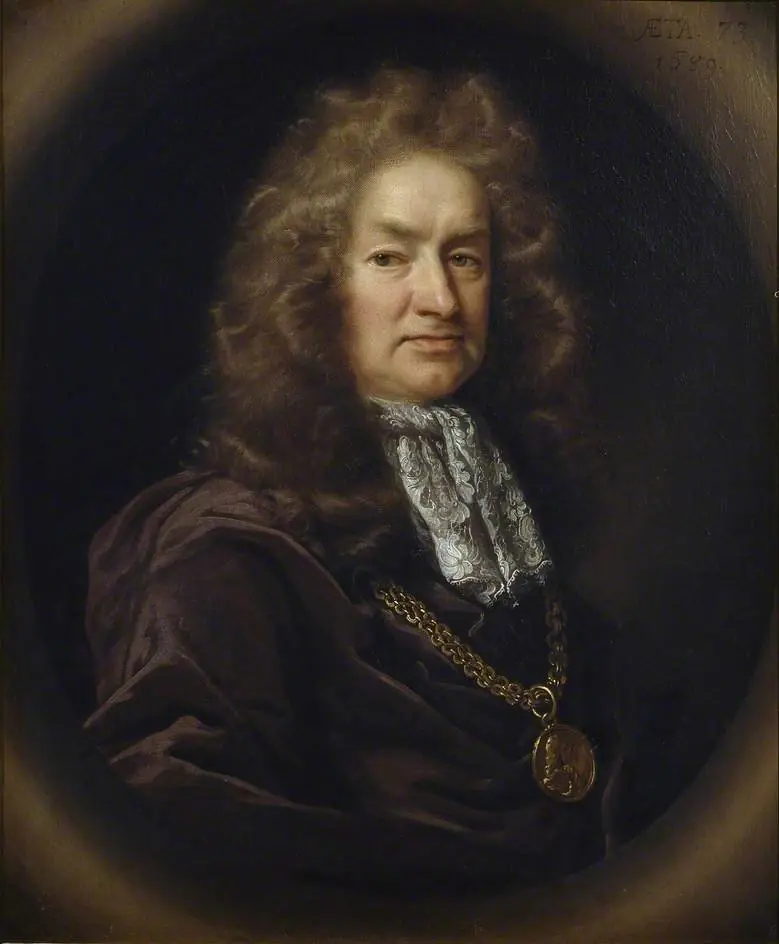 Elias Ashmole
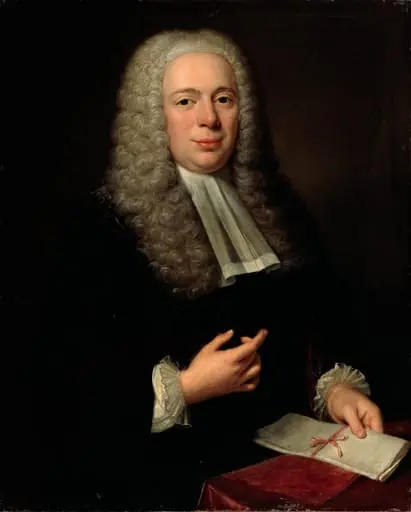 Willem Sautijn (1703-43), Alderman of Amsterdam
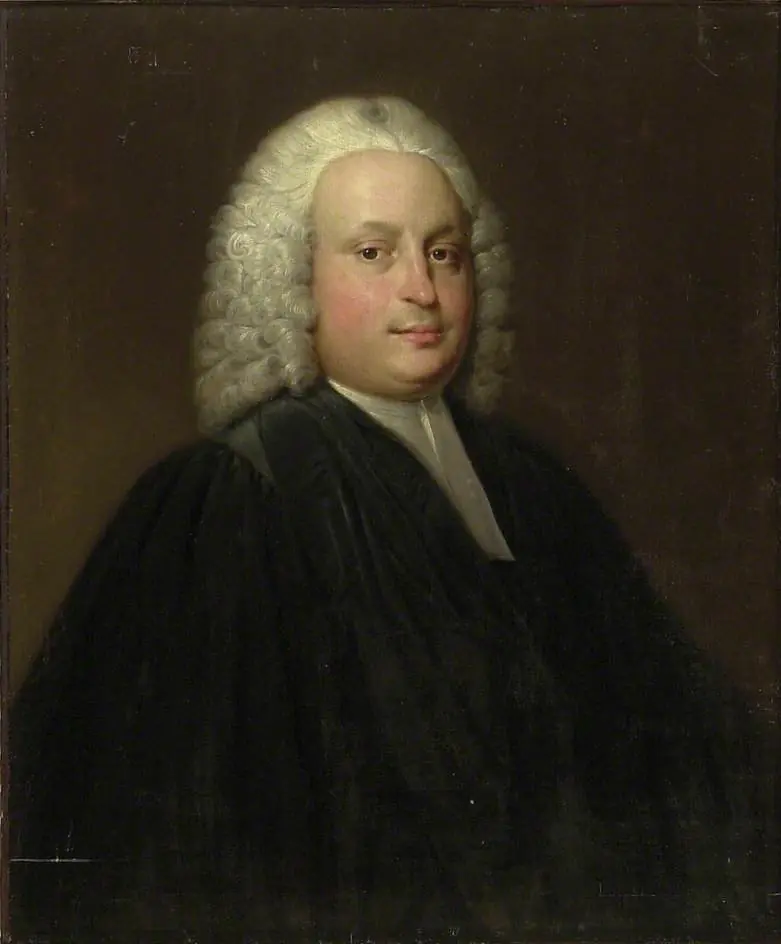 The Revd John Kinderley
 James Duff of Corsindae (1678 - 1762)