Artwork
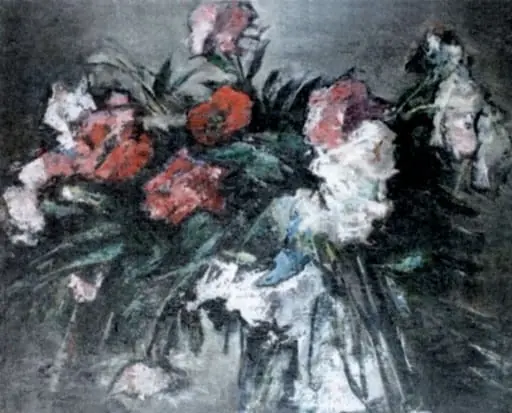
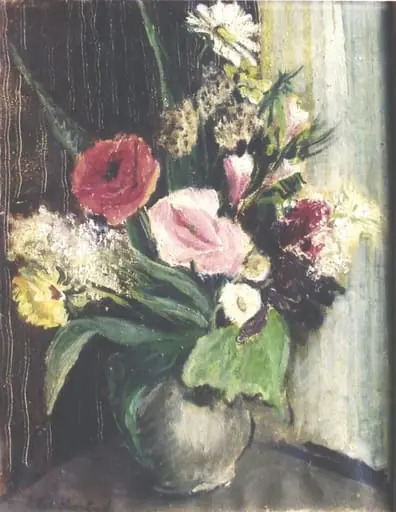
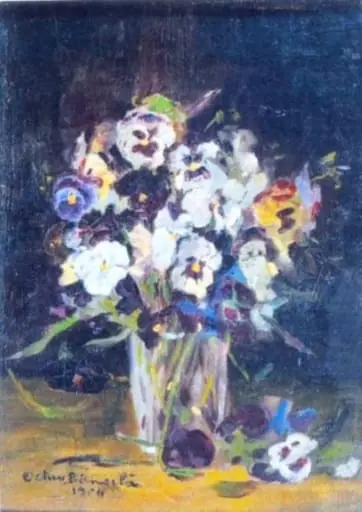
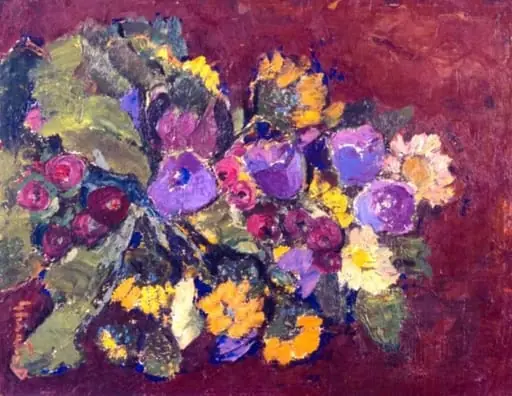
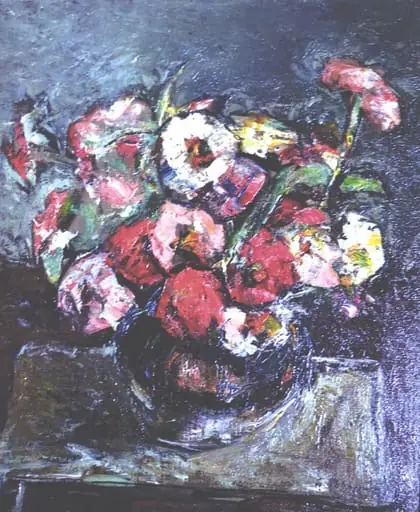
Ciclame și tufănele
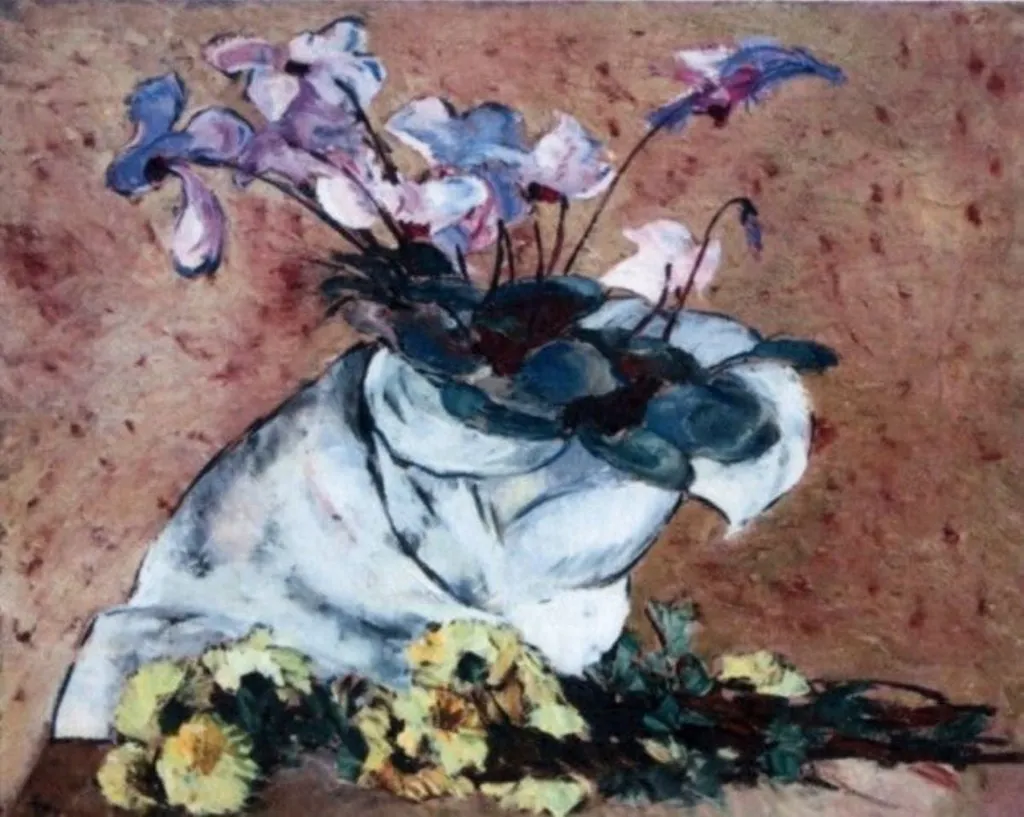
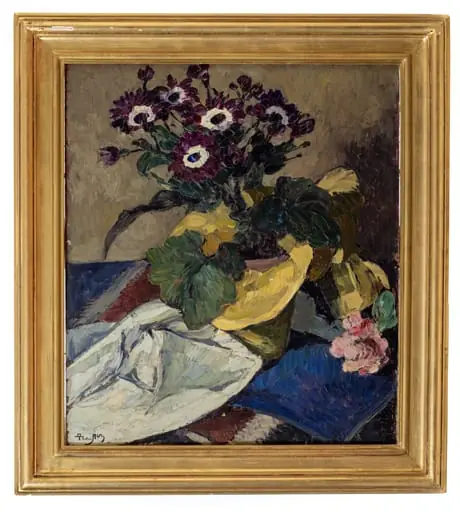
Ciclame și tufănele is an unspecified painting by Ion Theodorescu-Sion. It dates from 1927 and is held in the collection of the Ion Ionescu-Quintus Prahova County Art Museum.
About this work
Overview
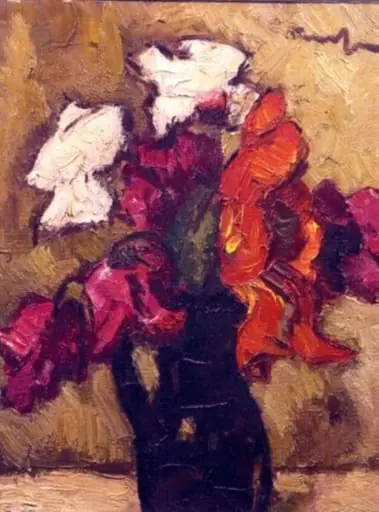
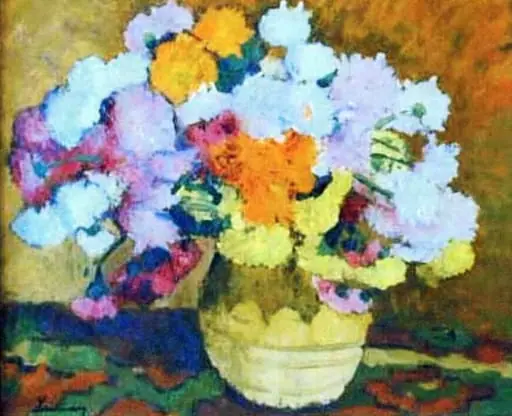
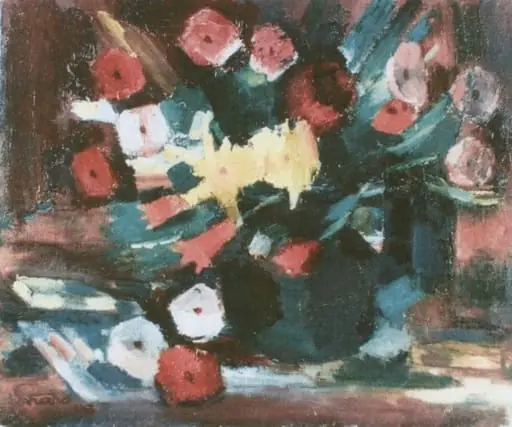
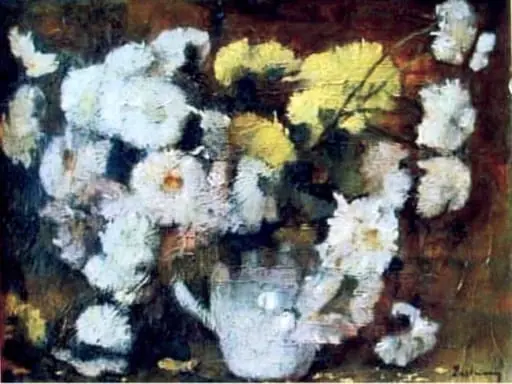
Ion Theodorescu-Sion’s 1927 still life, *Ciclame și tufănele*, presents a quiet arrangement of flowers in a simple white vase atop a coarse surface.
Ion Theodorescu-Sion’s 1927 still life, *Ciclame și tufănele*, presents a quiet arrangement of flowers in a simple white vase atop a coarse surface. The work reflects the artist’s mature style, merging observational precision with expressive brushwork. Though rooted in traditional still-life conventions, it carries subtle emotional weight through its restrained palette and tactile surfaces, aligning with his broader interest in craft and spiritual resonance.
Subject & Meaning
The painting features cyclamens and snapdragons, their forms rendered with quiet dignity. Scattered yellow blooms and foliage around the vase introduce a fragile sense of abundance, suggesting transience rather than ornament. Theodorescu-Sion avoids overt symbolism, yet the composition’s intimacy and earthy tones evoke a contemplative, almost devotional atmosphere, consistent with his recurring engagement with humility and natural rhythm.
Technique & Style
Brushstrokes are loose and deliberately visible, creating a sense of immediacy without sacrificing structure. The muted background—soft grays and browns—heightens the vibrancy of the flowers’ purples and whites. Textural contrast between the smooth vase and the rough surface beneath adds tactile depth. Theodorescu-Sion’s method blends post-Impressionist color sensitivity with a handcrafted, almost folk-art sensibility, resisting academic polish.
History & Provenance
Created in 1927, the painting entered the collection of the Museum of Ethnography in Bucharest, where it remains. Its placement there reflects the institution’s broader interest in Romanian cultural expression beyond elite art circles. Theodorescu-Sion’s work, often overlooked in mainstream modernist narratives, found resonance in ethnographic contexts that valued regional authenticity and artisanal tradition.
Context
In 1920s Romania, artists navigated tensions between European modernism and local identity. Theodorescu-Sion resisted pure abstraction, instead integrating Symbolist undertones and Orthodox visual motifs into everyday subjects. *Ciclame și tufănele* exemplifies this balance: a domestic scene elevated through deliberate simplicity, echoing both rural Romanian aesthetics and a broader interwar search for cultural roots.
Legacy
Though not widely exhibited in international modernist surveys, Theodorescu-Sion’s still lifes have gained recognition in Romanian art history for their quiet originality. *Ciclame și tufănele* exemplifies his unique synthesis of observation and reverence, influencing later generations interested in the spiritual potential of ordinary things. Its preservation in an ethnographic museum underscores its role as cultural artifact as much as artwork.
Artist & collection
Artist
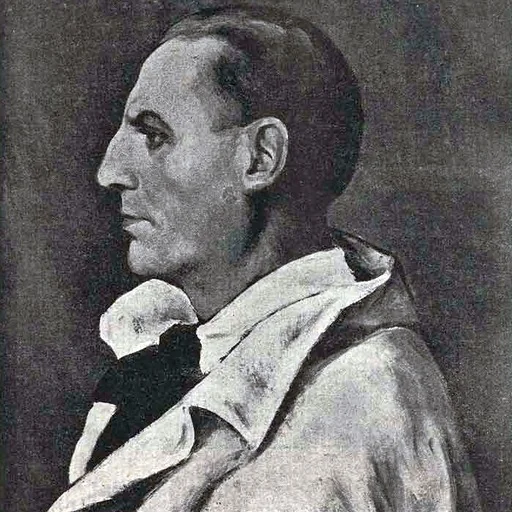
Ion Theodorescu-Sion (Romanian pronunciation: ; also known as Ioan Theodorescu-Sion or Teodorescu-Sion; January 2, 1882 – March 31, 1939) was a Romanian painter and draftsman, known for his contributions to modern art…
Museum
Ion Ionescu-Quintus Prahova County Art Museum
Continue through works from the same source collection.