Artwork
Seascape
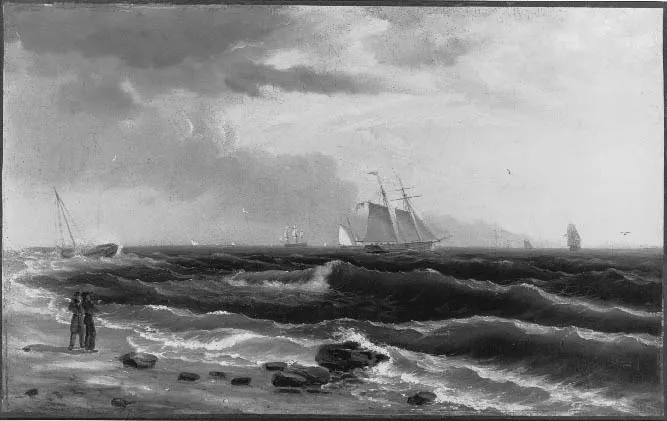
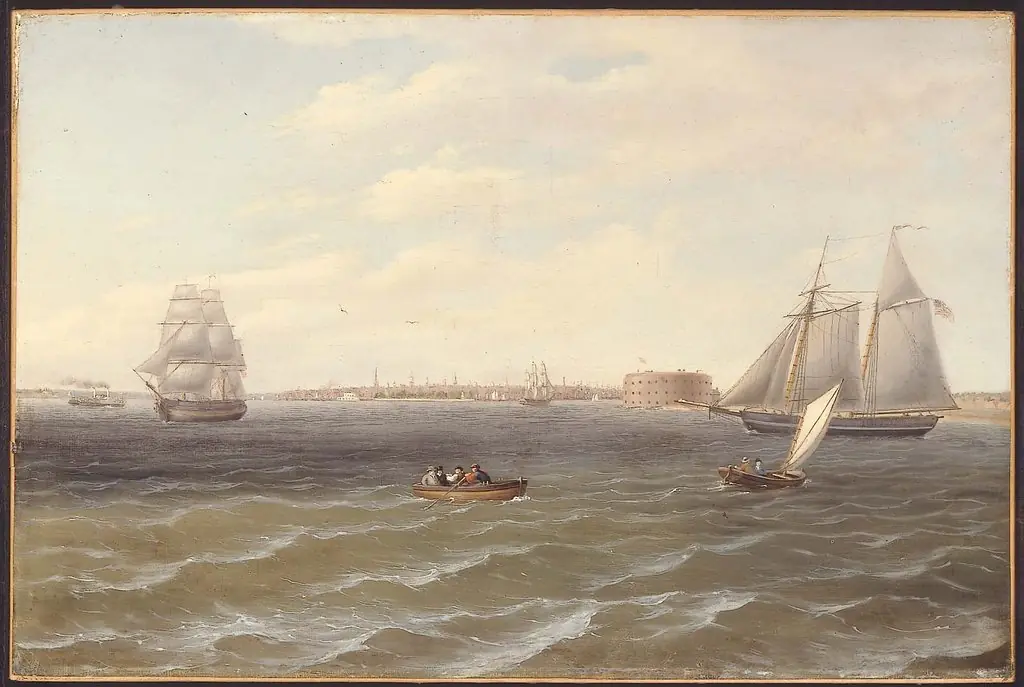
Seascape is an oil painting by Thomas Birch. It is held in the collection of the Museum of Fine Arts Boston.
About this work
Overview
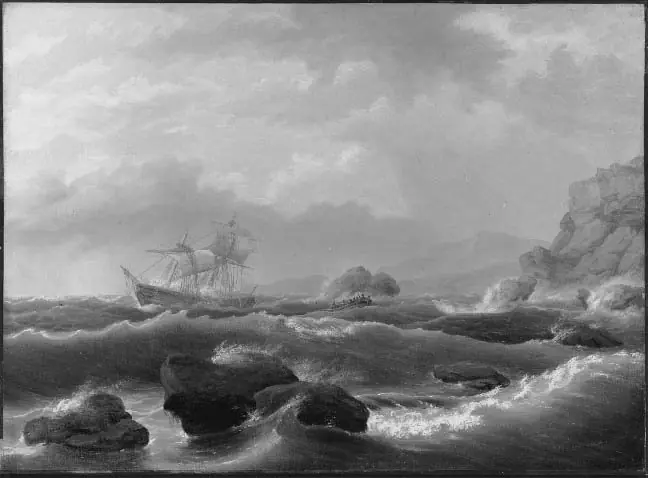
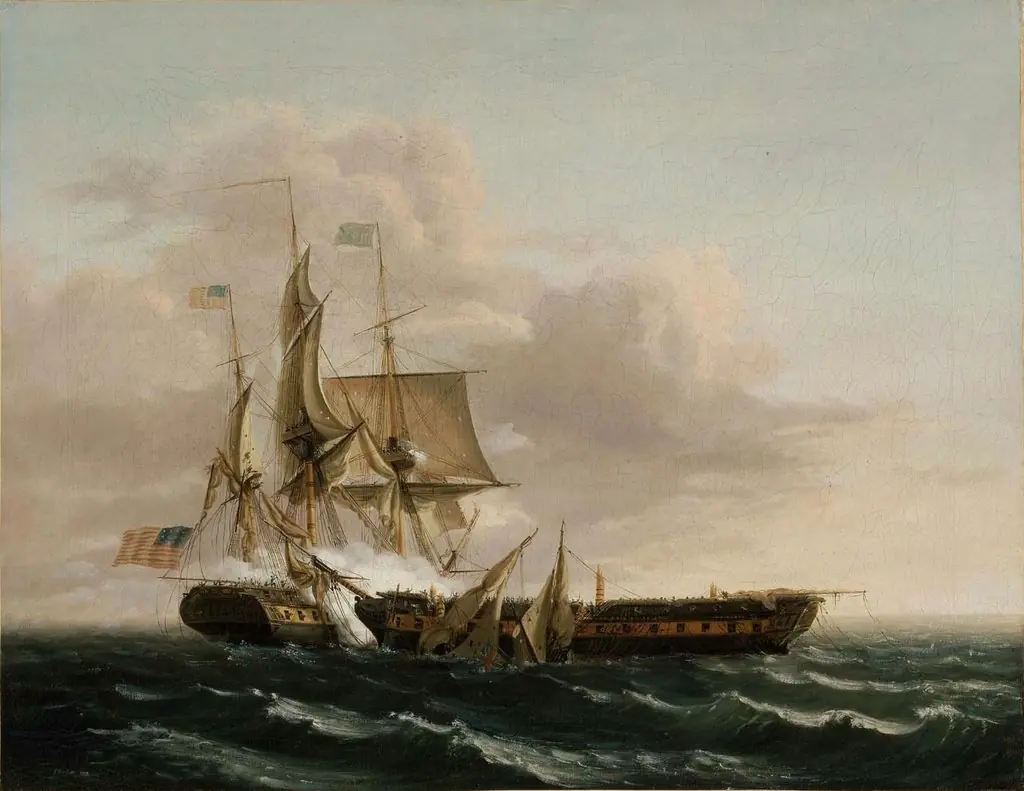
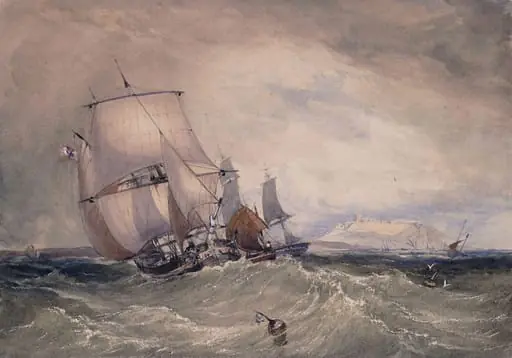
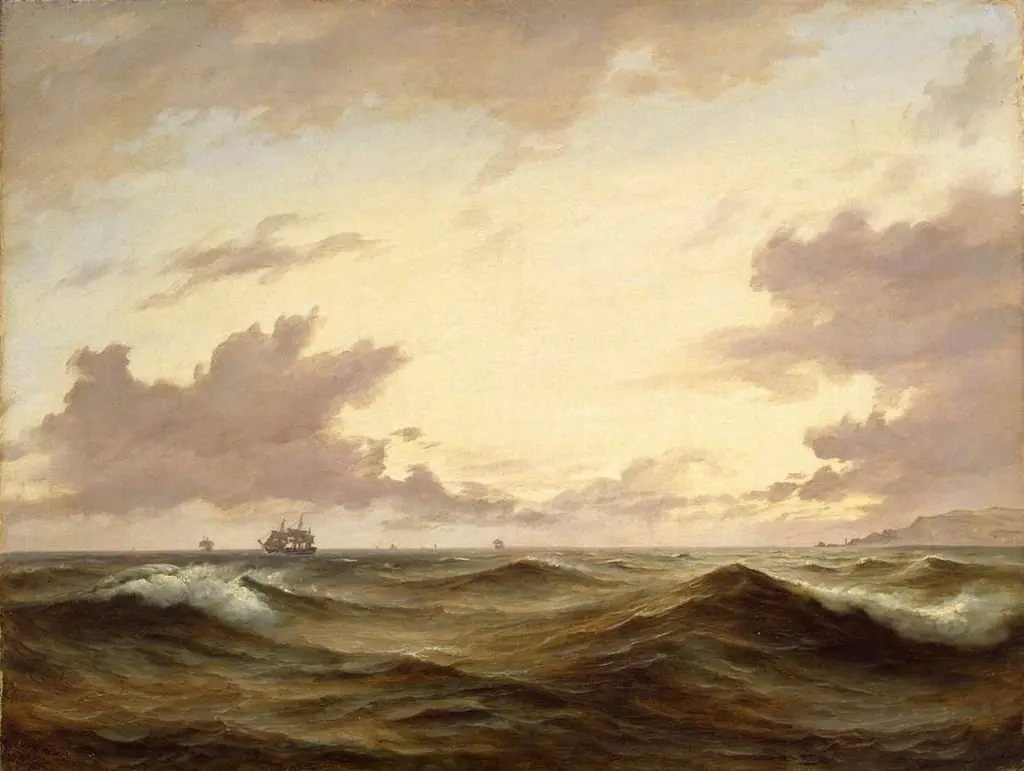
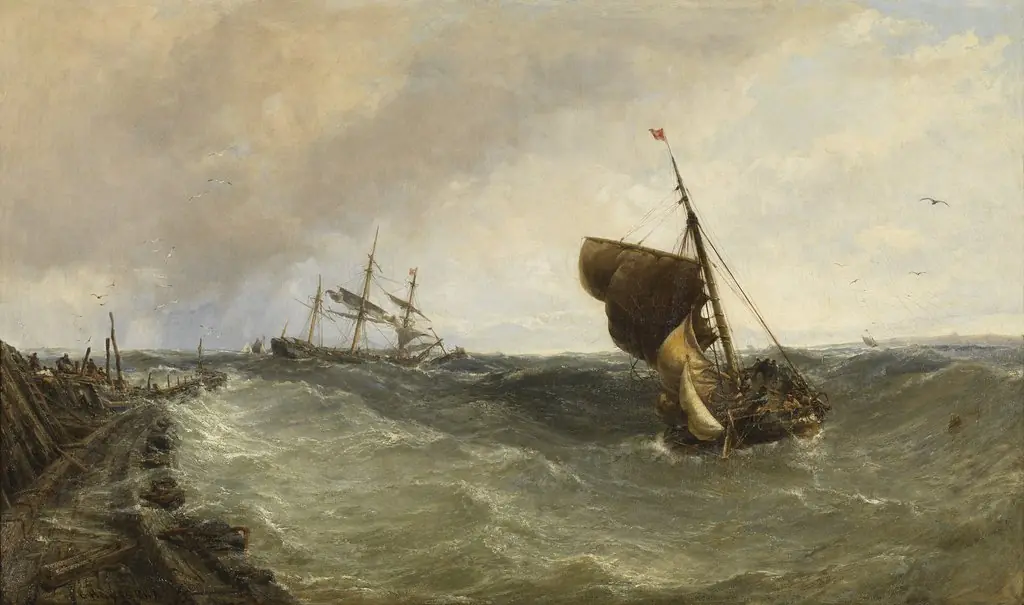
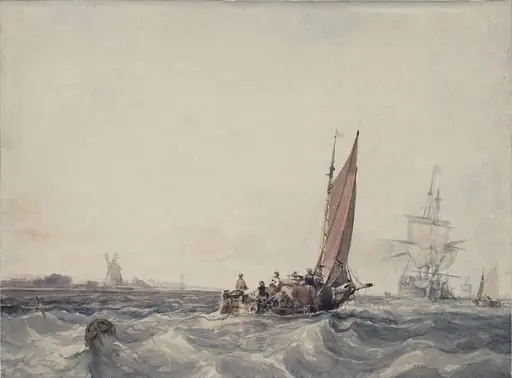
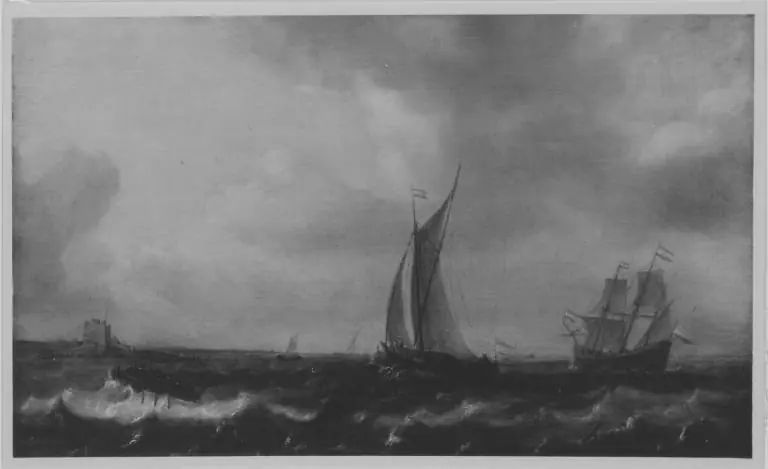
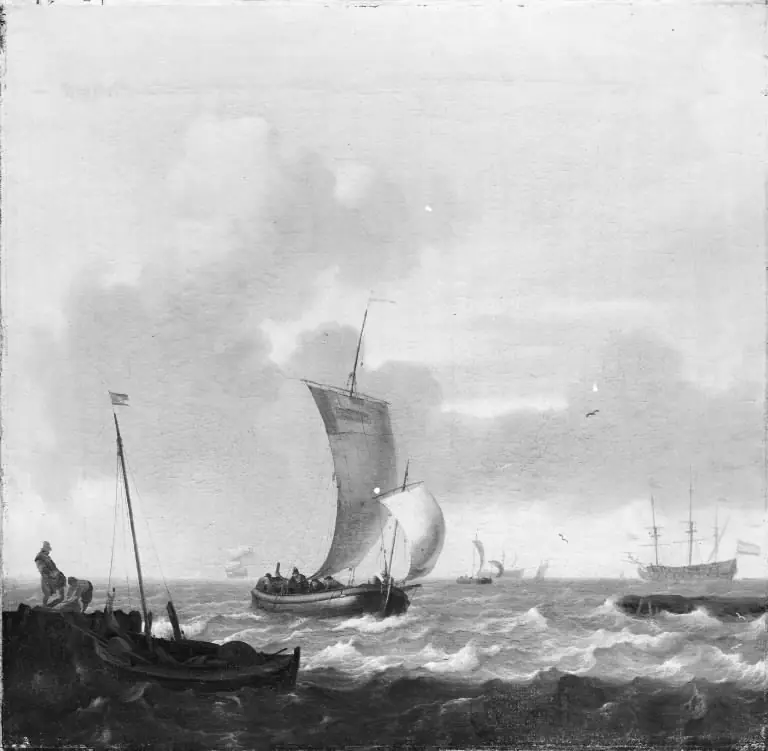
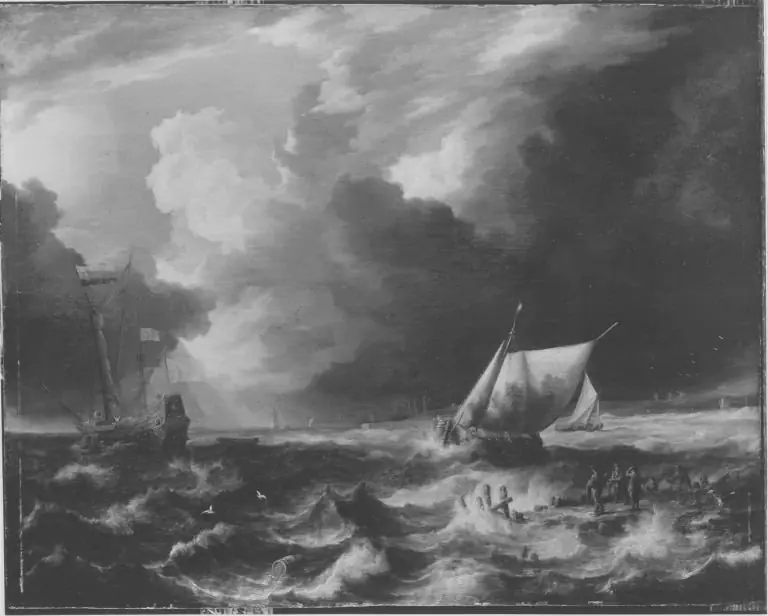
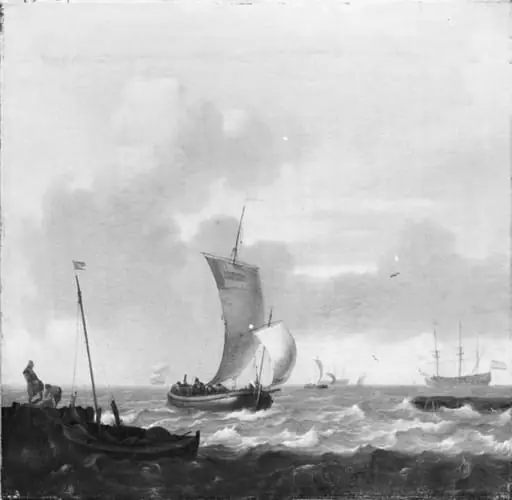
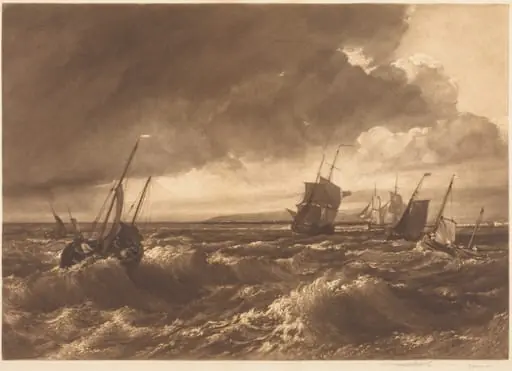
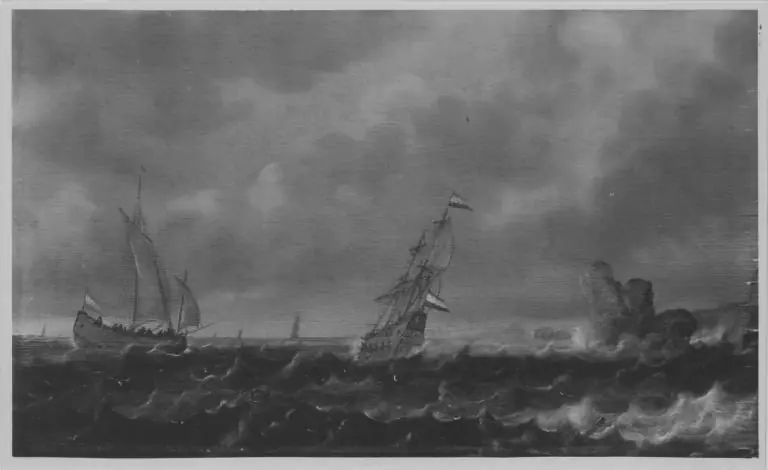
Painted in 1831 by Thomas Birch, this oil-on-canvas work depicts a coastal scene with turbulent waters and overcast skies. It is part of the permanent collection at the Museum of Fine Arts, Boston. The composition balances expansive sea and sky with a quiet foreground figure, suggesting a contemplative relationship between humanity and nature.
Subject & Meaning
The painting presents a solitary figure on a rocky shore, facing a vast, stormy sea. The presence of distant ships implies human activity, yet the figure remains isolated, emphasizing solitude amid nature’s power. The mood is neither celebratory nor ominous, but quietly observant, reflecting a 19th-century sensitivity to nature’s indifference to human presence.
Technique & Style
Birch employed oil paint to build layered textures in the waves and rocks, using subtle gradations to suggest depth. Chiaroscuro is applied with restraint, enhancing the drama of the clouds and water without overwhelming the scene. Brushwork varies from smooth horizons to rough, impasto-like strokes in the surf, reinforcing the tactile quality of the sea.
History & Provenance
Created during Birch’s mature period, the painting reflects his longstanding interest in American maritime subjects. It entered the Museum of Fine Arts, Boston’s collection in the early 20th century, likely through a private donation or acquisition from a New England collector familiar with Birch’s work.
Context
Birch painted this during a time when American artists were increasingly turning to local landscapes and seascapes as subjects worthy of serious attention. His work aligns with the broader trend of documenting the nation’s coastal environments, influenced by both European traditions and emerging national identity.
Legacy
Though not widely known outside specialist circles, Birch’s seascapes contributed to the foundation of American marine painting. This work exemplifies his quiet, observational approach—distinct from the grandeur of later Hudson River School works—offering a more intimate, understated vision of the American coast.
Artist & collection