Artwork
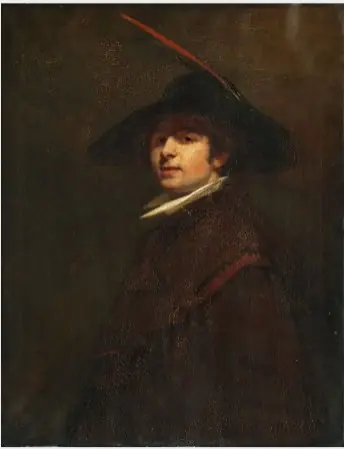
Self-portrait (after Rembrandt)
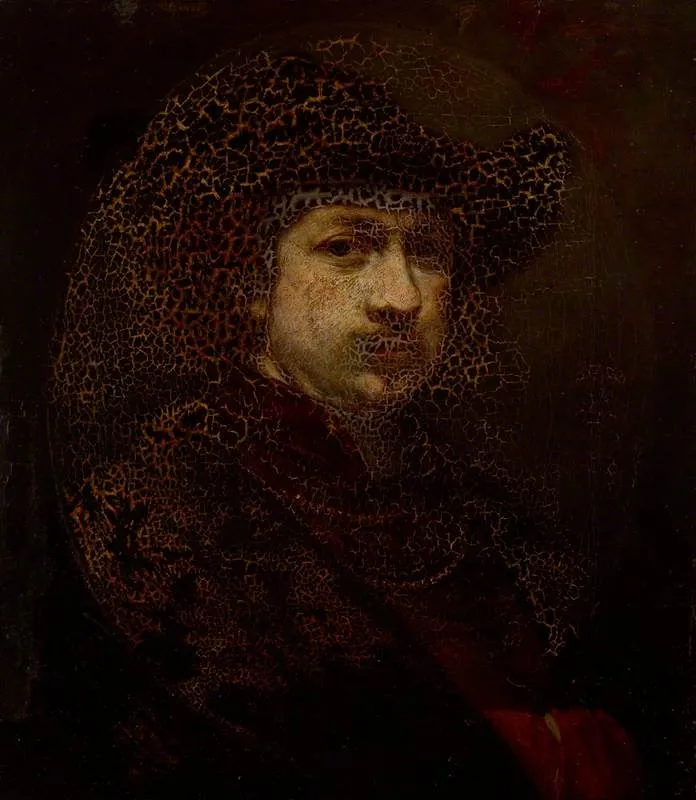
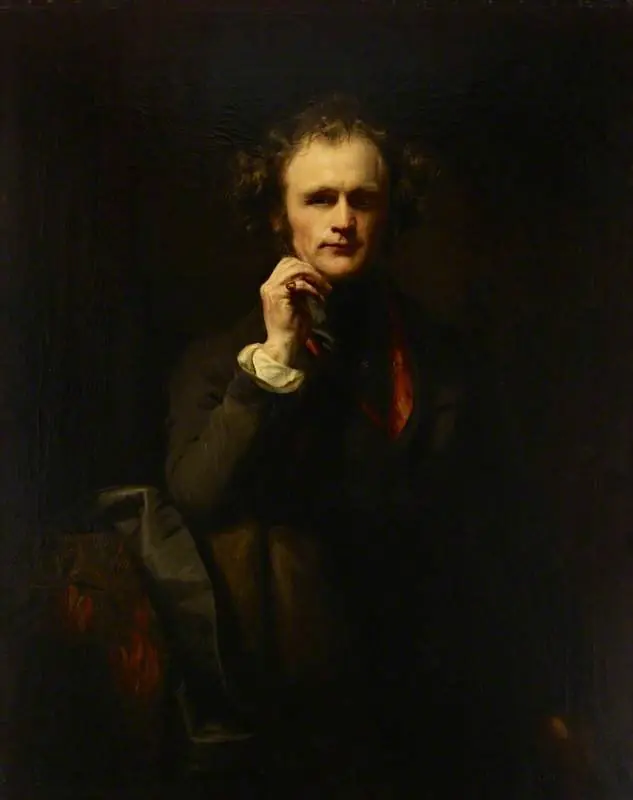
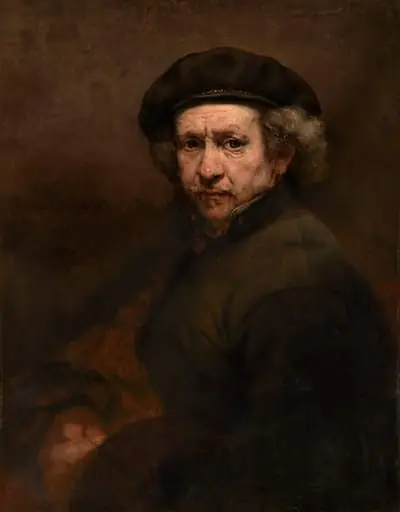
Self-portrait (after Rembrandt) is an oil painting by Thomas Duncan. It dates from 1836 and is held in the collection of the National Galleries Scotland.
About this work
Overview
The painting resides in the Scottish National Gallery, where it reflects Duncan’s engagement with Dutch Golden Age traditions during his early career.
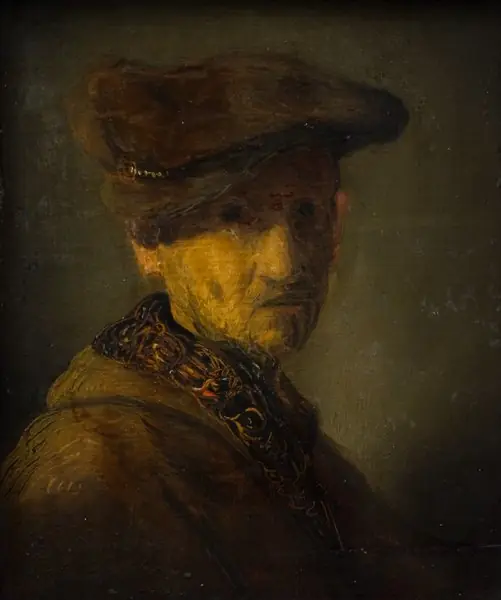
Thomas Duncan painted this oil self-portrait around 1836, modeling it after Rembrandt’s distinctive approach to self-representation. The work shows Duncan’s face and upper torso against a deep, unbroken background. His gaze meets the viewer directly, conveying a quiet intensity. The painting resides in the Scottish National Gallery, where it reflects Duncan’s engagement with Dutch Golden Age traditions during his early career.
Subject & Meaning
Duncan presents himself not as an idealized figure but as a contemplative artist, aligned with the introspective tradition of Rembrandt. The direct eye contact and restrained expression suggest self-examination rather than vanity. By adopting Rembrandt’s compositional gravity, Duncan positions himself within a lineage of artists who used self-portraiture to explore identity, presence, and the act of seeing.
Technique & Style
The painting employs chiaroscuro through layered glazes to model the face, drawing attention to the subtle transitions of light across skin and fabric. The dark background isolates the figure, enhancing three-dimensionality. Duncan’s brushwork is controlled yet expressive, particularly in the rendering of the beard and collar, where texture emerges through thin, translucent layers rather than heavy impasto.
History & Provenance
Created during Duncan’s formative years, the portrait likely dates to his time in Edinburgh or shortly after his studies in London. It entered the collection of the Scottish National Gallery in the 19th century, possibly through donation or acquisition from the artist’s estate. Its presence there underscores its role as a document of Scottish artistic practice in the early Victorian era.
Context
In the 1830s, British artists increasingly looked to Rembrandt as a model of psychological depth and technical mastery. Duncan’s portrait reflects this trend, situating him among contemporaries who sought to elevate portraiture through historical reference. Unlike grand historical scenes, this work emphasizes quiet dignity, aligning with a growing interest in the artist’s personal and professional identity.
Legacy
Though not widely reproduced, the painting remains a key example of how 19th-century Scottish painters engaged with Old Master precedents. It illustrates Duncan’s commitment to technical discipline and his desire to be seen as part of a broader European tradition. The work continues to inform studies of self-representation in British art beyond the Romantic ideal.
Artist & collection