Artwork
The Marriage at Cana (after Veronese)
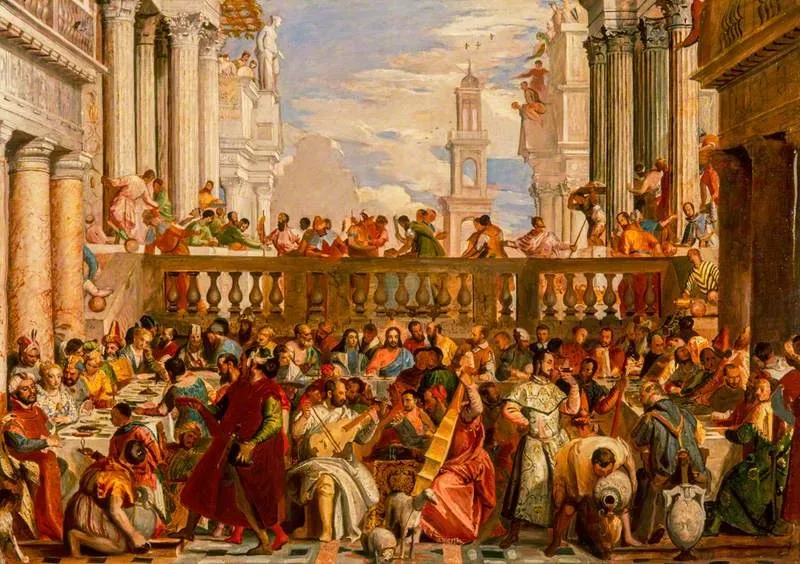
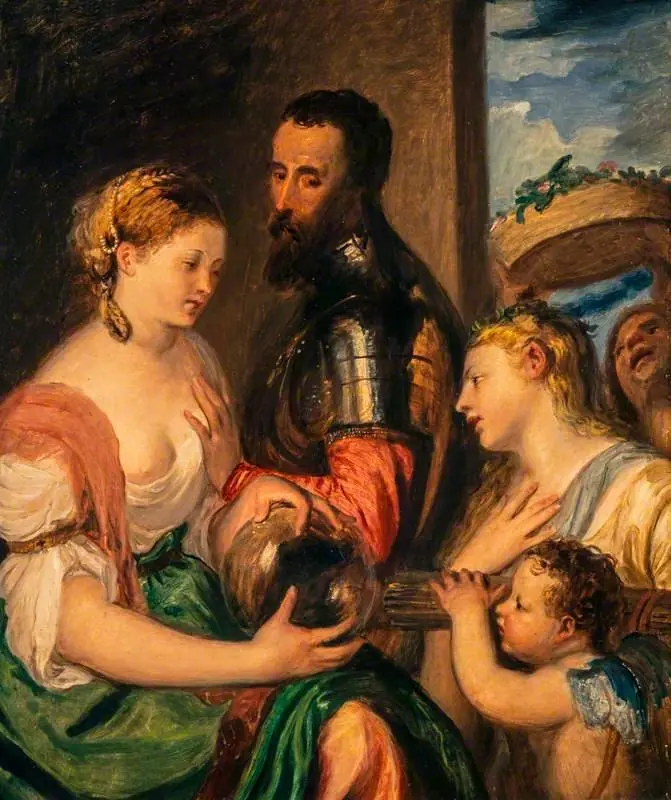
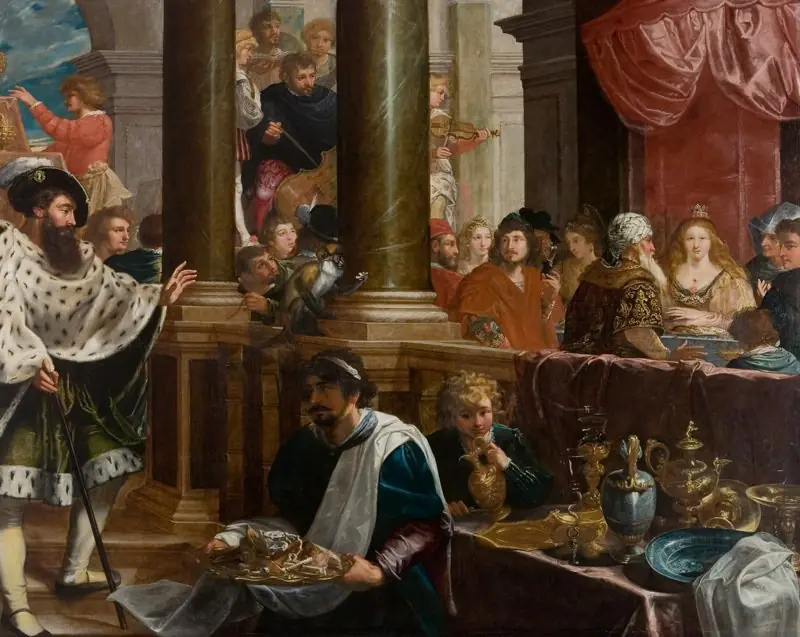
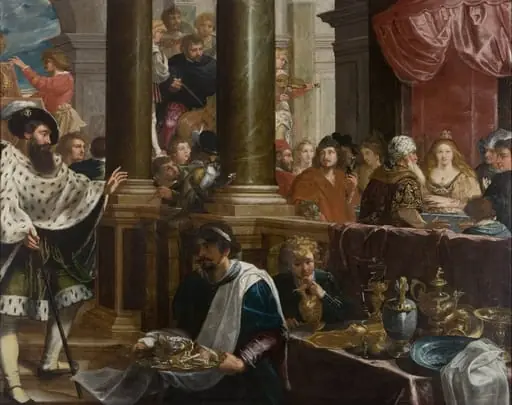
The Marriage at Cana (after Veronese) is an oil painting by Thomas Duncan. It dates from 1836 and is held in the collection of the National Galleries Scotland.
About this work
Overview
The painting captures a biblical moment from the Gospel of John, in which Jesus performs his first miracle by turning water into wine.
Thomas Duncan painted this oil work around 1836 as a reinterpretation of Paolo Veronese’s monumental scene of the Wedding at Cana. The painting captures a biblical moment from the Gospel of John, in which Jesus performs his first miracle by turning water into wine. Duncan’s version is smaller in scale and more restrained in tone than Veronese’s original, reflecting 19th-century British sensibilities toward historical and religious subjects.
Subject & Meaning
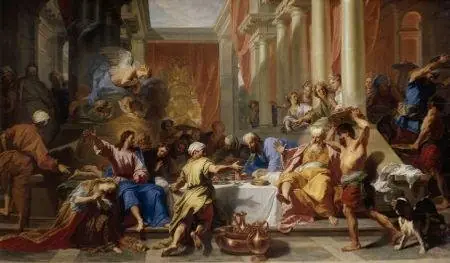
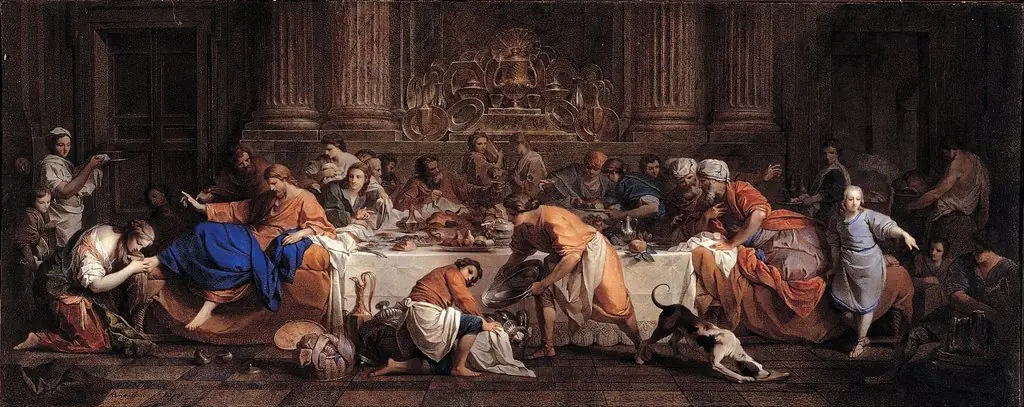
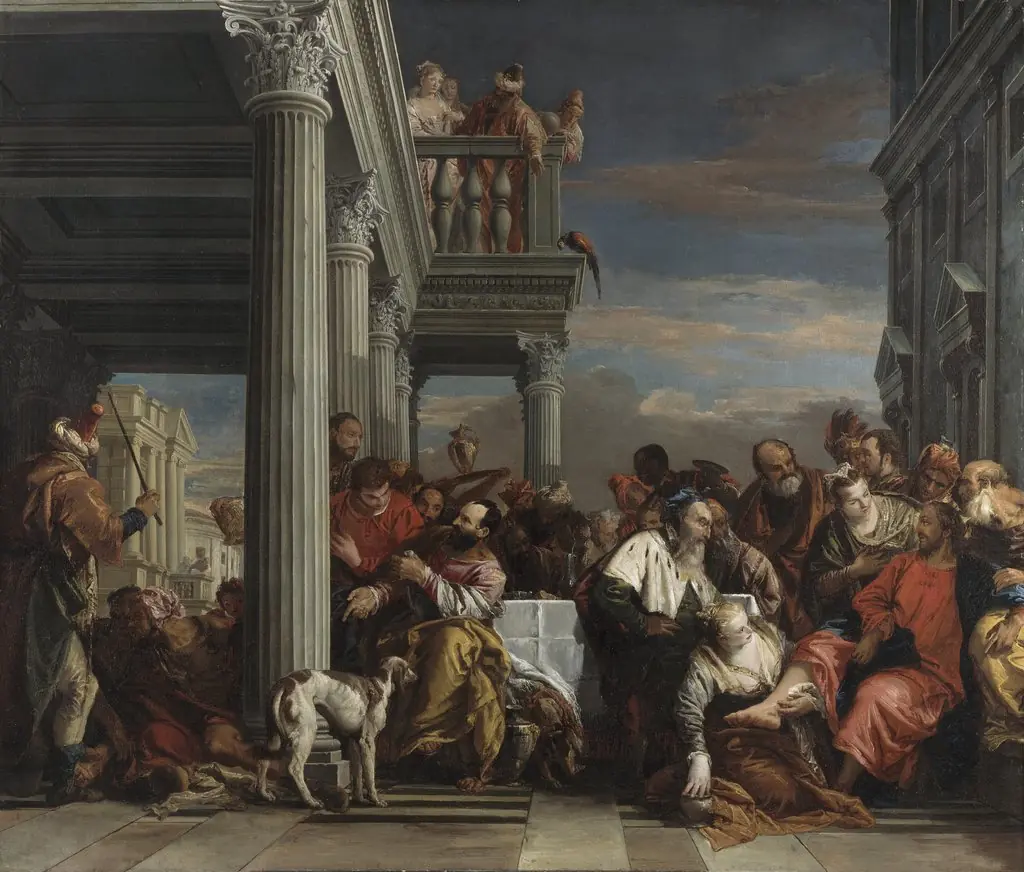
The scene portrays the celebration at Cana, where Christ transforms water into wine at the request of his mother. Duncan emphasizes communal joy through a crowded hall filled with guests in classical attire, engaged in conversation and feasting. The miracle is not depicted as a supernatural event but as a quiet, implied presence within the social setting, aligning with Victorian ideals of moral restraint and dignified narrative.
Technique & Style
Duncan employed a muted palette dominated by earth tones—browns, beiges, and soft blues—to create a subdued, atmospheric interior. The brushwork is precise but not flamboyant, favoring clarity over theatricality. Figures are arranged in orderly groups around long tables, with architectural elements like columns and a distant balcony suggesting depth and grandeur without overwhelming the composition.
History & Provenance
Completed around 1836, the painting entered the collection of the Scottish National Gallery in the 19th century. It reflects Duncan’s engagement with Renaissance models during his training in Europe, particularly his study of Veronese’s work. Unlike many contemporaries, Duncan avoided overt drama, instead favoring quiet observation—a choice that aligned with the gallery’s growing interest in morally grounded historical art.
Context
In the 1830s, British artists increasingly turned to biblical and classical themes as subjects worthy of serious artistic treatment. Duncan’s version of The Marriage at Cana emerged amid a broader revival of interest in Old Master compositions, filtered through a domestic, less ornate aesthetic. His approach contrasted with the theatricality of earlier Baroque treatments, reflecting a shift toward understated narrative in Victorian art.
Legacy
Though not widely reproduced or celebrated outside Scotland, Duncan’s painting remains a significant example of 19th-century British reinterpretation of Renaissance subjects. It illustrates how artists adapted grand historical themes to suit contemporary tastes for restraint and moral clarity. The work continues to be studied for its quiet reimagining of a well-known biblical scene within a domesticated visual language.
Artist & collection