Artwork
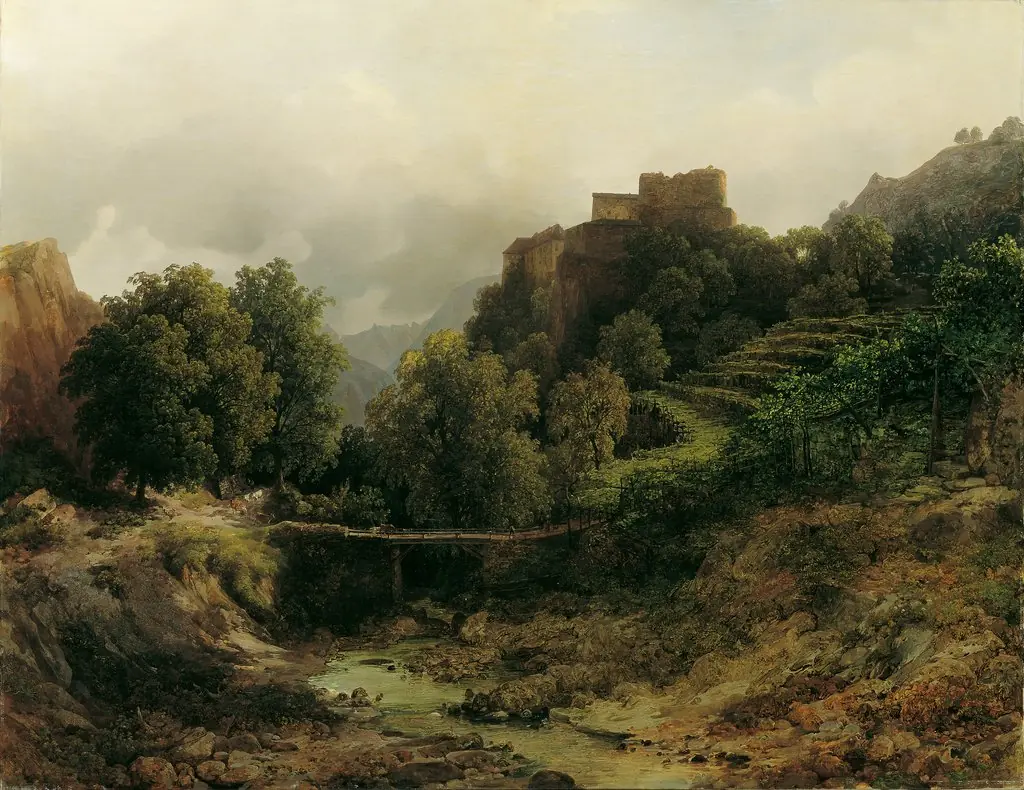
Schloss Cles im Nonntal in Südtirol
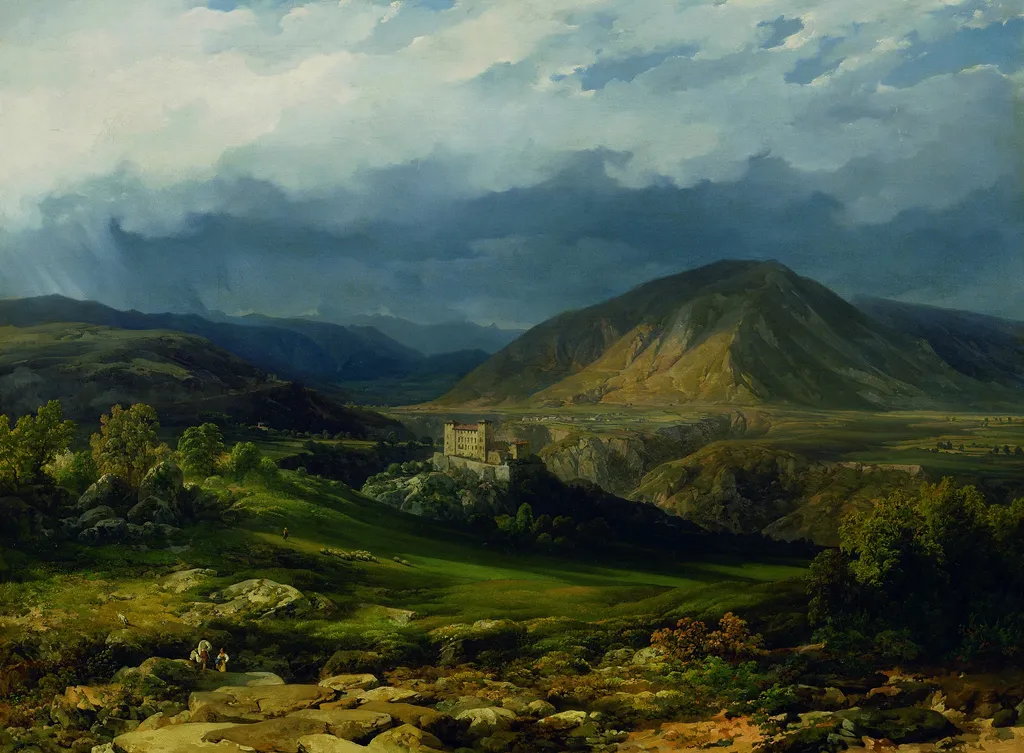
Schloss Cles im Nonntal in Südtirol is an oil painting by Thomas Ender. It dates from 1846 and is held in the collection of the Kunsthistorisches Museum.
About this work
Overview
Thomas Ender painted this oil landscape in 1846, capturing the castle of Schloss Cles nestled in the Non Valley of South Tyrol. The work is part of the Kunsthistorisches Museum’s collection in Vienna. It presents a quiet, observational view of the alpine terrain, emphasizing natural light and topographical detail without dramatic embellishment.
Subject & Meaning
The scene centers on Schloss Cles, a historic fortress perched on a hillside, surrounded by rolling terrain and dense vegetation. A solitary figure near the castle grounds suggests human presence without narrative focus. The composition conveys a sense of quiet endurance, reflecting the relationship between architecture and the enduring alpine environment.
Technique & Style
Ender employed oil paint with careful attention to atmospheric perspective and subtle gradations of light. Soft sunlight filters through overcast skies, illuminating the castle and foreground rocks while leaving shadows in the valleys. The rendering is precise yet restrained, favoring naturalism over idealization, with textures of stone, foliage, and cloud carefully differentiated.
History & Provenance
Created during Ender’s later career, the painting stems from his extensive travels across the Habsburg territories. It was acquired by the Kunsthistorisches Museum in Vienna, where it remains today. The work reflects the 19th-century Austrian interest in documenting regional landscapes as part of a broader cultural and territorial record.
Context
Ender’s work emerged in a period when topographical painting gained traction among Austrian artists and patrons seeking to document the empire’s diverse landscapes. Unlike romanticized alpine scenes, this painting avoids sentimentality, aligning with scientific and ethnographic interests of the time that valued accuracy over emotional appeal.
Legacy
The painting contributes to a body of work that helped define Austrian landscape painting in the 19th century. While not widely exhibited outside institutional settings, it remains a representative example of precise, unembellished alpine observation, influencing later generations of regional painters focused on documentary realism.
Own this work as a print
Artist & collection

 Hills behind the Møen Cliff
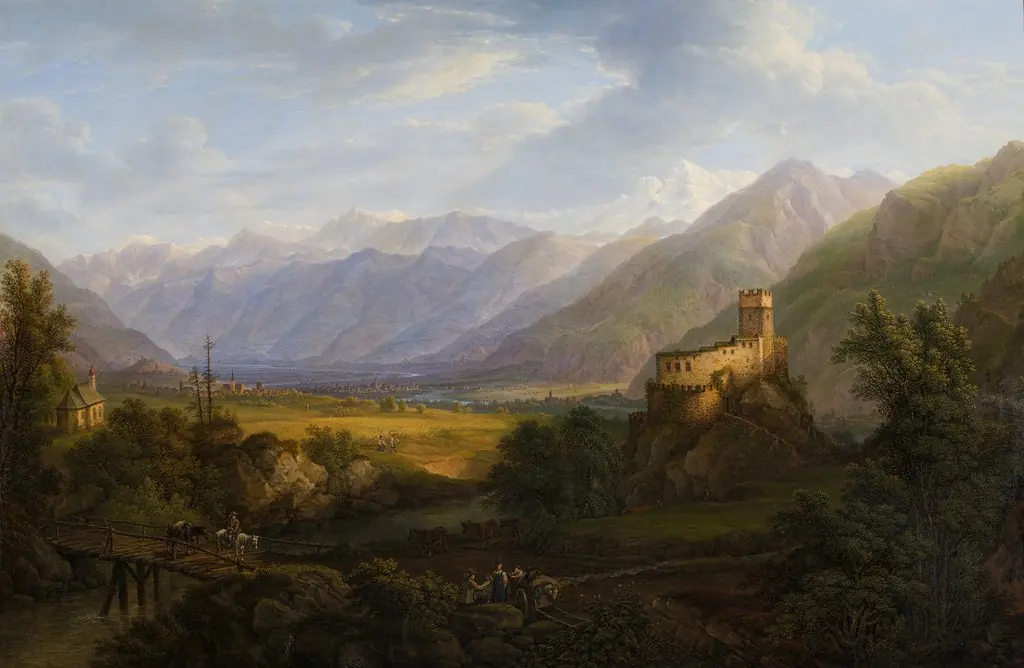 Das Glurnsertal mit der Etsch in Tirol
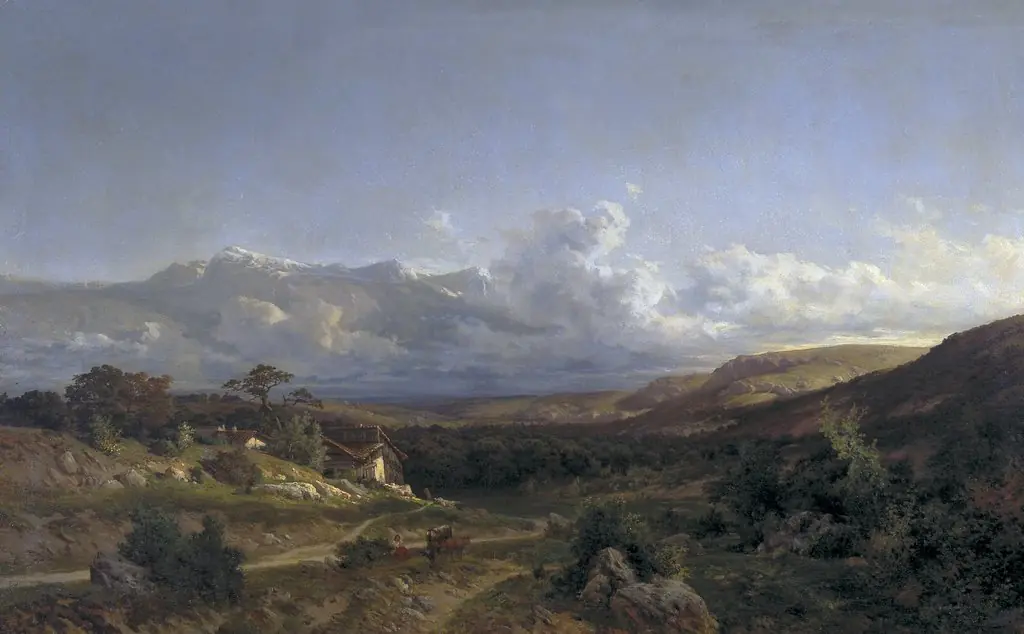 Landscape in the Dauphinoise
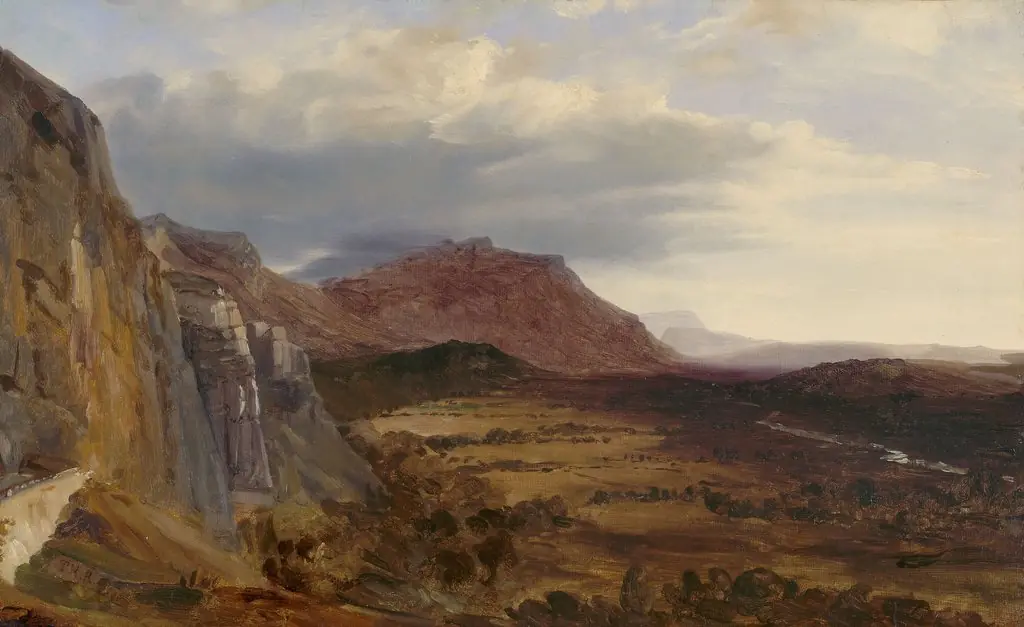 View of Saleve, near Geneva
 View of Saleve, near Geneva
 Thirlmere, Cumberland
 L'Éboulement (après l'orage)
 Schloss Salurn in Südtirol
 Klippelandskab. Djupadal i Bleking
 View in Cumberland
 Deer Stalking in Scotland: Getting Ready
 Landscape with Ruined Temple: Sunrise