Artwork
Küste von Sorrent
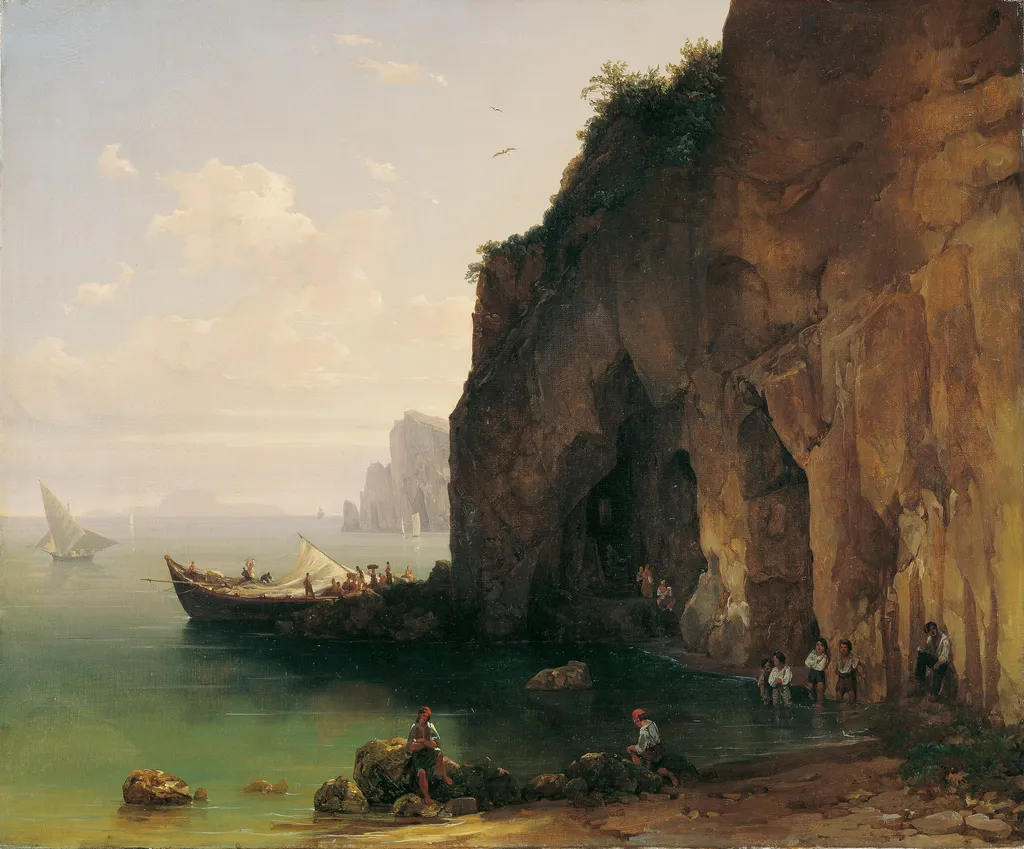
Küste von Sorrent is an oil painting by Thomas Ender. It dates from 1829 and is held in the collection of the Kunsthistorisches Museum.
About this work
Overview
The work captures a quiet stretch of the Italian coastline near Sorrento, rendered with careful attention to light and spatial depth.
Thomas Ender painted Küste von Sorrent in 1829 using oil on canvas. The work captures a quiet stretch of the Italian coastline near Sorrento, rendered with careful attention to light and spatial depth. It is part of the collection at the Kunsthistorisches Museum in Vienna, where it has remained since its acquisition. The painting reflects Ender’s interest in topographical accuracy combined with lyrical atmosphere.
Subject & Meaning
The scene portrays a tranquil coastal moment with figures engaged in everyday activities—fishing, resting, and observing the sea. The rocky promontory on the right anchors the composition, while the distant sail suggests quiet movement. There is no narrative drama; instead, the painting conveys stillness and harmony between humans and landscape, reflecting 19th-century ideals of nature as a place of contemplation.
Technique & Style
Ender employed fine brushwork to distinguish textures: the roughness of stone, the smoothness of water, and the delicate transparency of the sail. Atmospheric perspective is used to soften distant elements, enhancing depth. The palette is restrained, dominated by earth tones and muted blues, with subtle shifts in light suggesting late afternoon. His approach blends topographical precision with a subdued romantic sensibility.
History & Provenance
Commissioned during Ender’s travels in southern Italy, the painting entered the Habsburg imperial collection shortly after its completion. It was cataloged within the Kunsthistorisches Museum’s holdings by the mid-19th century and has remained there since. Its preservation reflects the Austrian court’s interest in landscape art as both documentation and aesthetic object during the early Romantic period.
Context
Ender’s work emerged amid a broader European fascination with Mediterranean landscapes, fueled by travel and scientific curiosity. Unlike dramatic Romantic vistas, his scenes emphasized quiet observation. This painting aligns with the Austrian tradition of topographical art, where accuracy served both scholarly and aesthetic ends, appealing to patrons interested in geography as much as beauty.
Legacy
Küste von Sorrent exemplifies Ender’s role in bridging documentary landscape and poetic realism. While not widely known outside Austria, his works influenced later generations of Central European painters who valued measured observation over theatricality. The painting remains a reference for studies of 19th-century travel art and the cultural perception of southern Italy in the Habsburg sphere.
Own this work as a print
Artist & collection

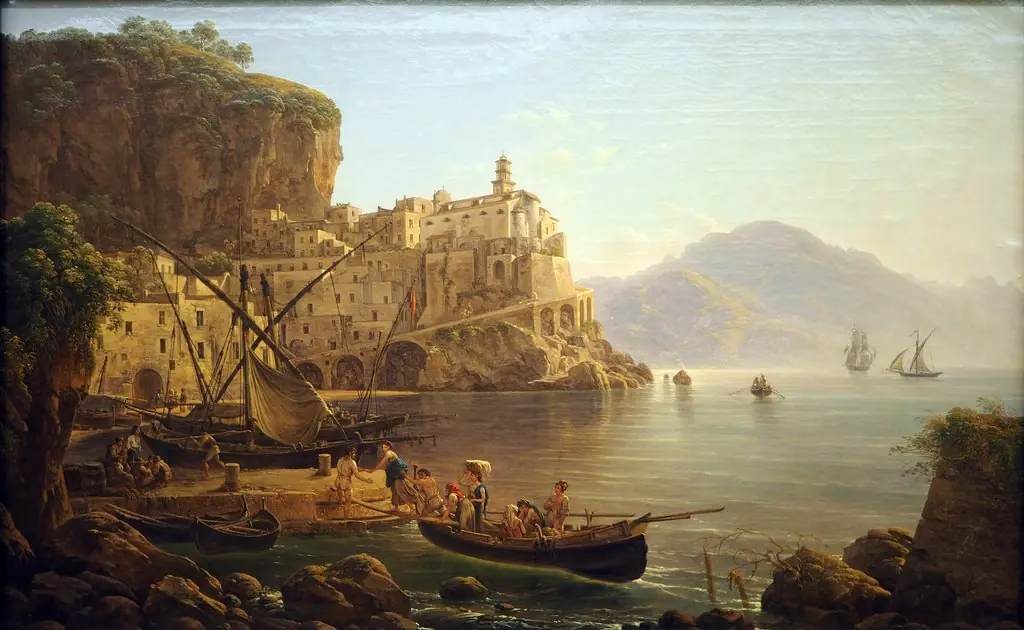 View of Atrani near Amalfi
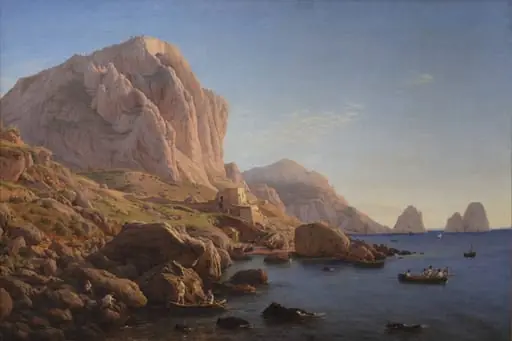 A Rocky Coast, Capri. After Sunrise
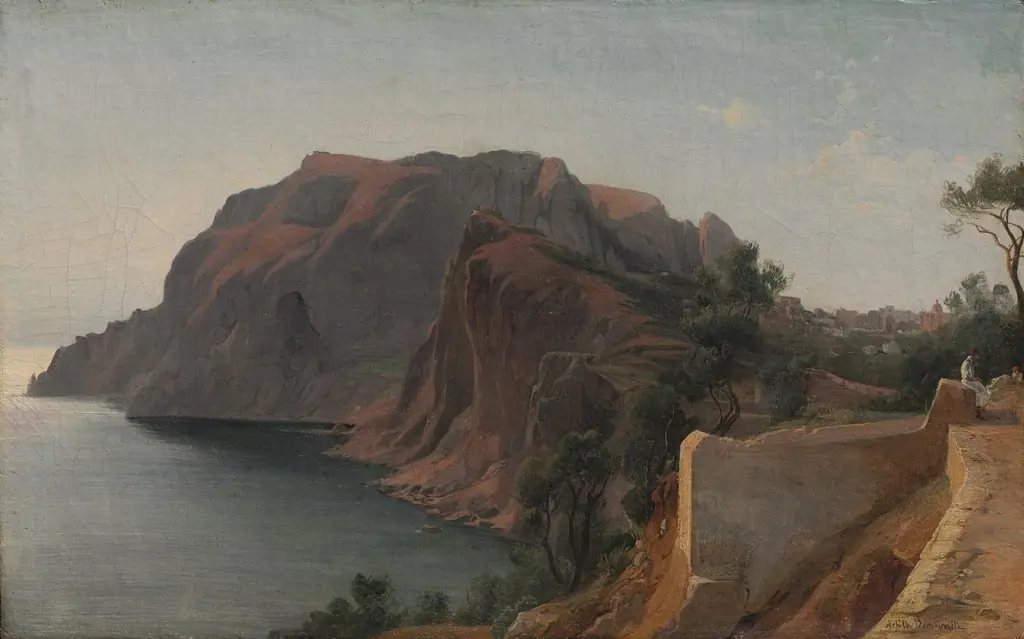 Capri
Capri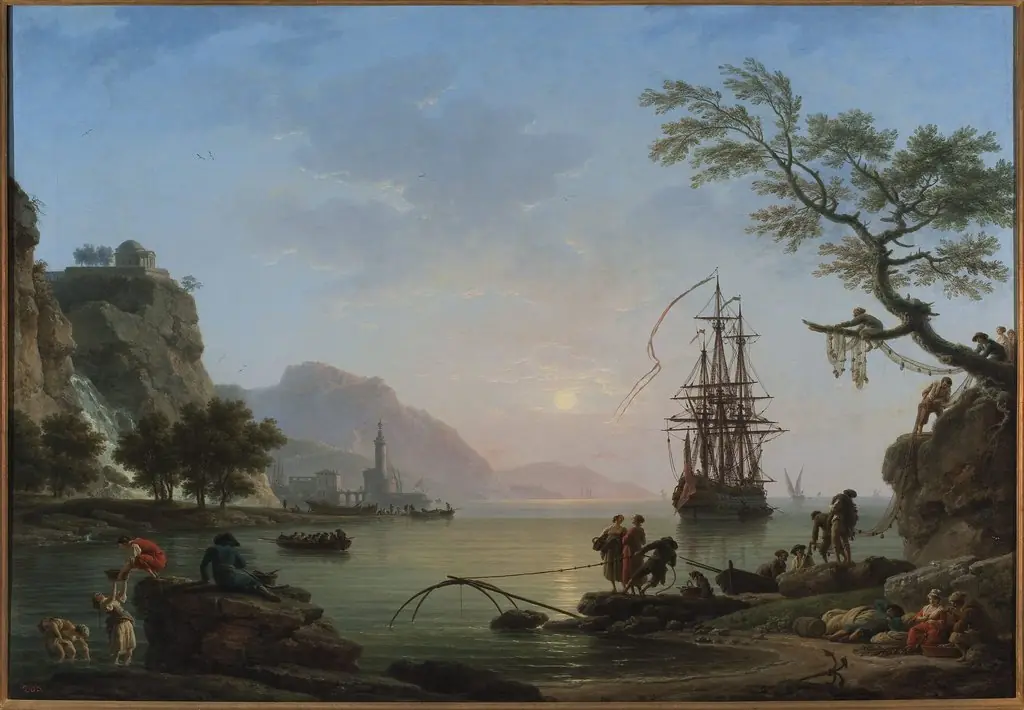 Fishing port at dawn (Morning)
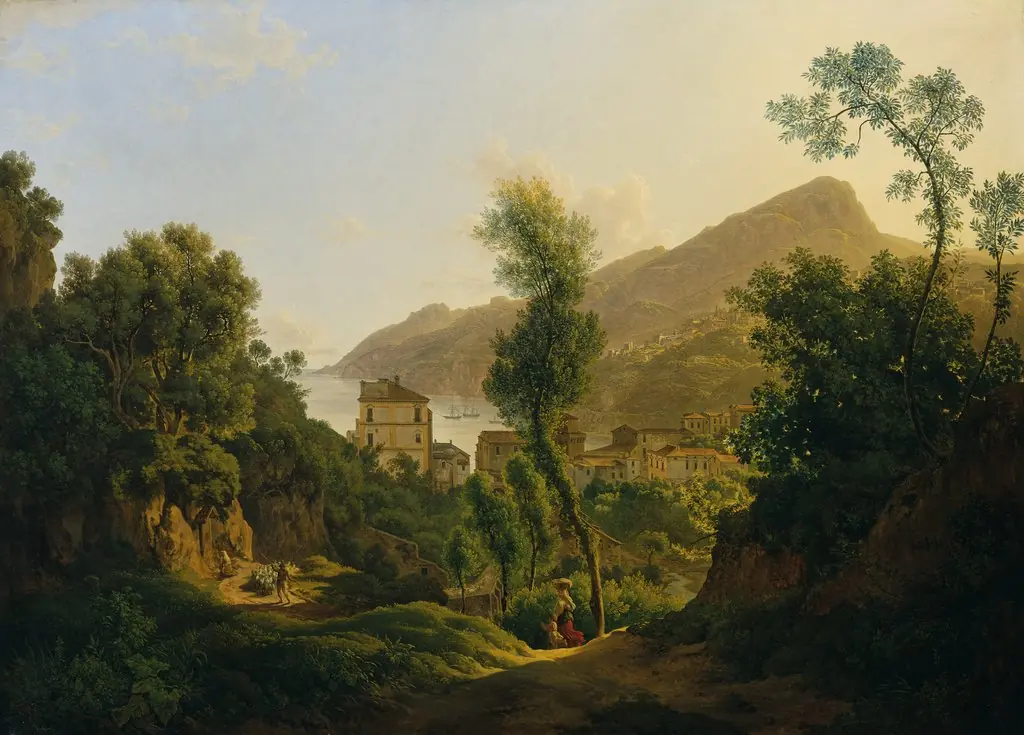 View of the Town of Vietri with a View of the Gulf of Salerno
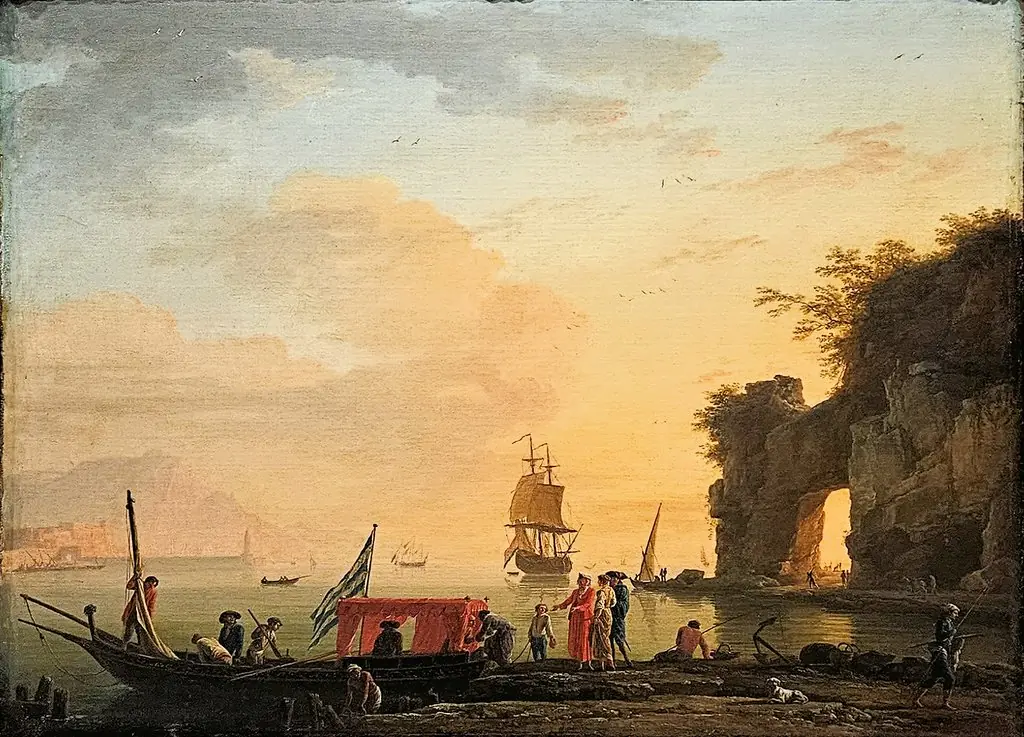 Bay of Naples
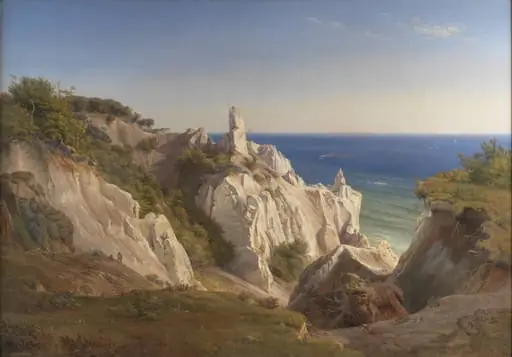 The Cliffs of the Island of Møn
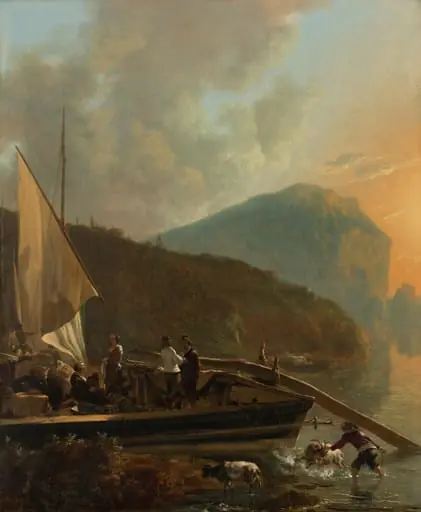 Italiaans rivierlandschap
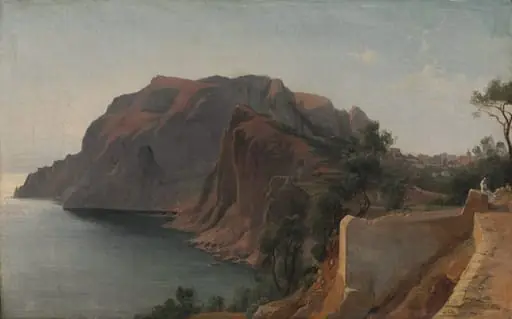 Capri
Capri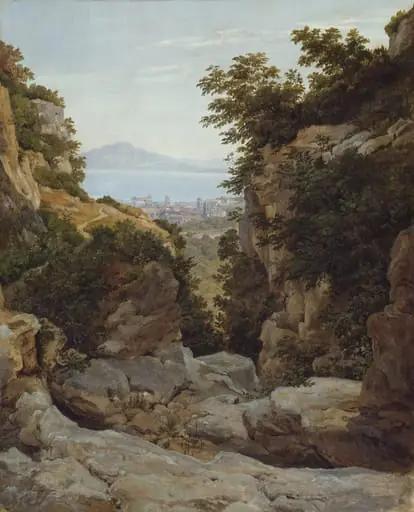 Italian Landscape
 View of Cap d'Entifer in Etretat, Normandy
 The Cliffs of the Island of Møn