Artwork
Das Glurnsertal mit der Etsch in Tirol
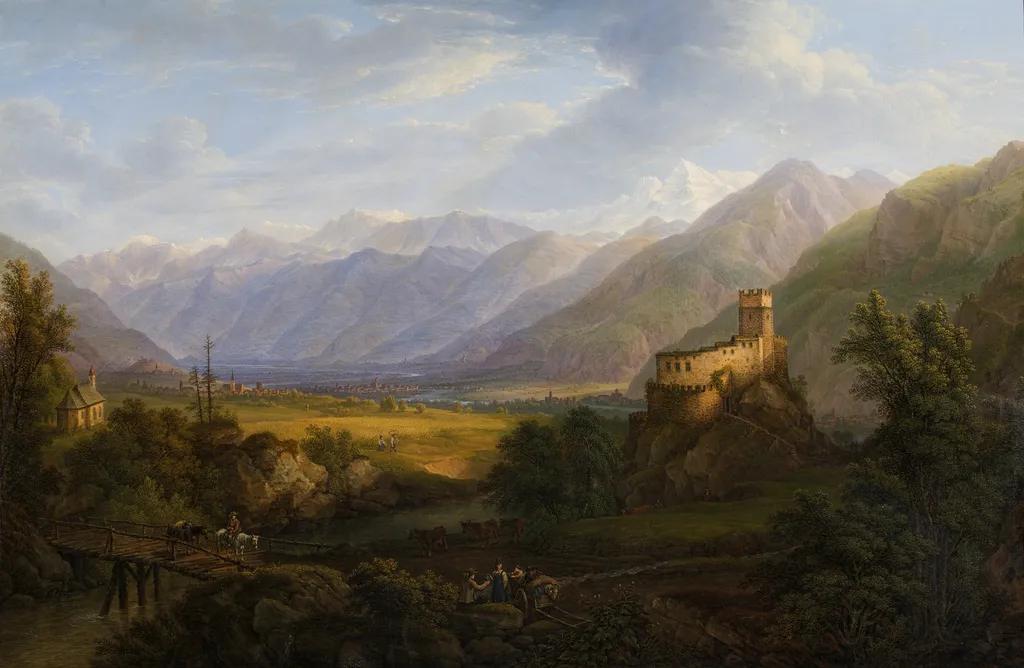
Das Glurnsertal mit der Etsch in Tirol is an oil painting by Ferdinand Runk. It dates from 1809 and is held in the collection of the Kunsthistorisches Museum.
About this work
Overview
Runk, trained as a draftsman and etcher, brought precision to his painted scenes, blending observation with a quiet sense of order.
Ferdinand Runk, active in the late 18th and early 19th centuries, painted this oil landscape around 1809, capturing a valley in the Tyrolean region now known as Vinschgau. The work belongs to the Kunsthistorisches Museum’s collection and reflects his focus on alpine topography. Runk, trained as a draftsman and etcher, brought precision to his painted scenes, blending observation with a quiet sense of order.
Subject & Meaning
The painting portrays the Glurnser Valley along the Etsch River, with a stone bridge, a distant castle, and rolling mountains framing the scene. Human figures—travelers on foot and horseback—introduce scale and quiet activity without dominating the landscape. The composition suggests a harmonious coexistence between settlement and nature, reflecting contemporary ideals of pastoral life in the Alpine regions.
Technique & Style
Runk employed visible, deliberate brushwork to render textures in foliage, water, and stone. Layers of oil paint build subtle atmospheric depth, with cool greens and muted blues guiding the eye from foreground to distant peaks. Light falls evenly, avoiding dramatic contrasts, which reinforces the calm, observational tone. His technique balances topographical accuracy with a lyrical sensitivity to natural form.
History & Provenance
Created during Runk’s mature period, the painting entered the Kunsthistorisches Museum’s holdings in the 19th century, likely through imperial or aristocratic acquisition. Its preservation reflects the Habsburg court’s interest in documenting regional landscapes. No significant alterations or restorations are recorded, and the work remains in its original condition.
Context
Runk worked amid a broader European interest in topographical painting, influenced by Enlightenment-era surveying and travel. His depictions of the Tyrol aligned with growing cultural attention to Alpine regions as sites of natural beauty and national identity. Unlike Romantic exaggerations, his approach remained restrained, favoring measured observation over emotional intensity.
Legacy
Though not widely known outside Austria and Germany, Runk’s work contributes to the archive of early 19th-century Alpine landscape documentation. His paintings serve as historical records of regional geography and settlement patterns. Scholars value his consistent style and attention to detail, which distinguish him from more theatrical contemporaries.
Own this work as a print
Artist & collection
Artist
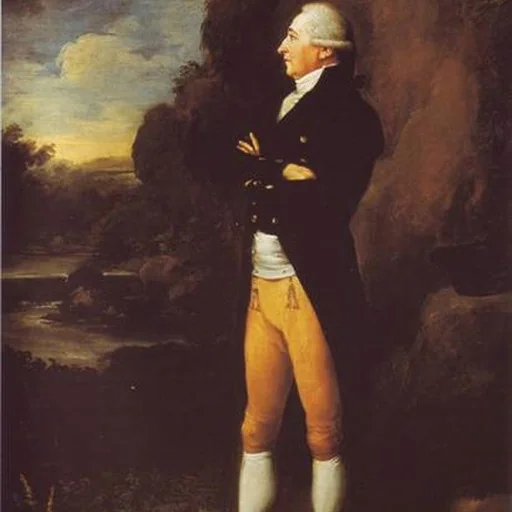
Ferdinand Runk (October 14, 1764 – December 3, 1834), also known as Franz Ferdinand Runk, was a German-Austrian landscape painter, draftsman and etcher.

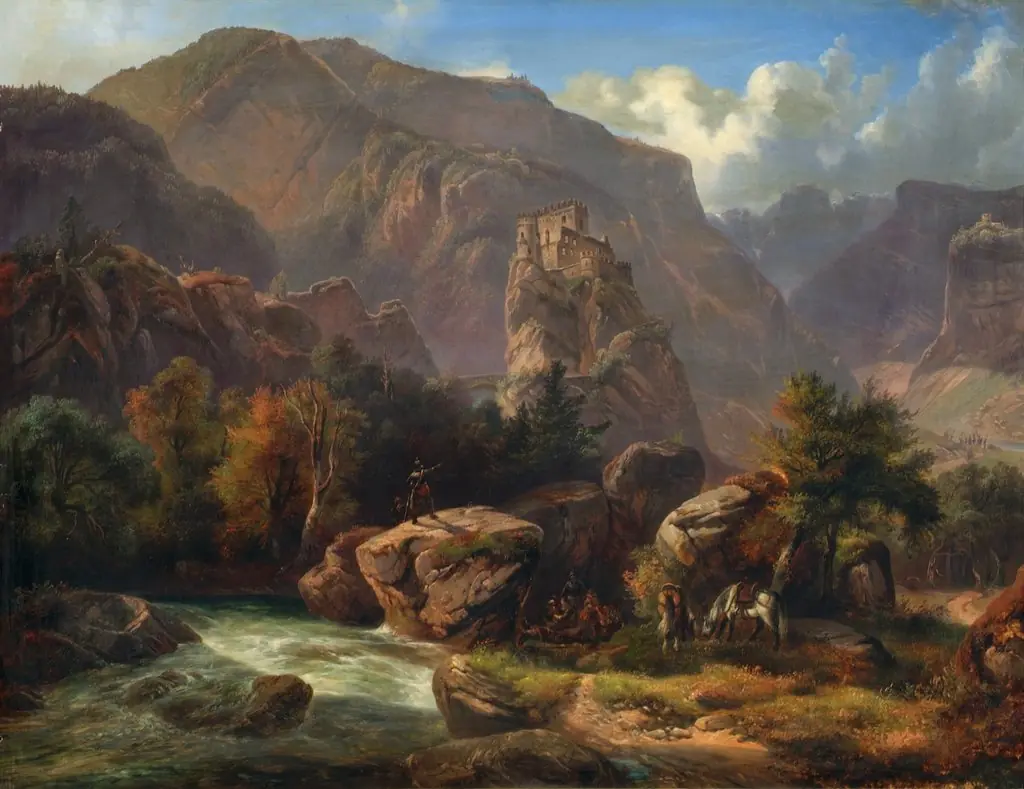 Schloss Salurn in Südtirol
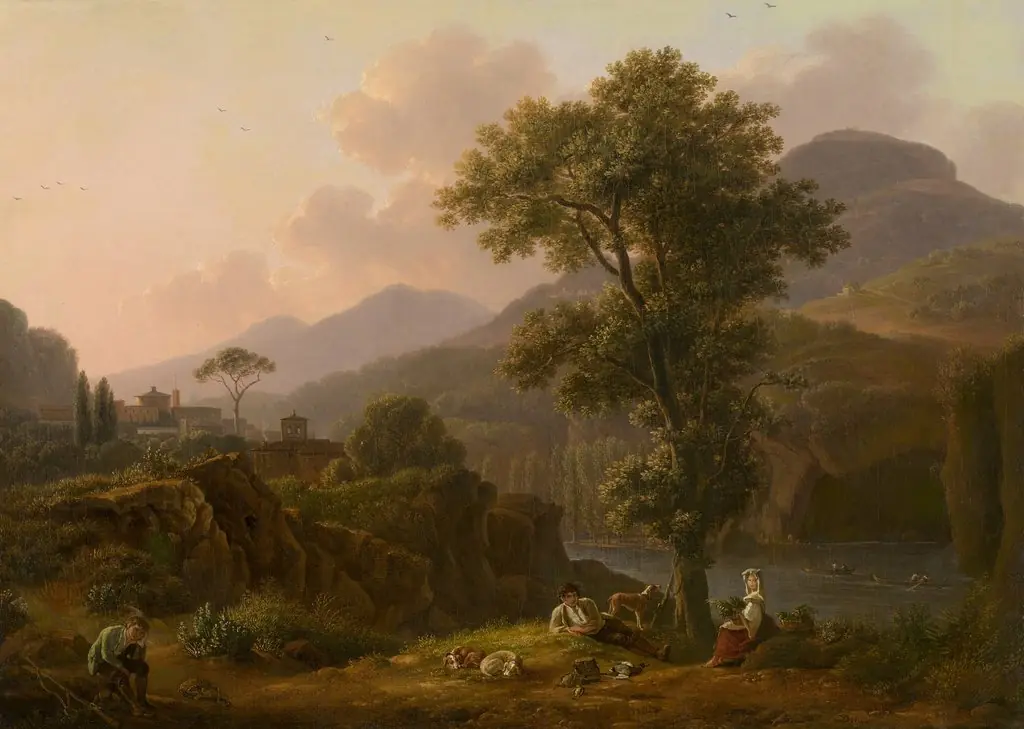 Italian Landscape
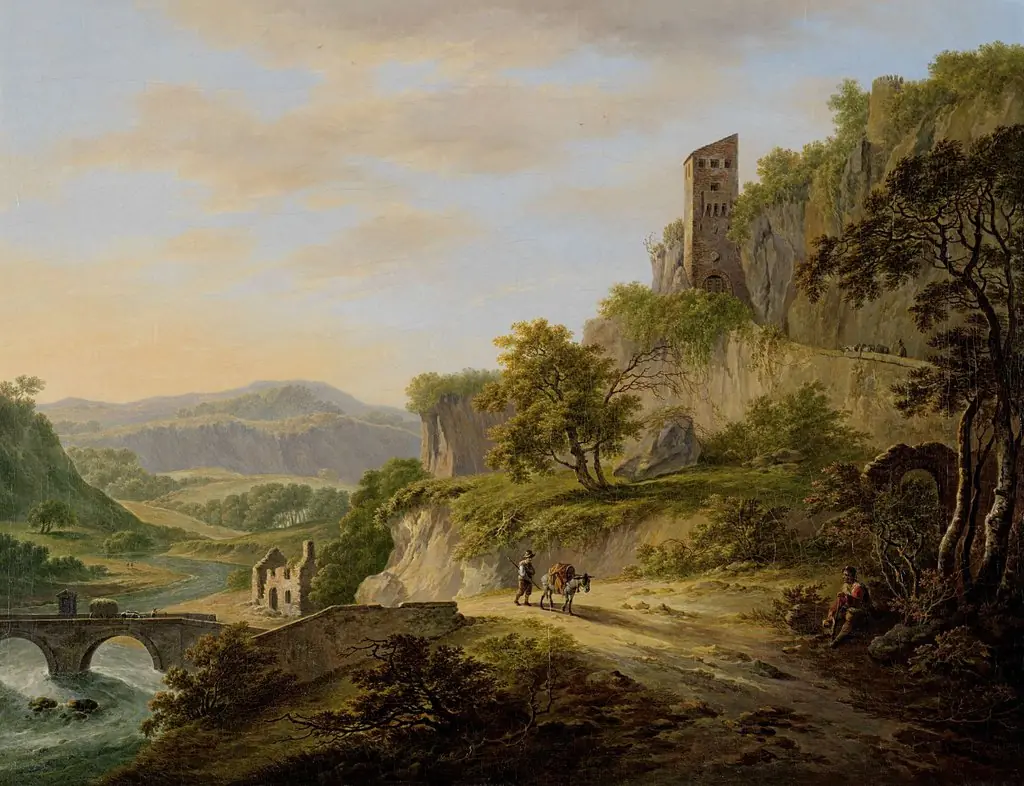 Gezicht op Civita Castellana
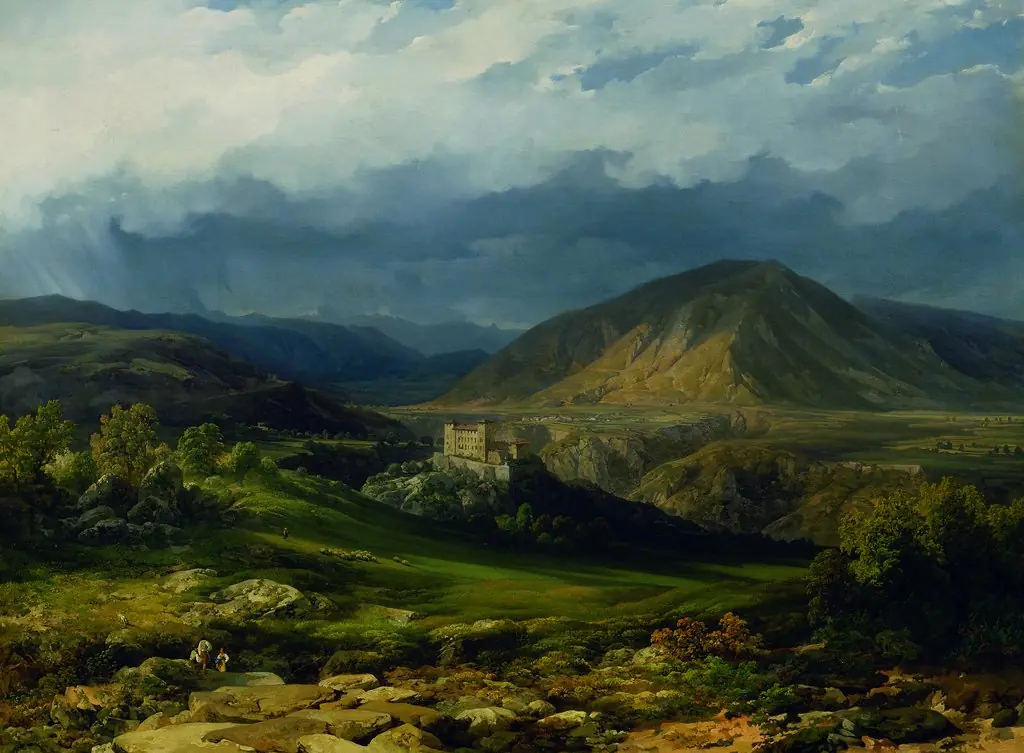 Schloss Cles im Nonntal in Südtirol
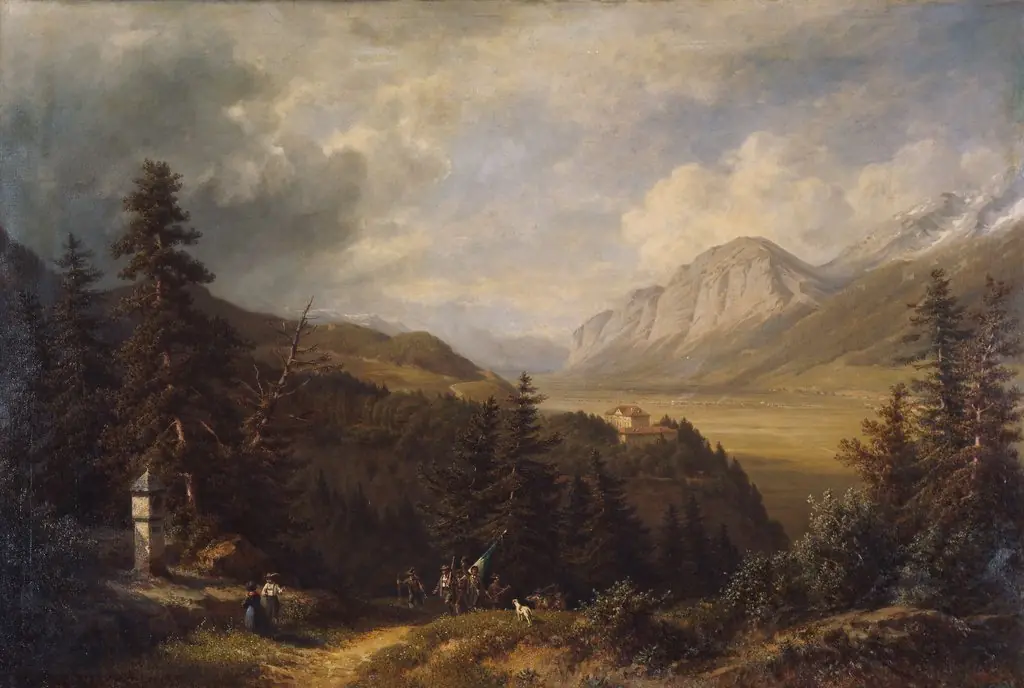 Bergisel
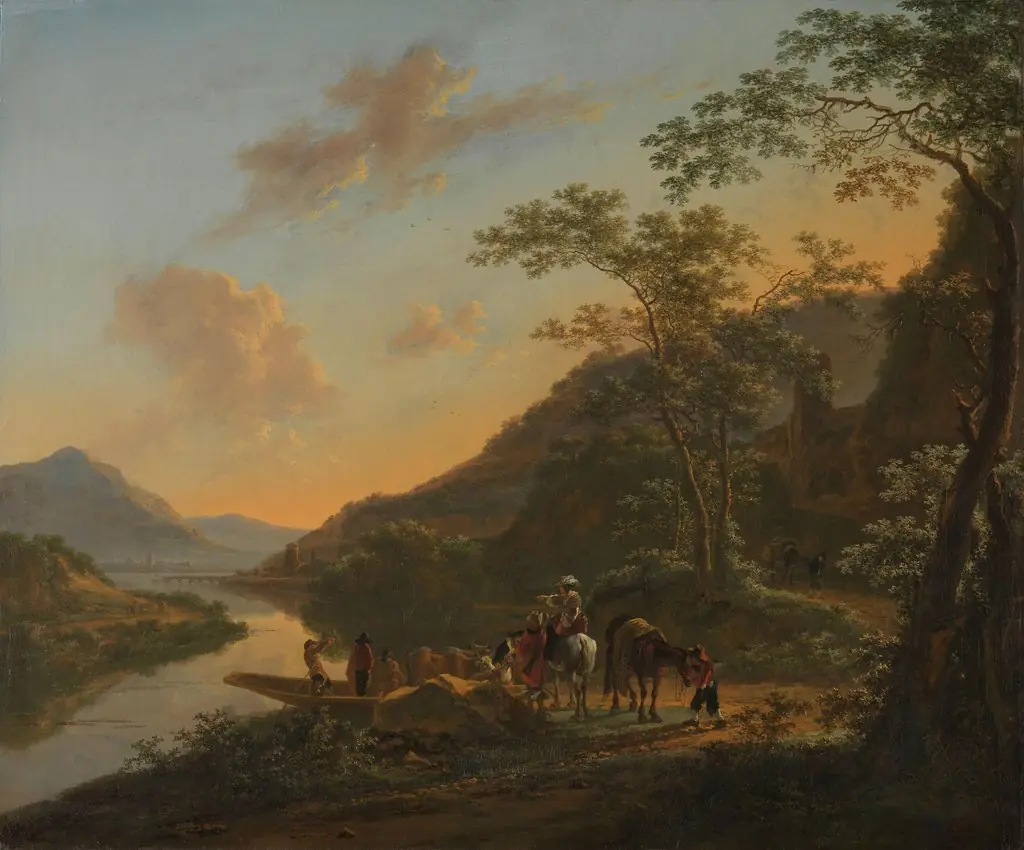 Italian Landscape with Ferry
 Italiaans landschap met overzetveer
 The Lake of Zurich
 Gebirgslandschaft mit Burganlage
 Landschaft mit Bergsee
 Welsh landscape with animals
 Waldige Berglandschaft mit Ruine