Artwork
Landscape
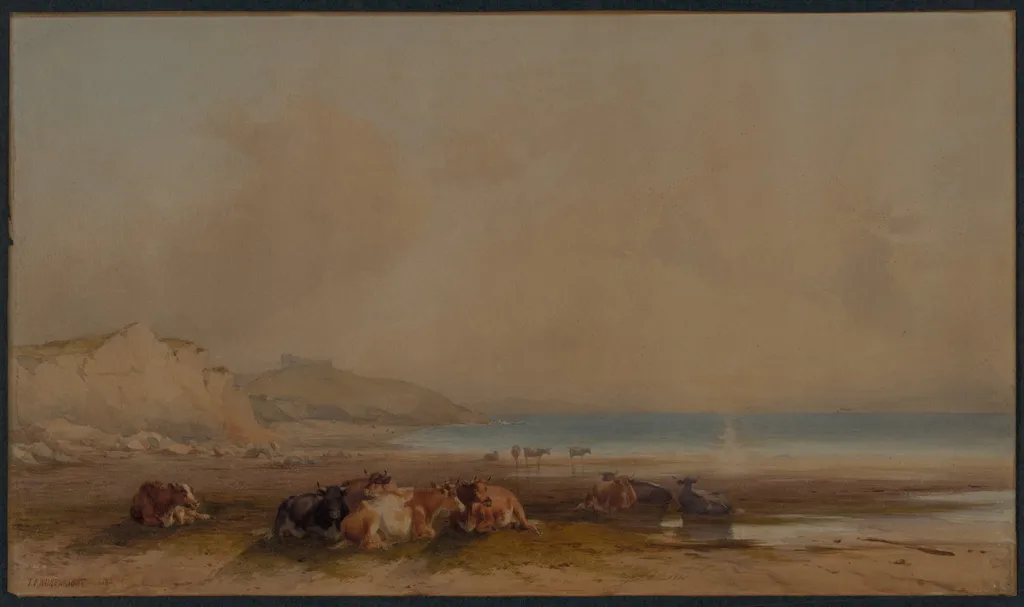
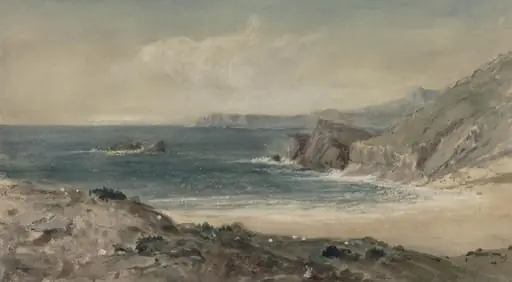
Landscape is a drawing by the Impressionist artist Thomas Francis Wainwright. It is held in the collection of the Cleveland Museum of Art.
About this work
Overview
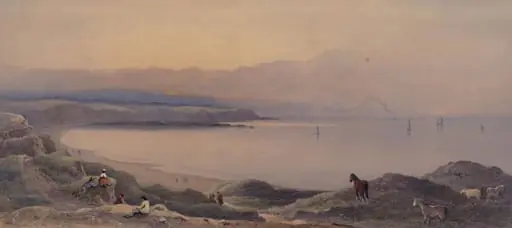
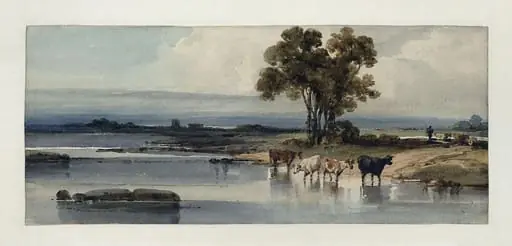
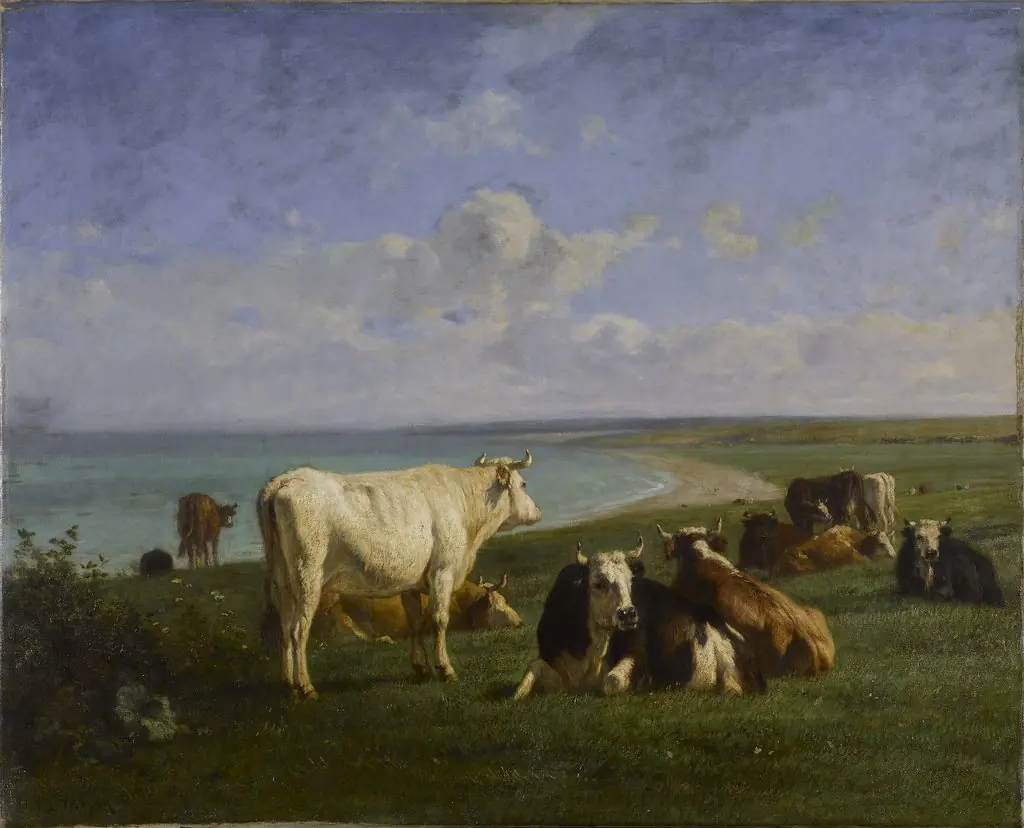
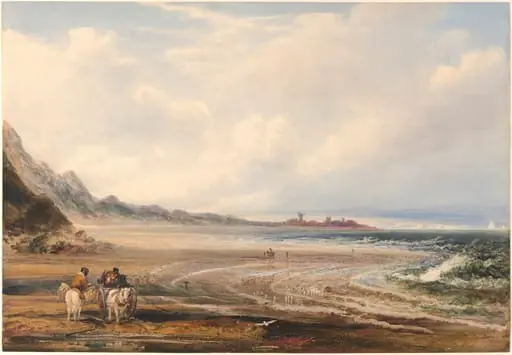
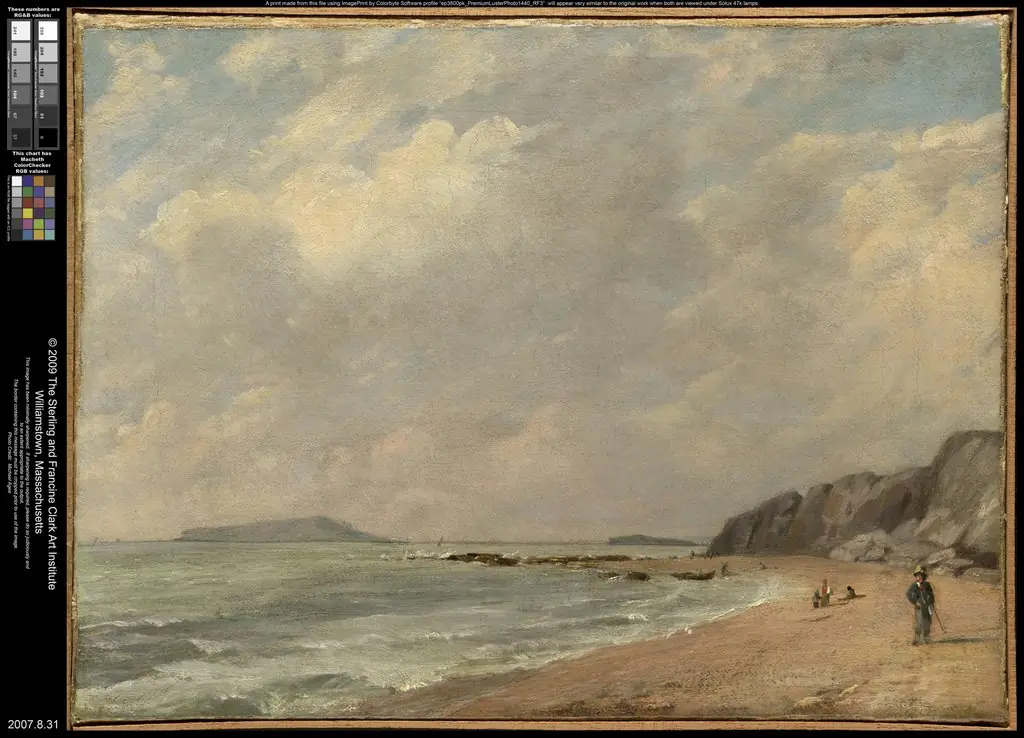
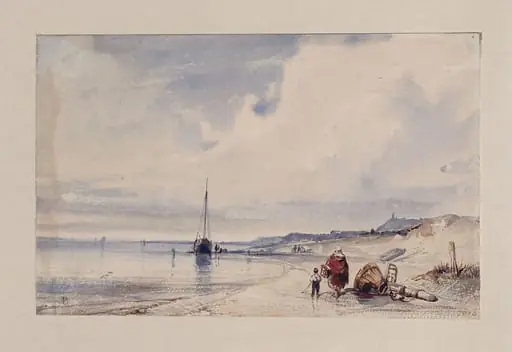
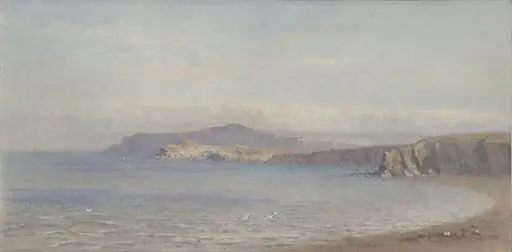
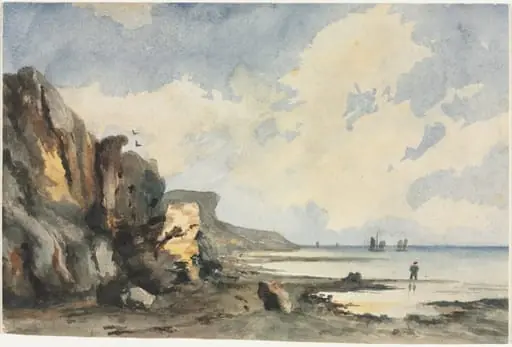
Created in 1885 by Thomas Francis Wainwright, this drawing depicts a tranquil coastal scene. It is part of the collection at The Cleveland Museum of Art. The work captures a quiet moment on a beach, where cattle rest near the shoreline under a muted sky. The composition emphasizes stillness and natural observation, reflecting the artist’s interest in ordinary rural life.
Subject & Meaning
The scene portrays a herd of cattle, rendered in varying shades of brown and gray, resting peacefully along a narrow stretch of shore. The calm sea and hazy horizon suggest a moment of pause in the daily rhythm of pastoral life. No human figures are present, directing focus to the animals and environment as subjects worthy of quiet contemplation.
Technique & Style
Wainwright employed loose, fluid strokes to suggest atmospheric effects rather than define forms precisely. The sky and waves are rendered with minimal detail, using soft transitions to convey light and movement. This approach aligns with observational drawing practices of the time, prioritizing immediacy and mood over polished finish.
History & Provenance
The work was completed in 1885 and entered the collection of The Cleveland Museum of Art at an unspecified later date. Its history prior to museum acquisition is not documented in available records. As a drawing rather than a painting, it reflects the artist’s practice of sketching directly from nature, a common habit among 19th-century realist artists.
Context
In the late 19th century, artists increasingly turned to everyday rural scenes as subjects, rejecting idealized narratives in favor of direct observation. Wainwright’s depiction of cattle on a beach aligns with this Realist tendency, emphasizing the unembellished beauty of ordinary landscapes and the quiet labor of agricultural life.
Legacy
Though not widely exhibited or reproduced, the drawing contributes to a broader understanding of Wainwright’s engagement with naturalism. It exemplifies how lesser-known artists of the period contributed to the documentation of American and British rural environments through intimate, unpretentious studies.
Own this work as a print
Artist & collection