Artwork
Richard Grenville, 2nd Earl Temple
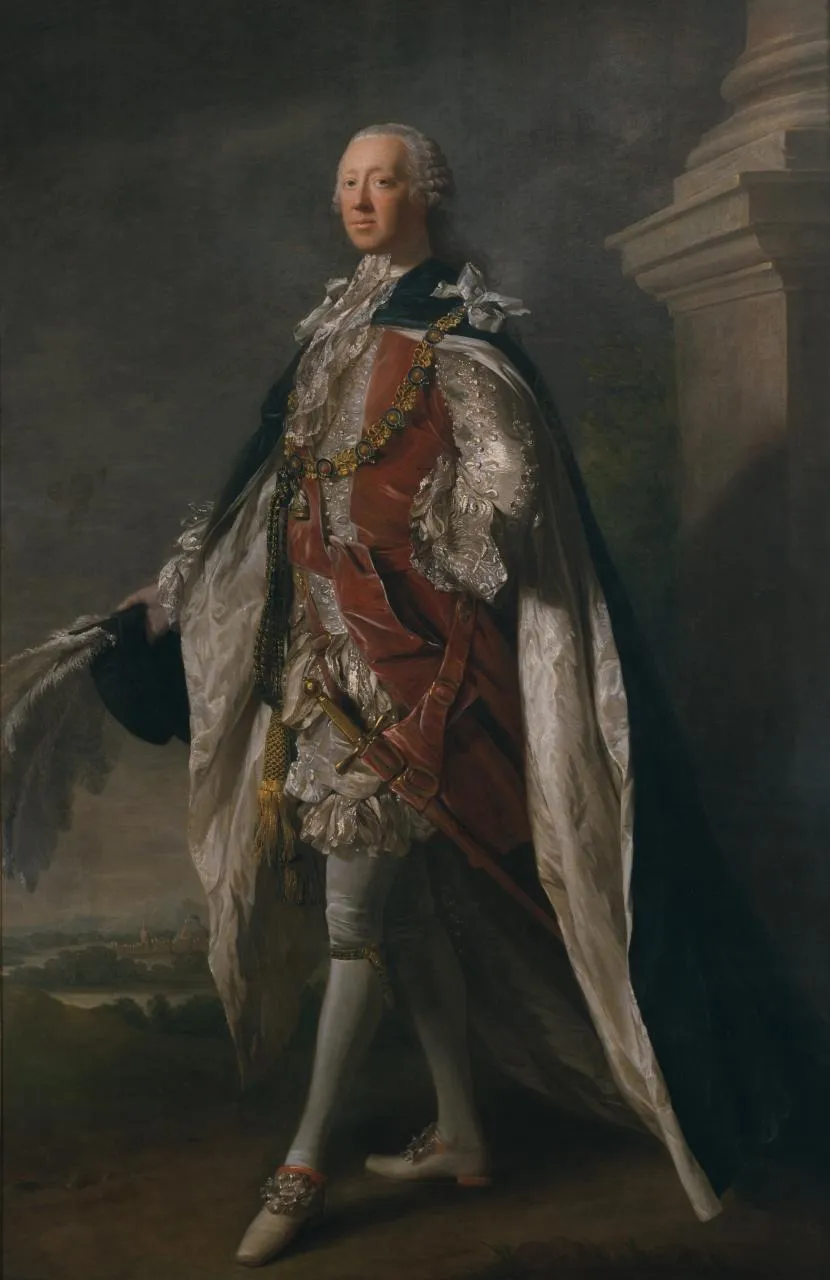
Richard Grenville, 2nd Earl Temple is an oil painting by the Rococo painting artist Allan Ramsay. It dates from 1762 and is held in the collection of the National Gallery of Victoria.
About this work
Overview
The work is part of the National Gallery of Victoria’s collection and exemplifies Ramsay’s skill in portraying aristocratic subjects with quiet dignity.
Painted in 1762 by Allan Ramsay, this oil portrait captures Richard Grenville, 2nd Earl Temple, a British nobleman and political figure. The work is part of the National Gallery of Victoria’s collection and exemplifies Ramsay’s skill in portraying aristocratic subjects with quiet dignity. Its composition and attention to fabric and texture reflect the conventions of mid-18th-century British portraiture.
Subject & Meaning
The subject, Richard Grenville-Temple, is depicted not in full regalia but in a refined, semi-formal ensemble that suggests both status and restraint. His pose, holding a feathered hat, conveys composure rather than grandeur. The inclusion of a classical column hints at Enlightenment ideals and cultivated taste, aligning the sitter with intellectual and political refinement rather than mere wealth.
Technique & Style
Ramsay employed fine brushwork to render the textures of the red velvet coat, gold embroidery, and silk shirt with precision. The dark, atmospheric background isolates the figure, drawing focus to his attire and expression. Subtle shifts in light define the contours of his form, while the muted landscape behind him avoids distraction, reinforcing the portrait’s restrained elegance and psychological presence.
History & Provenance
Commissioned during Temple’s active political career, the portrait remained within the Grenville family until entering public collection. It was acquired by the National Gallery of Victoria in the 20th century, where it now serves as a key example of British portraiture in an Australian institutional context. Its journey reflects broader patterns of art collection and colonial cultural exchange.
Context
Created during a period when British aristocrats sought to project cultivated identity through portraiture, the painting aligns with Ramsay’s broader practice of depicting sitters as thoughtful, composed individuals. The classical column and formal dress echo contemporary trends linking elite identity to antiquity and reason, reflecting the cultural values of the Georgian era.
Legacy
Ramsay’s portrait of Temple stands as a representative work of his mature style, admired for its balance of realism and decorum. While not widely reproduced, it remains a significant reference in studies of 18th-century British portraiture, illustrating how personal identity and social standing were visually negotiated through dress, setting, and pose.
Artist & collection

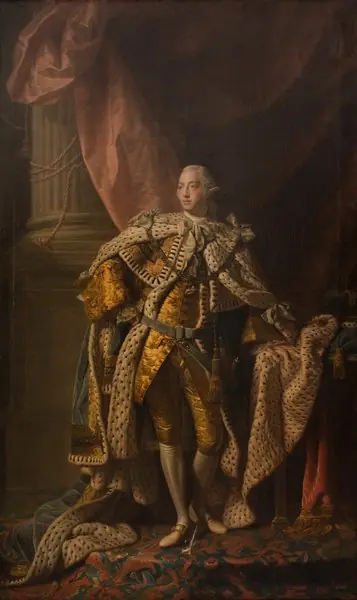 George III of England
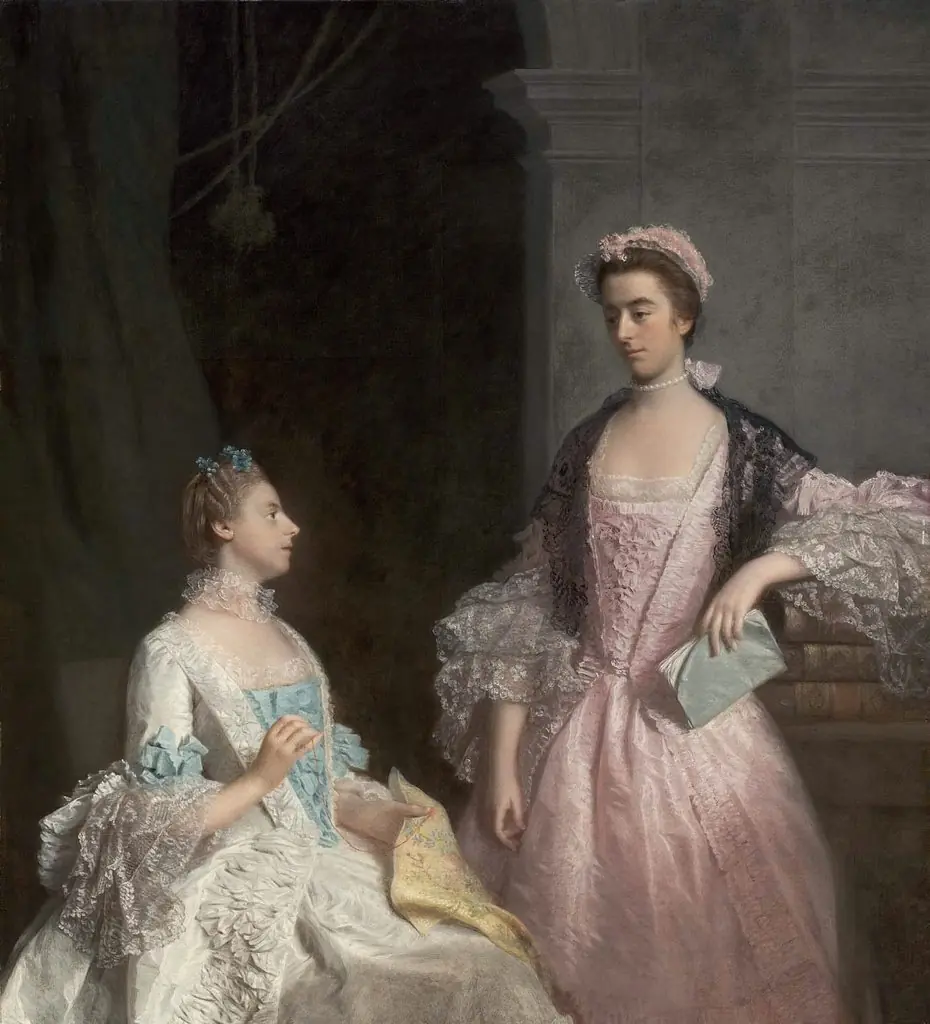 Portrait of Horace Walpole's Nieces: The Honorable Laura Keppel and Charlotte, Lady Huntingtower
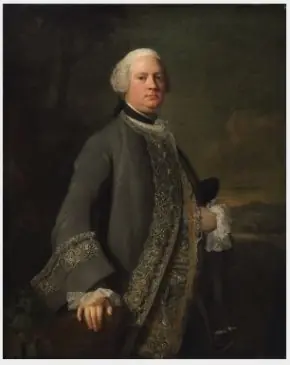 Portrait of Sir John Tyrell, Bt.
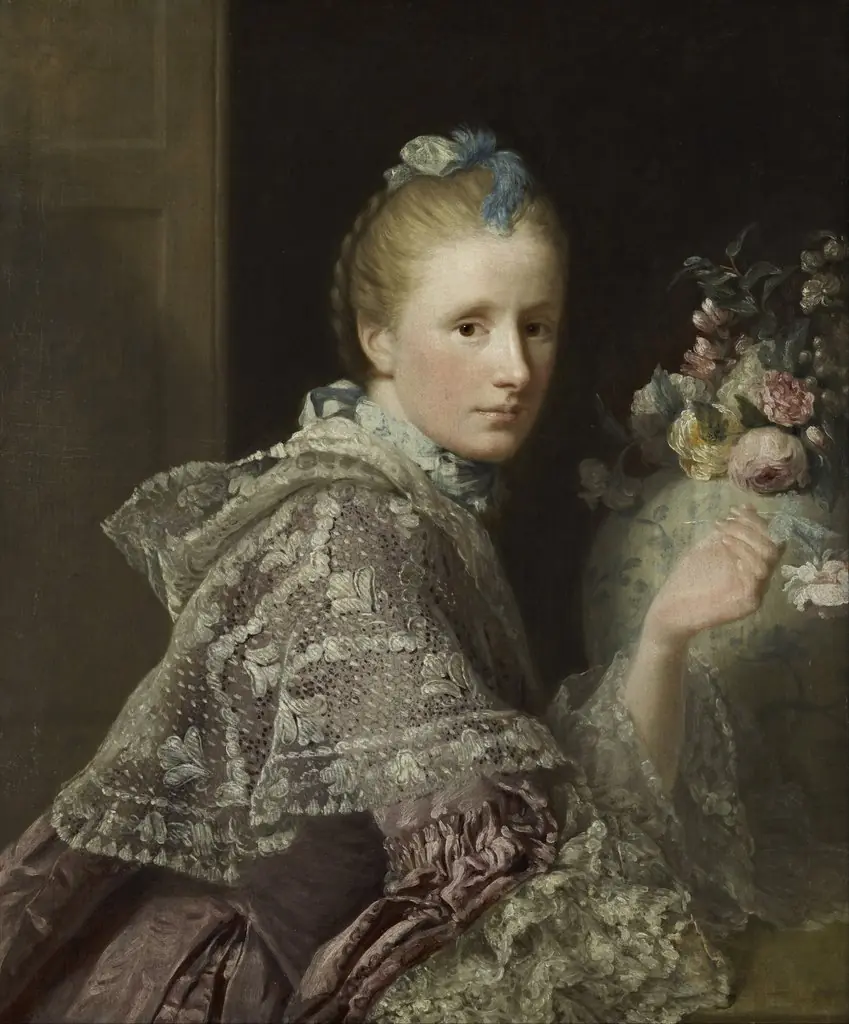 The Artist's Wife: Margaret Lindsay of Evelick
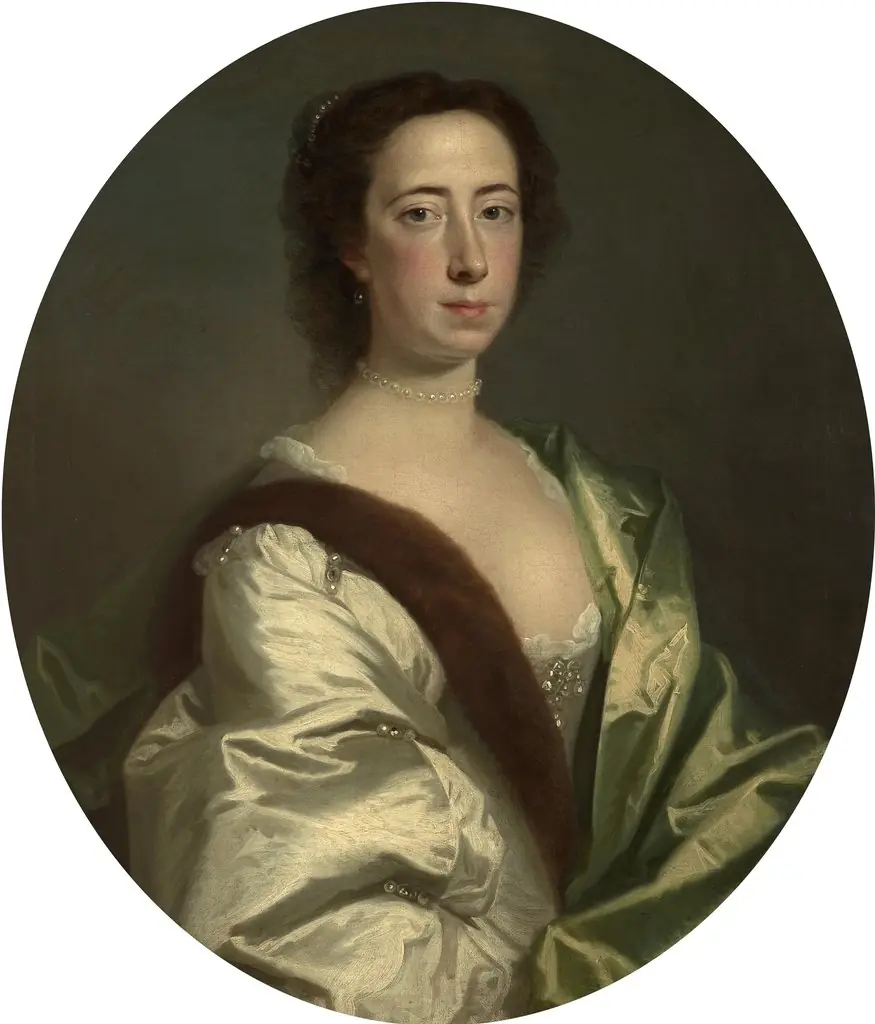 Lady Lucy Manners, Duchess of Montrose (1717 - 1788)
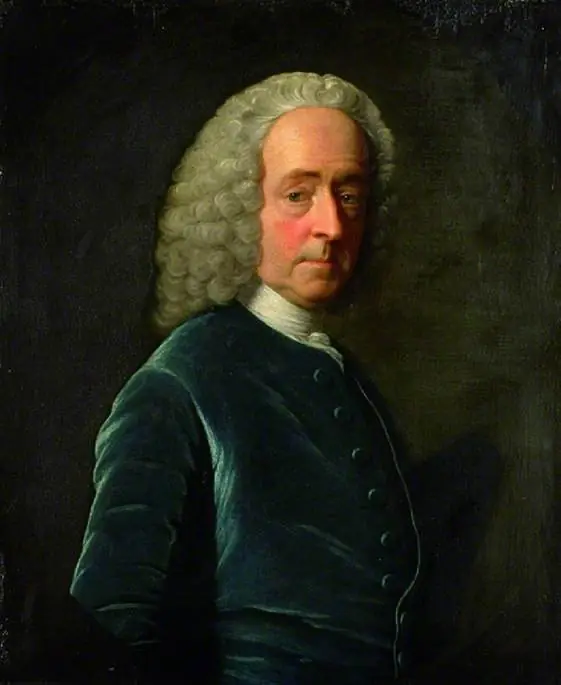 Portrait of James Haughton Langston
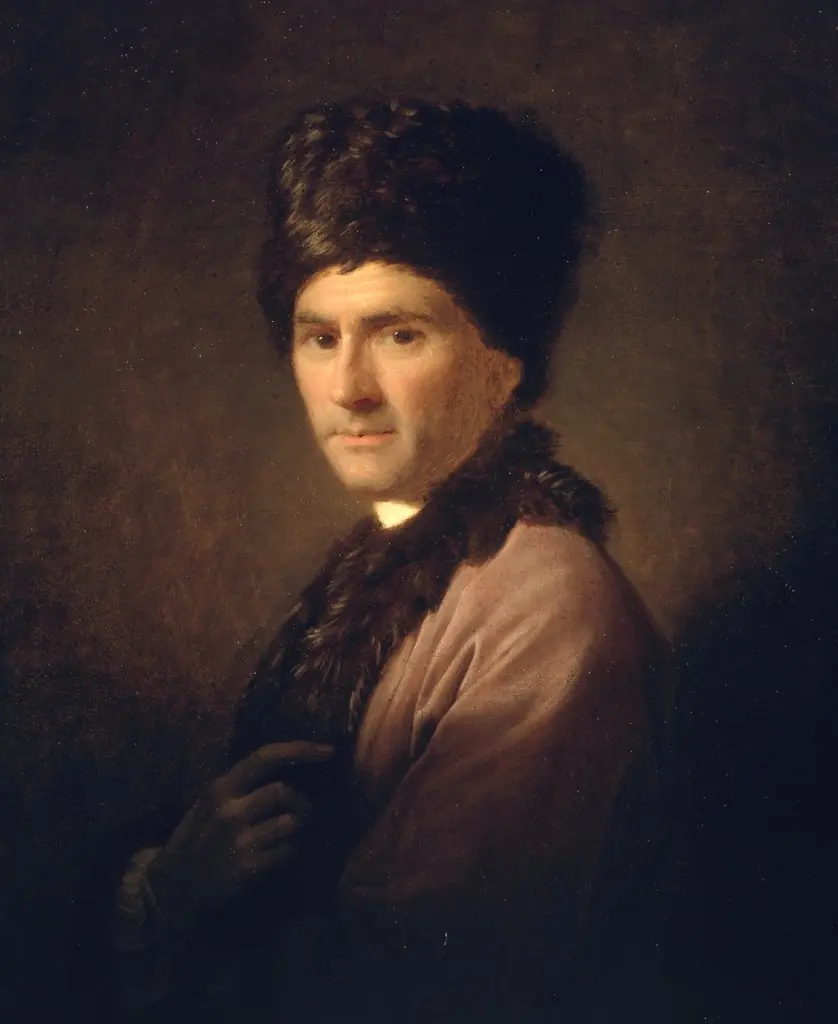 Jean-Jacques Rousseau
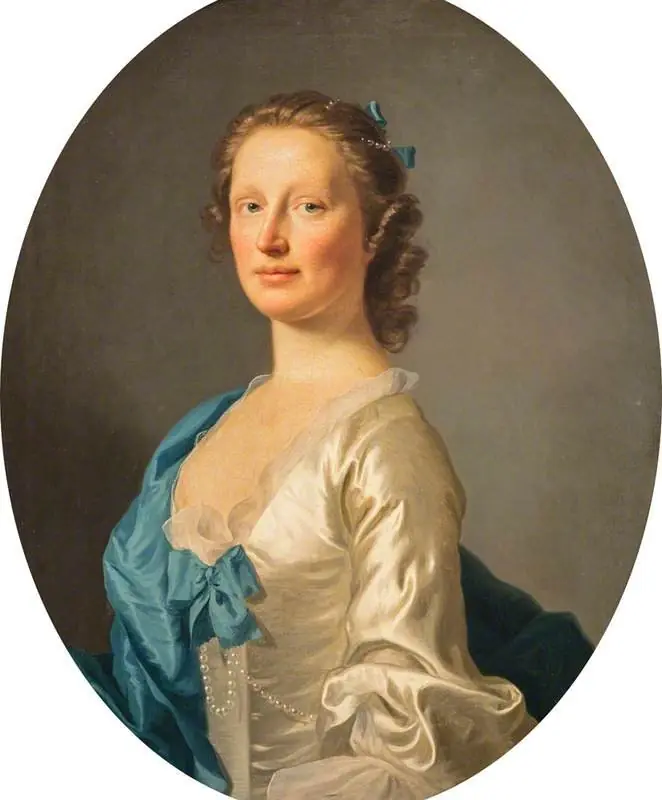 Portrait of a Lady, formerly called Flora Macdonald
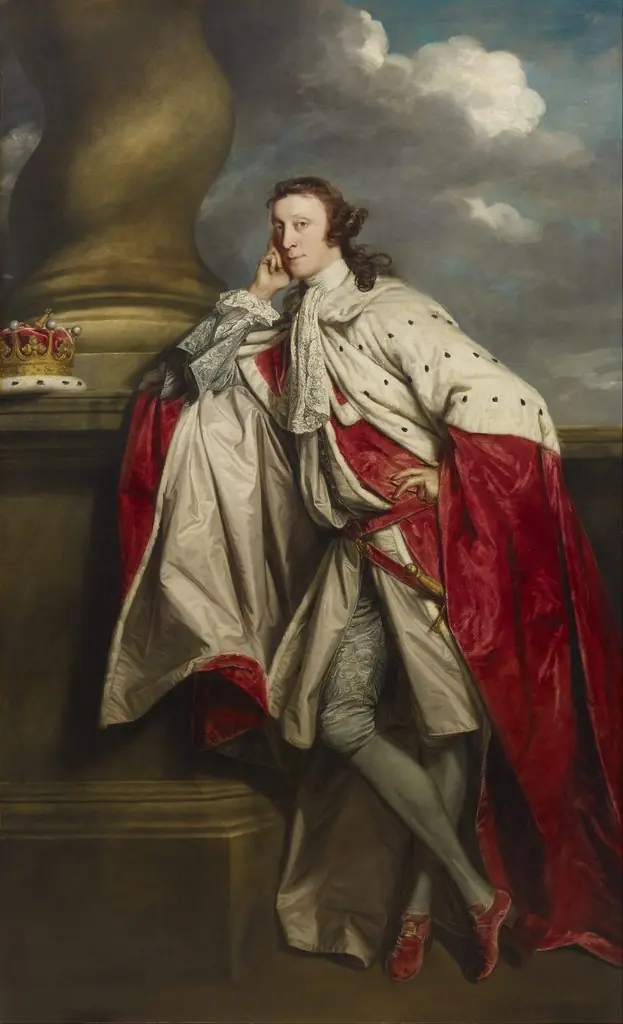 James Maitland, 7th Earl of Lauderdale
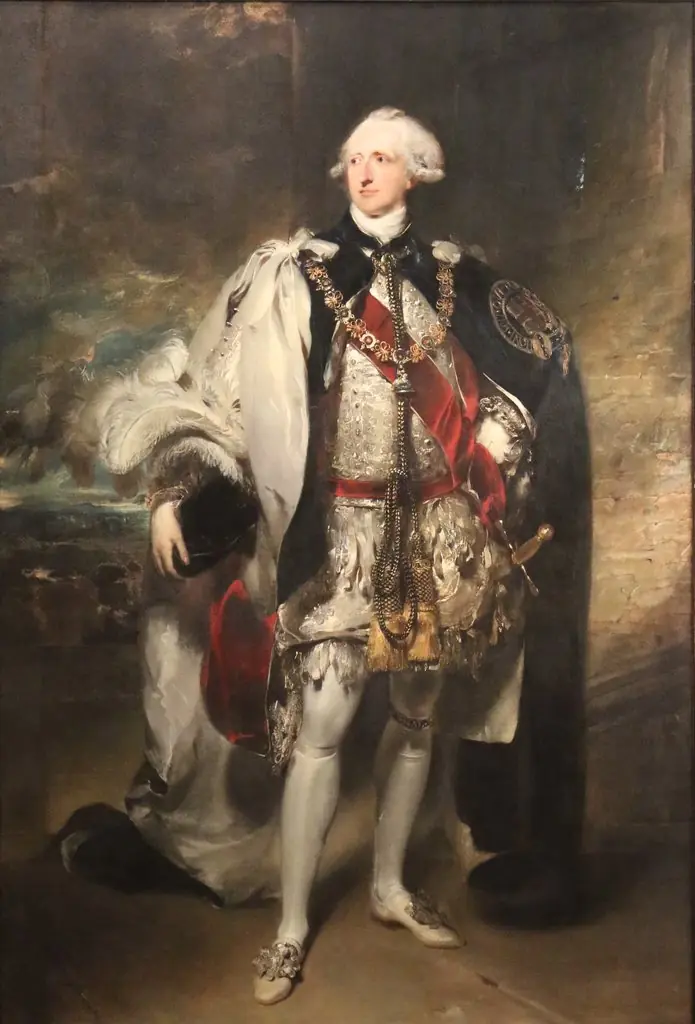 Francis Osborne, 5th Duke of Leeds
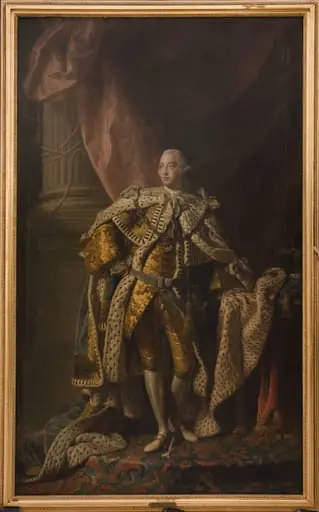 George III of England
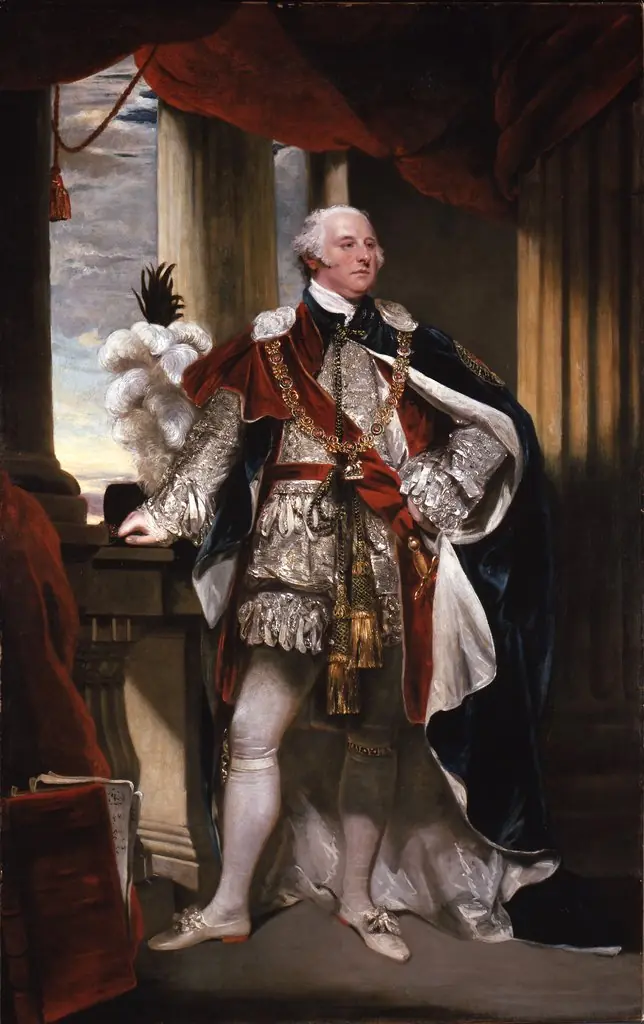 John Jeffreys Pratt, Second Earl and First Marquis Camden as Knight of the Order of the Garter
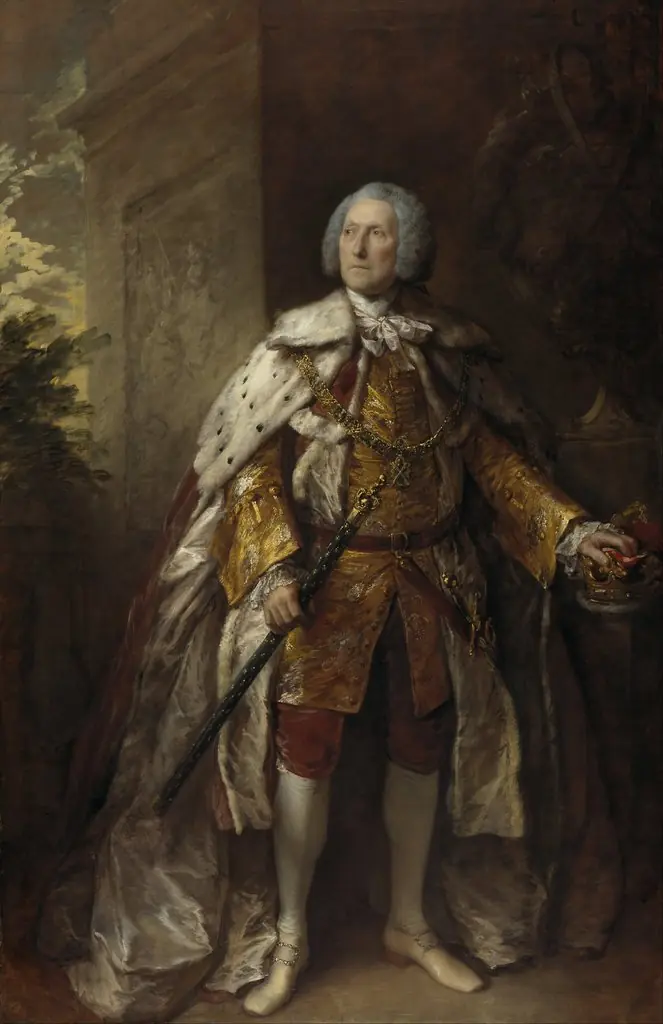 John Campbell, 4th Duke of Argyll
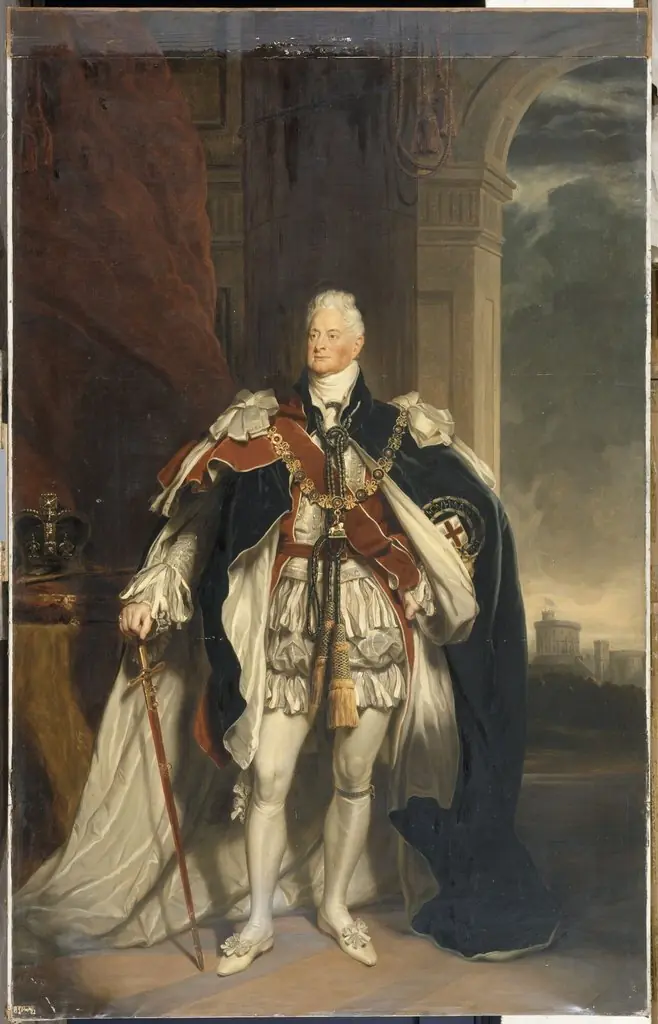 William IV, King of England (1765–1837)
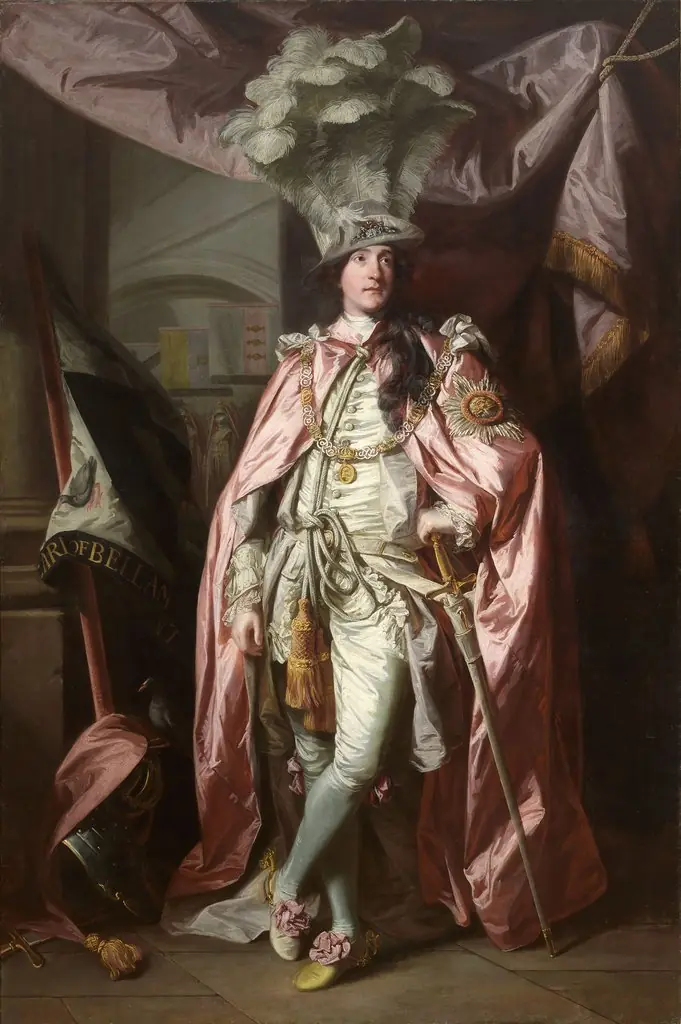 Portrait of Charles Coote, 1st Earl of Bellamont (1738-1800), in Robes of the Order of the Bath
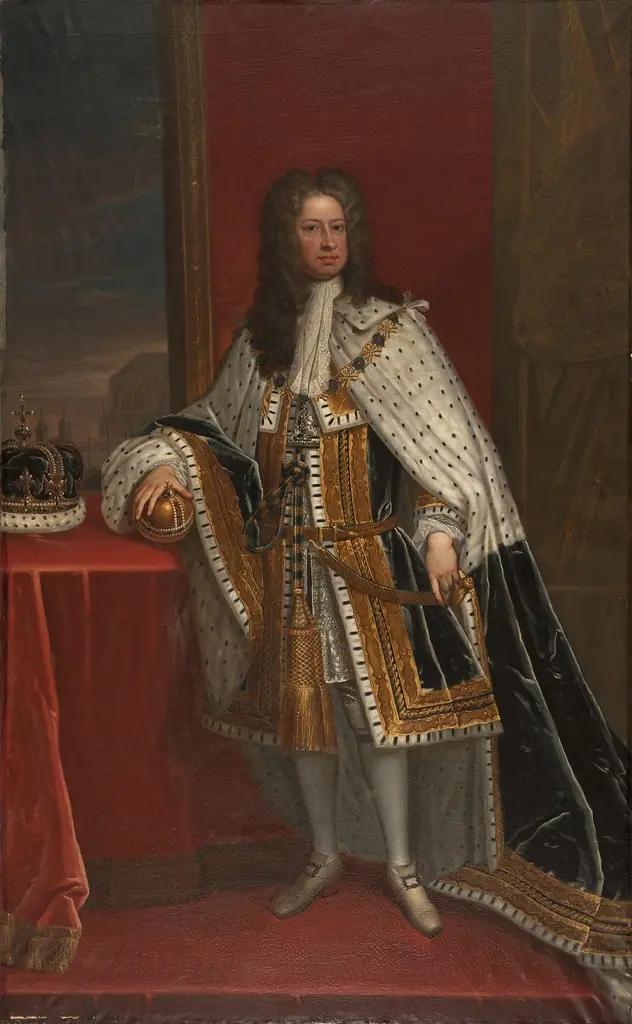 Georg I, 1660-1727, kung av England, kurfurste av Hannover
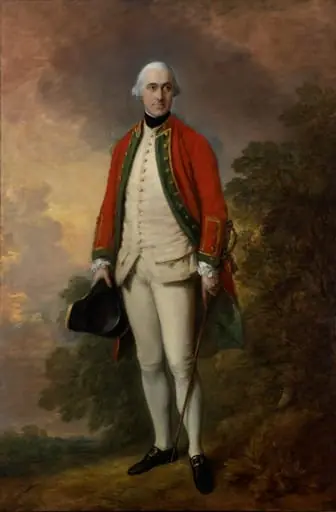 Portrait of George Pitt, First Baron Rivers