Artwork
Porte St Denis, Paris
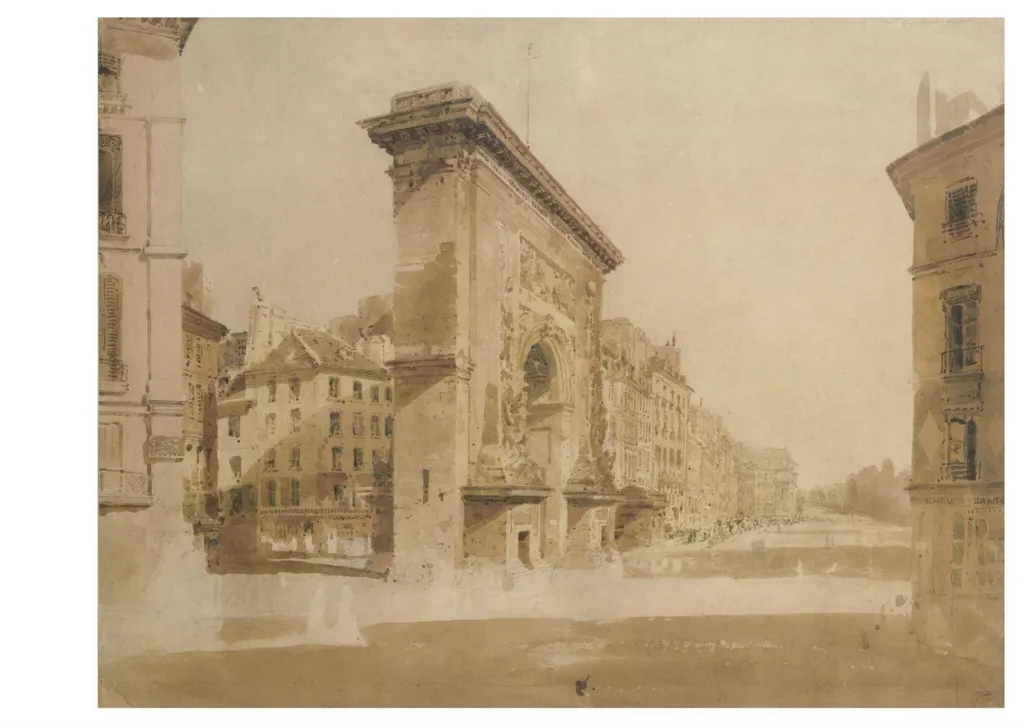
Porte St Denis, Paris is a watercolor work on paper by the Romanticist artist Girtin. It dates from 1802 and is held in the collection of the Victoria and Albert Museum.
About this work
Overview
Thomas Girtin created this watercolour in 1802, capturing the Porte Saint-Denis, a monumental arch built in the late 17th century to commemorate Louis XIV’s victories. The work is a modestly scaled study, typical of Girtin’s practice of recording urban architecture during his travels. Unlike finished exhibition pieces, this piece reflects direct observation, emphasizing atmosphere over detail.
Subject & Meaning
The Porte Saint-Denis, originally a ceremonial gateway, stands as a relic of royal propaganda repurposed into everyday urban fabric. Girtin frames it not as a monument but as part of lived space—flanked by residential buildings, with a river visible beyond. The scene suggests quiet continuity: ancient structure coexisting with ordinary life, without overt celebration or critique.
Technique & Style
His controlled spontaneity—visible in unfinished edges and muted tones—reflects a preference for atmospheric suggestion over precise rendering.
Girtin employs transparent watercolour washes to suggest texture and depth with minimal strokes. The sky and distant structures are left deliberately loose, allowing paper tone to imply light. Browns and greys dominate, with subtle greens hinting at foliage. His controlled spontaneity—visible in unfinished edges and muted tones—reflects a preference for atmospheric suggestion over precise rendering.
History & Provenance
This watercolour was made during Girtin’s brief visit to Paris in 1802, a period when he was refining his approach to topographical subjects. It likely served as a personal record rather than a commissioned work. After his death, it entered private collections and later found its way into institutional holdings, valued for its early example of British watercolour engagement with continental architecture.
Context
In early 19th-century Britain, watercolour was gaining recognition as a serious medium, moving beyond sketching into independent art. Girtin, alongside contemporaries like Turner, pushed its expressive limits. His Parisian views, including this one, reflect a growing interest among British artists in documenting foreign cities—not as exotic curiosities, but as complex, lived environments.
Legacy
Girtin’s approach to urban subjects influenced later generations of watercolourists who prioritized mood and light over topographical accuracy. This work exemplifies his role in shifting watercolour from a tool of documentation to a medium capable of conveying transient effects and quiet observation. Its restrained palette and open composition remain emblematic of his distinctive vision.
Artist & collection
Artist
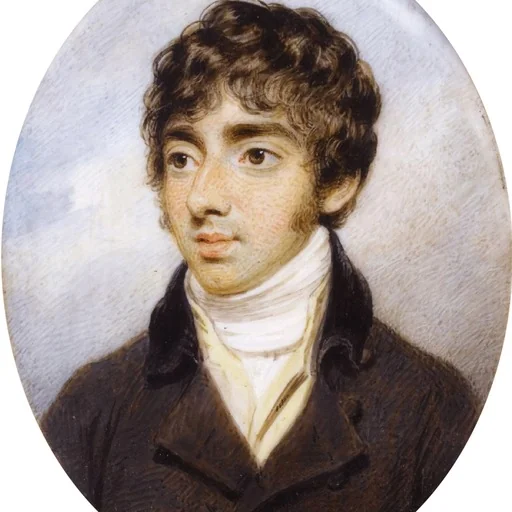
Thomas Girtin (18 February 1775 – 9 November 1802) was an English watercolourist and etcher. A friend and rival of J. M. W. Turner, Girtin played a key role in establishing watercolour as a reputable art form.

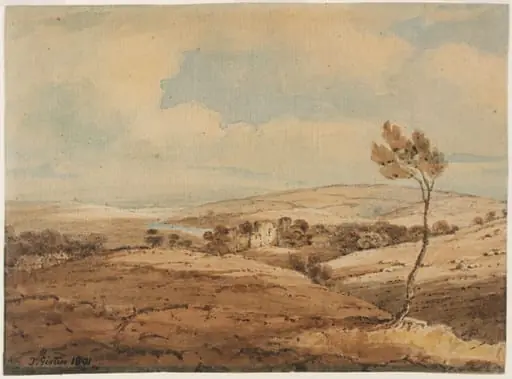
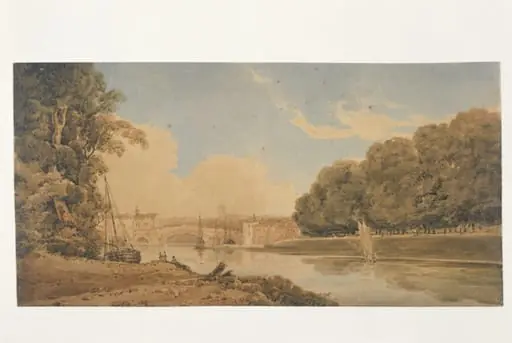
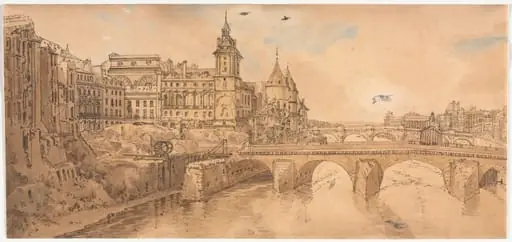 A Selection of Twenty of the Most Picturesque Views in Paris: View of Pont au Change, the City Theatre, Pont Neuf, Conciergerie Prison, and taken from Pont Notre Dame
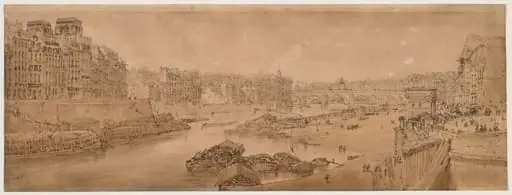 A Selection of Twenty of the Most Picturesque Views in Paris: View of the City with the Louvre taken from the Pont Marie
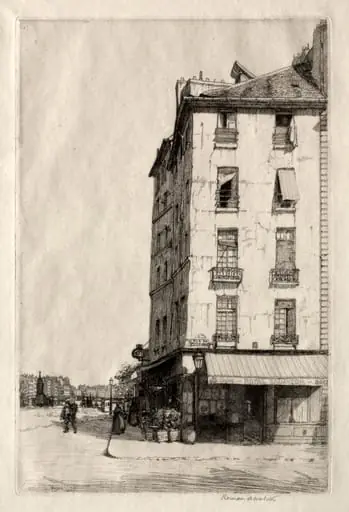 Quay Montebello
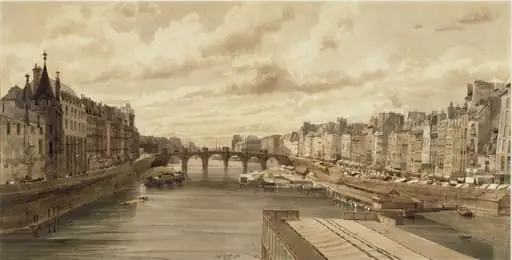 The Pont Neuf, Paris
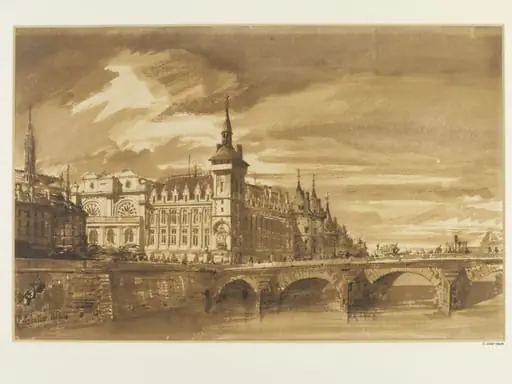 View of the Pont au Change and the Palais de Justice, Paris
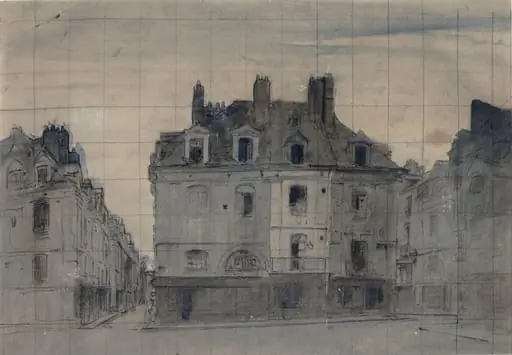 The Haunted House, Dieppe
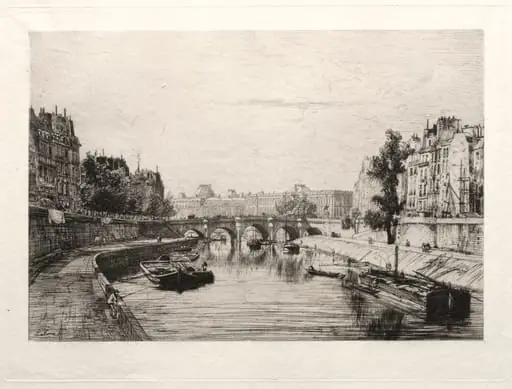 View from Pont St. Michel
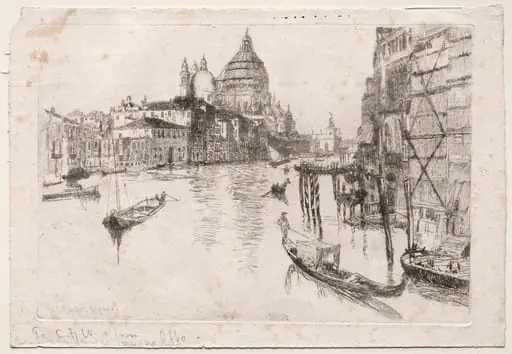 Entrance to Grand Canal
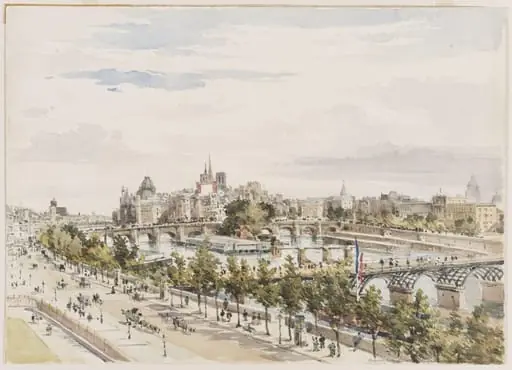 Paris, from the Window of the Salle D'Apollon in the Louvre
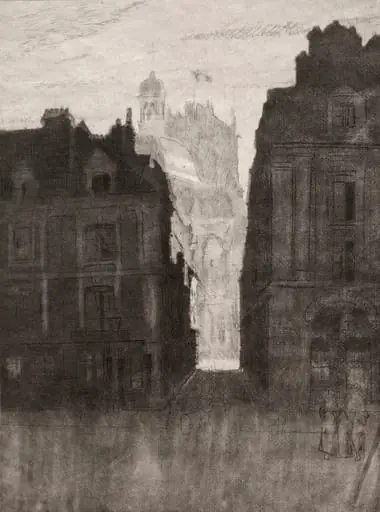 Dieppe, La Rue Notre Dame
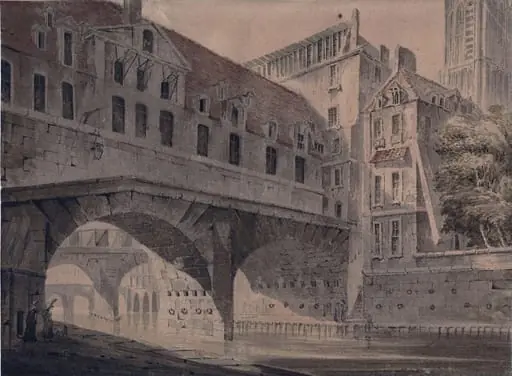 The Pont de l'Hotel Dieu and the South Tower of Notre Dame, Paris
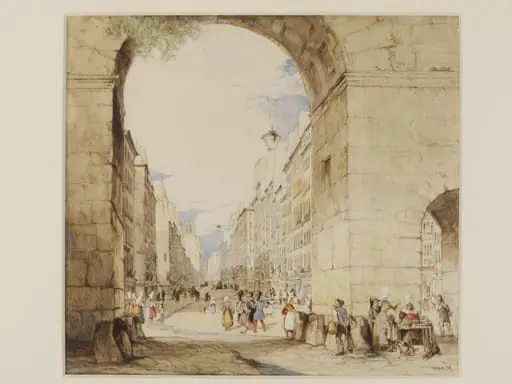 Porte de St. Martin, Paris