Artwork
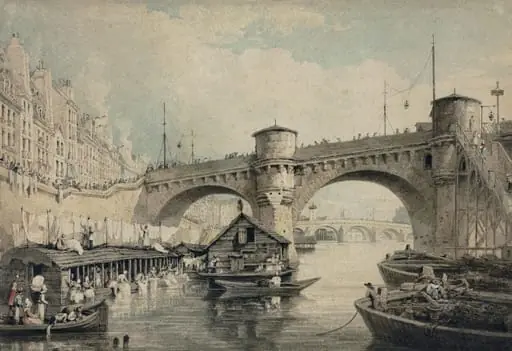
The Pont Neuf, Paris
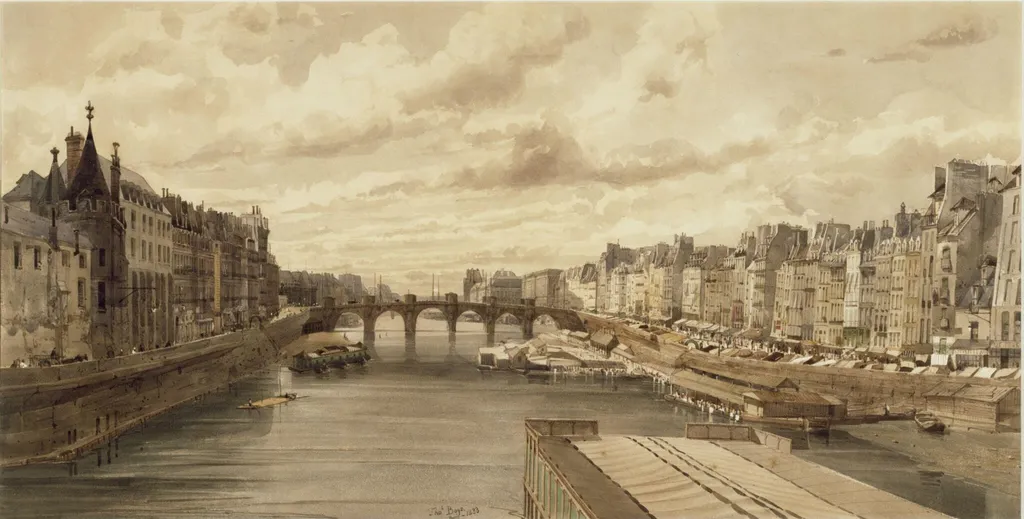
The Pont Neuf, Paris is a watercolor work on paper by the British Romanticist artist Thomas Shotter Boys. It dates from 1833 and is held in the collection of the Victoria and Albert Museum.
About this work
Thomas Shotter Boys painted Paris’s Pont Neuf bridge in watercolour around 1833. The scene shows boats on the Seine, old buildings, and people strolling the riverbank.
Boys trained as an engraver before switching to lithography. He later fell in love with watercolour, using it to capture light and movement in Paris streets.
Look for his work in the Victoria and Albert Museum.
Overview
The Pont Neuf, Paris is a watercolour painting by Thomas Shotter Boys, created around 1833. It depicts a scene on the Seine River, showcasing the artist's skill in capturing light and atmosphere.
Subject & Meaning
The painting features the Pont Neuf bridge, with boats on the Seine, old buildings, and people strolling along the riverbank, presenting a tranquil and everyday Parisian scene.
Technique & Style
Boys' watercolour technique is characterized by a sense of light and balance, reflecting his admiration for Richard Parkes Bonington and situating him among the notable watercolourists of his time.
History & Provenance
The work is representative of Boys' oeuvre, which is held in high regard and can be found in institutions such as the Victoria and Albert Museum.
Artist & collection
Artist
Thomas Shotter Boys (1803–1874) was an English watercolour painter and lithographer, mostly producing cityscapes and images of buildings, although he produced some rural landscapes and marine subjects.

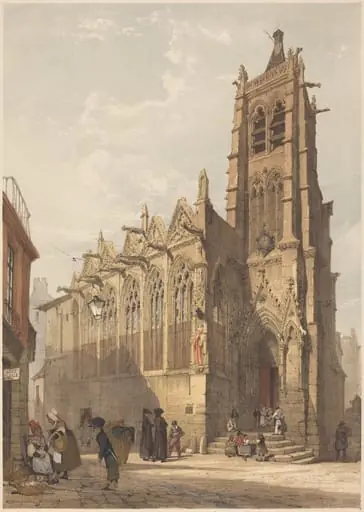
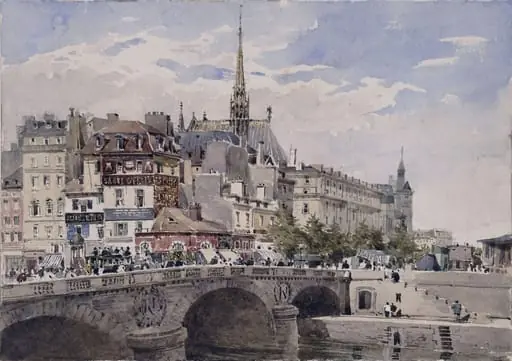 Sainte Chapelle, Palais de Juste, Paris,
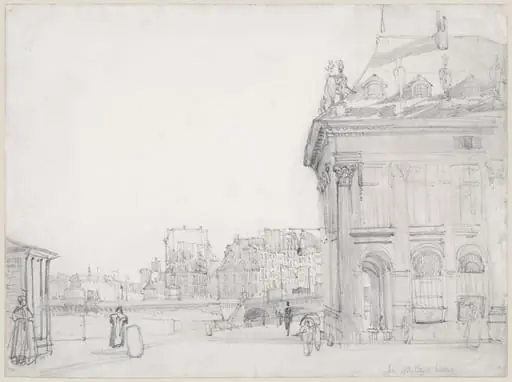
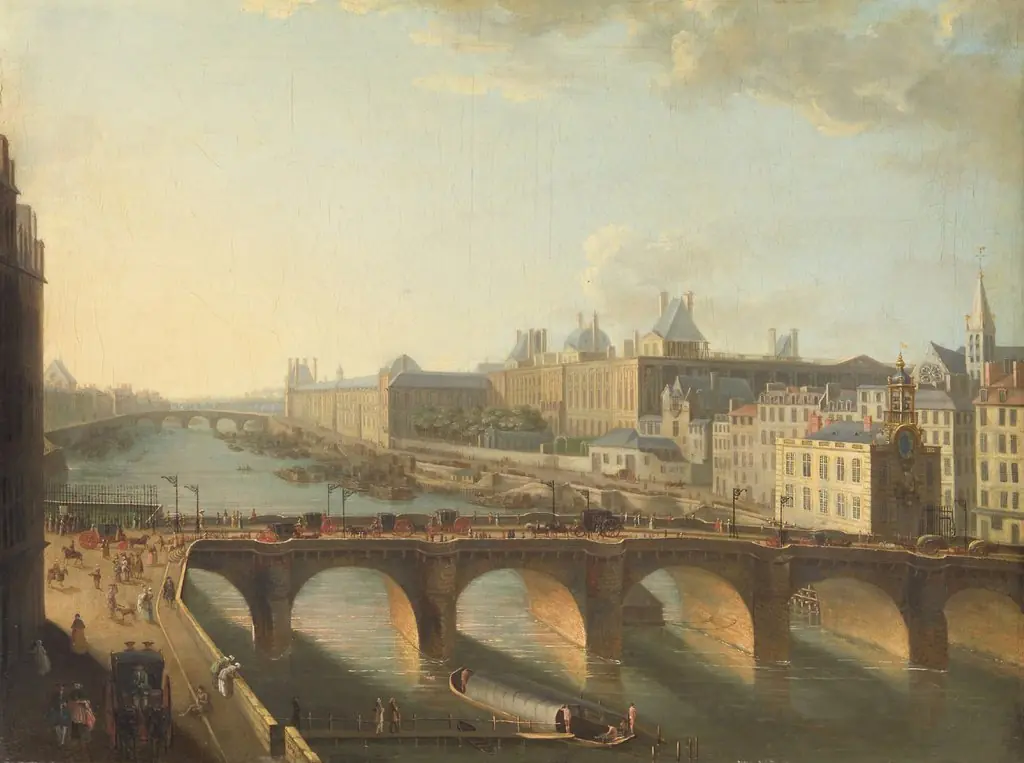 View of the Pont-Neuf in Paris from the Quai de la l’Horloge
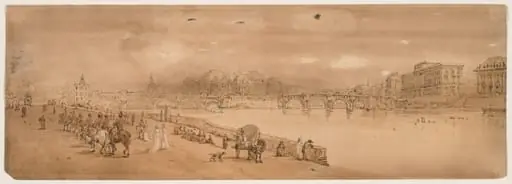 A Selection of Twenty of the Most Picturesque Views in Paris: View of Pont Neuf, and the Mint
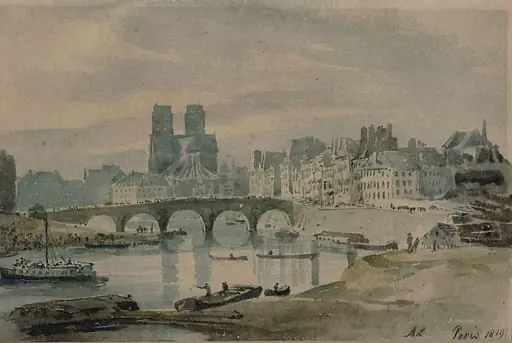 Notre Dame from the Ile St. Louis
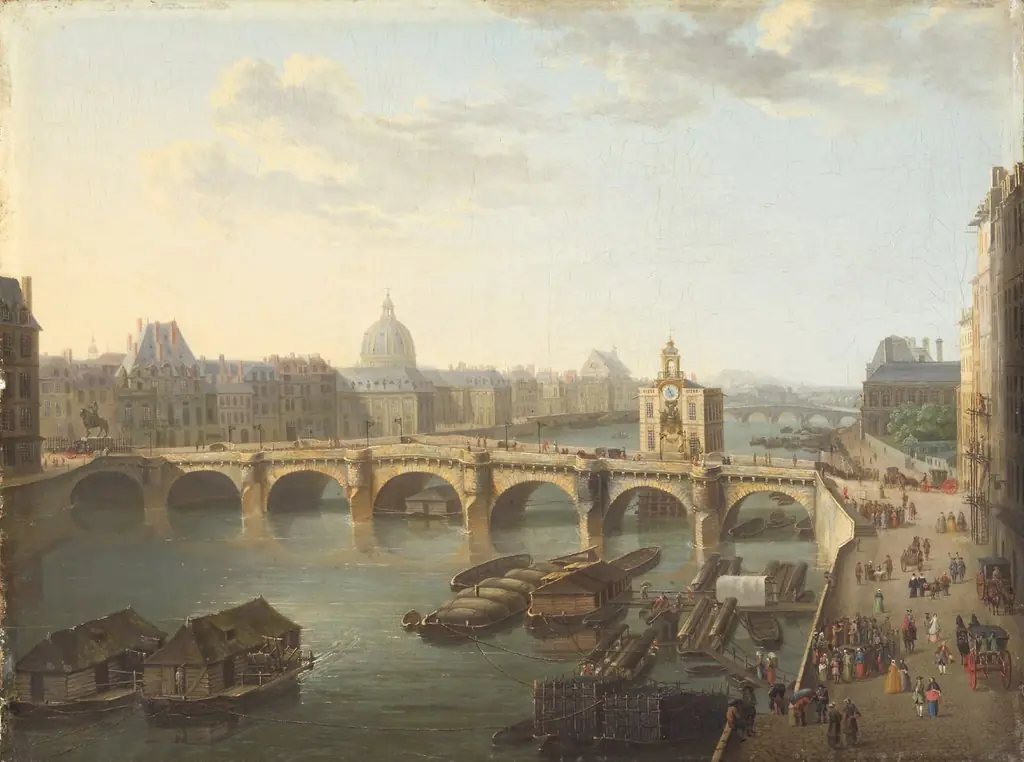 View of the Pont-Neuf in Paris from the Quai de la Mégisserie
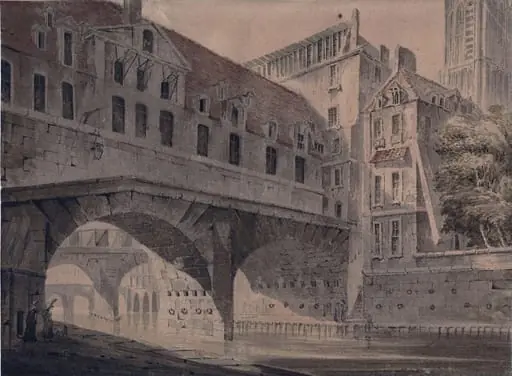 The Pont de l'Hotel Dieu and the South Tower of Notre Dame, Paris
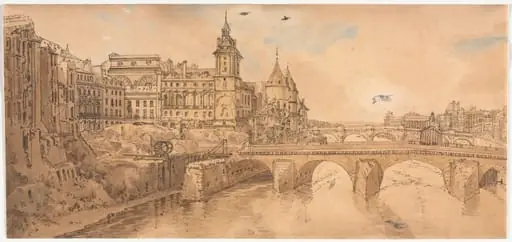 A Selection of Twenty of the Most Picturesque Views in Paris: View of Pont au Change, the City Theatre, Pont Neuf, Conciergerie Prison, and taken from Pont Notre Dame
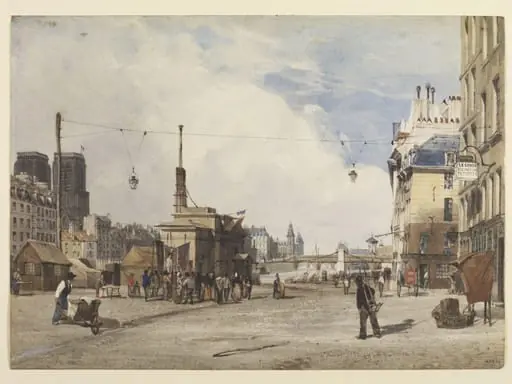 Quai de la Greve, Paris
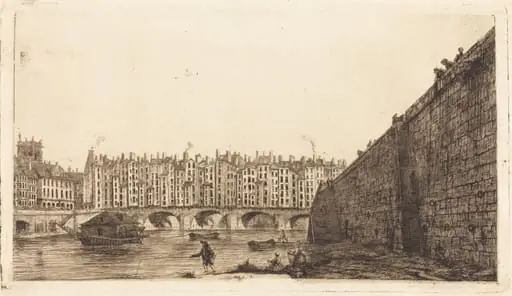 Le Pont-au-Change, Paris, vers 1784
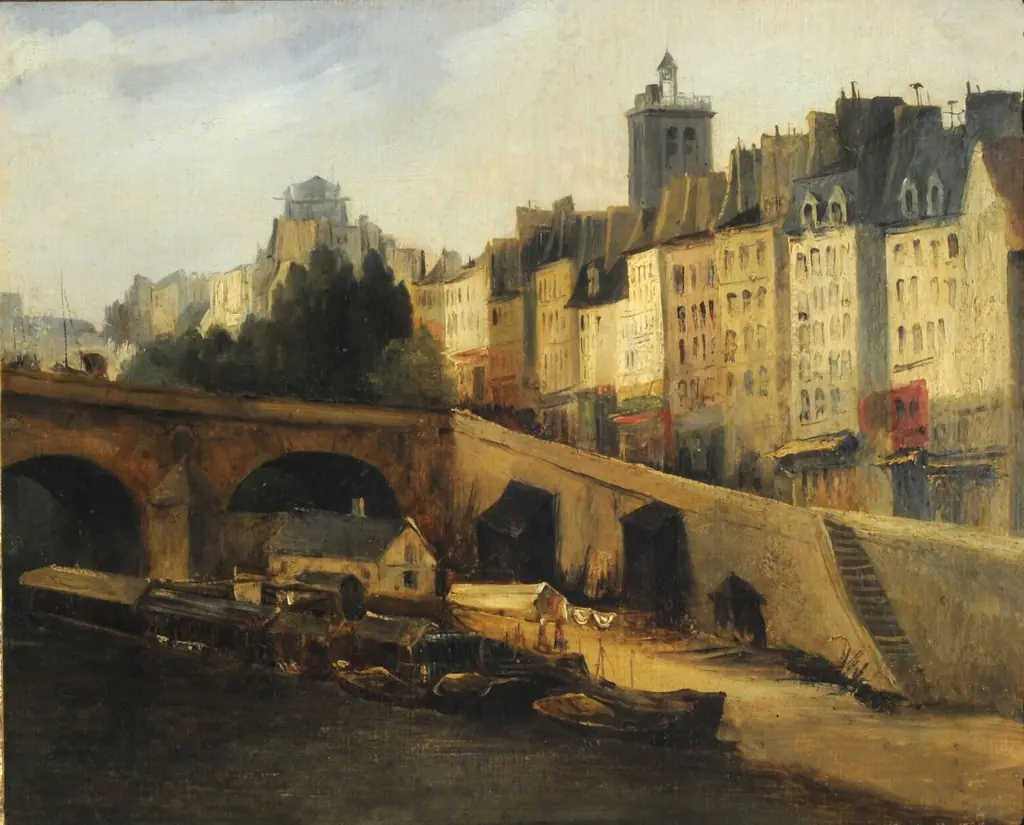 Marie bridge
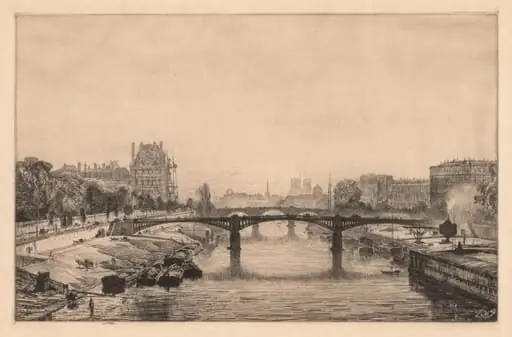 Paris, View from the Concorde Bridge
 Pont Neuf, Paris