Artwork
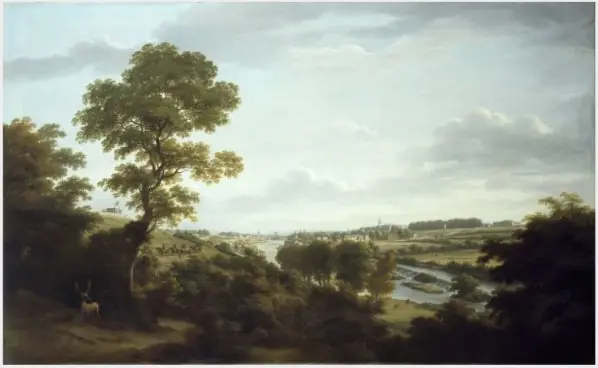
A View of Ballyshannon, County Donegal
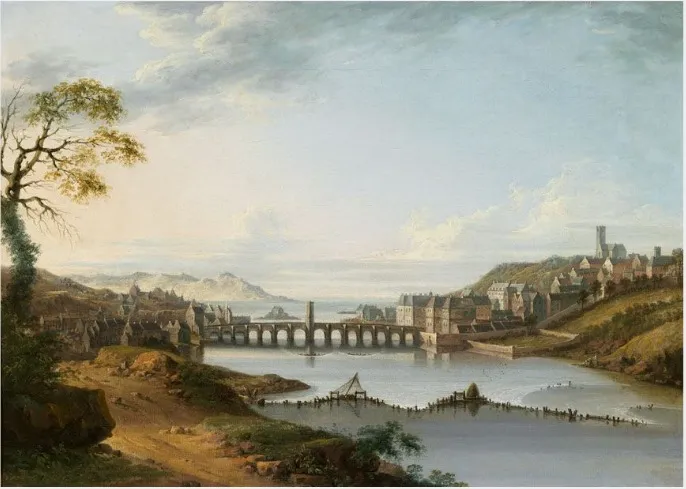
A View of Ballyshannon, County Donegal is an oil painting by the Rococo painting artist Thomas Roberts. It dates from 1770 and is held in the collection of the National Gallery of Ireland.
About this work
Overview
It stands as one of the earliest known oil paintings to focus on the Irish countryside with such sustained observation.
Painted in 1770, *A View of Ballyshannon, County Donegal* is an oil on canvas landscape by Thomas Roberts, an artist born in England who spent much of his career in Ireland. The work captures a quiet stretch of the River Erne near the town of Ballyshannon, rendered with careful attention to atmospheric effects and topographical detail. It stands as one of the earliest known oil paintings to focus on the Irish countryside with such sustained observation.
Subject & Meaning
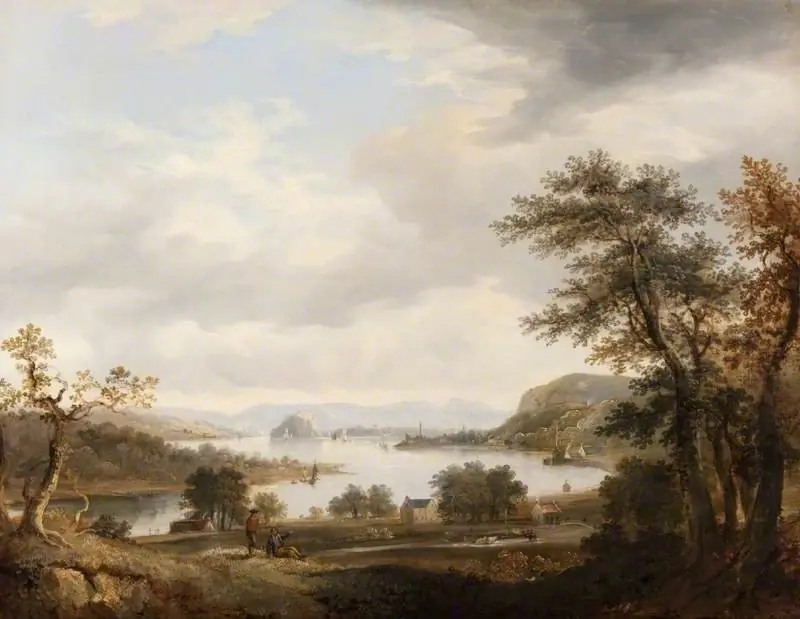
The scene presents a tranquil rural setting: a stone bridge crosses a winding river, linking cultivated land to a modest cluster of buildings, including a church with a tall steeple. Behind, undulating hills fade into a soft, overcast sky. The composition conveys neither grandeur nor drama, but rather a quiet acknowledgment of everyday Irish life and landscape, reflecting a growing interest in local scenery during the late 18th century.
Technique & Style
Roberts employed a restrained palette of earth tones—olive greens, muted browns, and ashen grays—to evoke the damp, temperate climate of the region. His brushwork is precise yet fluid, with subtle gradations of light and shadow modeling the terrain and architecture. The sky, rendered in thin glazes, suggests shifting weather, while the water reflects ambient tones with delicate precision, demonstrating an emerging naturalism in Irish landscape painting.
History & Provenance
The painting entered the collection of the National Gallery of Ireland in the 19th century, likely through acquisition from a private Irish estate. It was cataloged early as a significant example of Roberts’s Irish work, though little documentation survives about its immediate post-painting history. Its preservation reflects institutional recognition of Roberts’s role in documenting Ireland’s topography during a period of limited artistic record.
Context
In the 1770s, Irish landscape painting was still developing as a distinct tradition, often overshadowed by British or continental models. Roberts, working outside the major urban centers, focused on regional views that appealed to local patrons. His depictions of Donegal contributed to a nascent visual archive of Ireland’s rural character, predating the later Romantic and nationalist impulses of the 19th century.
Legacy
Though not widely known outside Ireland, Roberts’s work laid groundwork for later artists who sought to portray the Irish landscape with authenticity. *A View of Ballyshannon* remains a key reference for understanding early topographical painting in the region. Its quiet realism distinguishes it from more stylized European traditions, marking a shift toward localized observation in Irish art.
Artist & collection
Artist
Thomas William Roberts (8 March 1856 – 14 September 1931) was an English-born Australian artist and a key member of the Heidelberg School art movement, also known as Australian impressionism.

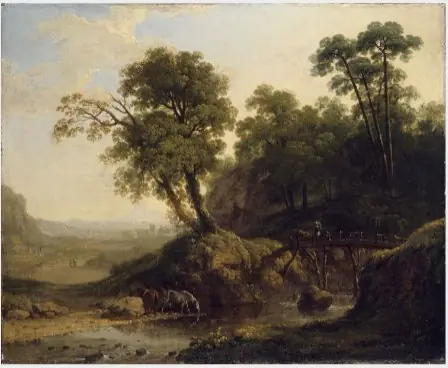 Landscape with a River and Horses by a Wooden Bridge
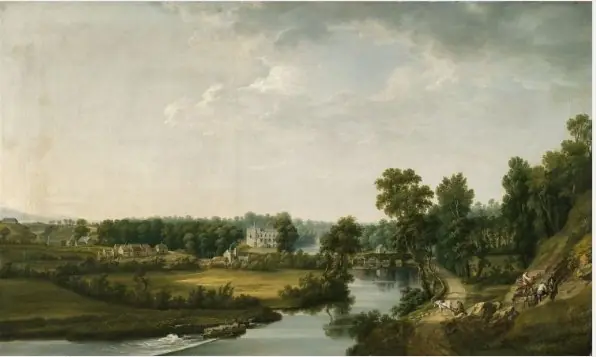 Lucan House and Demesne with Figures Quarrying Stone, County Dublin
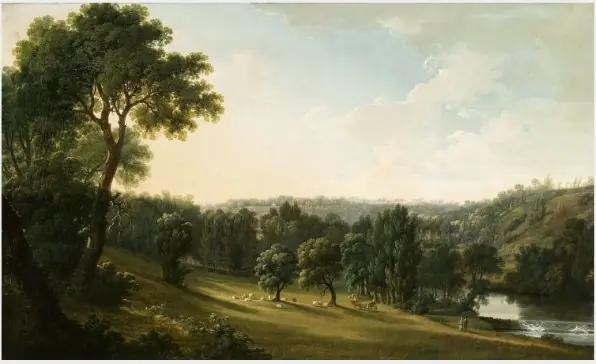 A View in Lucan House Demesne
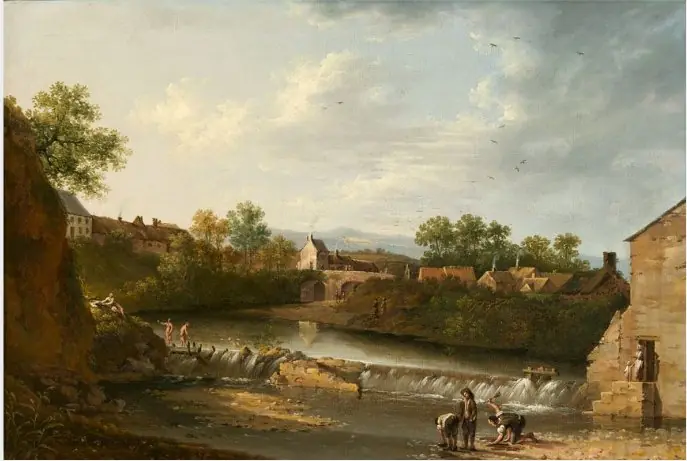 A View of Clonskeagh, County Dublin with Figures Bathing
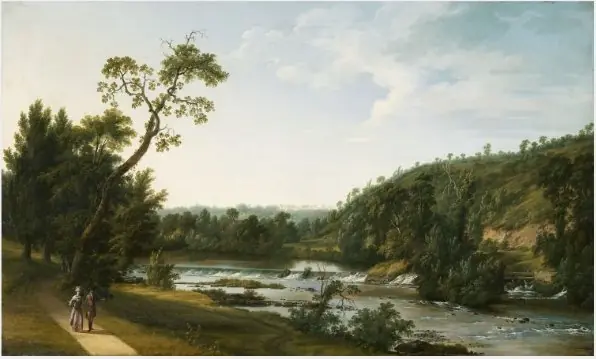 The River Liffey in Lucan House Demesne
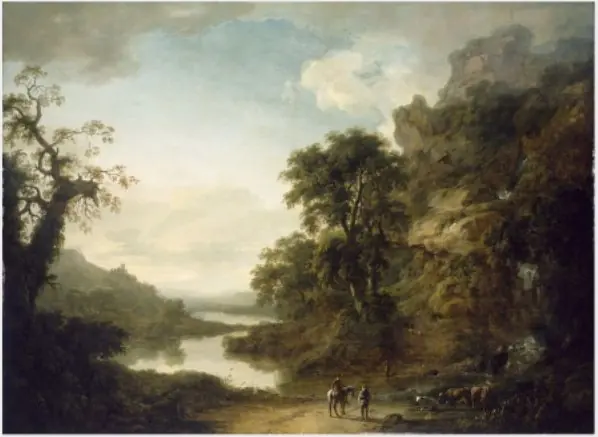 A Landscape
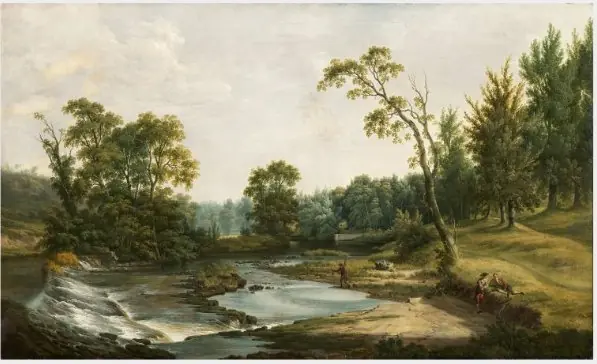 The Weir in Lucan House Demesne
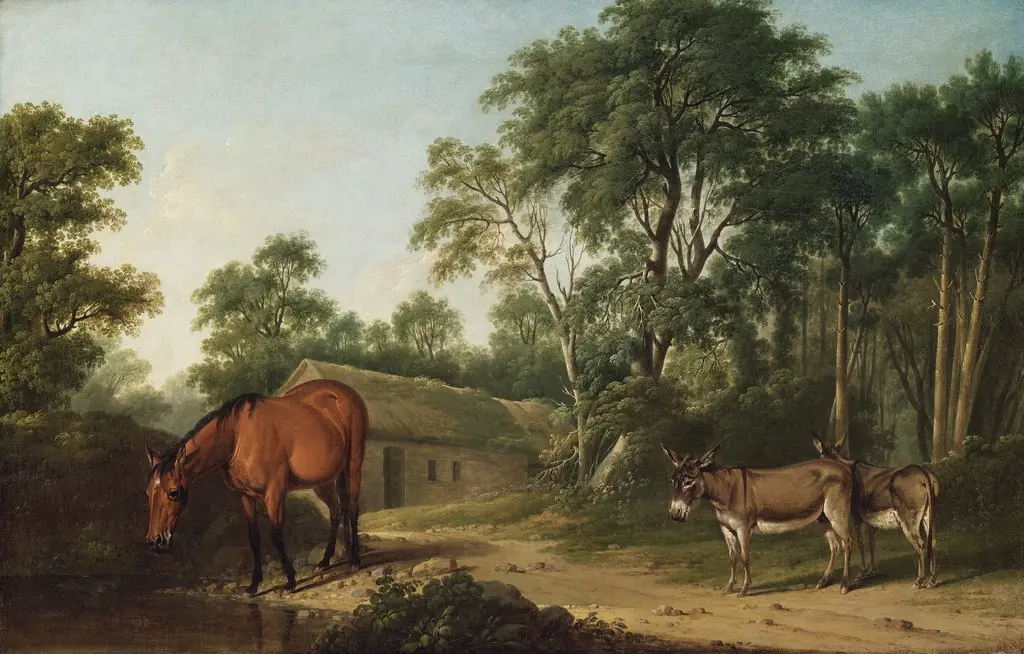 A Bay Horse and Two Donkeys