Artwork
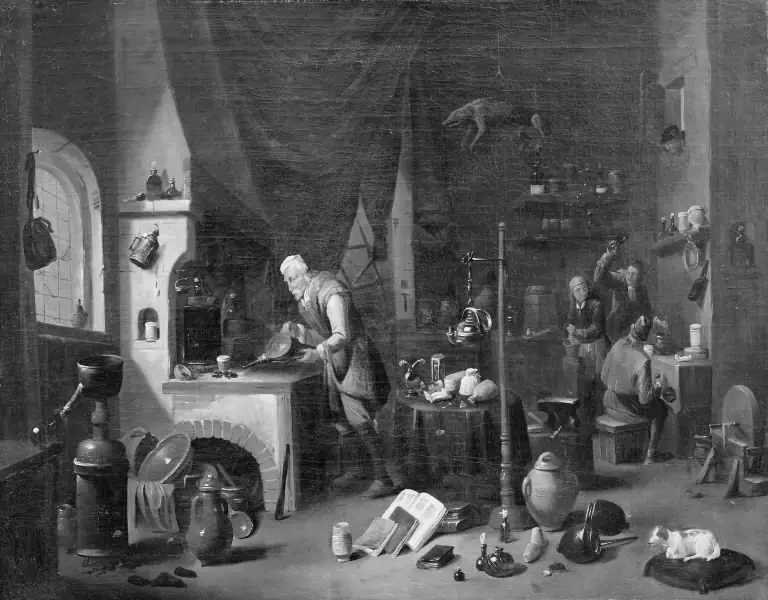
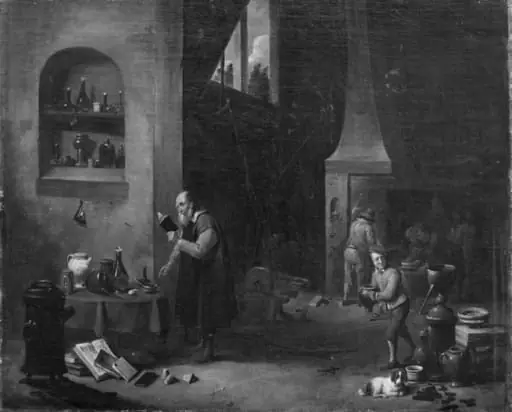
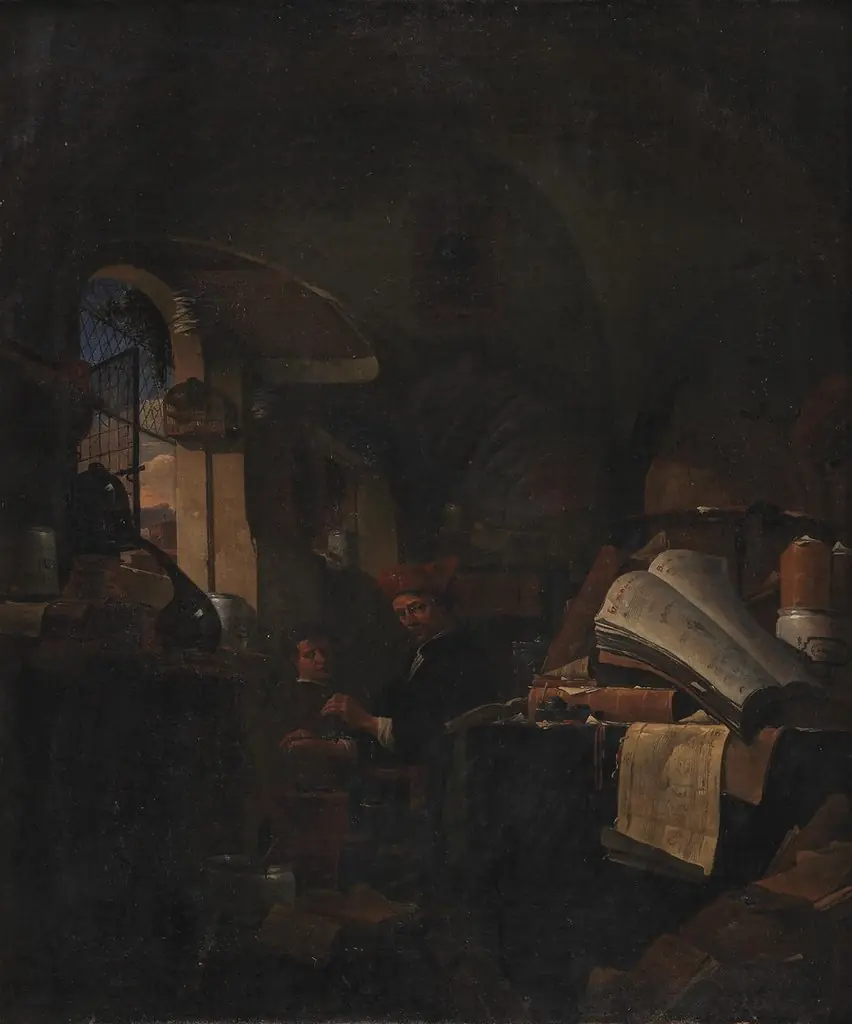
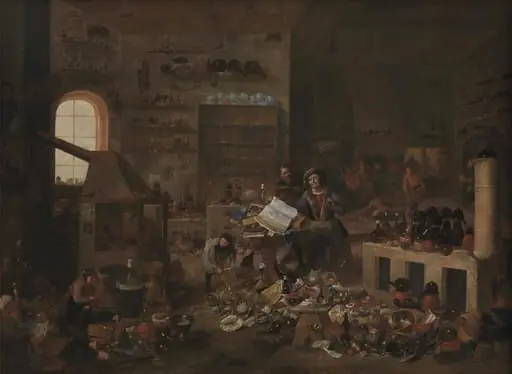
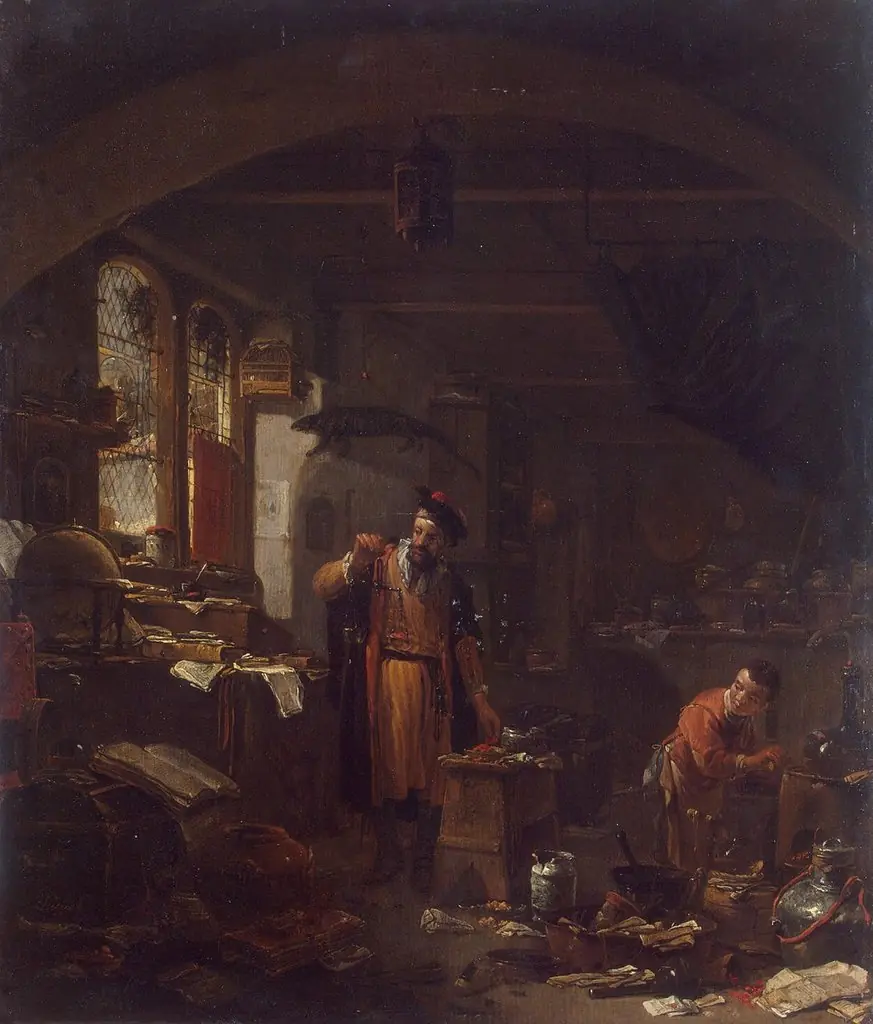
Laboratory Worker in his Laboratory
Laboratory Worker in his Laboratory is an oil painting by the Flemish Baroque painting artist Thomas van Apshoven. It dates from 1650 and is held in the collection of the Statens Museum for Kunst.
About this work
Overview
Laboratory Worker in his Laboratory is a 17th-century oil painting by Flemish artist Thomas van Apshoven, created circa 1650. It represents a specialized interior, characteristic of the artist's genre scenes.
Subject & Meaning
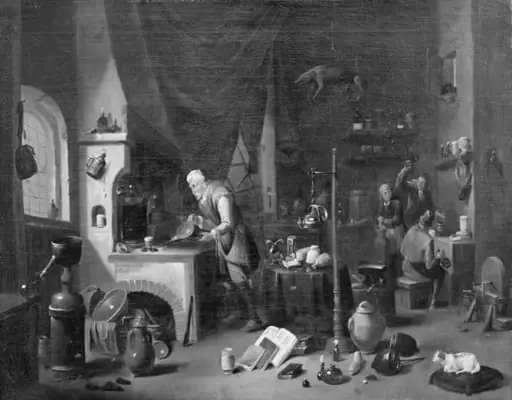
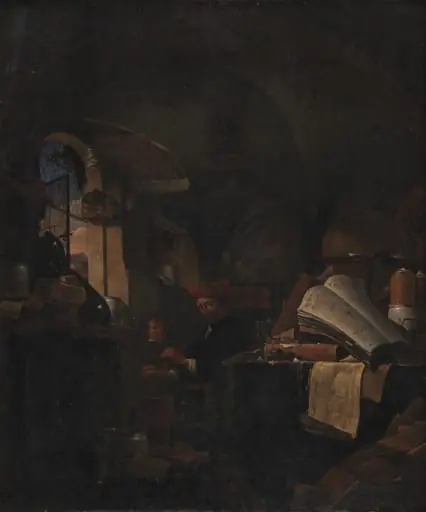
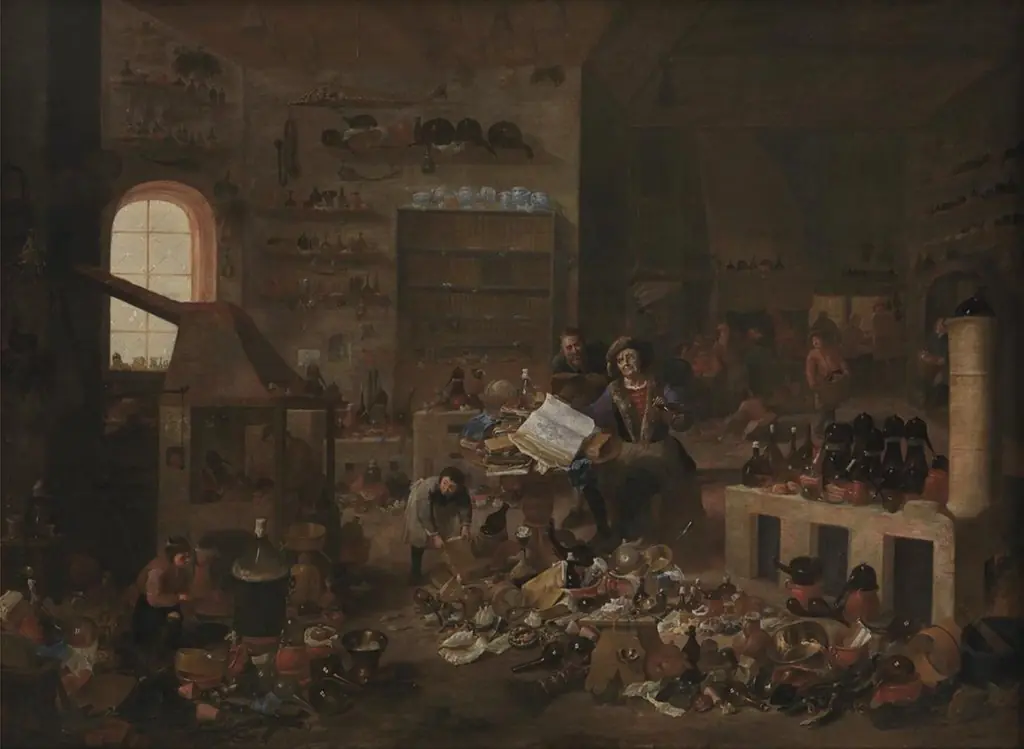
The painting depicts a man, likely an alchemist or laboratory worker, immersed in activity within a cluttered, dimly lit room. Surrounding objects suggest a space of intense industry and experimentation, capturing a moment of focused work.
Technique & Style
Van Apshoven employs chiaroscuro to create depth and drama, focusing attention on the central figure. The detailed, narrative composition aligns with Flemish Baroque tendencies, emphasizing everyday and scientific environments.
History & Provenance
The work is part of the Statens Museum for Kunst collection. Van Apshoven, known for peasant and alchemical laboratory scenes, was active in the 17th century, contributing to the Flemish Baroque movement.
Context
The painting reflects the 17th-century fascination with scientific inquiry and the mundane, blending these themes in a characteristic Flemish Baroque style.
Artist & collection
Artist
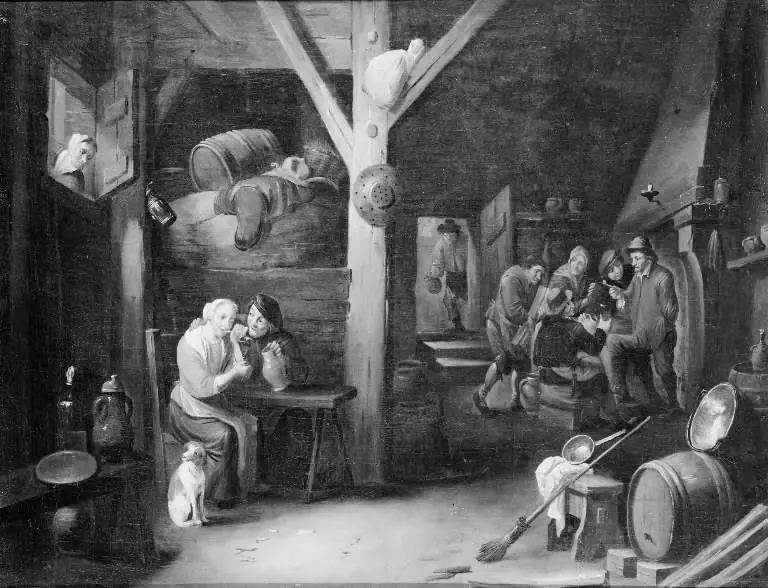
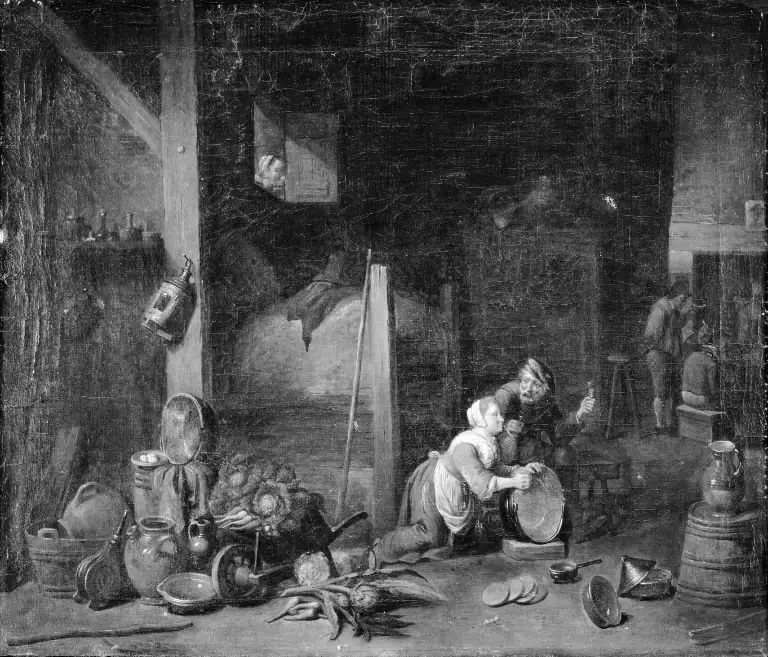
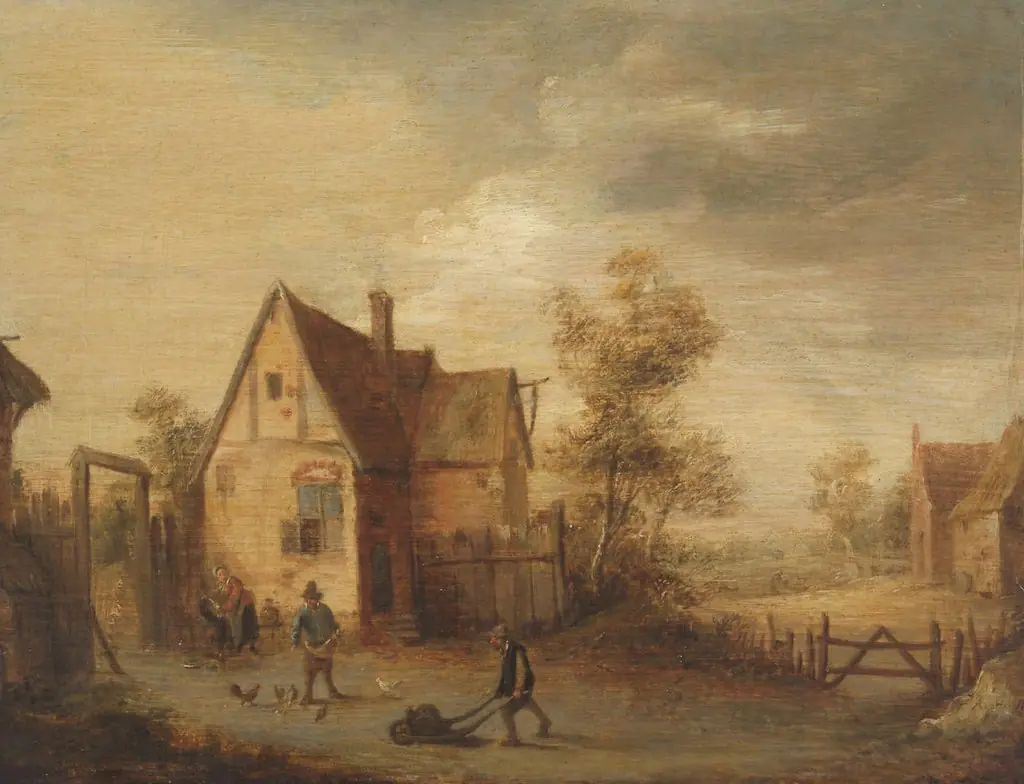
Thomas van Apshoven (1622 – 1664/7) was a Flemish painter known for his landscapes with peasant scenes and genre scenes in interiors.