Artwork
Harpsichord Recital at Count Rumford's, Concord, New Hampshire
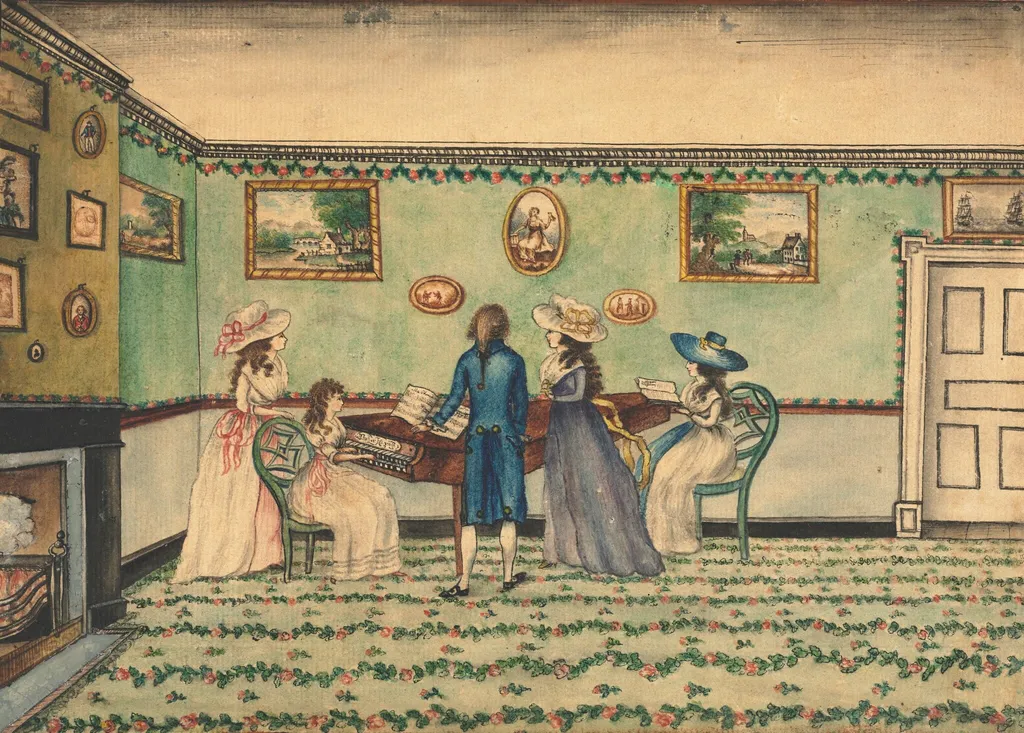
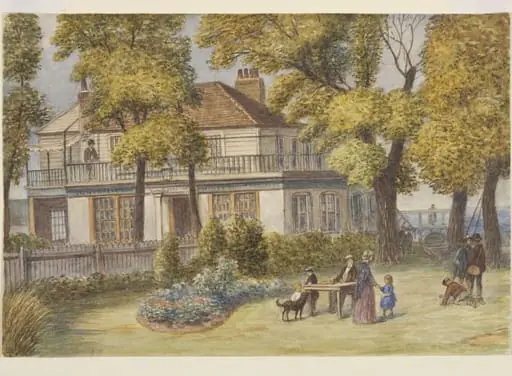
Harpsichord Recital at Count Rumford's, Concord, New Hampshire is a watercolor drawing by the Romanticist artist Benjamin Thompson. It dates from 1800 and is held in the collection of the National Gallery of Art.
About this work
Overview
Executed in transparent and opaque watercolor with pen, ink, and graphite on laid paper, it records an intimate domestic scene centered on a harpsichord.
Created around 1800, this drawing by Benjamin Thompson captures a private musical gathering in Concord, New Hampshire. Executed in transparent and opaque watercolor with pen, ink, and graphite on laid paper, it records an intimate domestic scene centered on a harpsichord. The work reflects Thompson’s interest in documenting social rituals through precise, observational detail rather than idealized composition.
Subject & Meaning
Four individuals are arranged around a harpsichord in a modest parlor: a man near the instrument, two women seated in ornate hats and light fabrics, and another standing with sheet music. The scene suggests a cultivated, quiet evening of domestic music-making, common among New England’s educated elite. The presence of open scores and attentive listeners implies shared cultural engagement, not performance for an audience.
Technique & Style
Thompson employed layered watercolor glazes to build subtle tonal variations, enhancing the textures of fabric, wood, and wallpaper. Pen and ink define crisp architectural details, while graphite underdrawing guides the composition. The floor’s floral pattern and wall decorations are rendered with delicate precision, reinforcing the room’s lived-in character without romanticizing it.
History & Provenance
The drawing is attributed to Benjamin Thompson, later known as Count Rumford, who returned to New England after years in Europe. It likely dates to his time in Concord, where he lived after 1798. The work remained in family hands until its acquisition by a public collection, preserving its connection to the household in which it was made.
Context
In early 19th-century New England, domestic music was a marker of refinement and social cohesion. Harpsichords, though declining in popularity, still held symbolic value in homes of the gentry. Thompson’s depiction aligns with contemporary ideals of private virtue and intellectual leisure, contrasting with the more public musical culture of European courts.
Legacy
This drawing offers a rare visual record of intimate musical practice in post-Revolutionary America. Its restrained realism and attention to interior detail distinguish it from more theatrical genre scenes of the period. As a document of everyday life, it contributes to understanding how cultural habits were maintained in rural American households.
Artist & collection


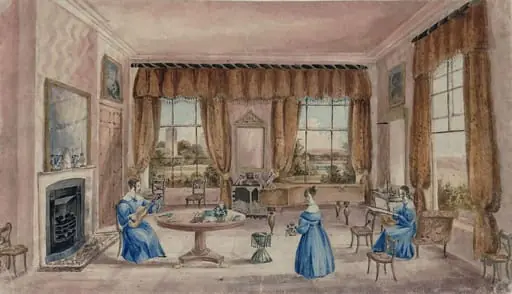 View of the Drawing Room, Woodton Hall, Norfolk
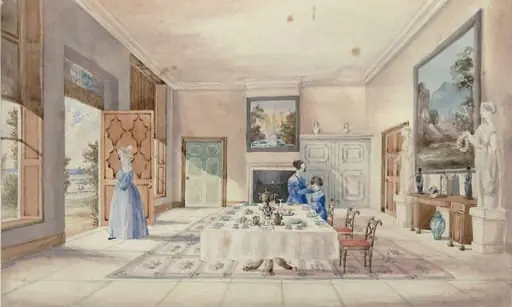 View of the Hall, Woodton Hall, Norfolk
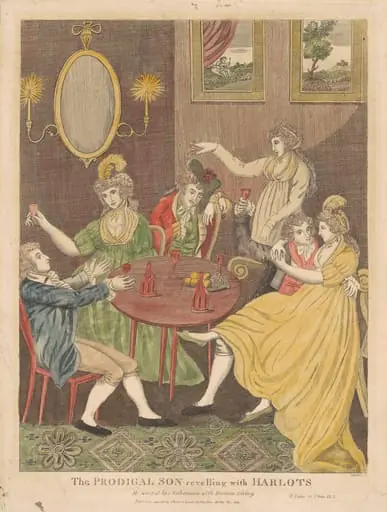 The Prodigal Son Revelling with Harlotsy
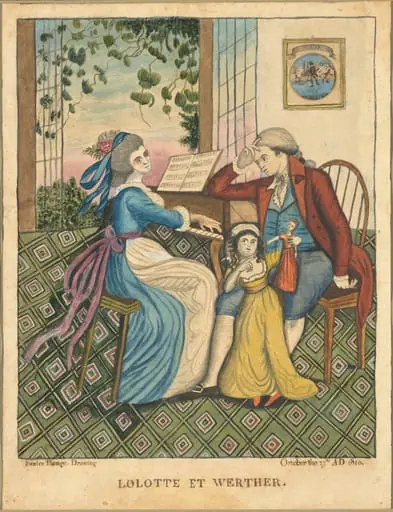 Lolotte and Werther
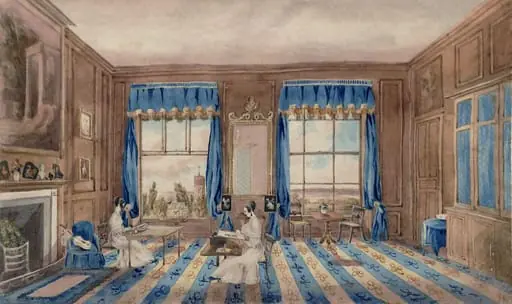 View of the Panelled Sitting Room, Woodton Hall
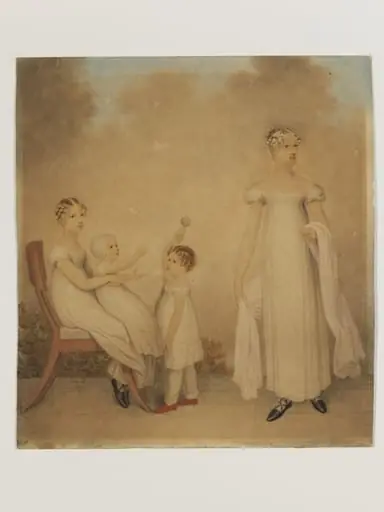 Four children of the Ackland family
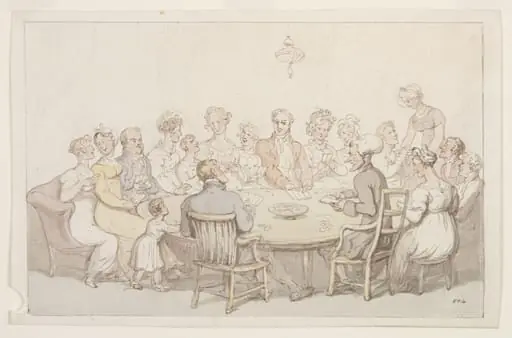 The Tour of Dr. Syntax in Search of the Picturesque
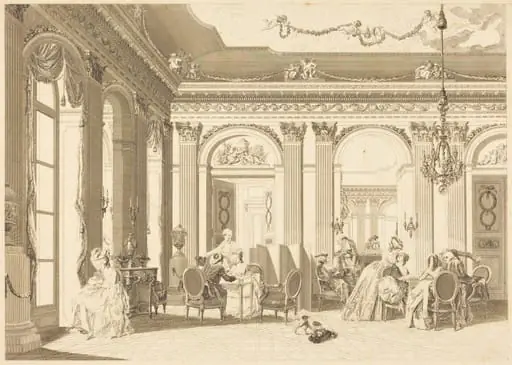 L'assemblee au salon
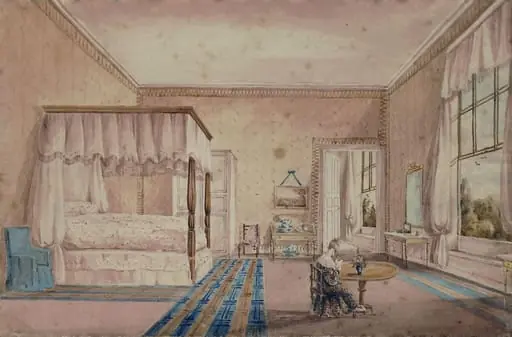 View of bedroom at Woodton Hall, Norfolk
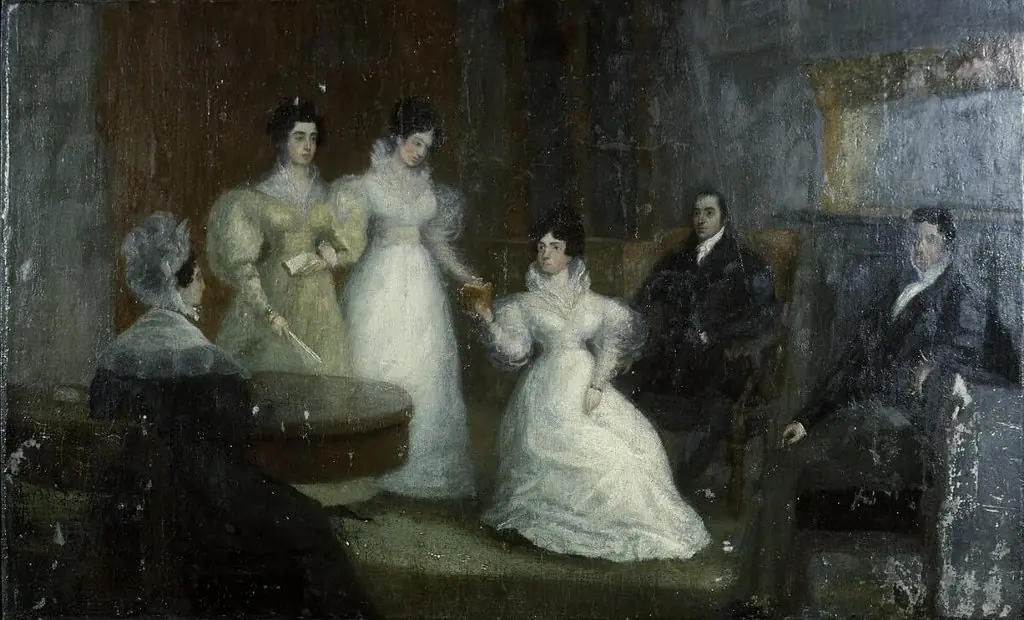 Teulu David Charles
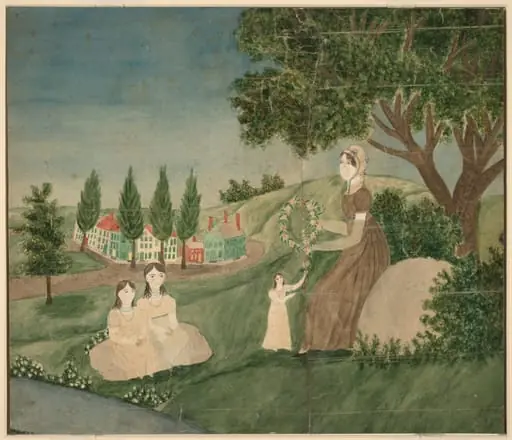 Mother and Three Children Making a Floral Wreath
 The Horse and Groom by the River Lea