Artwork
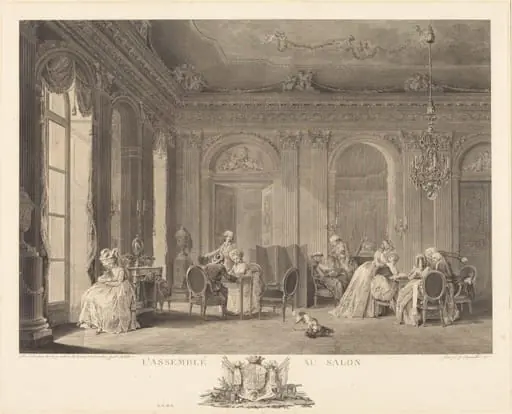
L'assemblee au salon
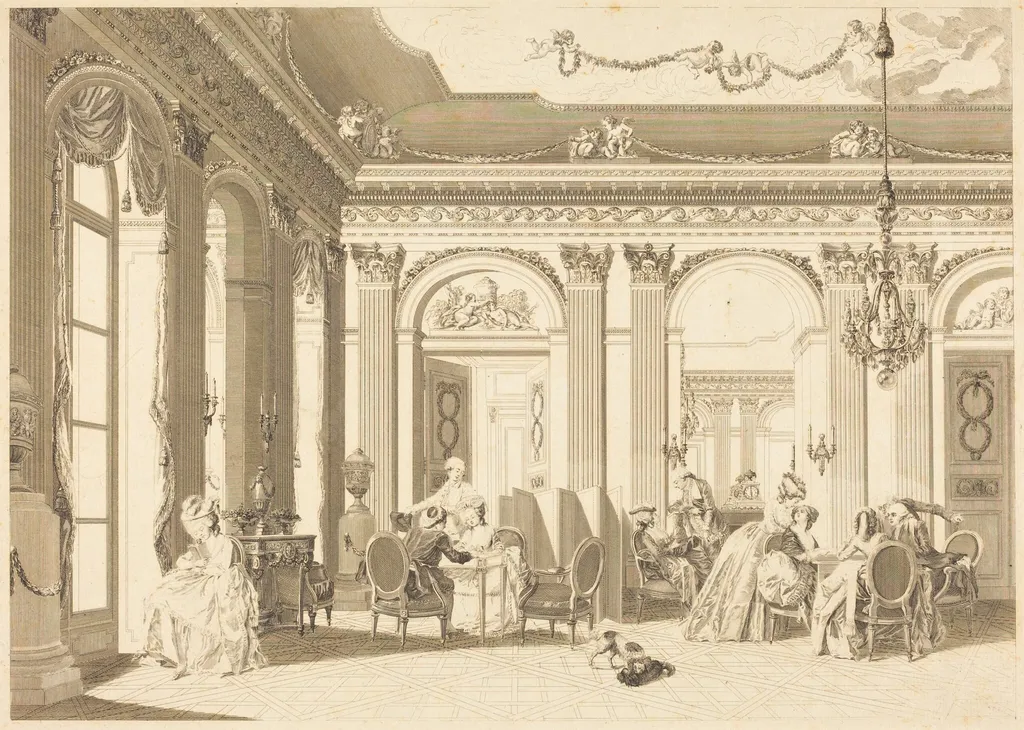
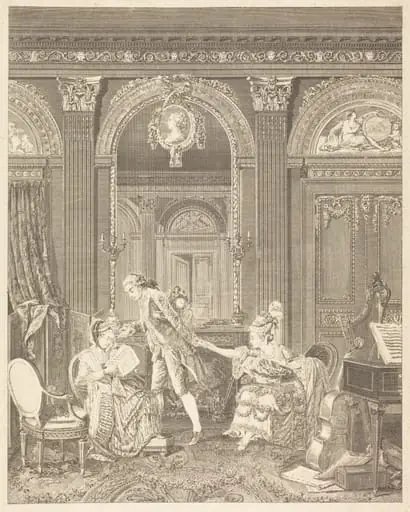
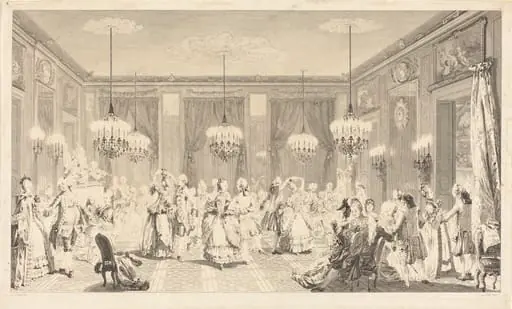
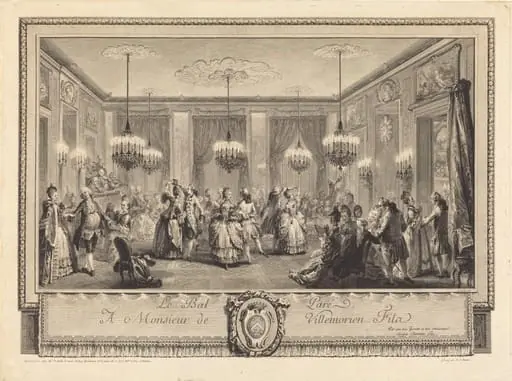
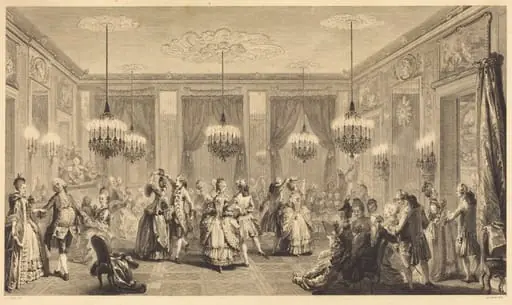
L'assemblee au salon is an ink print by the Romanticist artist Francois-Nicolas-Barthelemy Dequevauviller. It dates from 1783 and is held in the collection of the National Gallery of Art. L’assemblee au salon is an 1783 etching by French printmaker Francois‑Nicolas‑Barthelemy Dequevauviller.
About this work
Overview
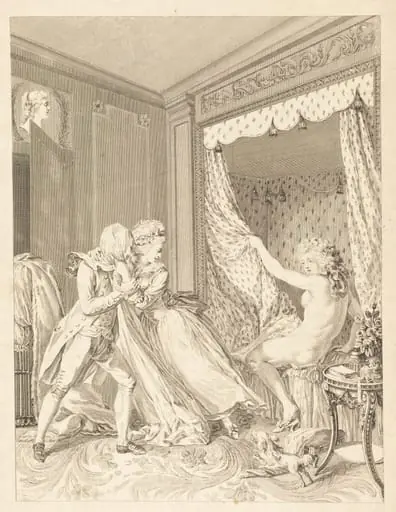
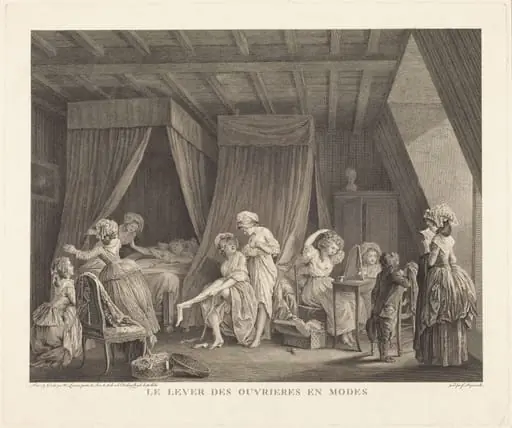
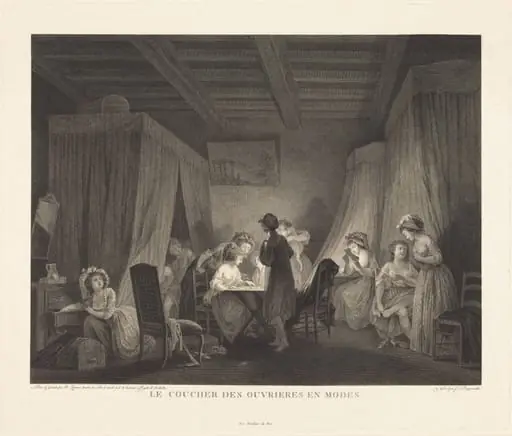
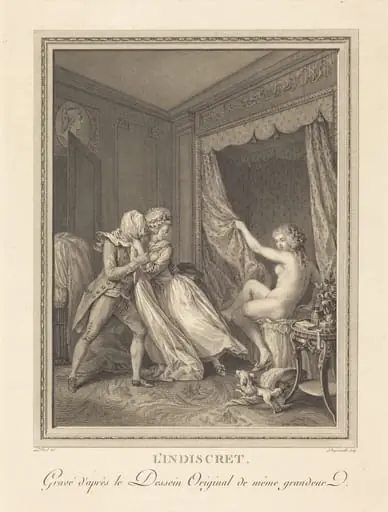
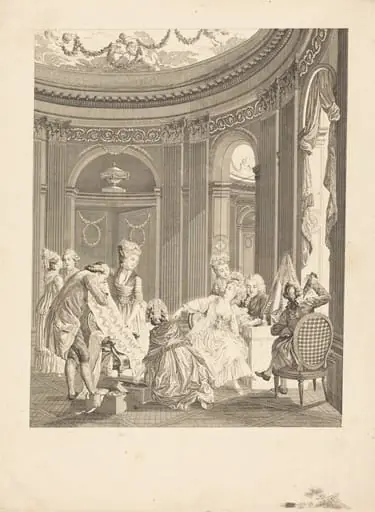
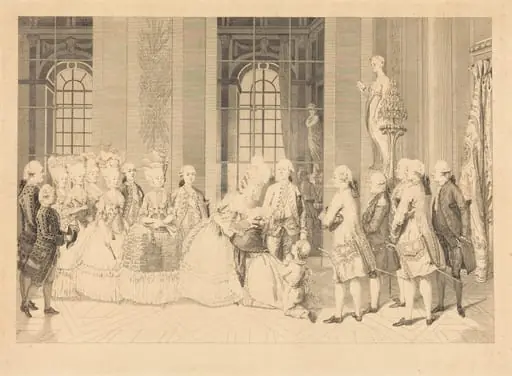
L’assemblee au salon is an 1783 etching by French printmaker Francois‑Nicolas‑Barthelemy Dequevauviller. Executed as a single‑plate print, the work captures an interior gathering typical of late‑eighteenth‑century aristocratic salons. The composition presents a richly decorated room populated by elegantly dressed figures, a pet dog, and ornamental furnishings, all rendered in fine linear detail.
Subject & Meaning
The scene depicts a social assembly within a lavishly appointed salon. Attendees in powdered wigs and elaborate gowns converse and listen to music, while a woman by the window holds a fan and a dog rests at their feet. The arrangement reflects the customs of elite gatherings, emphasizing refinement, leisure, and the performative aspects of status in pre‑revolutionary France.
Technique & Style
Fine cross‑hatching and stippling convey texture in the carved walls, mirrors, and chandelier, while the crisp outlines define the figures and furnishings.
Dequevauviller employed the etching process, incising lines into a copper plate with acid to achieve delicate tonal variation. The print’s shading creates a sense of depth, giving the interior a three‑dimensional quality reminiscent of a sketch. Fine cross‑hatching and stippling convey texture in the carved walls, mirrors, and chandelier, while the crisp outlines define the figures and furnishings.
Context
Created in the years preceding the French Revolution, the work documents the opulent domestic environments of the aristocracy. Such salon scenes were popular subjects for printmakers, serving both as visual records of contemporary taste and as consumable images for a growing market of middle‑class collectors interested in fashionable interiors.
Legacy
While not as widely reproduced as later salon depictions, L’assemblee au salon exemplifies the technical skill of late‑ eighteenth‑century French etchers and contributes to the visual archive of pre‑revolutionary social life. The print remains a reference point for scholars studying the intersection of art, architecture, and social ritual in the Ancien Régime.
Artist & collection

Artist
Francois-Nicolas-Barthelemy Dequevauviller
Francois-Nicolas-Barthelemy Dequevauviller (1786–1786) was an artist.