Artwork
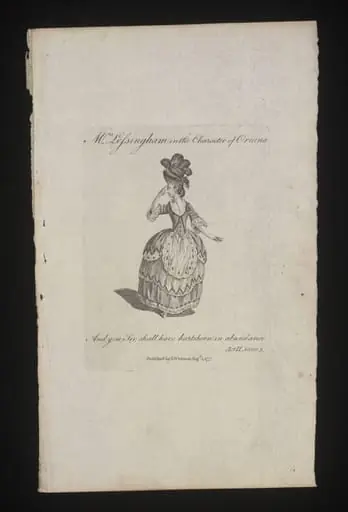
Mrs Lessingham in the character of Oriana
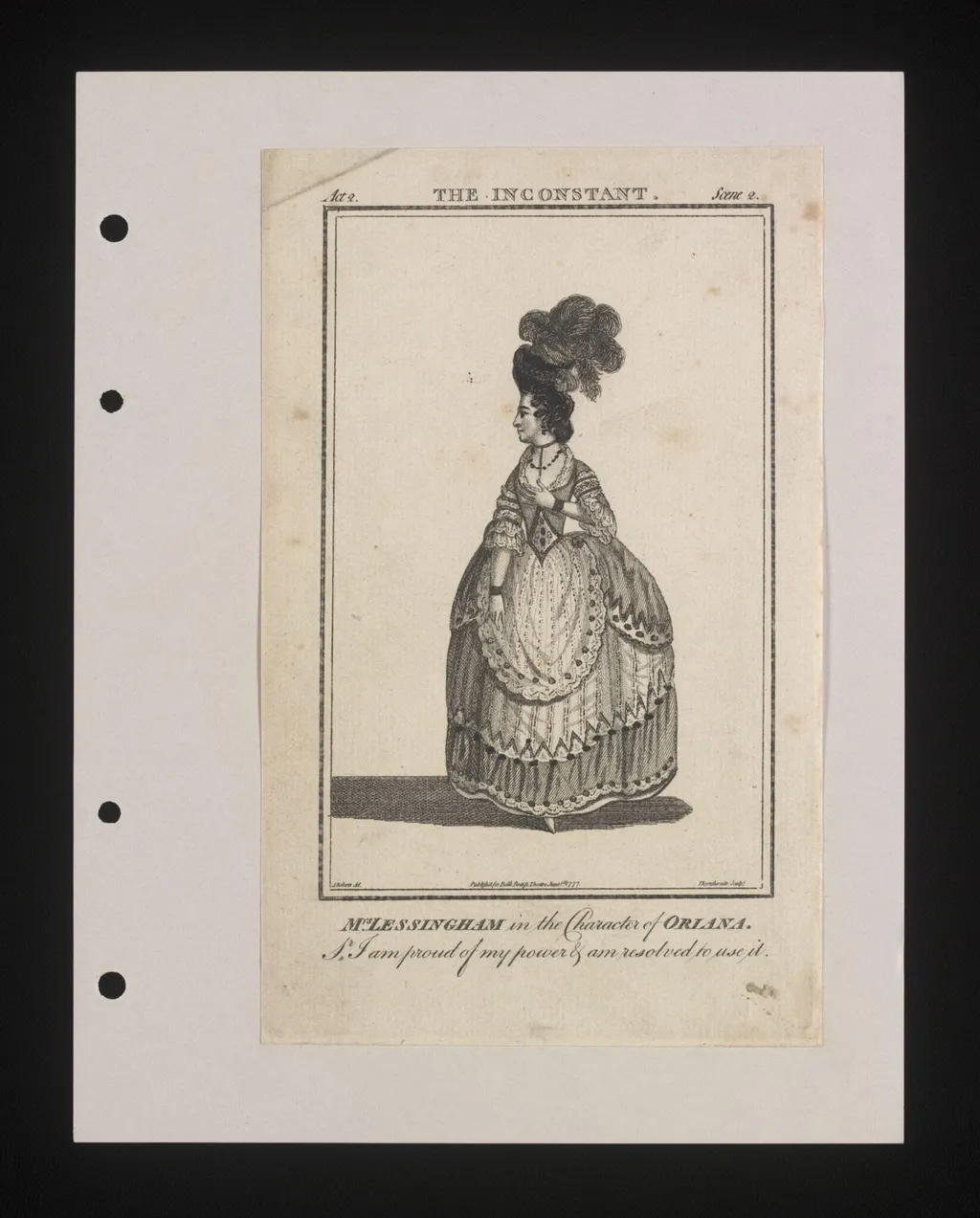
Mrs Lessingham in the character of Oriana is a print by the Romanticist artist J. Thornthwaite. It dates from 1 and is held in the collection of the Victoria and Albert Museum. This print, published on June 1, 1777, by John Bell in London, portrays actress Mrs.
About this work
This print is called Mrs Lessingham in the character of Oriana.
It was made on June 1, 1777.
The print is part of the Romanticism movement, which is interesting because it shows how artists felt about emotions and nature back then.
You can learn more about this kind of art at the Victoria and Albert Museum or by looking into the movement: Romanticism.
Overview
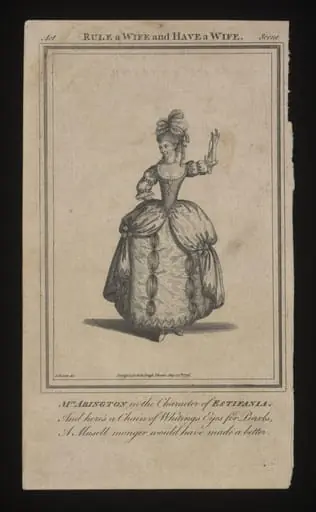
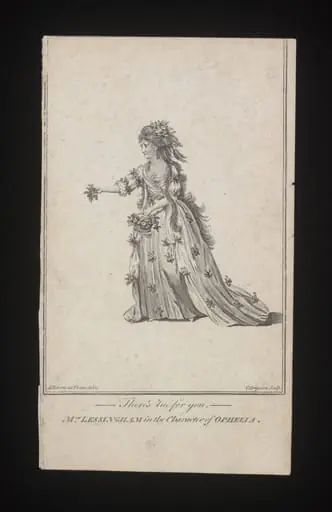
The image captures a moment of dramatic character, not a literal scene, serving as both commemoration and promotion.
This print, published on June 1, 1777, by John Bell in London, portrays actress Mrs. Lessingham in the role of Oriana from the play 'The Inconstant.' Part of the Harry Beard Collection, it is a theatrical portrait intended for public distribution, reflecting the popularity of stage performances in late 18th-century Britain. The image captures a moment of dramatic character, not a literal scene, serving as both commemoration and promotion.
Subject & Meaning
Oriana, a character in 'The Inconstant,' embodies emotional volatility and romantic idealism, traits that resonated with contemporary audiences. Mrs. Lessingham’s portrayal emphasized these qualities through gesture and costume, aligning her performance with prevailing theatrical tastes. The print immortalizes her interpretation, transforming a fleeting stage moment into a tangible cultural artifact that reflects the era’s fascination with emotional expression in drama.
Technique & Style
Executed as a line engraving, the print employs fine, controlled strokes to render costume details and facial expression. The composition is formal, with the figure centered and framed by minimal background elements, directing focus to the actor’s posture and attire. The style is restrained, typical of theatrical portraiture of the period, prioritizing clarity and recognition over dramatic embellishment or painterly flourish.
History & Provenance
The print was issued by John Bell, a prominent publisher of theatrical imagery in late 18th-century London. It entered the Harry Beard Collection, a significant assemblage of British theatrical memorabilia, now held by the Victoria and Albert Museum. Its survival reflects the demand for such prints among theatergoers and collectors, who valued them as souvenirs of popular performances and celebrated performers.
Context
Produced during a period of flourishing British theater, the print emerged amid growing public interest in actors as cultural figures. While Romanticism emphasized emotion and individualism in fine art, this print belongs more directly to the tradition of theatrical portraiture, which documented stage roles for commercial and commemorative purposes, distinct from the broader Romantic movement in painting.
Legacy
As a preserved example of 18th-century theatrical print culture, it offers insight into how performance was consumed beyond the stage. The print’s inclusion in the Harry Beard Collection underscores its role in documenting the evolution of British theater. It remains a reference point for scholars studying the intersection of performance, print media, and public identity in the Georgian era.
Artist & collection
Artist
This artist made prints of actors on stage in the 1700s, turning famous roles into portraits.

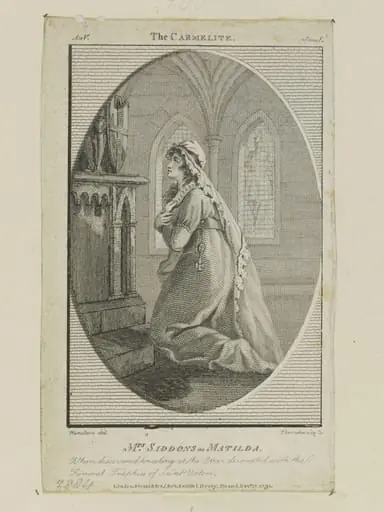 Mrs. Siddons as Matilda in the 'Carmelite'
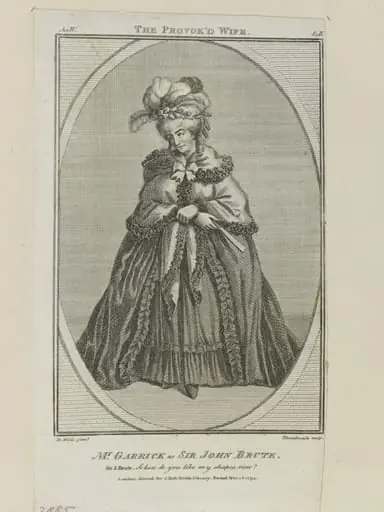 Mr. Garrick as Sir John Brute
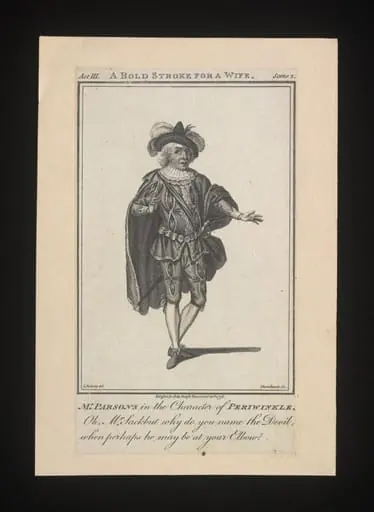 Mr Parsons in the character of Periwinkle in A Bold Stroke for a Wife
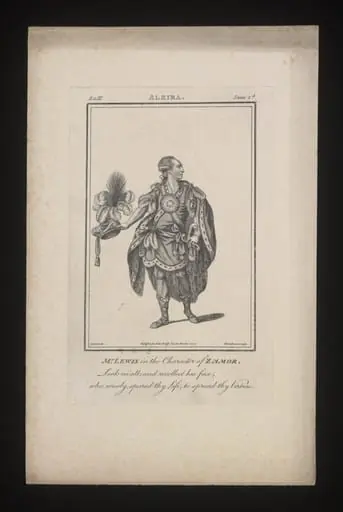 Mr. Lewis in the character of Zamor
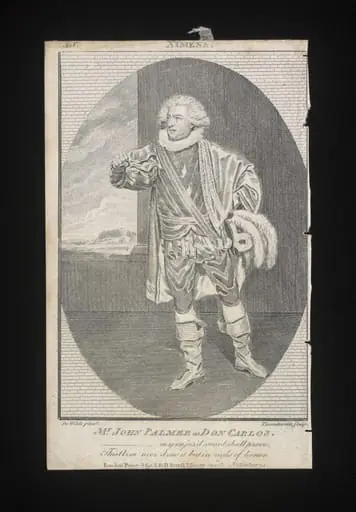 Mr John Palmer as Don Carlos
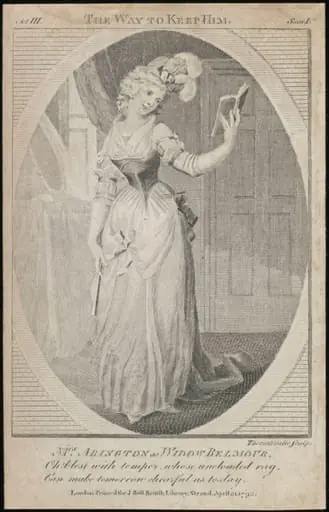 H Beard Print Collection
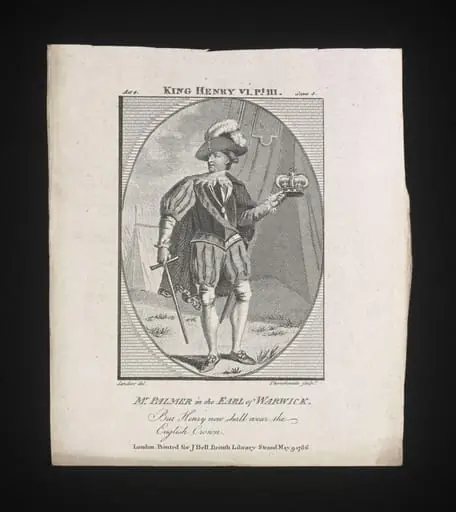 John Palmer Junior as the Earl of Warwick
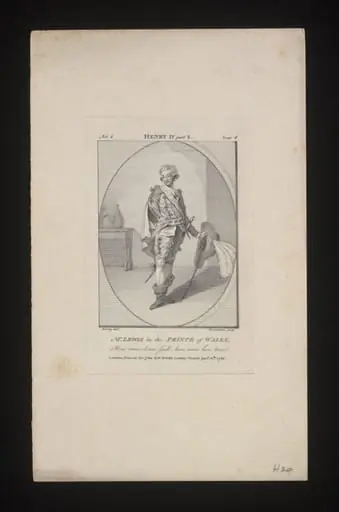 Mr. Lewis in the Prince of Wales