Artwork
Bildnis einer älteren Dame
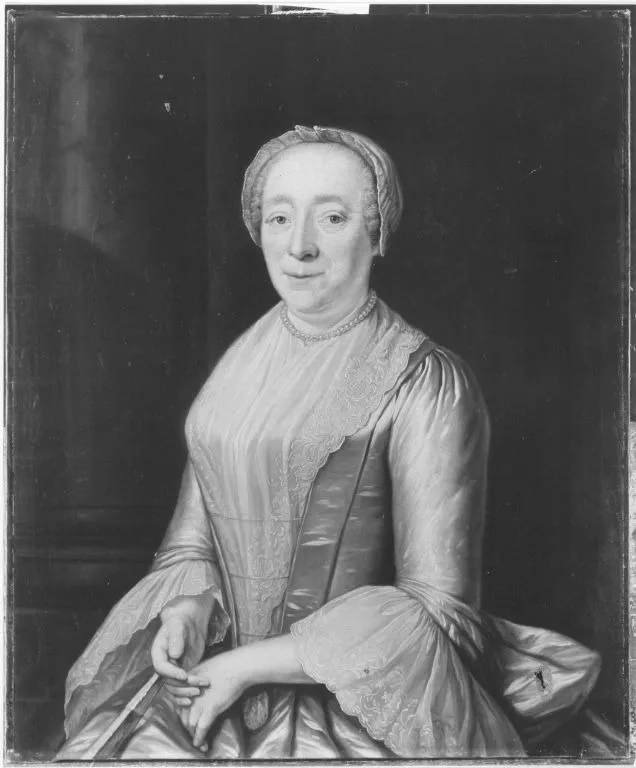
Bildnis einer älteren Dame is an unspecified painting by the Rococo painting artist Tibout Regters. It dates from 1759 and is held in the collection of the Bavarian State Painting Collections.
About this work
Overview
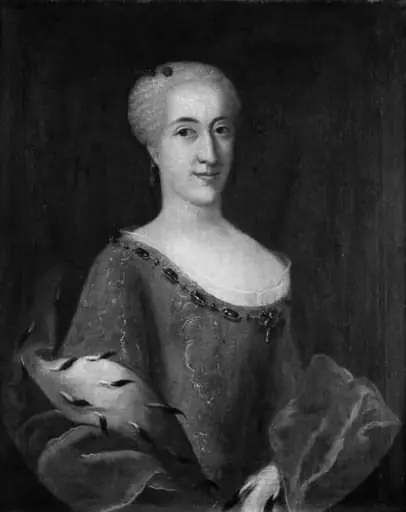
Painted in 1759 by Dutch artist Tibout Regters, this portrait depicts an elderly woman in quiet repose. Executed in oil on canvas, the work is part of the Alte Pinakothek’s collection in Munich. Its restrained composition and precise rendering reflect Regters’ focus on dignified portraiture, characteristic of mid-18th-century Dutch and Flemish conventions.
Subject & Meaning
The subject is an older woman, portrayed with solemn composure. Her clasped hands and modest attire suggest piety or social restraint, common in portraiture of the period. The absence of overt symbols or setting shifts emphasis to her presence and character, inviting contemplation rather than narrative interpretation.
Technique & Style
Regters employs a muted palette with subtle contrasts to model form, using chiaroscuro to define the folds of lace and fabric. The dark background isolates the figure, enhancing the texture of her light-colored dress and headwear. Brushwork is refined but unobtrusive, prioritizing realism over embellishment.
History & Provenance
The painting entered the Alte Pinakothek’s holdings in the 19th century, likely through acquisitions of Dutch and Flemish works. Its documented attribution to Regters and date of 1759 align with his known activity in the Netherlands during that period, though its earlier ownership remains unrecorded.
Context
Regters worked during a time when portraiture in the Northern Netherlands emphasized restraint and psychological depth over grandeur. This piece reflects the influence of earlier Dutch masters like Rembrandt, particularly in its use of light and quiet intimacy, though without theatricality.
Legacy
Though not widely known outside specialist circles, Regters’ portraits contribute to the understanding of 18th-century Dutch civic portraiture. This work exemplifies his consistent approach: unadorned, observant, and focused on the dignity of ordinary individuals within a refined visual language.
Artist & collection

 Portrait of a Lady
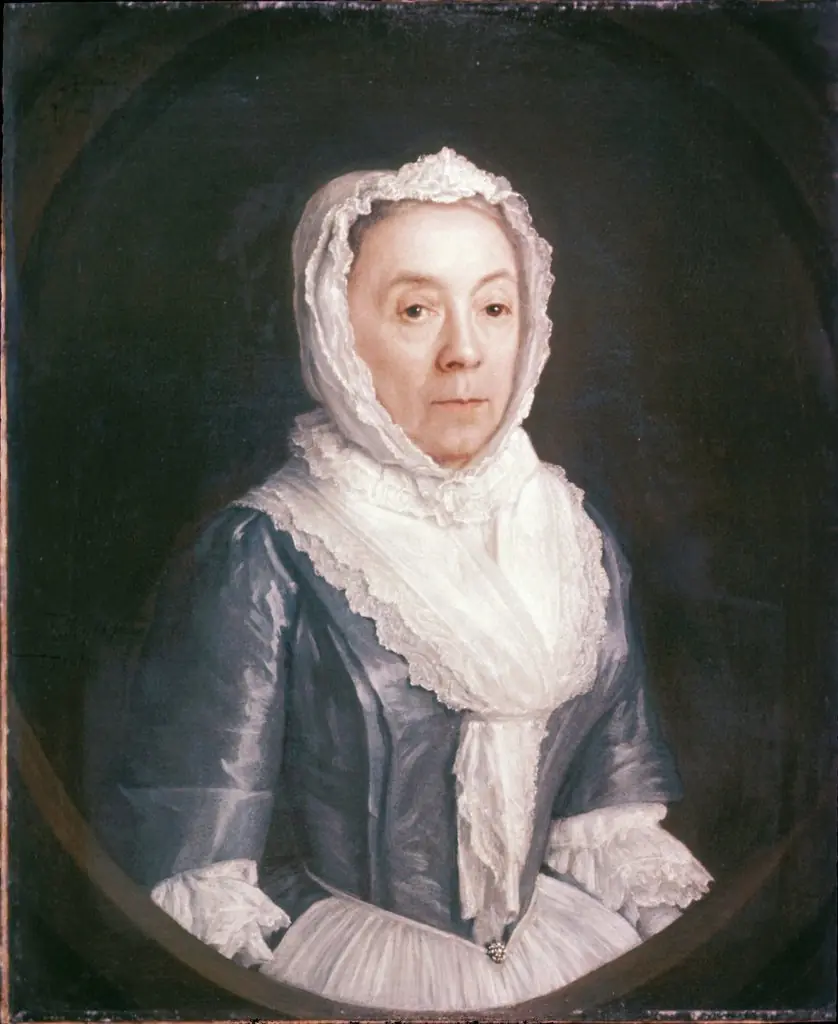 Portrait of Mrs. E.B.
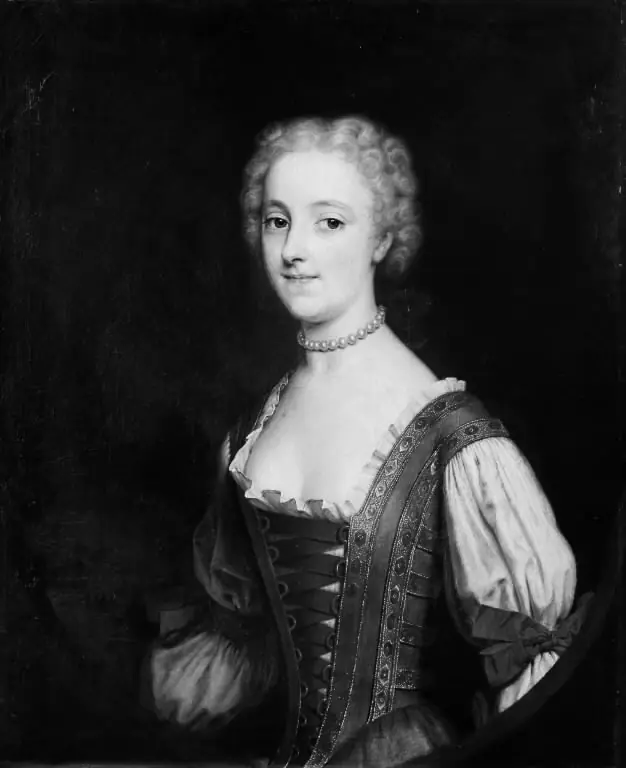 Dame i ungarsk dragt
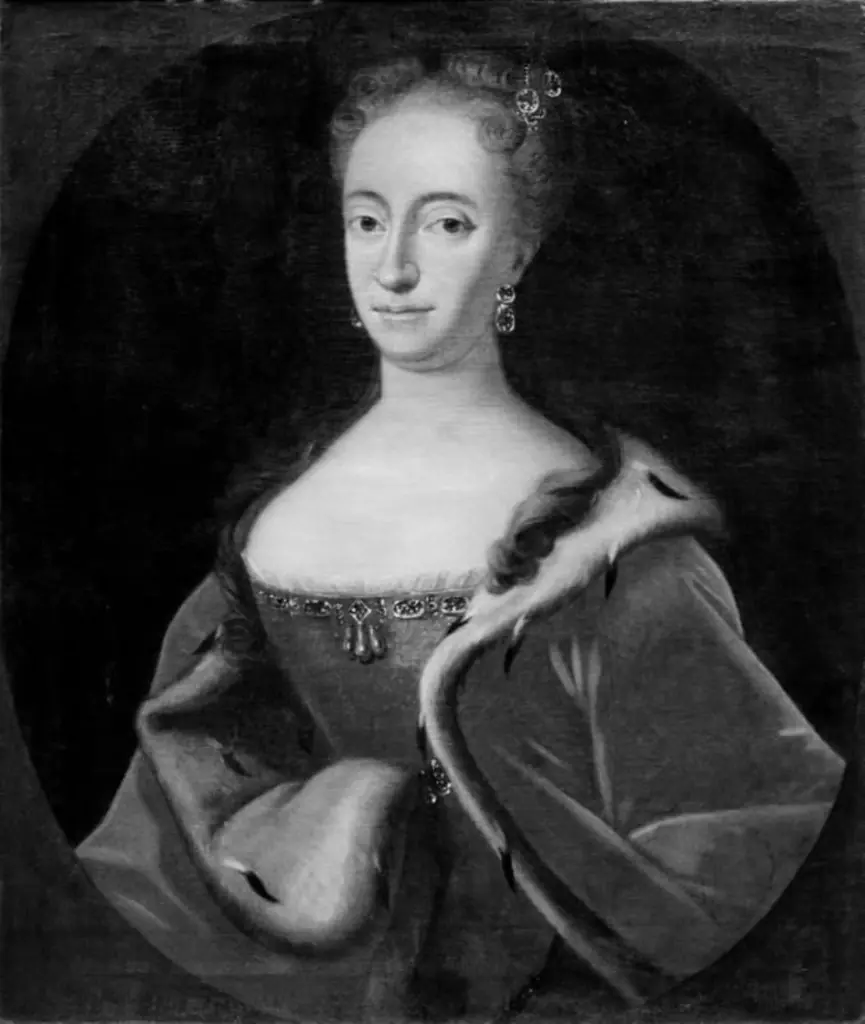 Prinsesse Sofie Hedevig ?
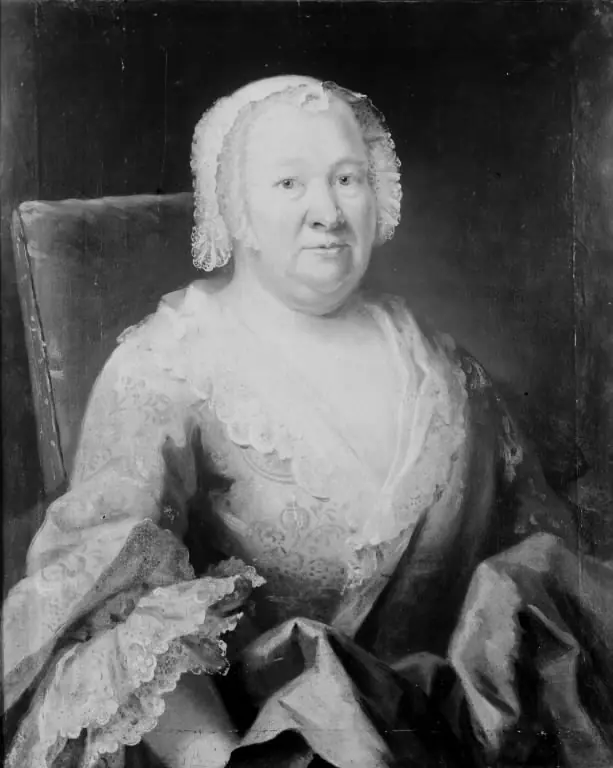 Portrait of an Elderly Woman
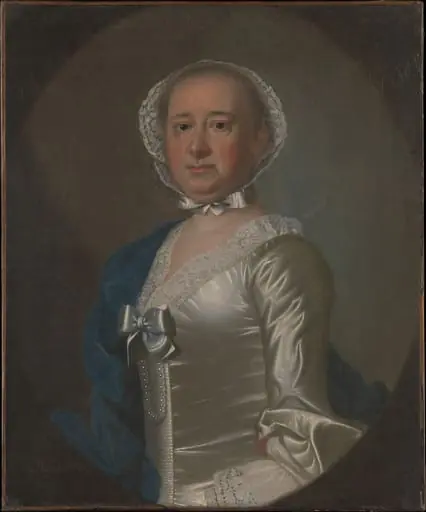 Mrs. Gabriel Manigault
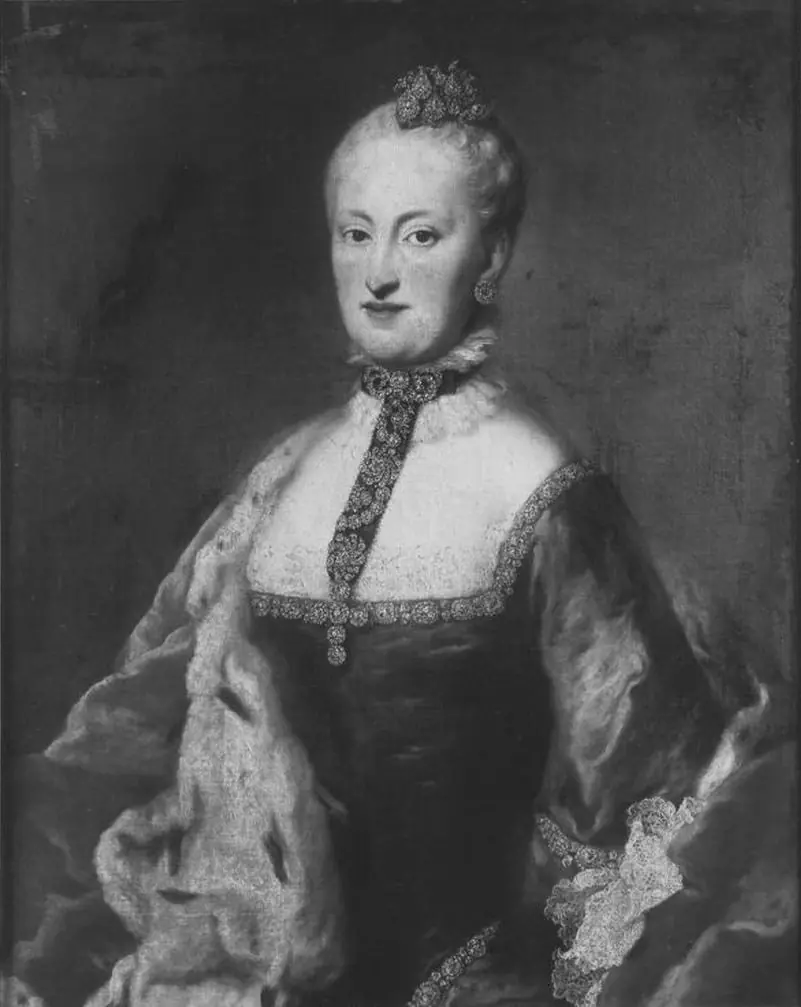 So-called portrait of Maria Anna Sophia of Saxony (1728–1797)
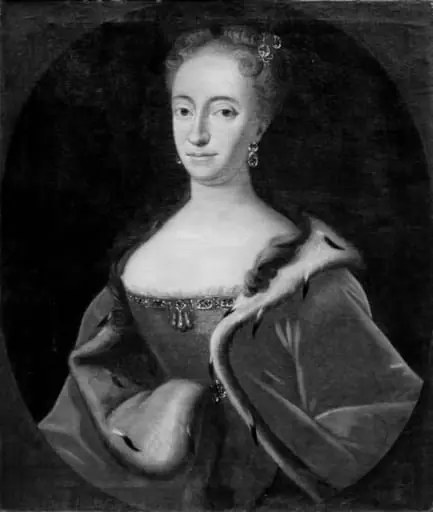 Prinsesse Sofie Hedevig ?
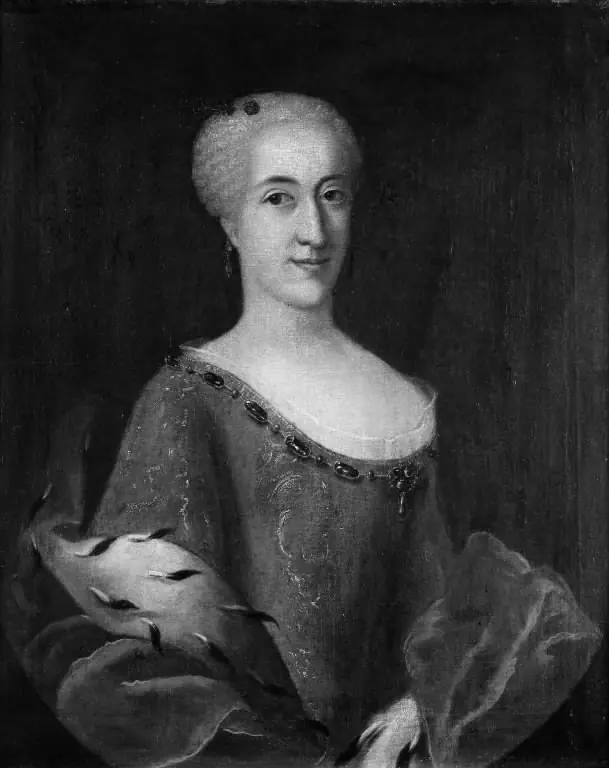 Portrait of a Lady
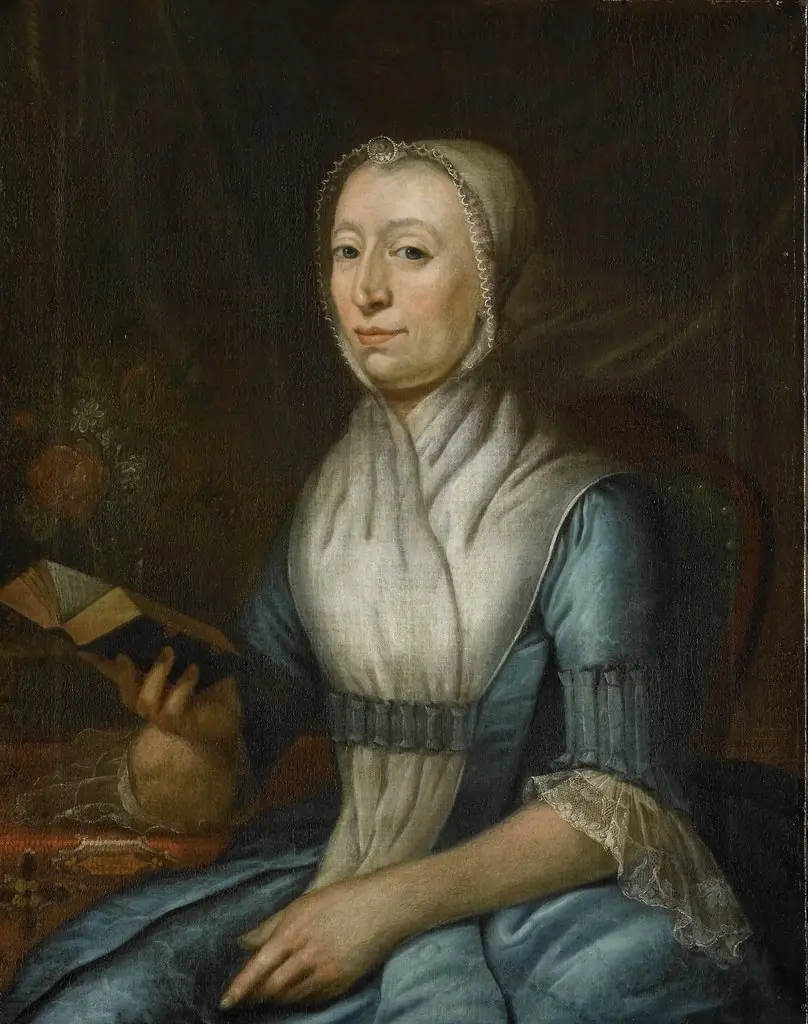 Portrait of Eva Goudriaan-de Veer
 Bildnis einer Dame
 Bildnis der Maria Anna, Gemahlin des Kurfürsten Max III. Joseph (Werkstatt)