Artwork
Portrait of Princess Victoire of France playing her harp
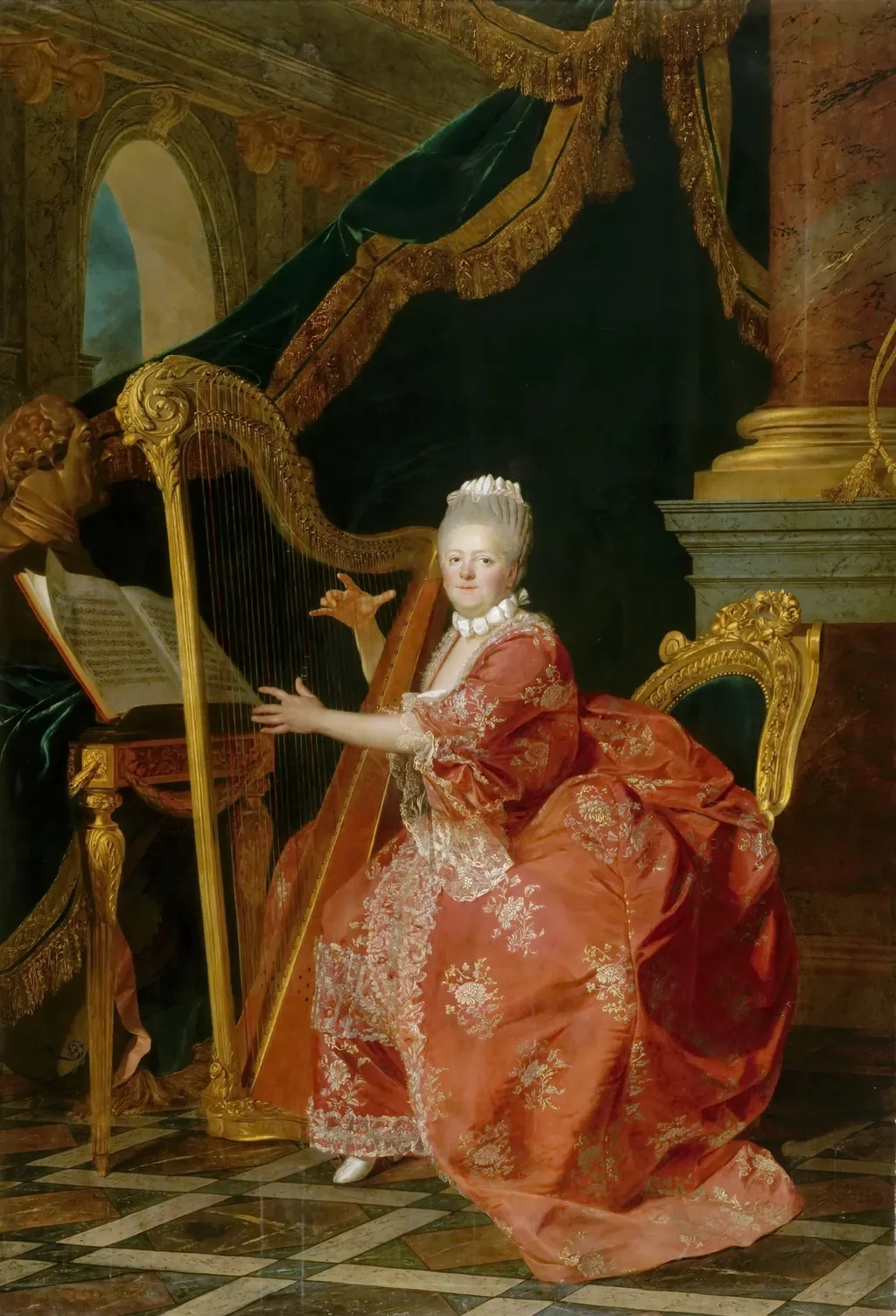
Portrait of Princess Victoire of France playing her harp is an oil painting by the Rococo painting artist Étienne Aubry. It dates from 1773 and is held in the collection of the Palace of Versailles.
About this work
Overview
It remains part of the Palace of Versailles collection, where it was likely commissioned to honor the princess’s cultural pursuits.
Painted in 1773 by French artist Étienne Aubry, this oil portrait captures Princess Victoire of France engaged with a harp. Aubry, trained under Joseph Vien and J. A. Silvestre, specialized in intimate portraiture and genre scenes, often exhibited at the Paris Salon. The work reflects the refined aesthetic of late Rococo, emphasizing grace and domestic elegance. It remains part of the Palace of Versailles collection, where it was likely commissioned to honor the princess’s cultural pursuits.
Subject & Meaning
Princess Victoire, daughter of Louis XV, is portrayed in a moment of private musical practice, reinforcing her role as a cultivated royal woman. The harp, an instrument associated with refinement and feminine virtue, underscores her education and leisurely status. Her composed posture and the absence of overt ceremony suggest an intimate, unguarded scene—intended to convey moral grace rather than political power. The setting, though luxurious, avoids grandeur, focusing instead on personal accomplishment.
Technique & Style
Aubry employed delicate brushwork to render the textures of lace, silk, and carved wood, with subtle highlights on the harp’s gilded details and the embroidery of the princess’s red gown. The dark background enhances the luminosity of her attire and skin, while the green curtain and mirror introduce depth without distraction. The composition is asymmetrical yet balanced, characteristic of Rococo’s preference for fluid, naturalistic arrangements over rigid formality.
History & Provenance
Commissioned during the final decades of Louis XV’s reign, the portrait was likely created for display within the royal apartments at Versailles. It remained in the French royal collection through the Revolution and was later formally cataloged as part of the palace’s permanent holdings. Its survival through political upheaval reflects its perceived value as a record of courtly life rather than a symbol of monarchy.
Context
In the 1770s, French royalty increasingly emphasized cultural refinement as a marker of legitimacy amid rising public scrutiny. Musical proficiency, especially among royal women, was cultivated as a sign of moral and intellectual virtue. Aubry’s portrait aligns with this trend, presenting Victoire not as a sovereign but as an embodiment of aristocratic grace—part of a broader visual language that linked art, music, and noble identity.
Legacy
The portrait endures as a quiet testament to the private lives of French princesses, offering insight into the domestic rituals of the ancien régime. Unlike grand state portraits, it avoids symbolism of power, instead capturing a moment of personal expression. Today, it contributes to scholarly understanding of how art was used to shape and preserve the image of royalty beyond political function.
Artist & collection
Artist
Étienne Aubry (1746–1781) was a French painter. He was born in Versailles. He studied under J. A. Silvestre and Joseph Vien, and soon became noted for his portraits and genre subjects. Aubry exhibited several works of…

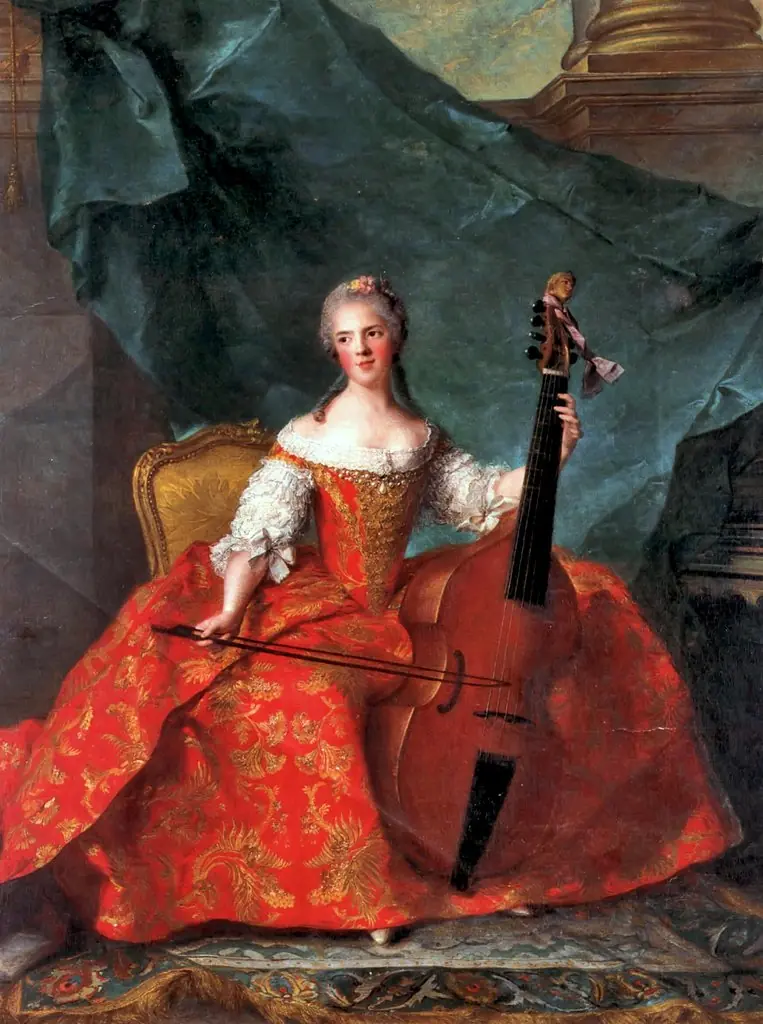 Anne-Henriette de France
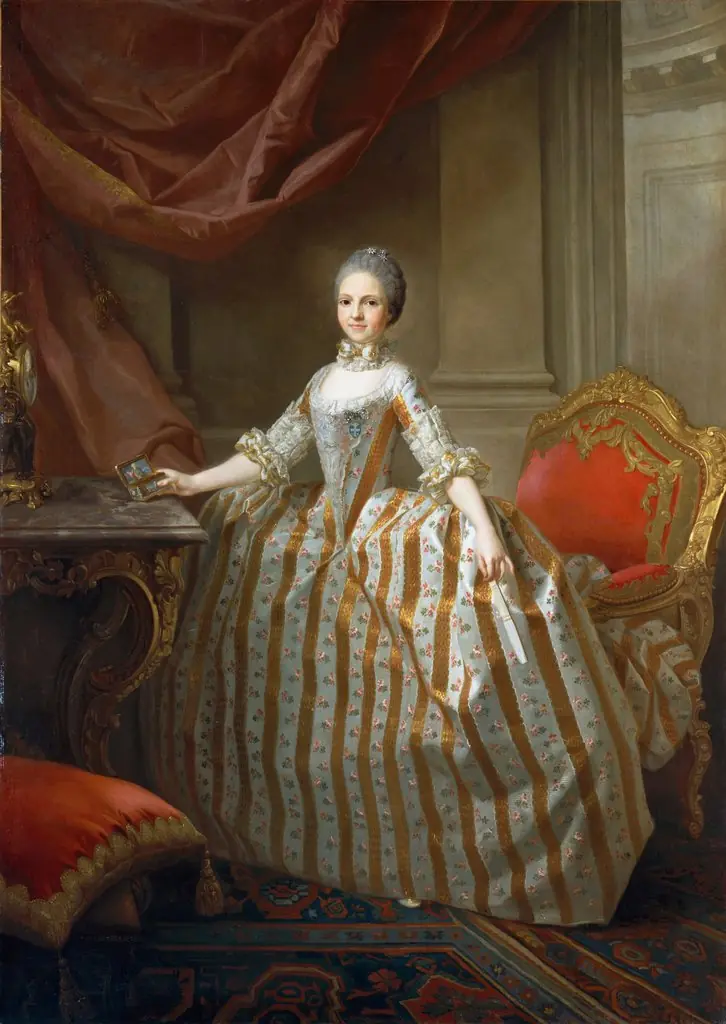 Maria Luisa of Parma (1751–1819), Later Queen of Spain
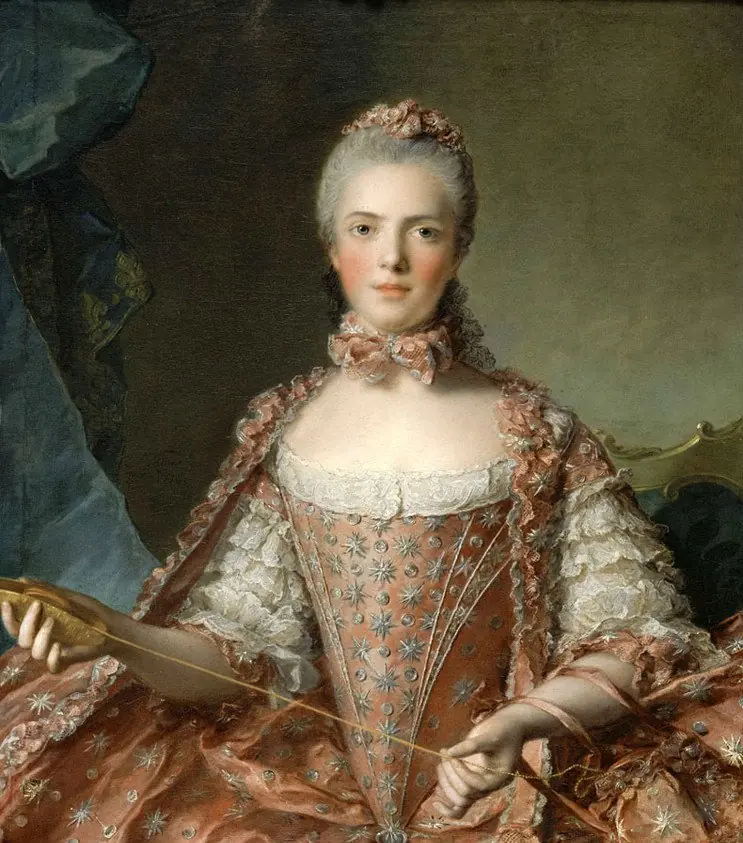 Adélaïde of France Tying Knots
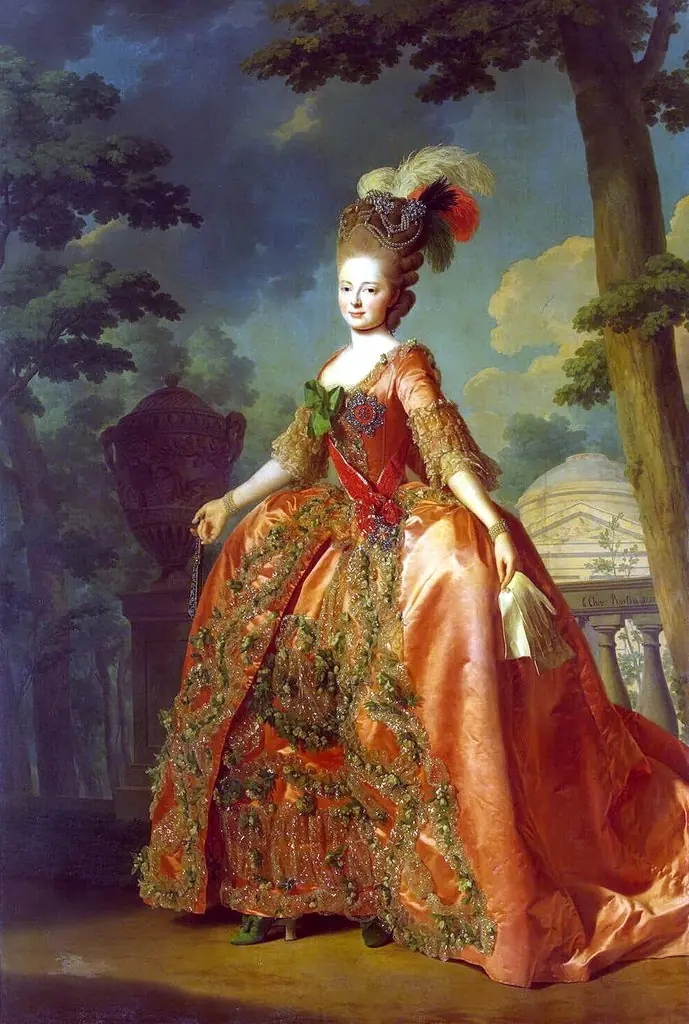 Portrait of Grand Duchess Maria Fiodorovna
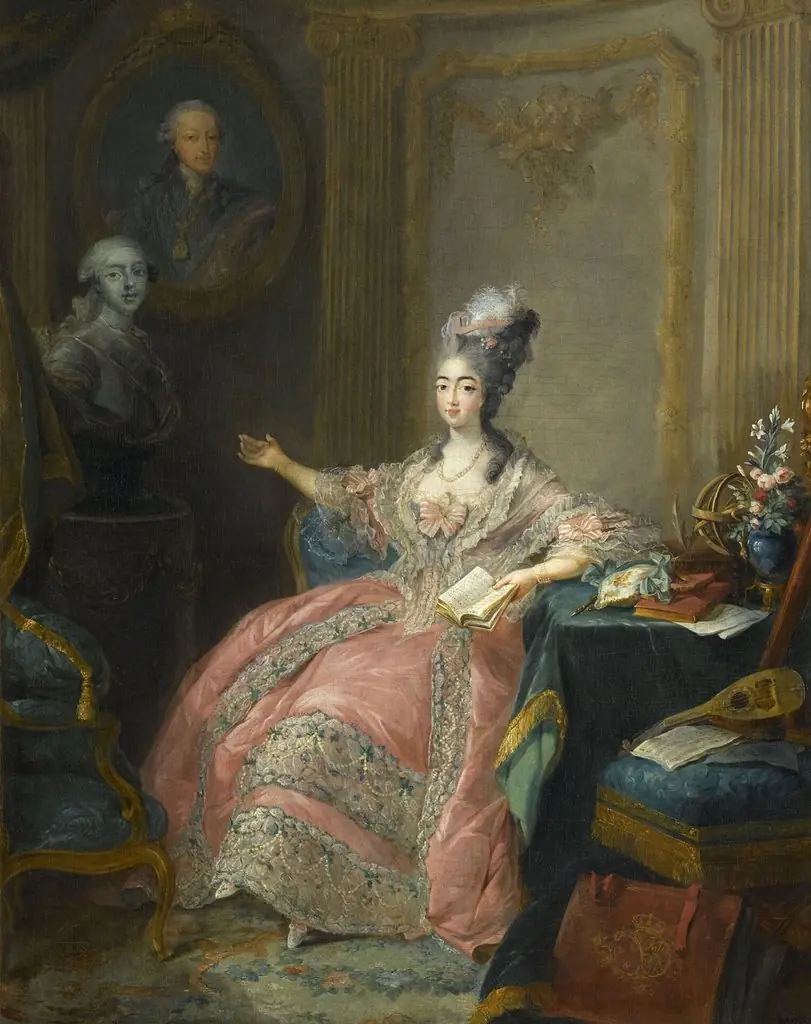 Marie-Joséphine-Louise de Savoie, Countess of Provence
 The Dowager Queen Juliane Marie of Denmark
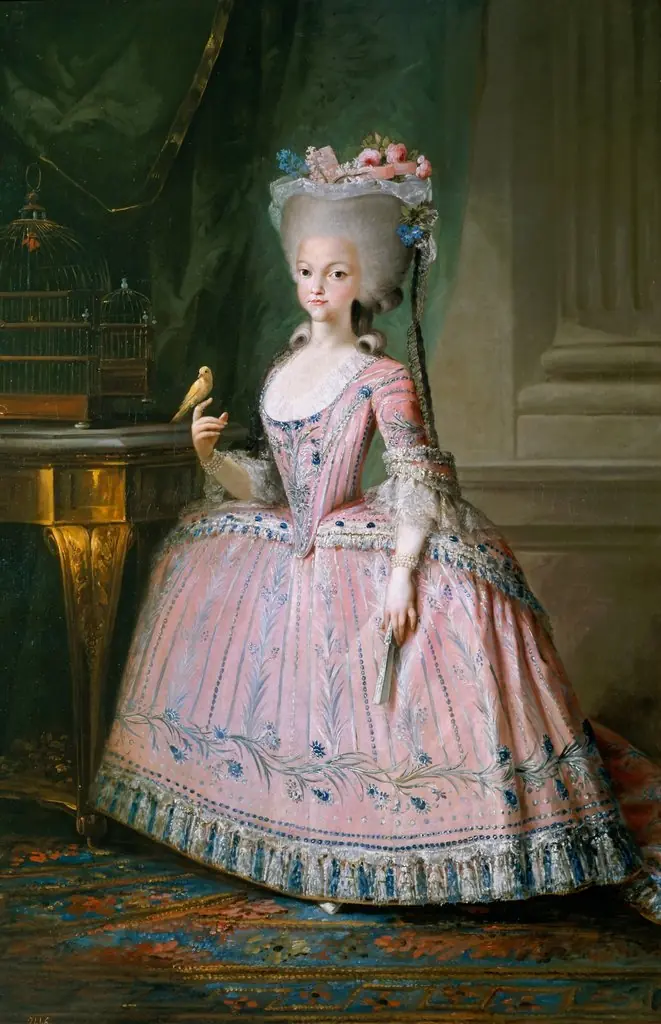 Carlota Joaquina, Infanta of Spain and Queen of Portugal
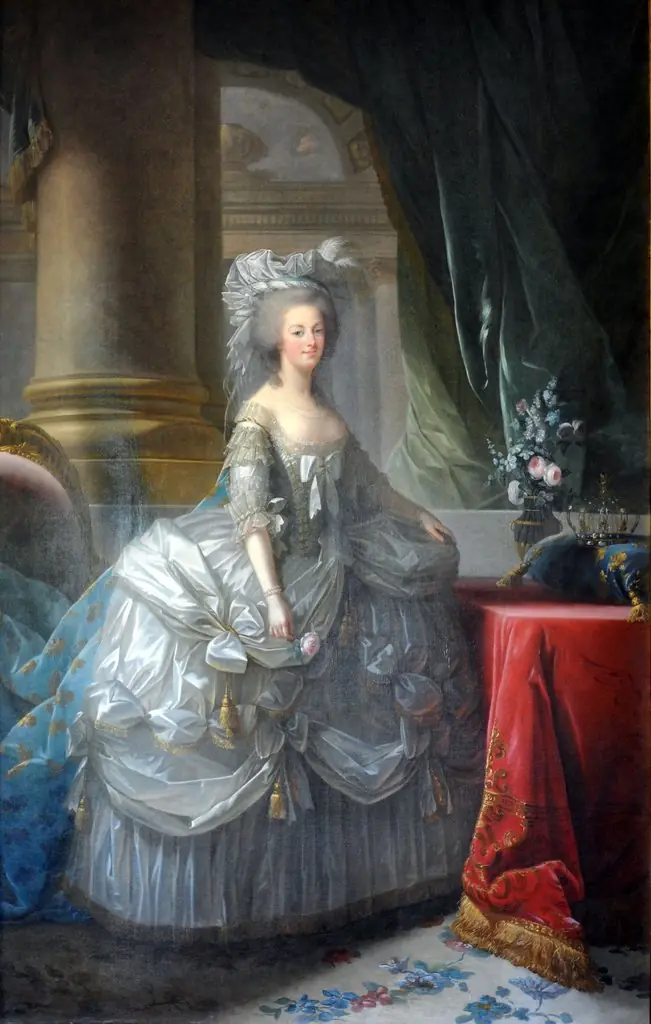 Marie Antoinette in Court Dress