Artwork
Louis-Claude Vassé, sculptor
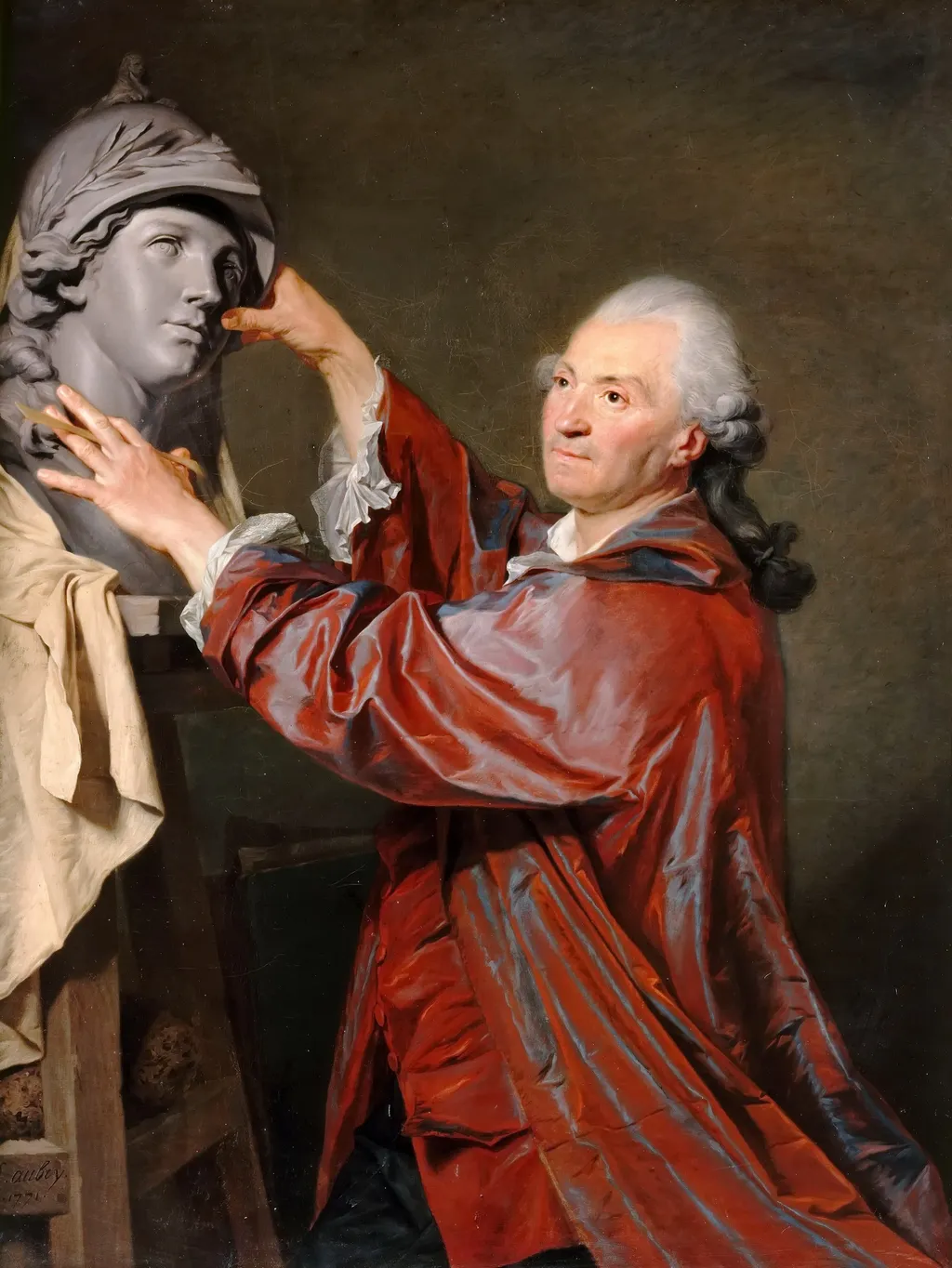
Louis-Claude Vassé, sculptor is an oil painting by the Rococo painting artist Étienne Aubry. It dates from 1771 and is held in the collection of the Palace of Versailles.
About this work
Étienne Aubry painted a portrait of Louis‑Claude Vassé in 1771. The work shows the sculptor busy carving a bust of Minerva. It was first shown at the Louvre’s Salon in 1773.
Aubry himself was only in his twenties when he made the picture. The painting stayed at the Louvre until 1921, when it moved to Versailles on long-term loan.
Next time you’re in Versailles, look for this loan.
Overview
Étienne Aubry’s 1771 portrait captures the French sculptor Louis‑Claude Vassé at his workbench, engaged in carving a marble bust of the Roman goddess Minerva. The oil painting was first presented to the public at the Salon of 1773, which was then held in the Louvre.
Subject & Meaning
The composition emphasizes Vassé’s professional identity, portraying him in the act of creating a classical figure. By choosing Minerva, the goddess of wisdom and the arts, the work underscores the sculptor’s alignment with classical ideals and intellectual virtue.
Technique & Style
Aubry, then in his twenties, employs a restrained palette and careful modeling to render both the texture of the sculptor’s tools and the emerging marble form. The painter balances fine detail in the bust with a broader, softer rendering of the surrounding studio space.
History & Provenance
After its Salon debut, the portrait entered the Louvre’s collection. In 1921 it was transferred on long‑term loan to the Palace of Versailles, where it remains displayed alongside Aubry’s portrait of Noël Hallé.
Own this work as a print
Artist & collection
Artist
Étienne Aubry (1746–1781) was a French painter. He was born in Versailles. He studied under J. A. Silvestre and Joseph Vien, and soon became noted for his portraits and genre subjects. Aubry exhibited several works of…

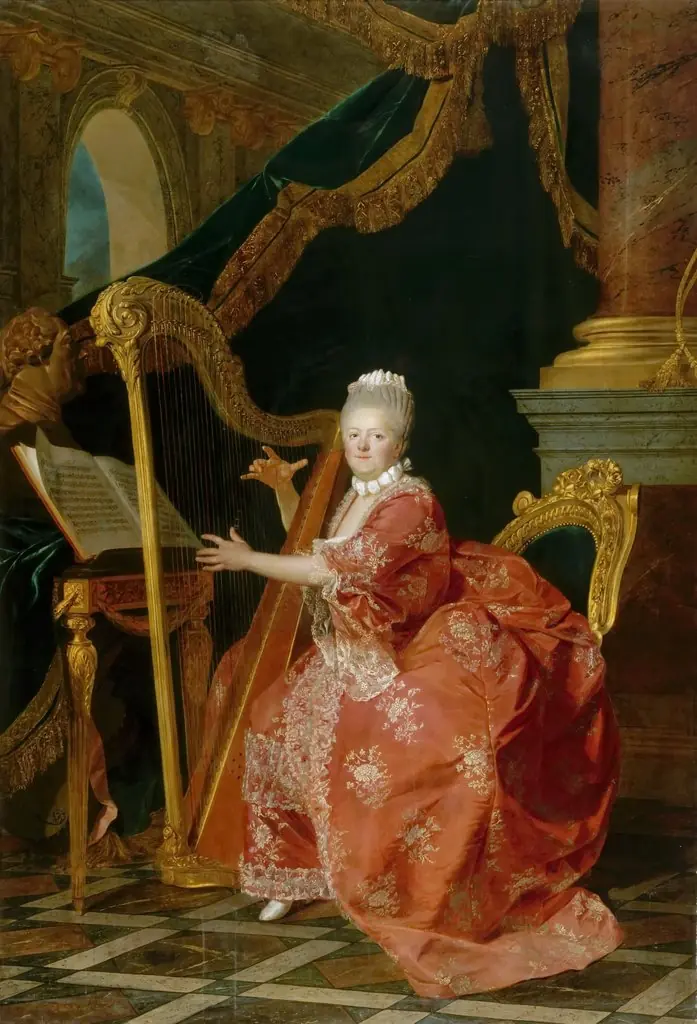
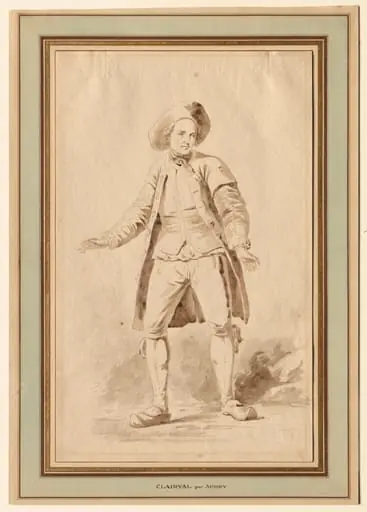
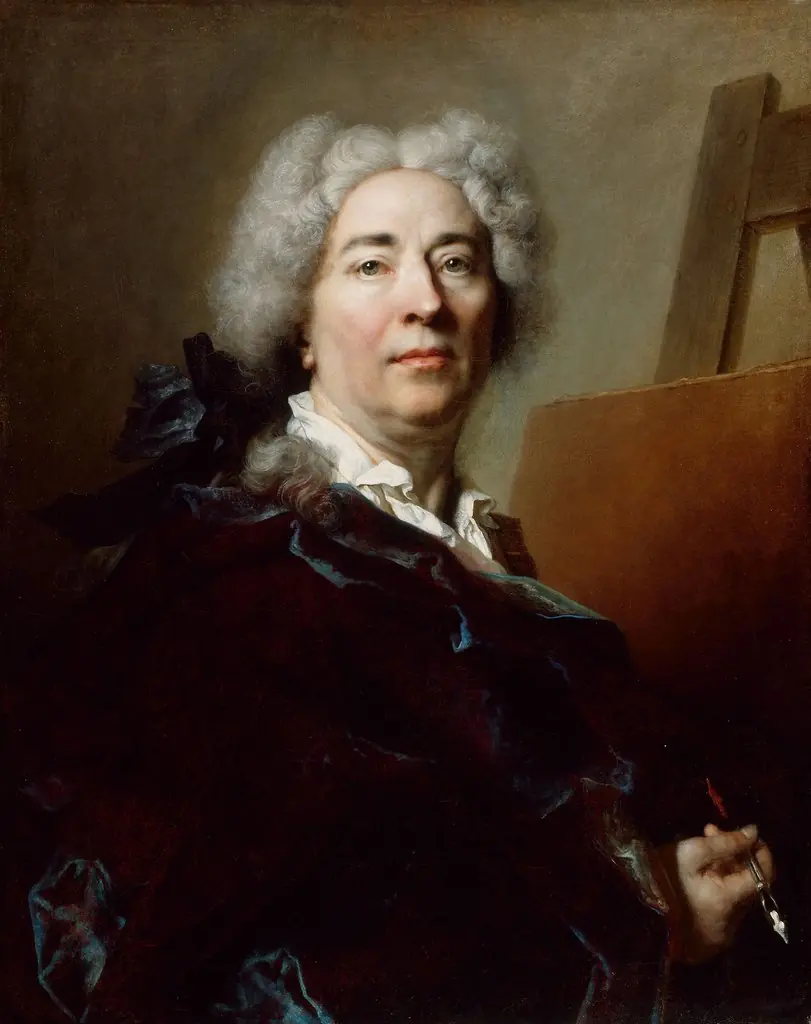 Self-Portrait
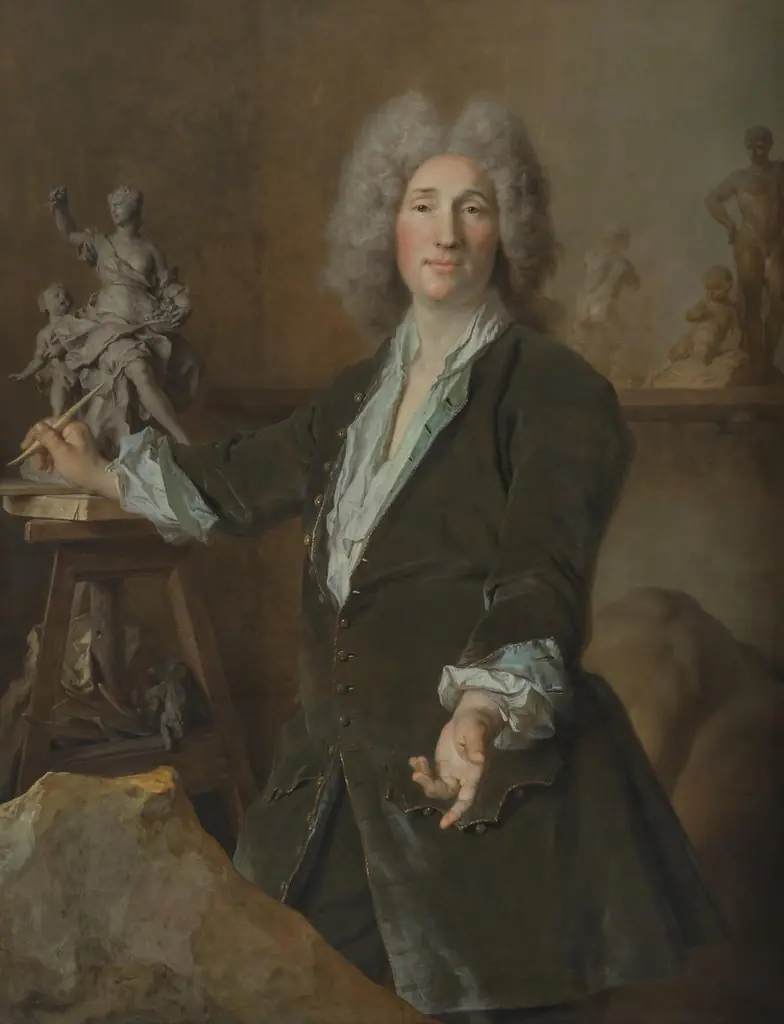 The Sculptor Nicolas Coustou in his Atelier
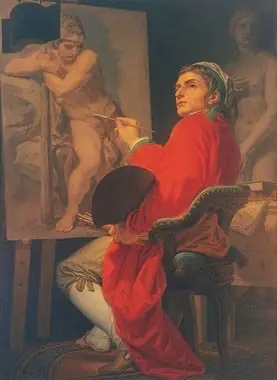 Self portrait
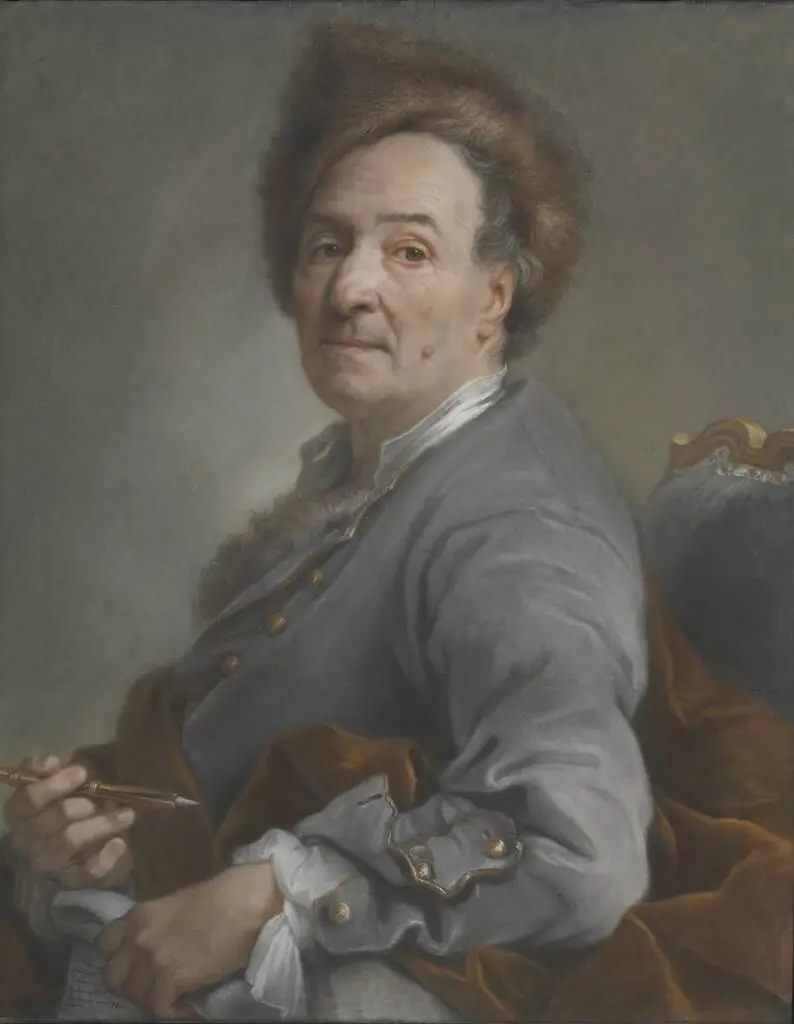 Selbstbildnis mit Pelzmütze
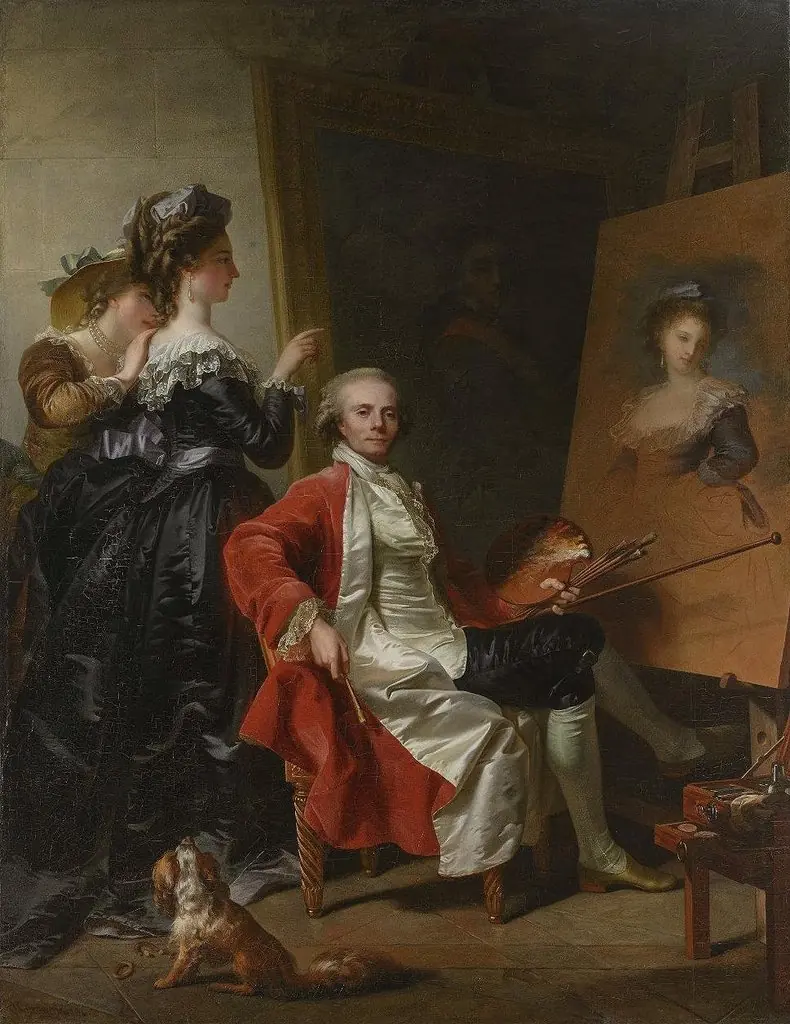 Self-Portrait with His Daughters
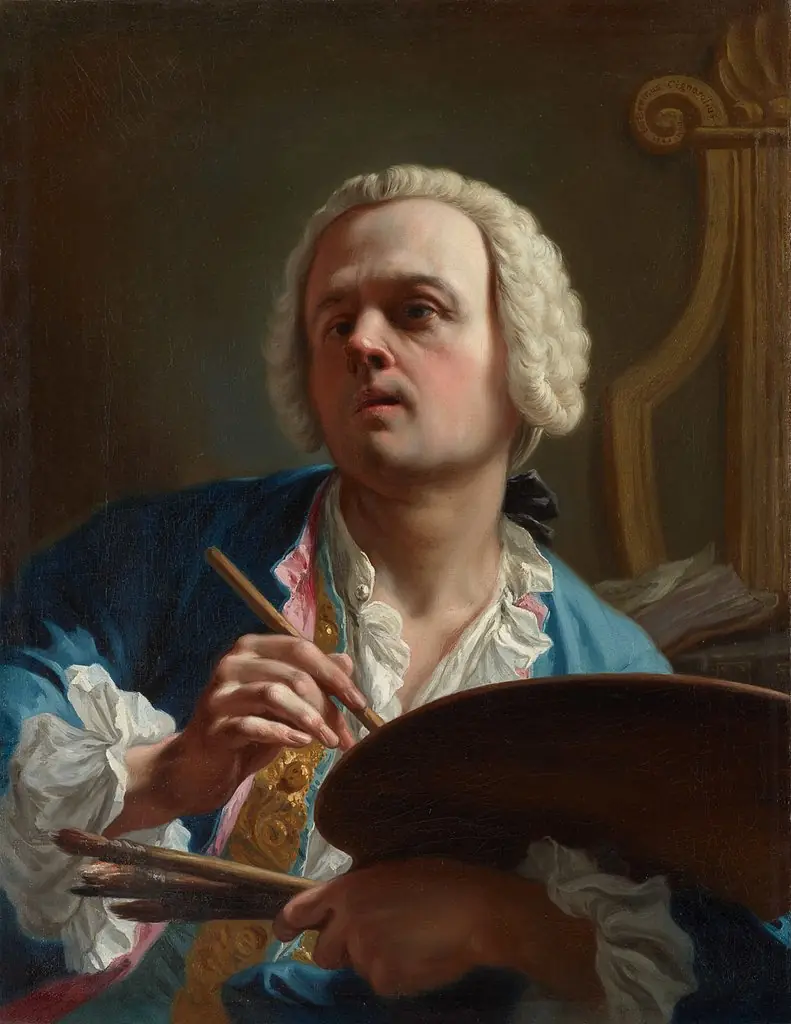 Selbstbildnis
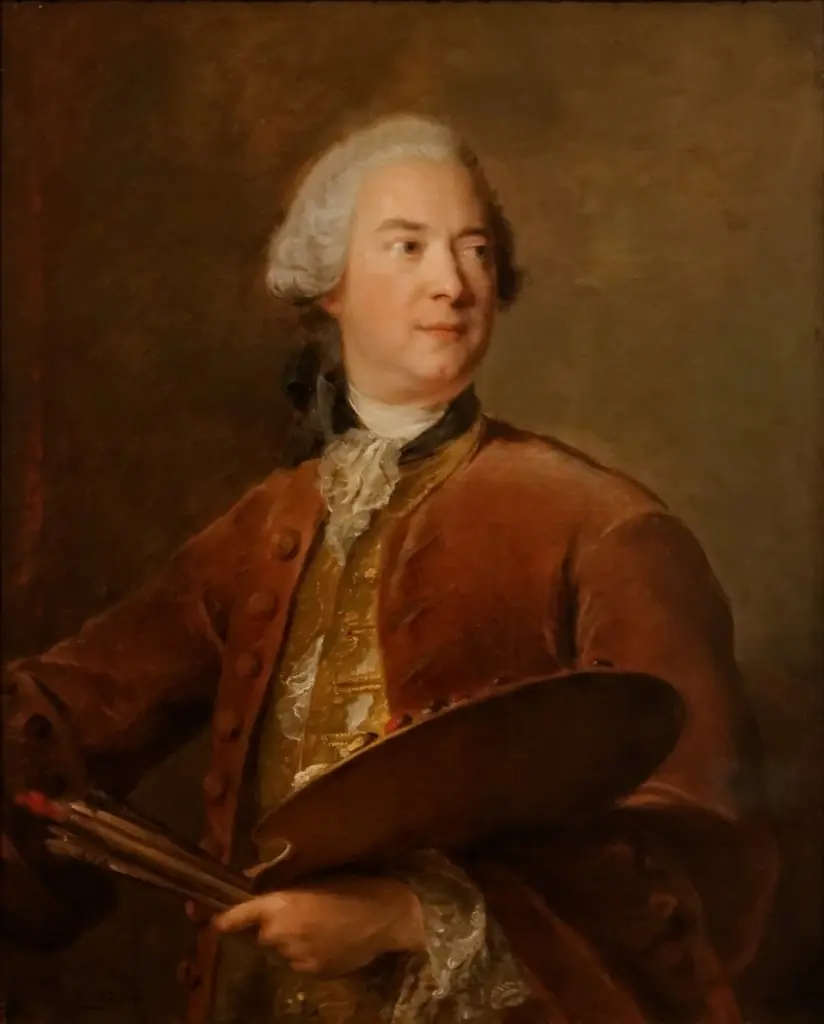 Portrait of Louis Tocqué
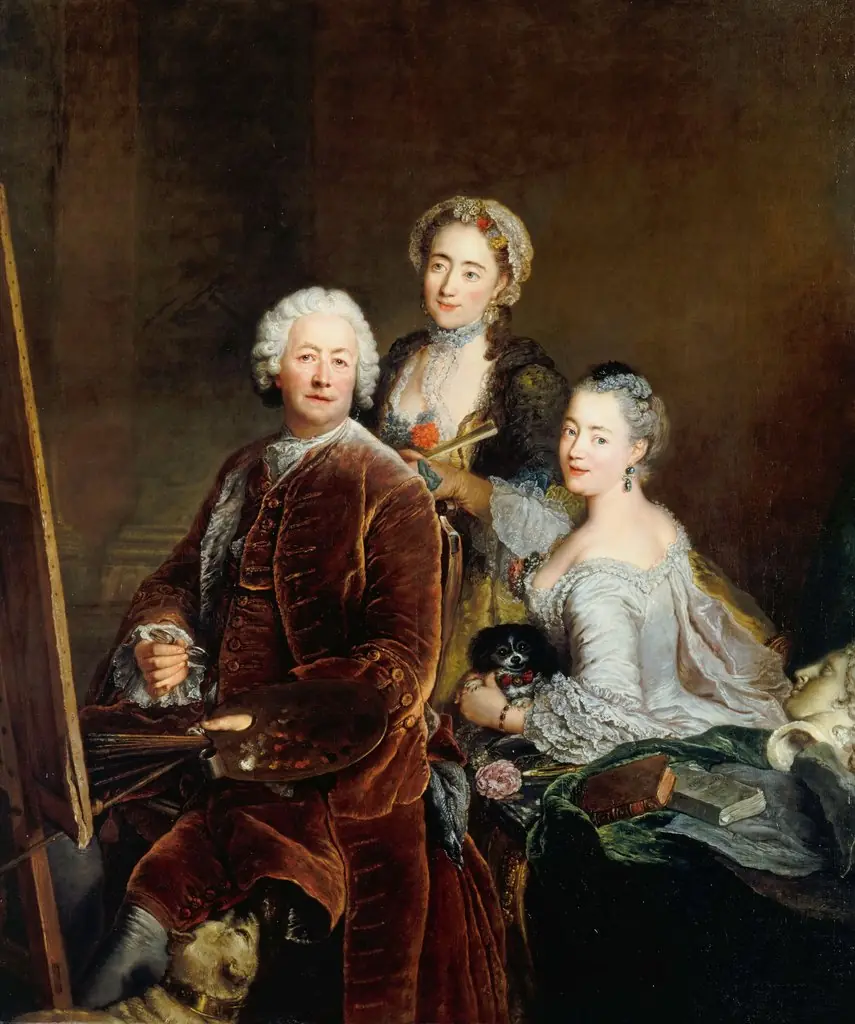 Self-portrait with Daughters Henriette Joyard and Marie de Rège in front of the easel
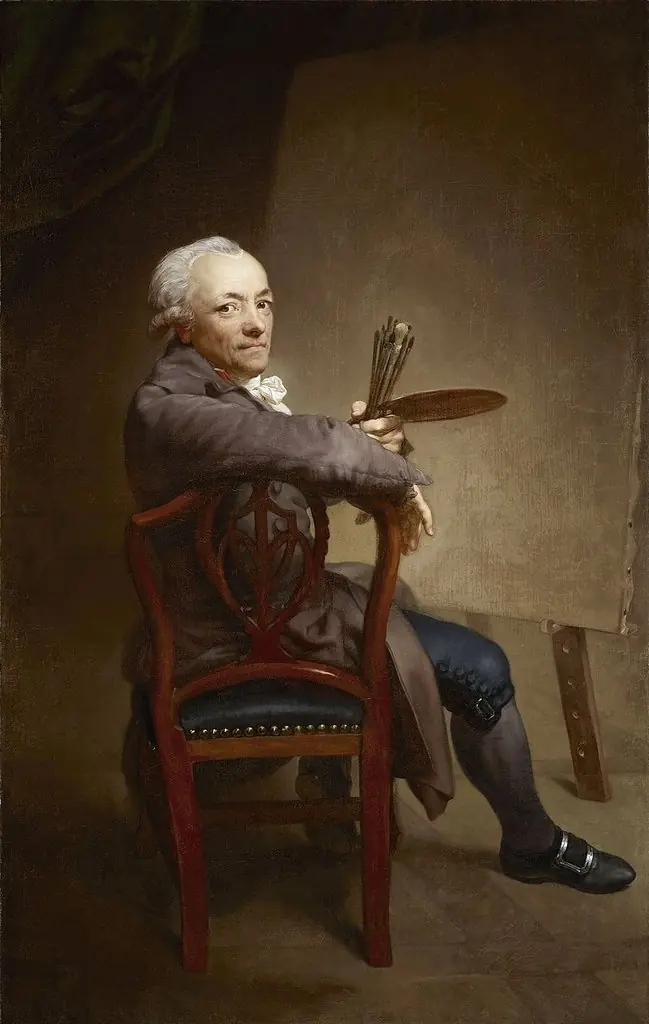 Self-Portrait at the Age of 58
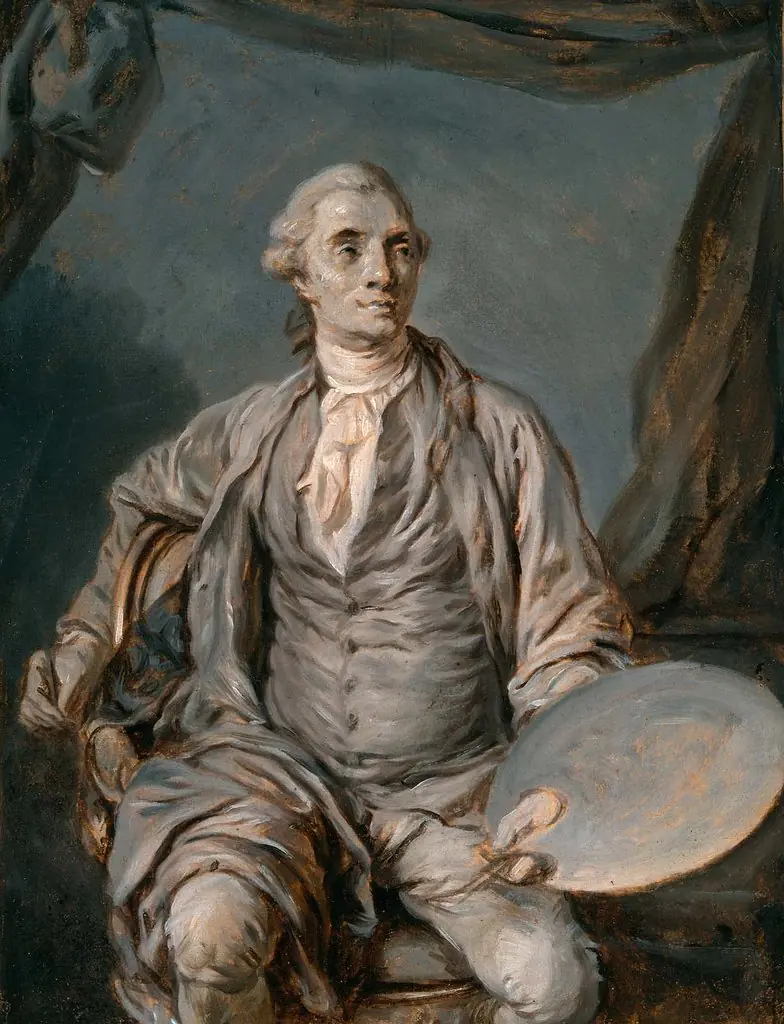 Joseph-Marie Vien with Palette
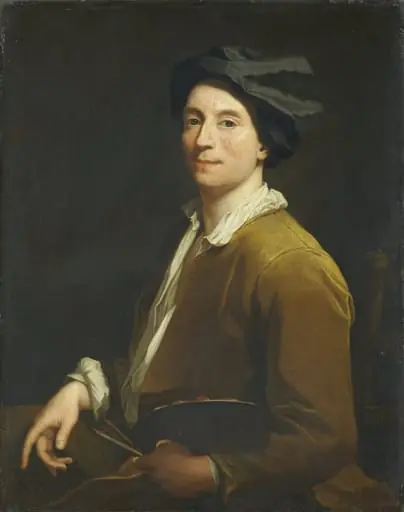 Portrait of a Painter, probably a Self Portrait
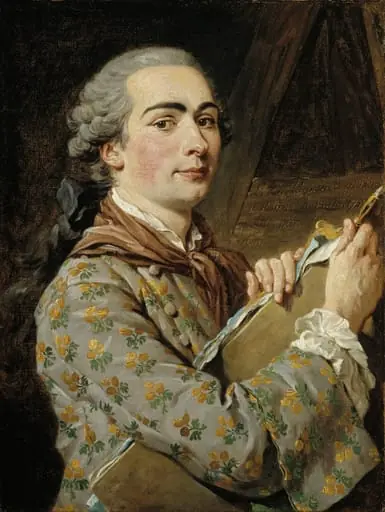 Omakuva