Artwork
Magician and Other Figures before a Burning Altar with Skull and Bones
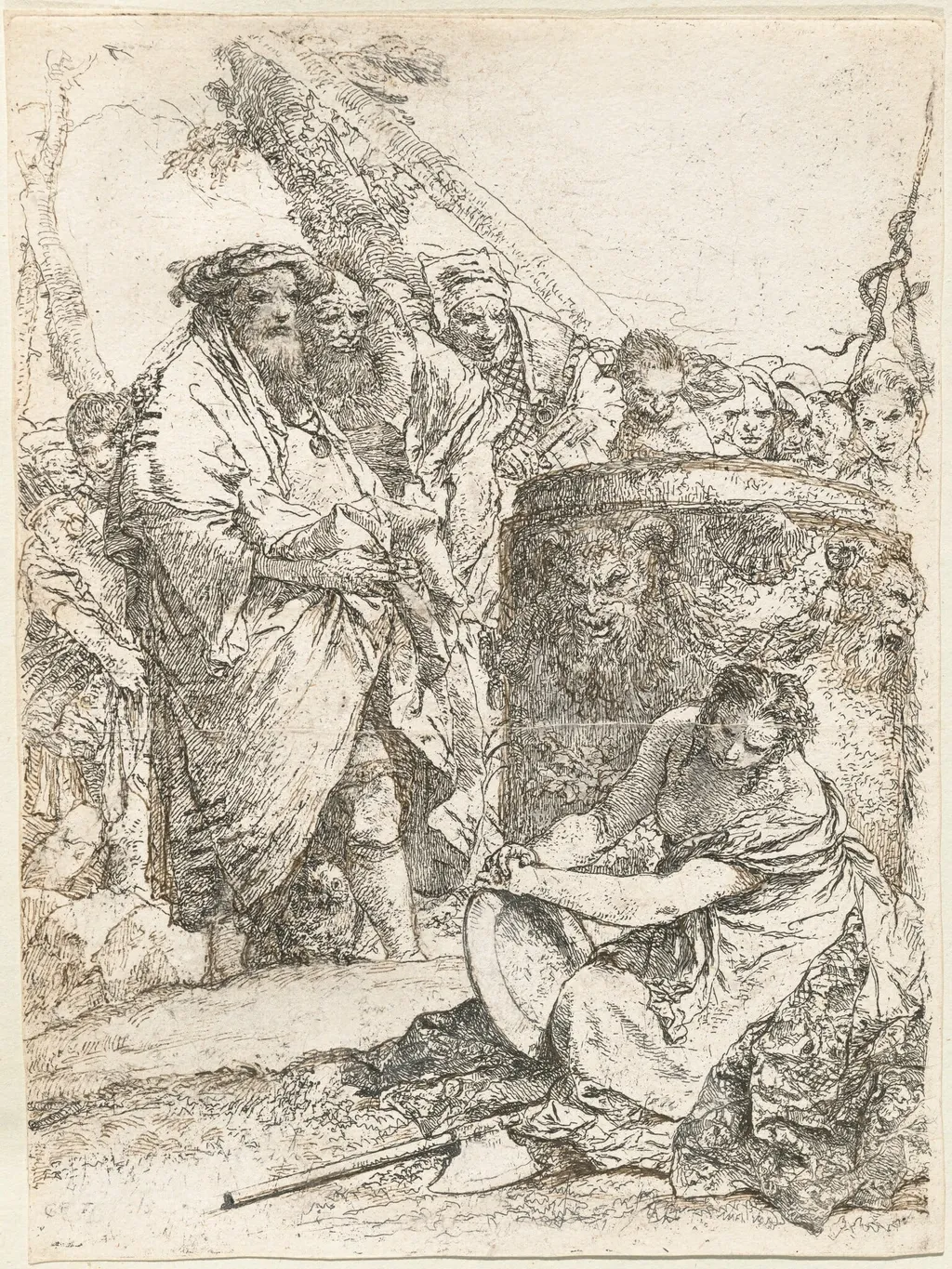
Magician and Other Figures before a Burning Altar with Skull and Bones is an ink print by the Baroque artist Giovanni Battista Tiepolo. It dates from 1733 and is held in the collection of the National Gallery of Art.
About this work
Overview
It belongs to a series of experimental prints made during his early career, when he explored dramatic, imaginative subjects beyond his large-scale frescoes.
Created in 1733, this print by Giovanni Battista Tiepolo combines etching with hand-applied pen work and washes of opaque white and gray. It belongs to a series of experimental prints made during his early career, when he explored dramatic, imaginative subjects beyond his large-scale frescoes. The layered technique—etching lines intensified with ink and tonal washes—reveals his interest in printmaking as a medium for atmospheric storytelling rather than mere reproduction.
Subject & Meaning
A group of robed figures gathers before an altar engulfed in flame, surrounded by skeletal remains. Their postures suggest ritual or invocation, yet their faces remain obscured, denying clear narrative identification. The presence of bones and fire evokes themes of mortality and the occult, but no specific myth or text is referenced. The scene’s ambiguity invites interpretation as a meditation on power, transience, or unseen forces, leaving its meaning deliberately unresolved.
Technique & Style
Tiepolo used etching to lay down dense, swirling lines that suggest movement and shadow, then reinforced them with pen and brown ink to deepen contrasts. Opaque washes of white and gray were applied to model form and heighten the glow of the flames, while scratching into the plate added texture to the ground and robes. The result is a dynamic, almost sketch-like surface that balances control with spontaneity, characteristic of his experimental approach to printmaking.
History & Provenance
This print emerged during Tiepolo’s formative years in Venice, before his major commissions in Germany and Spain. It was likely produced for private collectors interested in his imaginative work, distinct from his public frescoes. Few impressions survive, and its early history is undocumented, but it was recognized by later connoisseurs as an example of his rare, non-narrative prints that pushed the boundaries of the medium in the early 18th century.
Context
In the 1730s, Venetian artists were exploring theatrical and fantastical imagery, influenced by stage design and the popularity of allegorical subjects. Tiepolo’s print aligns with this trend, yet diverges by avoiding clear symbolism. Unlike contemporaries who illustrated literary scenes, he favored enigmatic compositions that emphasized mood over story, reflecting a broader shift toward expressive, introspective art in the late Baroque period.
Legacy
Though not widely circulated in Tiepolo’s lifetime, this print later influenced artists interested in the expressive potential of etching. Its atmospheric density and unresolved narrative prefigured Romantic-era explorations of the sublime and the mysterious. Today, it stands as a testament to Tiepolo’s versatility—demonstrating that his genius extended beyond grand frescoes into the intimate, experimental realm of the printed image.
Artist & collection

Artist
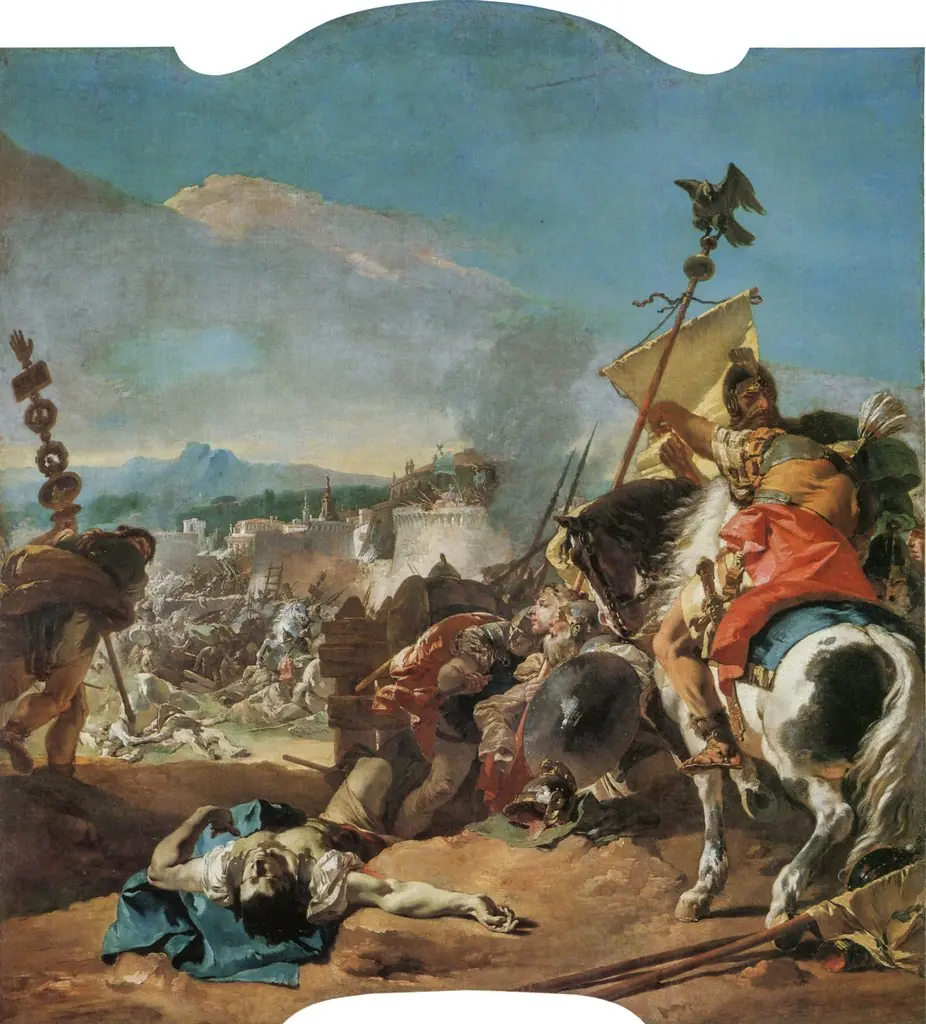
Giovanni Battista Tiepolo, also known as Giambattista Tiepolo, was an Italian painter and printmaker from the Republic of Venice who painted in the Rococo style, considered an important member of the 18th-century Venetian school.

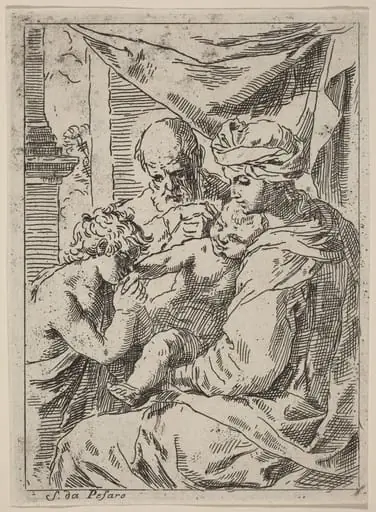 The Virgin and Child with Saint John
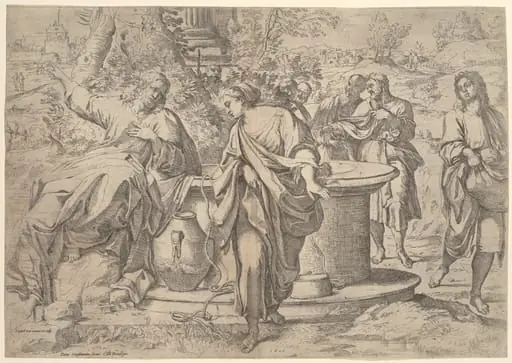 Christ and the Samaritan Woman
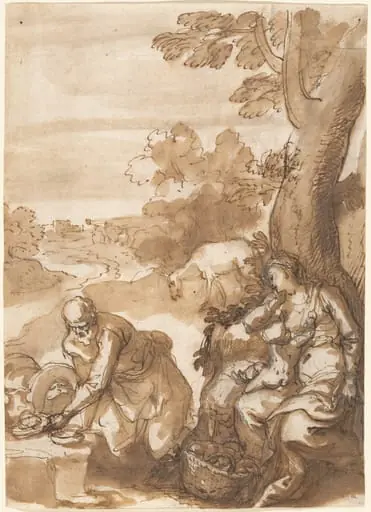 Rest on the Flight into Egypt
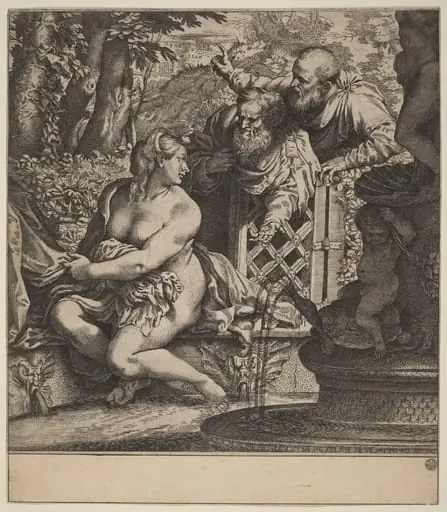 Susanna and the Elders
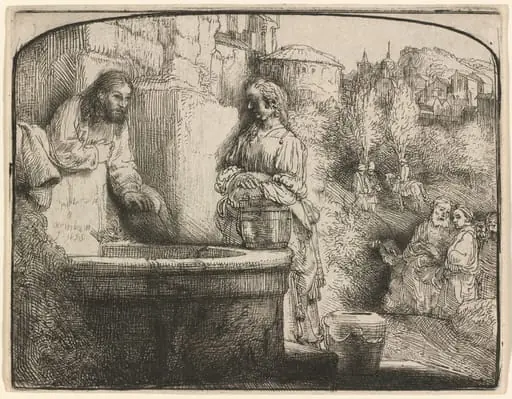 Christ and the Woman of Samaria: an Arched Print
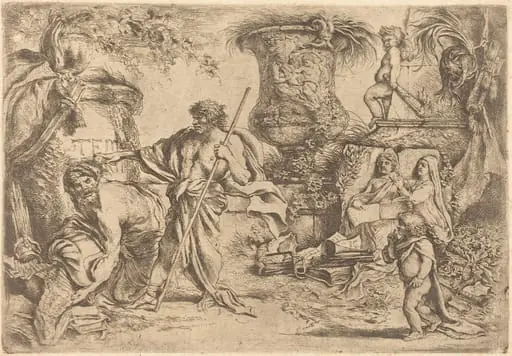 Temporalitas Aeternitas
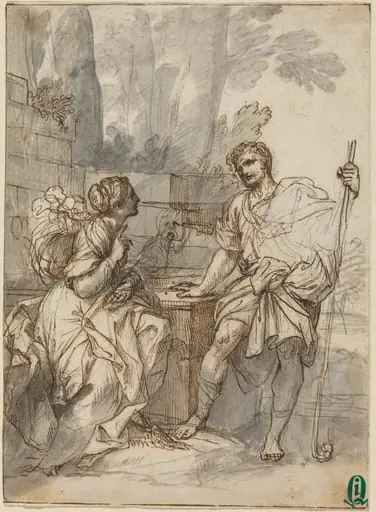 Pastoral Scene
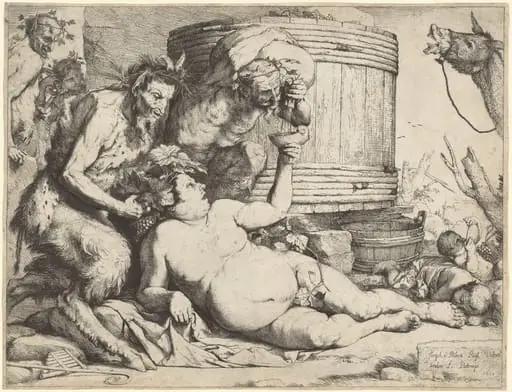 The Drunken Silenus
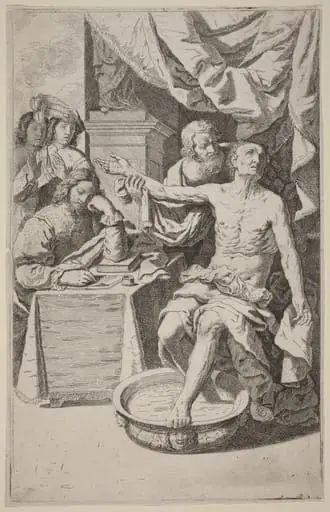 Death of Seneca
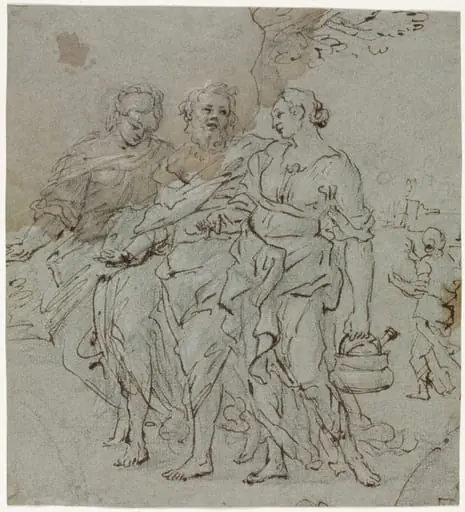 Lot and His Daughters (recto)
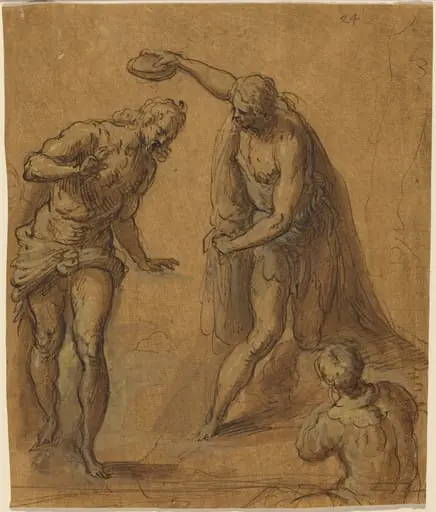 Sketch for a Baptism of Christ
 The Dream of Aeneas