Artwork
A Kneeling Man Holding a Staff [recto]
![A Kneeling Man Holding a Staff [recto], by Jacopo Tintoretto, charcoal, 1554](https://artifactworldgallery.com/img/jacopo-tintoretto--a-kneeling-man-holding-a-staff-recto--2f82606e21baed93-w1024.webp)
A Kneeling Man Holding a Staff [recto] is a charcoal drawing by the Renaissance artist Jacopo Tintoretto. It dates from 1554 and is held in the collection of the National Gallery of Art.
About this work
Overview
This drawing, executed around 1554, features a kneeling male figure clutching a staff, rendered in charcoal with selective white highlights on blue laid paper.
This drawing, executed around 1554, features a kneeling male figure clutching a staff, rendered in charcoal with selective white highlights on blue laid paper. Attributed to Jacopo Tintoretto, it reflects his practice of studying human form through rapid, expressive sketches. The choice of colored paper and contrastive medium suggests preparatory intent, possibly for a larger composition involving dynamic posture and emotional tension.
Subject & Meaning
The figure, bent in a posture of submission or supplication, holds a staff that may symbolize authority, pilgrimage, or labor. Its lack of contextual detail focuses attention on bodily strain and gesture, characteristic of Tintoretto’s interest in physical expression over narrative clarity. The pose invites interpretation as a moment of inner conflict or devotion, stripped of ornament to emphasize emotional gravity.
Technique & Style
Tintoretto employed charcoal for its malleability, building form with broad strokes and refining contours with white chalk to suggest light striking muscle and fabric. The blue paper provides a mid-tone ground, enhancing the contrast between shadow and highlight. His technique is direct and economical, prioritizing movement and volume over finish—hallmarks of his rapid, instinctive approach to drawing.
History & Provenance
The drawing’s early ownership is undocumented, but it entered a major collection in the 19th century, where it was recognized as a work by Tintoretto based on stylistic parallels with his known sketches. Its preservation in good condition reflects careful handling over centuries. No definitive link to a specific painting or commission has been established, though its energy aligns with his preparatory studies for religious scenes.
Context
In mid-16th century Venice, artists frequently used colored papers for studies to explore light and form efficiently. Tintoretto, working amid the Mannerist emphasis on expressive anatomy, relied on such drawings to rehearse complex poses before large-scale commissions. This piece exemplifies the workshop practice of rapid figure studies, distinct from finished works yet vital to his creative process.
Legacy
The drawing contributes to understanding Tintoretto’s working methods, revealing how he translated physical tension into painted narratives. Its survival offers insight into the role of preparatory sketches in Renaissance studios, where spontaneity and observation were valued as much as polished final products. It remains a key example of Venetian draftsmanship from a period rich in experimental drawing practices.
Artist & collection
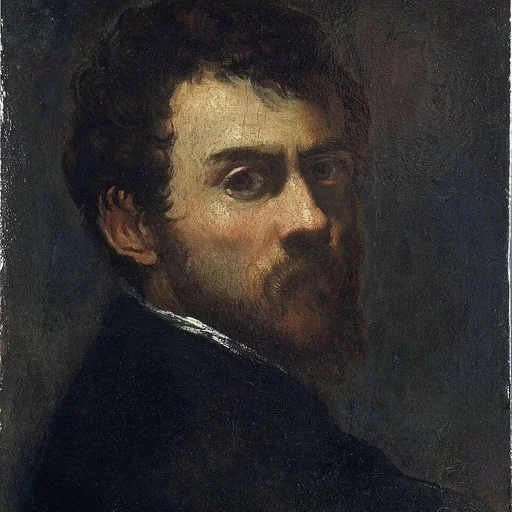
Artist
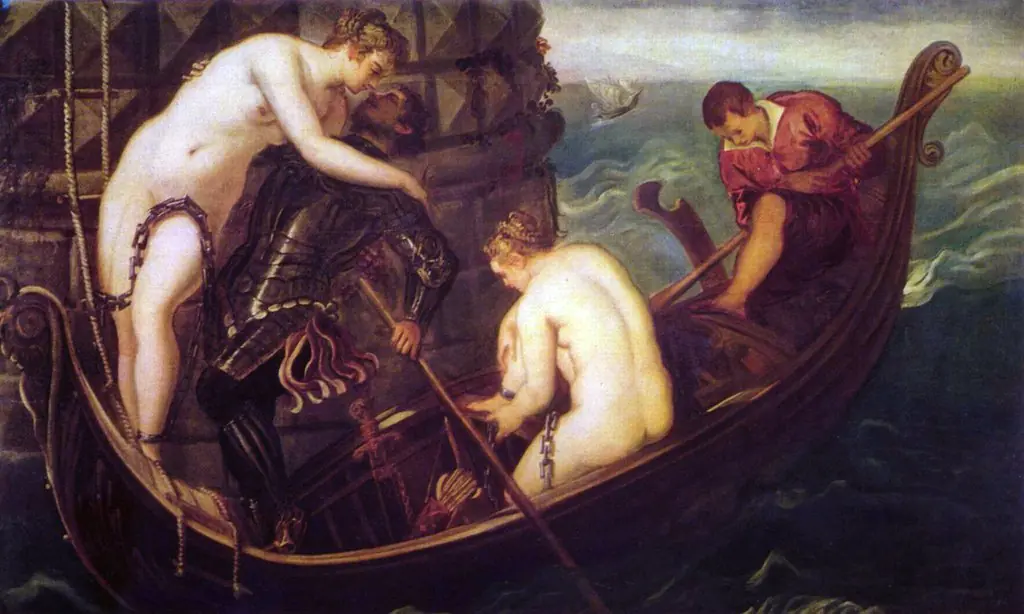
Jacopo Robusti (late September or early October 1518 – 31 May 1594), best known as Tintoretto ( TIN-tə-RET-oh; Italian: ; Venetian: ), was an Italian Renaissance painter of the Venetian school.

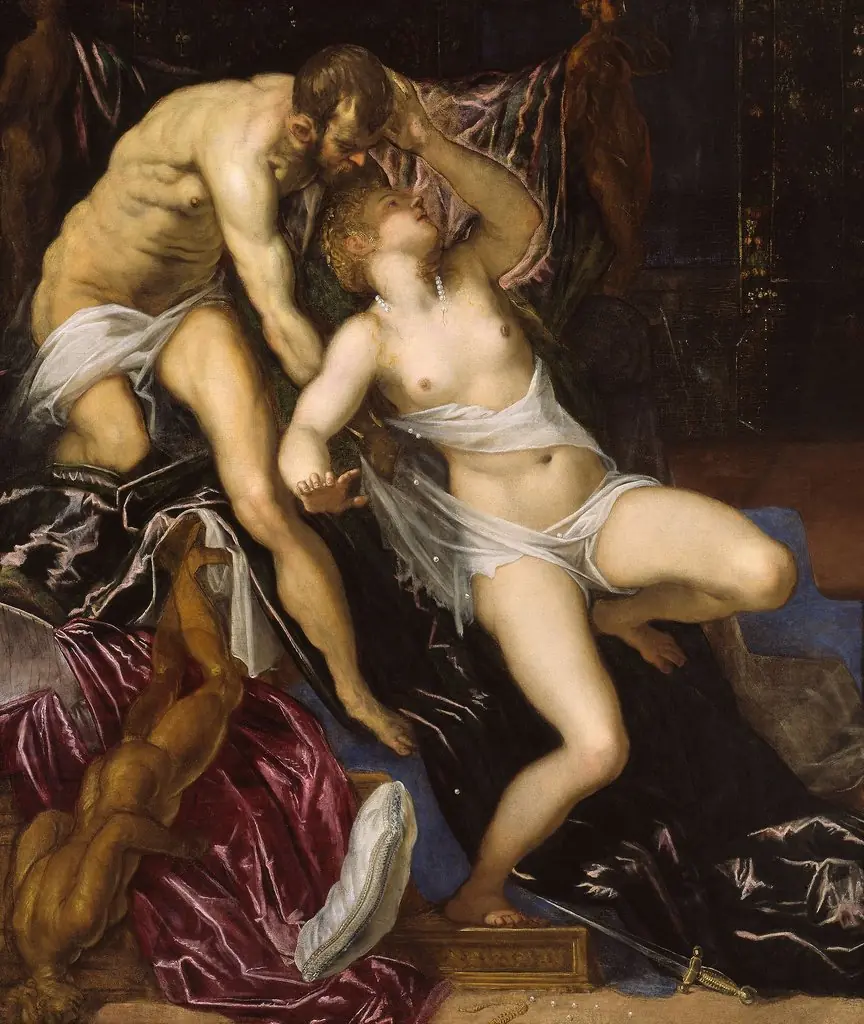
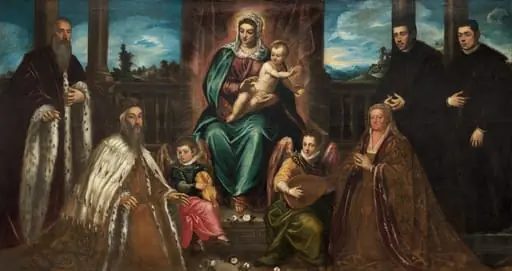
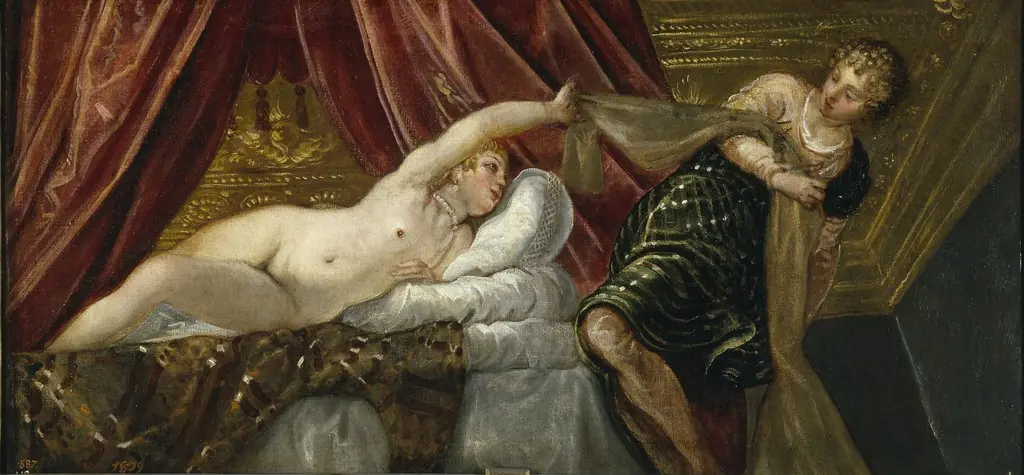
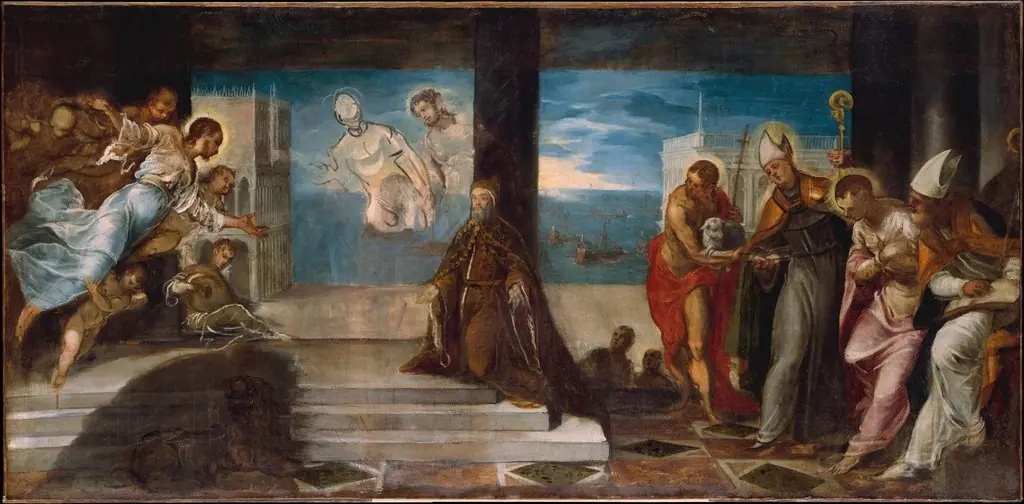
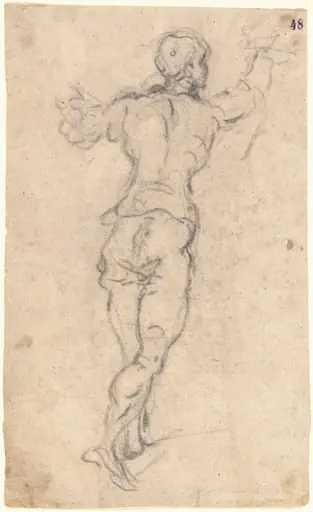 A Striding Youth with His Arms Raised, Seen from Behind
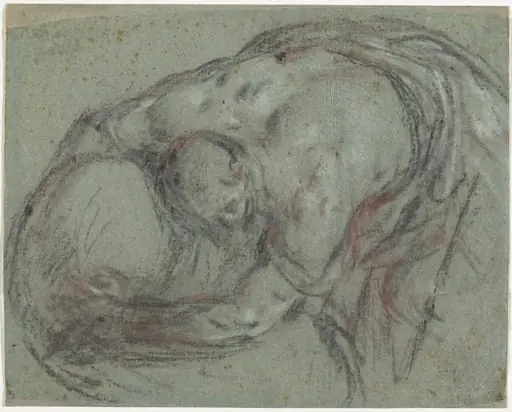 A Man Lifting a Bundle
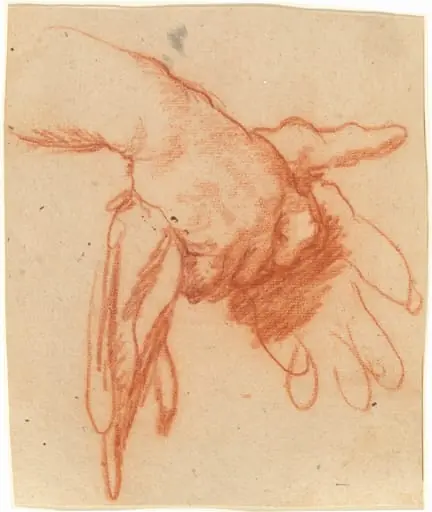 A Hand Holding Empty Gloves
 Male Figure in Contemporary Dress
![Man Reclining on the Ground and the Corner of a Bed [verso], by Jean-Baptiste Deshays](https://artifactworldgallery.com/img/jean-baptiste-deshays--man-reclining-on-the-ground-and-the-corner-of-a-bed-verso--3e054816ddd681bf-w320.webp) Man Reclining on the Ground and the Corner of a Bed [verso]
Man Reclining on the Ground and the Corner of a Bed [verso]![Young Woman Kneeling and Reaching Forward [verso], by Charles de La Fosse](https://artifactworldgallery.com/img/charles-de-la-fosse--young-woman-kneeling-and-reaching-forward-verso--dad9d34b84dadb6d-w320.webp) Young Woman Kneeling and Reaching Forward [verso]
Young Woman Kneeling and Reaching Forward [verso] The Descent from the Cross
 Figure on a Cloud
 A Nude Man Chained to a Rock