Artwork
A Hand Holding Empty Gloves
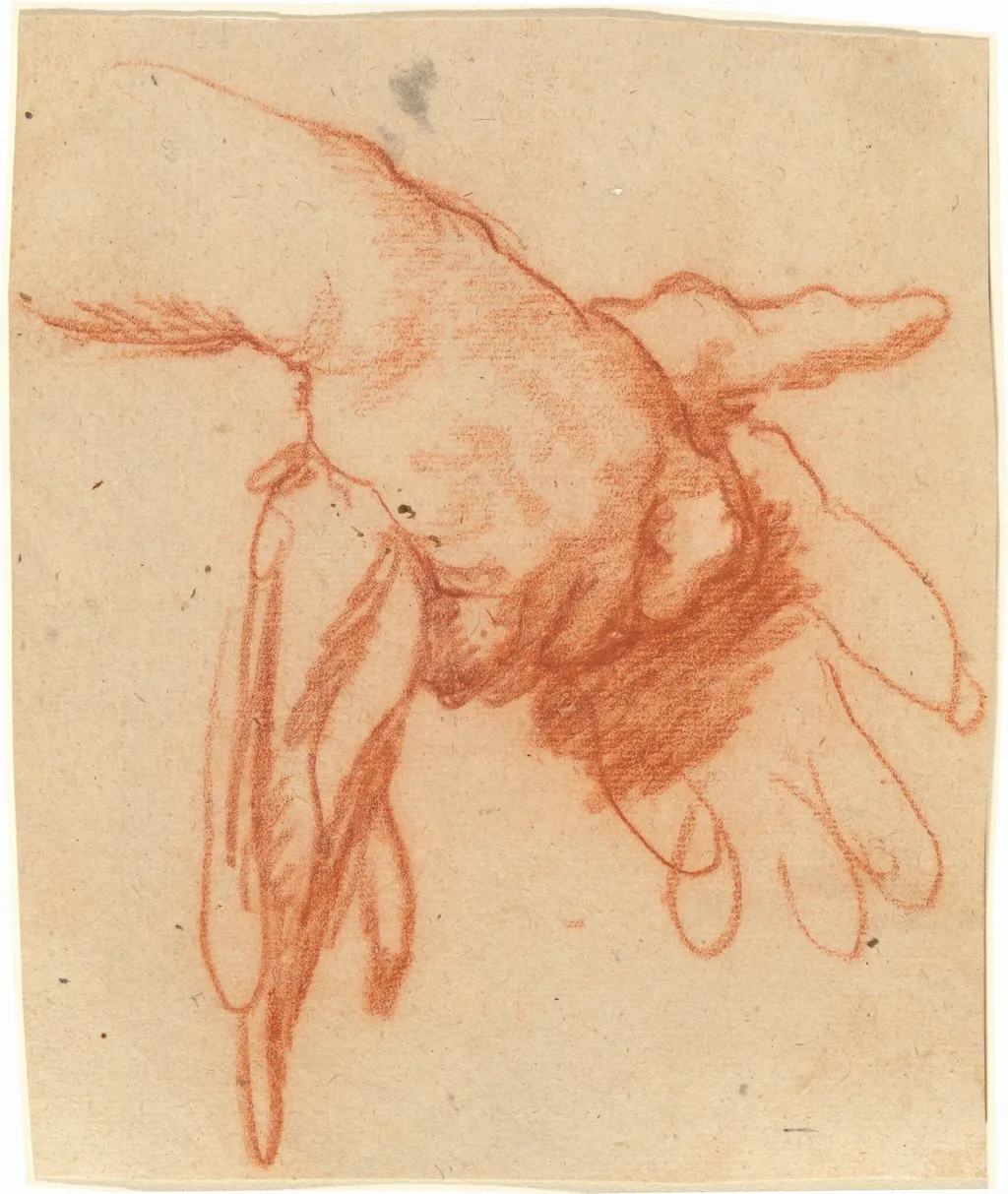
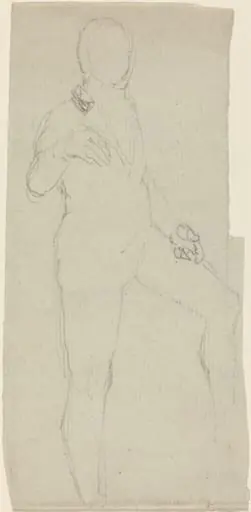
A Hand Holding Empty Gloves is a chalk drawing by the Baroque artist Bernardo Strozzi. It dates from 1634 and is held in the collection of the National Gallery of Art.
About this work
Overview
Created around 1634, this drawing by Bernardo Strozzi is a study in quiet presence, rendered in red chalk on beige oatmeal paper.
Created around 1634, this drawing by Bernardo Strozzi is a study in quiet presence, rendered in red chalk on beige oatmeal paper. It captures a single hand cradling a pair of lifeless gloves, their form suggested with minimal yet deliberate strokes. The work belongs to a broader tradition of preparatory and independent drawings from the Italian Baroque, where everyday objects were imbued with subtle narrative weight through careful observation and tactile rendering.
Subject & Meaning
The image of a hand holding empty gloves evokes absence and transition. The gloves, once worn and now suspended in stillness, suggest a recent departure or a momentary pause. The hand, neither gripping tightly nor releasing fully, conveys hesitation or contemplation. Rather than depicting action, the drawing invites reflection on what has been left behind—perhaps identity, role, or time itself—without resorting to overt symbolism.
Technique & Style
Strozzi employed red chalk with fluidity, using varied pressure to model the hand’s anatomy and the soft folds of the gloves. The warm tone of the paper enhances the naturalism of the chalk, creating a harmonious tonal range. Loose, confident lines define form without overworking the surface, while subtle hatching suggests texture and volume. The spontaneity of the strokes reflects a direct engagement with the subject, characteristic of his approach to drawing as both study and expression.
History & Provenance
The drawing originates from Strozzi’s time in Genoa, before his later move to Venice, where he became influential in shaping regional Baroque aesthetics. While its early ownership is undocumented, it has been consistently attributed to him since the 19th century based on stylistic analysis and material consistency with his other chalk drawings. It remains a rare surviving example of his independent graphic work, distinct from his larger painted compositions.
Context
In early 17th-century Italy, drawings like this were often private studies, yet Strozzi’s treatment elevates the mundane into something resonant. His focus on tactile, unidealized subjects—hands, still life, ordinary gestures—aligned with broader Baroque interests in human presence and material reality. Unlike grand historical scenes, this work reflects a quieter, more introspective current in Baroque art, one that valued observation over spectacle.
Legacy
Though less known than his paintings, this drawing exemplifies Strozzi’s skill in conveying emotion through restraint. It influenced later artists who sought to capture transient moments with immediacy. Its survival offers insight into his working process and the value placed on drawing as an autonomous art form. Today, it stands as a quiet testament to his ability to find depth in the simplest of subjects.
Artist & collection
Artist
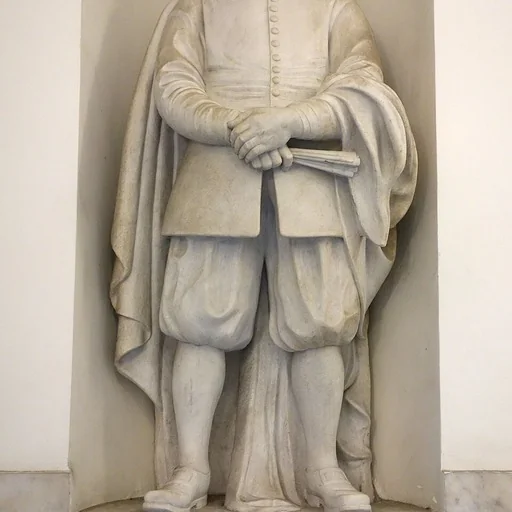
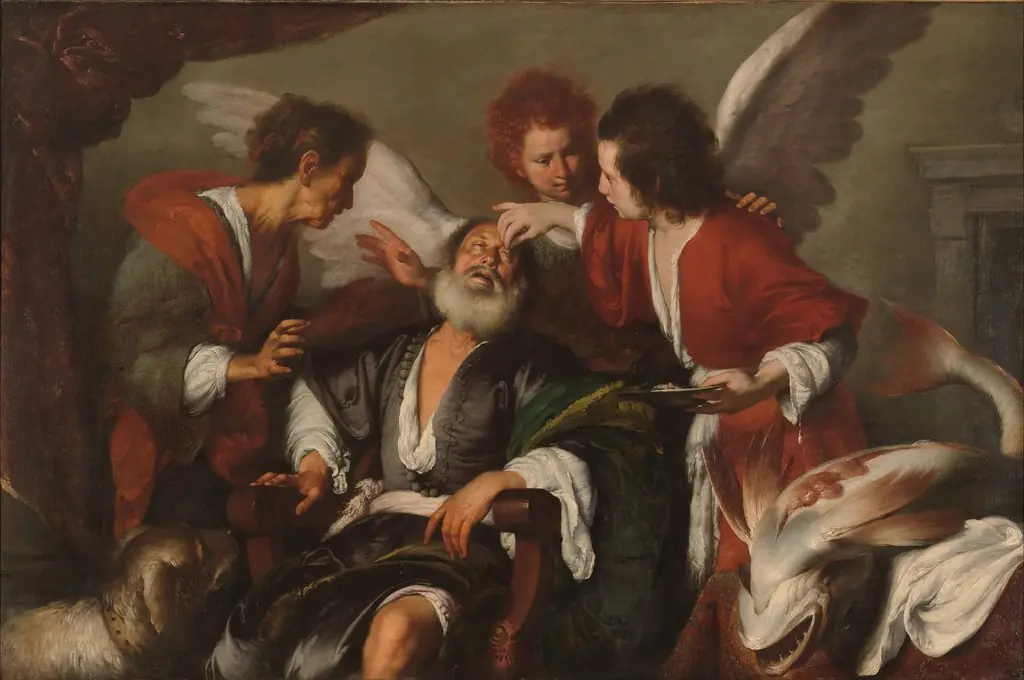
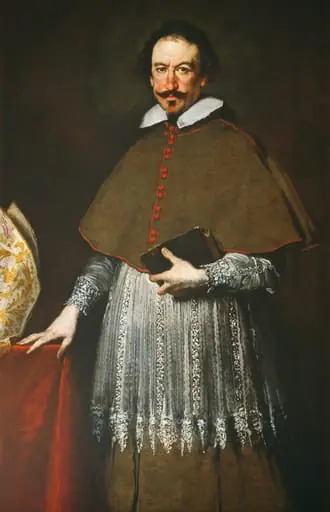
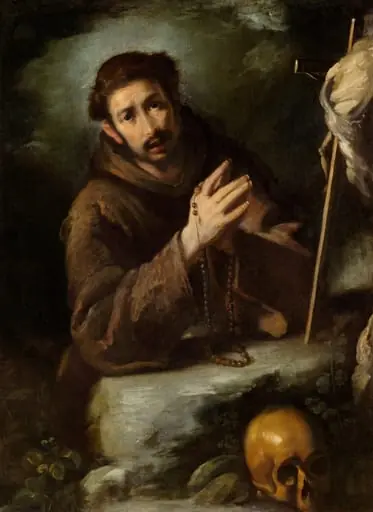
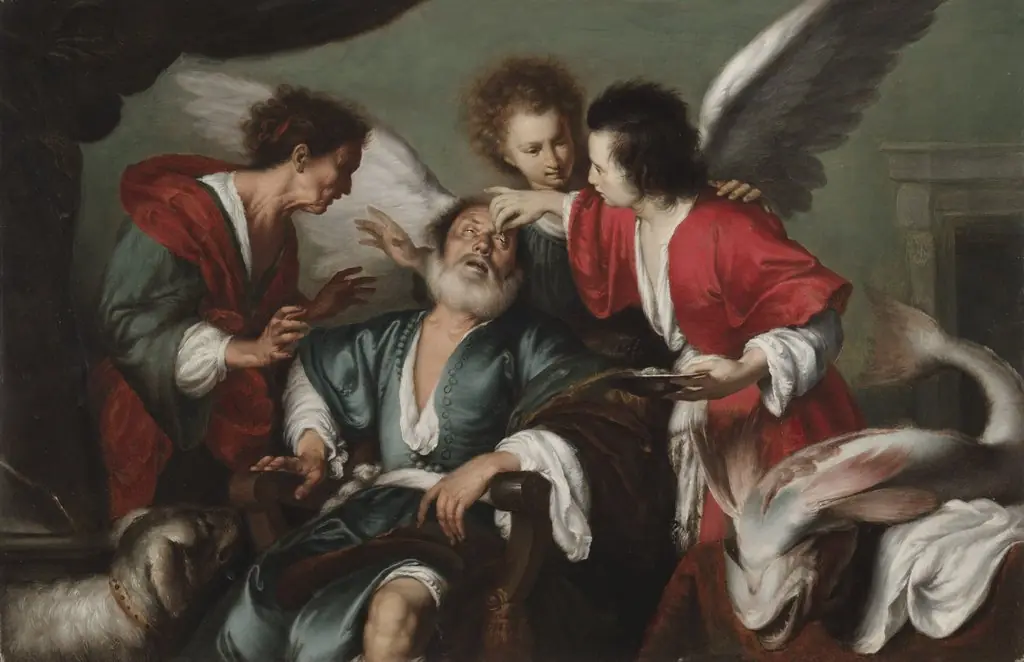
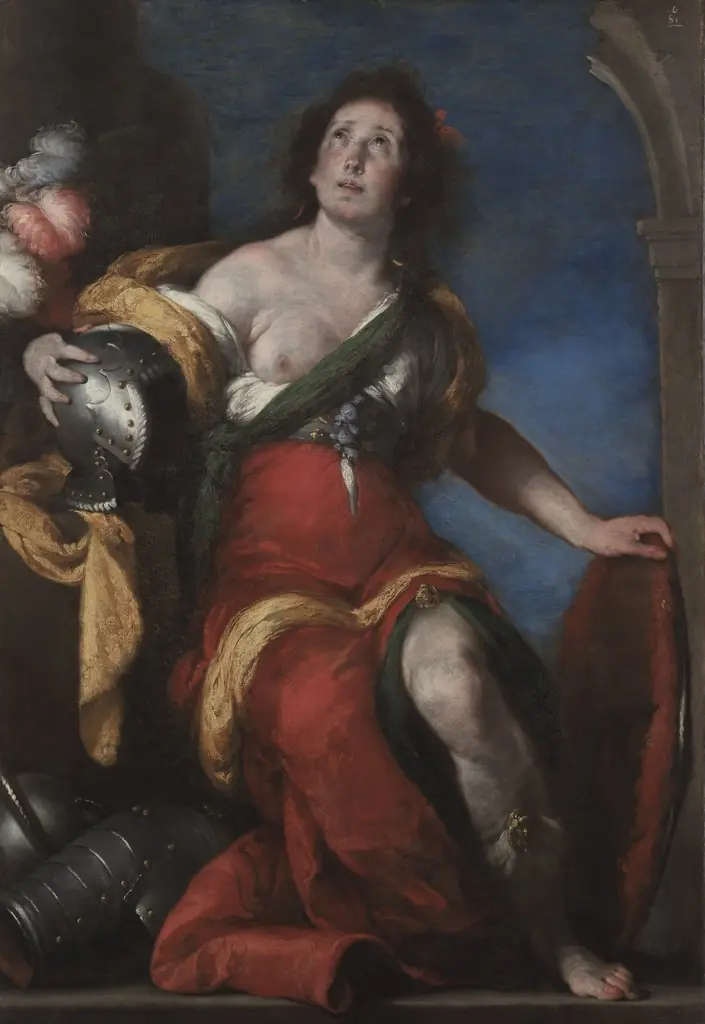
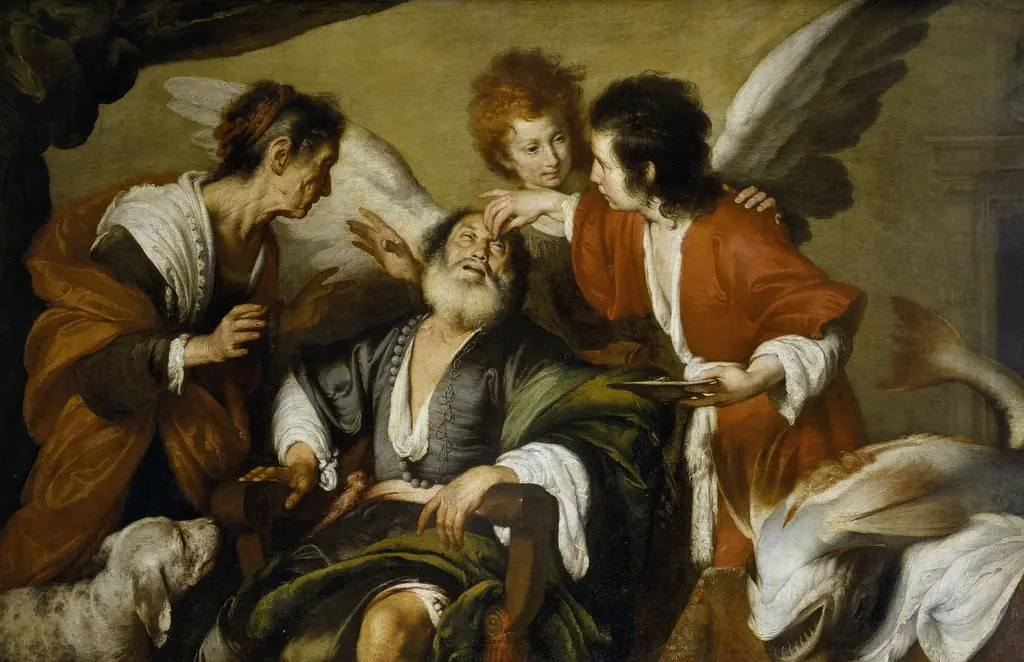
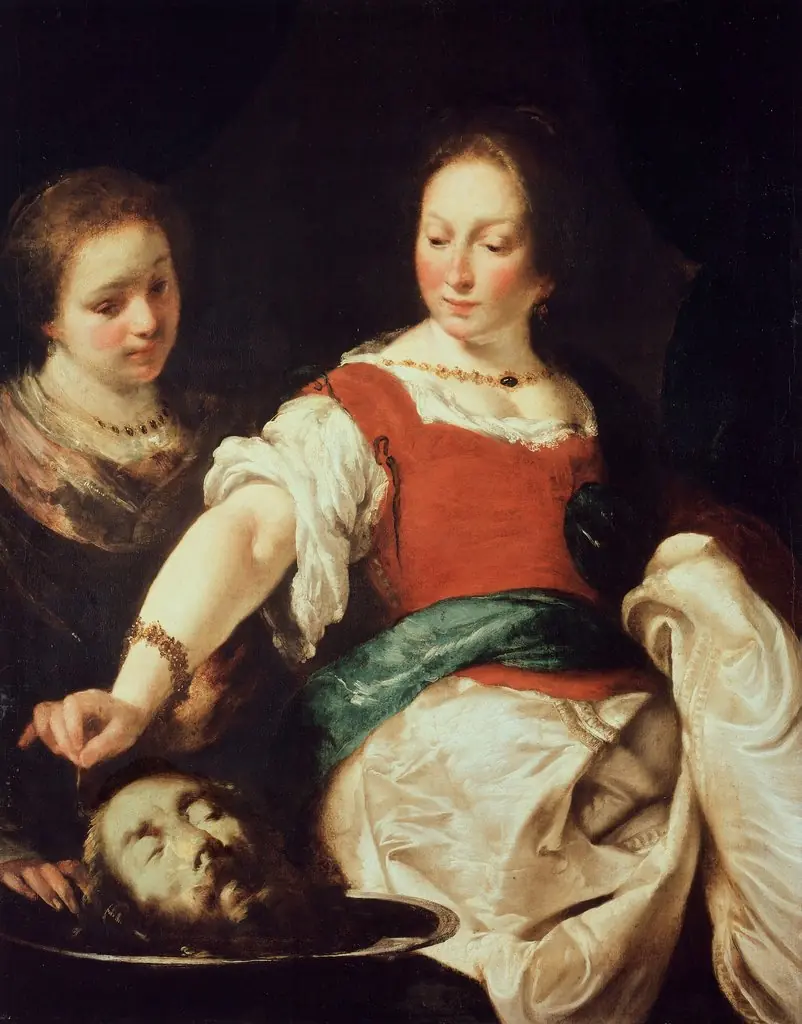
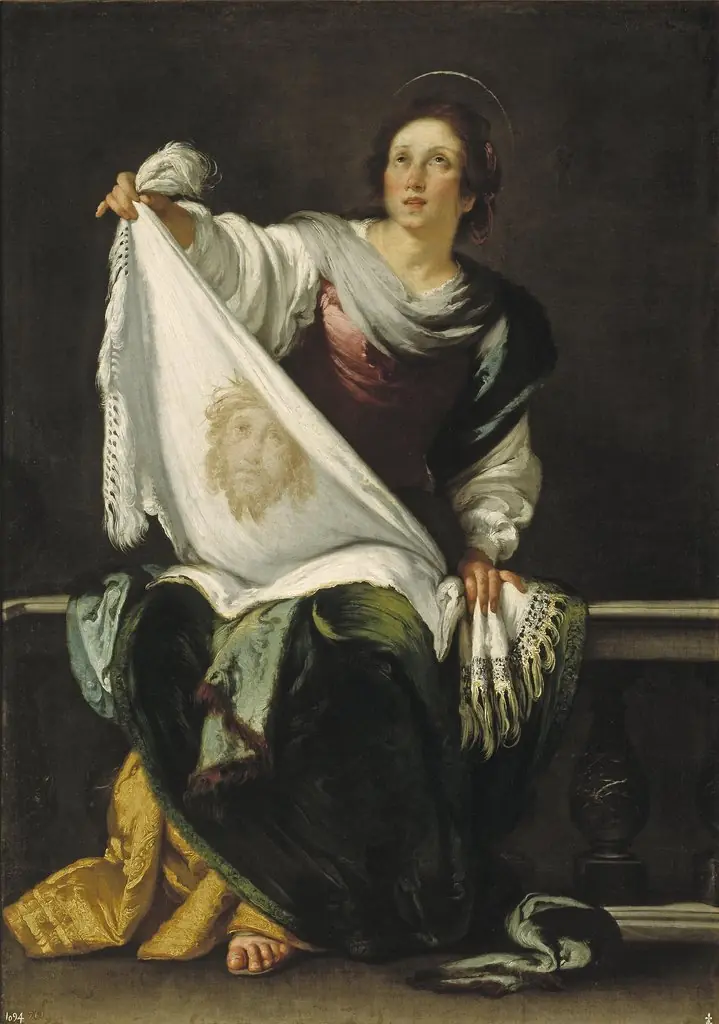
Bernardo Strozzi, named il Cappuccino and il Prete Genovese (c. 1581 – 2 August 1644), was an Italian Baroque artist who was a painter and engraver. A canvas and fresco artist, his wide subject range included history,…

![Study of a Foot [verso], by Benjamin Haydon](https://artifactworldgallery.com/img/benjamin-haydon--study-of-a-foot-verso--1953df802be24b7d-w320.webp)
![Hand Studies [verso], by Allan Ramsay](https://artifactworldgallery.com/img/allan-ramsay--hand-studies-verso--f6c634d33f170fe2-w320.webp)
![A Kneeling Man Holding a Staff [recto], by Jacopo Tintoretto](https://artifactworldgallery.com/img/jacopo-tintoretto--a-kneeling-man-holding-a-staff-recto--2f82606e21baed93-w320.webp)