Artwork
Antinous
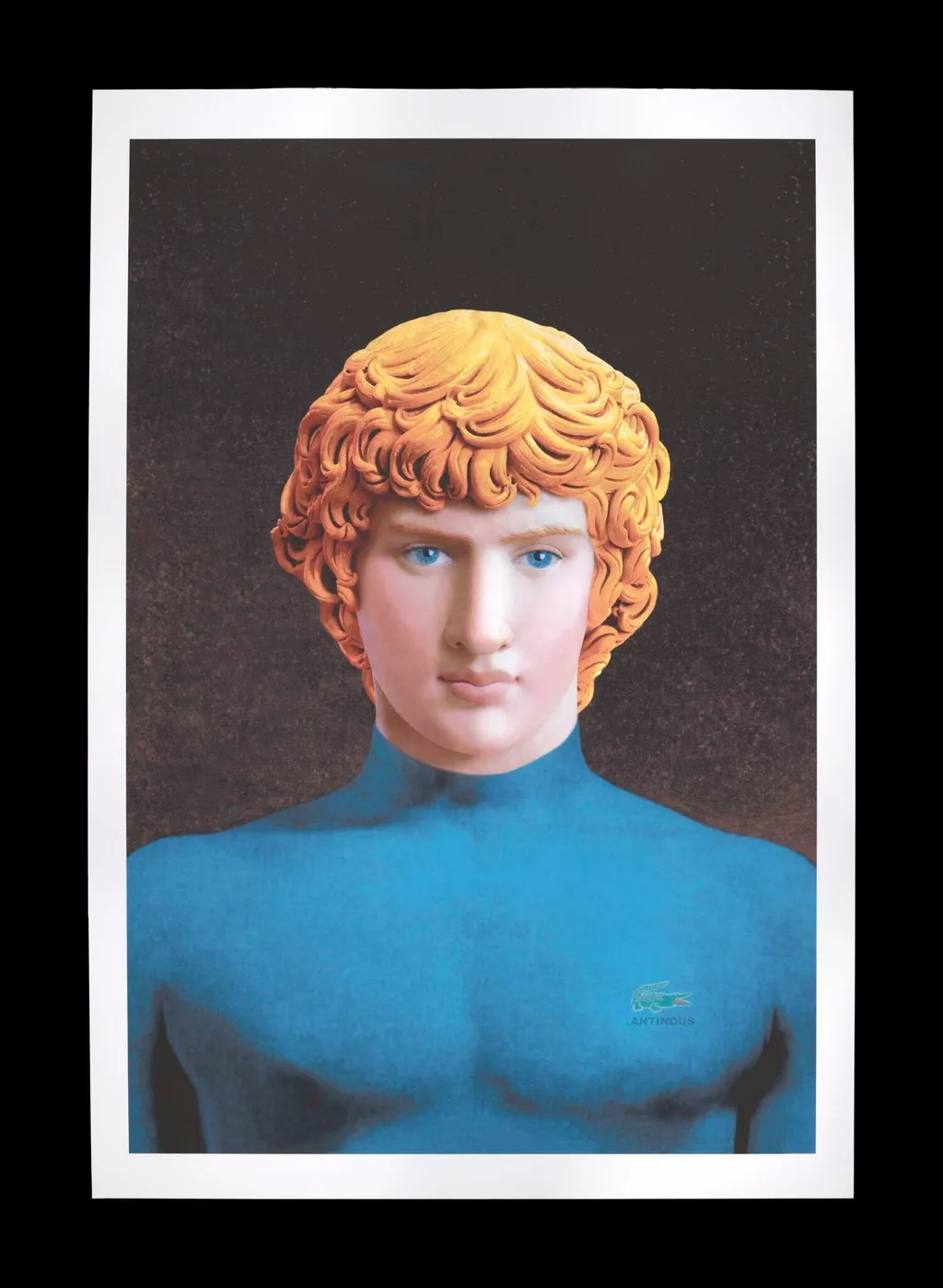
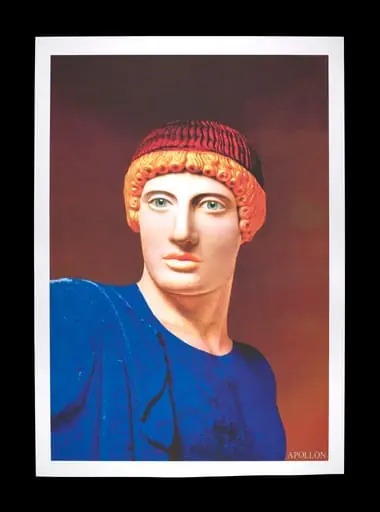
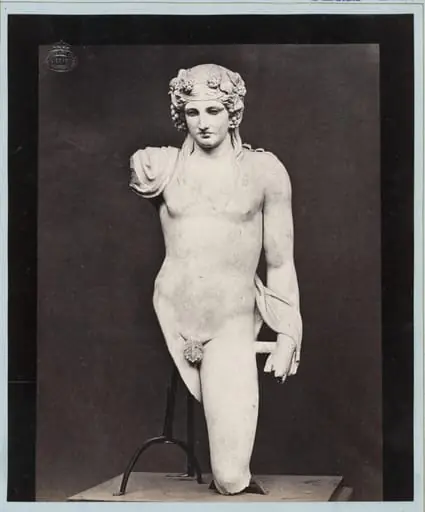
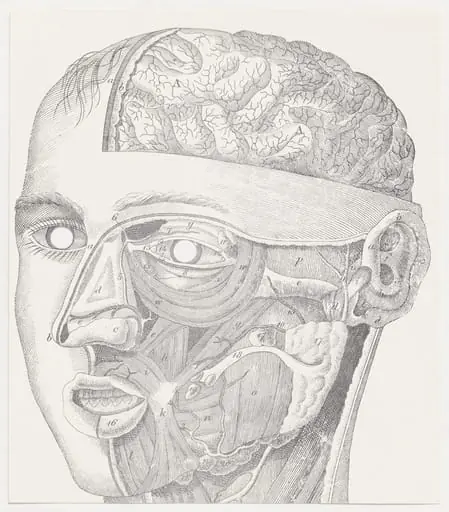
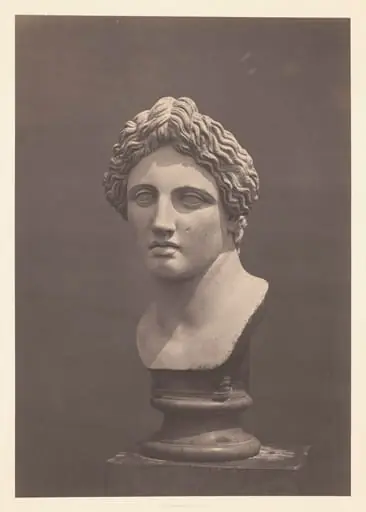
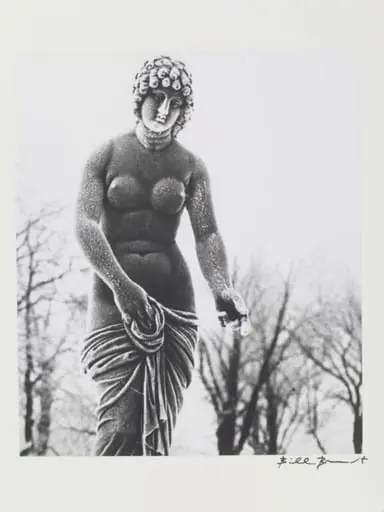
Antinous is a print by Olga Tobreluts. It dates from 1995 and is held in the collection of the Victoria and Albert Museum.
About this work
Later she joined a group called the New Academicians in Saint Petersburg.
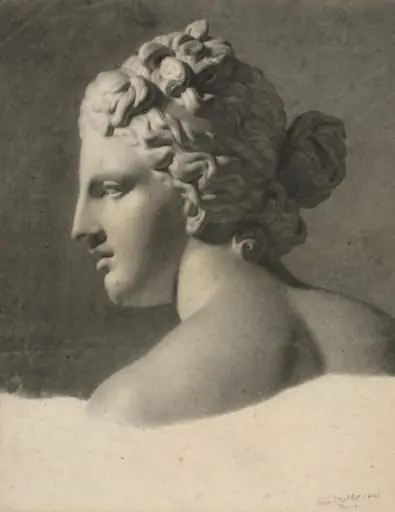
Olga Tobreluts made this print in 1995. It’s a portrait of Antinous, a figure from ancient stories. The work sits in the Victoria and Albert Museum.
Olga trained as an architect first. Later she joined a group called the New Academicians in Saint Petersburg. They looked back to classical ideas and pop culture for inspiration.
Curious about prints or Russian art? Check out the Victoria and Albert Museum.
Overview
Olga Tobreluts, born in 1970 in Russia, initially trained as an architect before shifting to visual art. In the 1990s, she became a central figure in Saint Petersburg’s New Academicians group, which reimagined classical forms through contemporary media. Known for pioneering digital techniques in Russian art, she integrated technology with historical iconography, creating works that blur temporal boundaries between antiquity and modern consumer culture.
Subject & Meaning
This print depicts Antinous, a youth from ancient Rome beloved by Emperor Hadrian, rendered as a digital portrait drawn from classical sculpture. Tobreluts overlays his idealized form with branded fashion, juxtaposing ancient ideals of beauty with contemporary commercial aesthetics. The fusion critiques how identity and desire are shaped by both historical myth and modern advertising, transforming myth into a commentary on visibility and value in digital culture.
Technique & Style
Tobreluts employed digital manipulation to reconstruct Antinous’s face and body from Greco-Roman statues, then digitally draped him in recognizable designer logos. The result is a hyperreal yet artificial portrait, where smooth textures and precise lines mimic both classical carving and high-resolution advertising imagery. Her method merges traditional art historical reference with emerging 1990s digital tools, creating a visual tension between permanence and ephemerality.
History & Provenance
Created in 1995, the print emerged during the peak of the New Academicians’ activity in post-Soviet Russia. It entered the collection of the Victoria and Albert Museum in London, reflecting international recognition of Tobreluts’s innovative approach. As one of the first Russian artists to use digital imaging in fine art contexts, her work from this period helped bridge Eastern European art practices with global technological and aesthetic shifts.
Context
The New Academicians rejected Soviet-era modernism and Western avant-garde norms, instead drawing from imperial Russian imagery, Hollywood glamour, and classical antiquity. Tobreluts’s work responded to a cultural vacuum after the USSR’s collapse, using nostalgia and pop to reconstruct meaning. Her integration of fashion branding into ancient figures mirrored Russia’s sudden exposure to global consumerism, turning myth into a mirror of contemporary identity.
Legacy
Tobreluts’s Models series, including this print, established a precedent for digitally reinterpreting classical figures in contemporary art. Her fusion of historical iconography with digital media influenced later artists exploring identity, technology, and consumerism. As an early adopter of digital tools in Russia, she expanded the possibilities of printmaking and expanded the discourse around post-Soviet artistic innovation.
Artist & collection
Artist
Olga Tobreluts makes prints that mash up ancient myths with bold, colorful styles from Russia’s late Soviet and post-Soviet years.