Artwork
Tlepolemus Saves Charite from Captivity
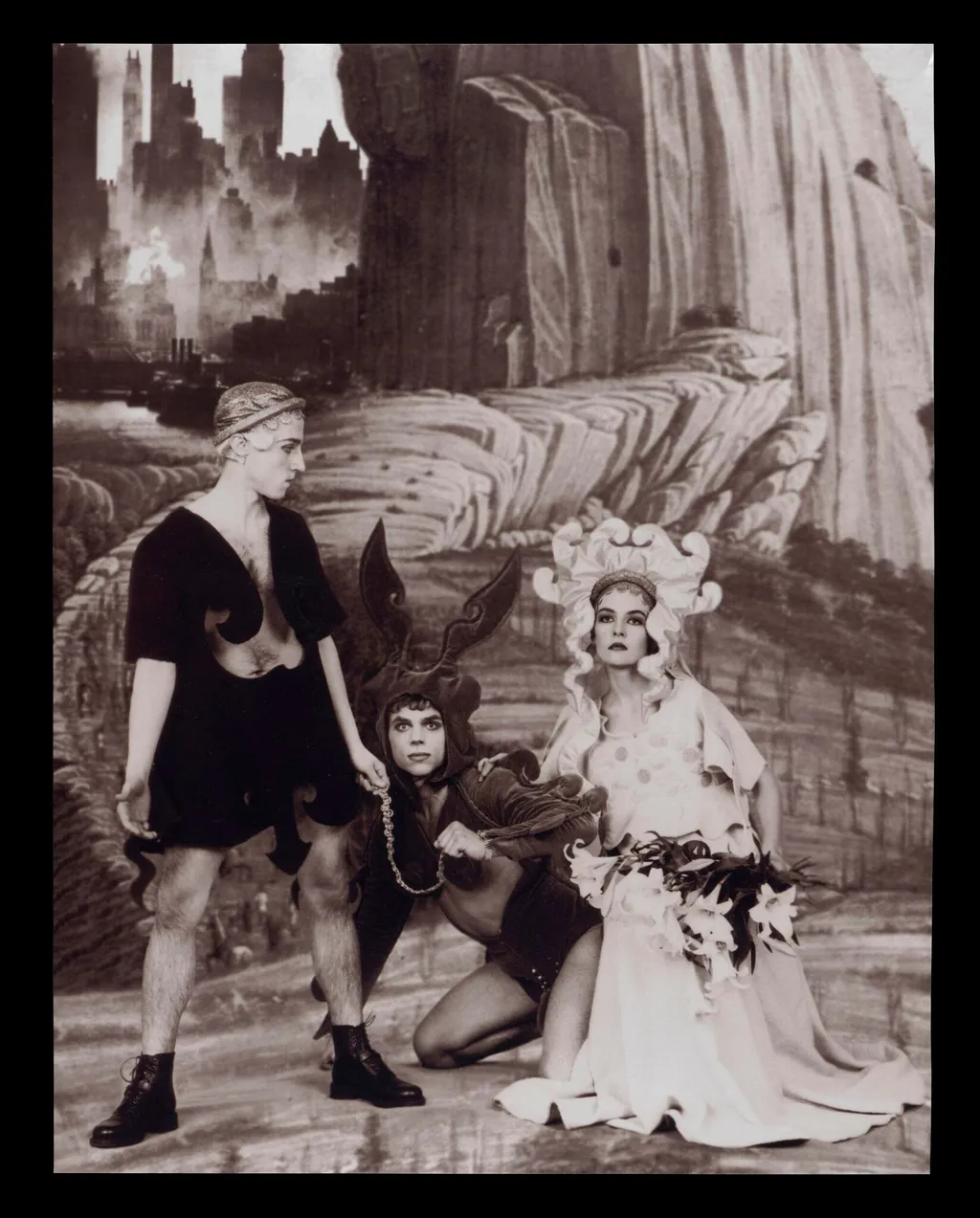
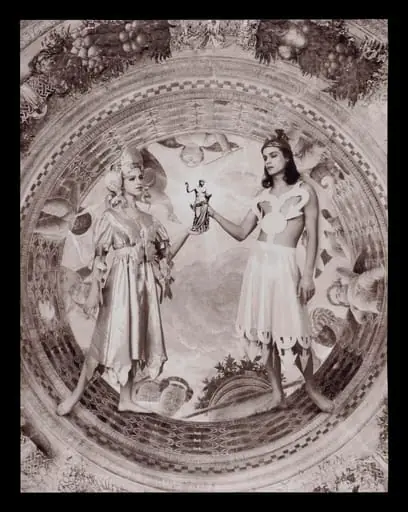
Tlepolemus Saves Charite from Captivity is a print by Olga Tobreluts. It dates from 2016 and is held in the collection of the Victoria and Albert Museum.
About this work
This print shows a scene from a story where one person saves another from being held against their will. Olga Tobreluts made it in 2016 using printmaking techniques.
Tobreluts trained as an architect before becoming a painter. She was part of a group in Saint Petersburg that looked back to old styles and ideas.
Check out the artist Tobreluts, Olga.
Overview
Olga Tobreluts, born in 1970 in Russia, began her career training in architecture before shifting to visual art.
Olga Tobreluts, born in 1970 in Russia, began her career training in architecture before shifting to visual art. She became a central figure in the Saint Petersburg-based New Academicians movement of the 1990s, which reimagined classical and historical imagery through contemporary digital methods. Her 2016 print Tlepolemus Saves Charite from Captivity is part of the Golden Ass series, a reworking of Apuleius’s ancient text using staged photography and digital collage.
Subject & Meaning
The print depicts a moment from Apuleius’s Metamorphoses, in which the character Tlepolemus rescues Charite from forced captivity. Tobreluts reinterprets this classical narrative through a modern lens, blending myth with theatrical staging. The scene reflects broader themes of agency, transformation, and the persistence of ancient stories in contemporary culture, filtered through the group’s fascination with idealized forms and constructed realities.
Technique & Style
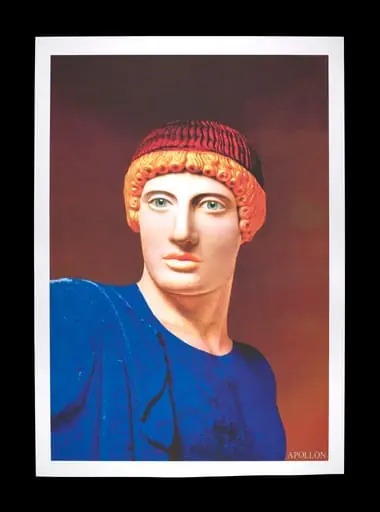
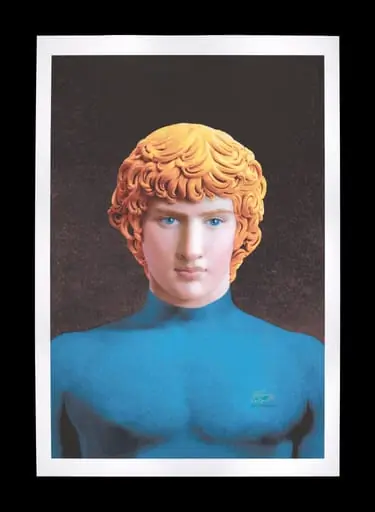
Tobreluts employed digital photomontage and printmaking to construct the image, layering photographed figures—friends from the New Academicians group—in hand-sewn costumes against simulated architectural backdrops. The result merges trompe l’oeil illusionism with digital manipulation, creating a staged yet uncanny space. Her technique bridges traditional print media with emerging technologies, reflecting her role as a pioneer in Russia’s digital art scene.
History & Provenance
Created in 2016, this print belongs to Tobreluts’s long-running Golden Ass series, initiated in the mid-1990s. The series emerged from the New Academicians’ collective practice, in which members acted out mythological scenes in domestic settings. The work was produced after the group’s formal dissolution, indicating the enduring influence of its aesthetic and conceptual framework on Tobreluts’s later output.
Context
The New Academicians rejected modernist abstraction in favor of figurative, historically referenced imagery drawn from antiquity, Soviet iconography, and popular culture. Tobreluts’s use of digital tools distinguished her within the group, positioning her as a bridge between traditional craft and emerging media. Her work responded to post-Soviet cultural dislocation by reanimating classical narratives with contemporary means.
Legacy
Tobreluts’s integration of digital technology into fine art printmaking helped expand the possibilities of Russian contemporary art in the 2000s. Her approach influenced a generation of artists exploring historical myth through computational methods. The Golden Ass series remains a significant example of how classical literature can be reactivated through collaborative, interdisciplinary practices rooted in local artistic communities.
Artist & collection
Artist
Olga Tobreluts makes prints that mash up ancient myths with bold, colorful styles from Russia’s late Soviet and post-Soviet years.