Artwork
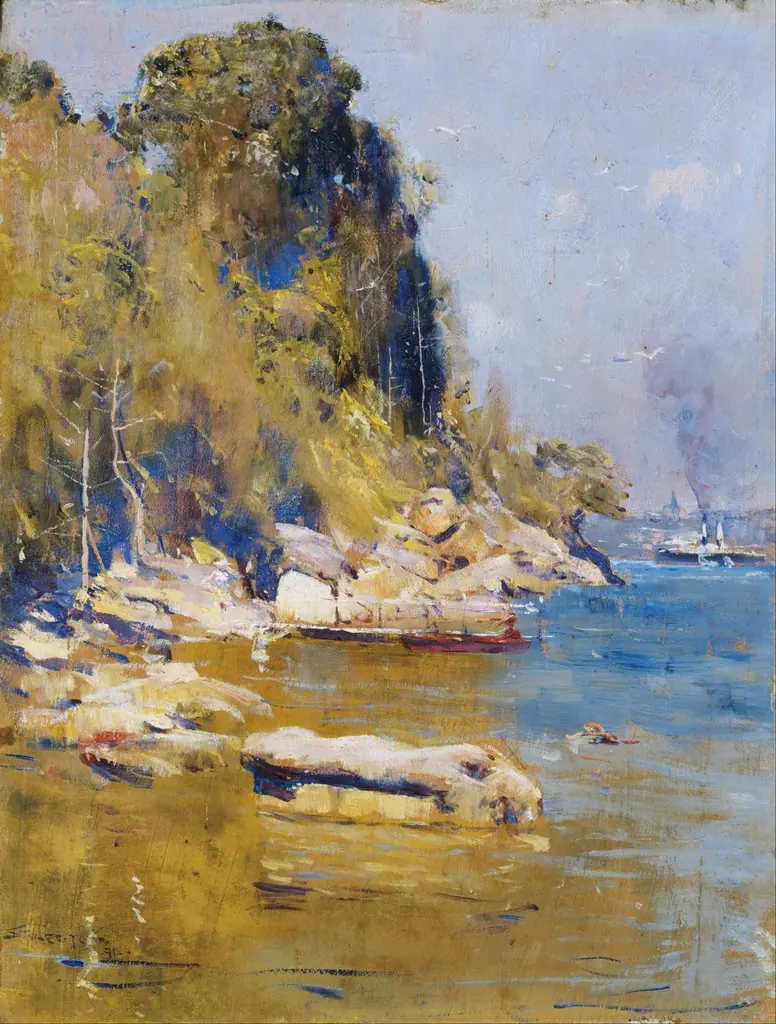
The camp, Sirius Cove
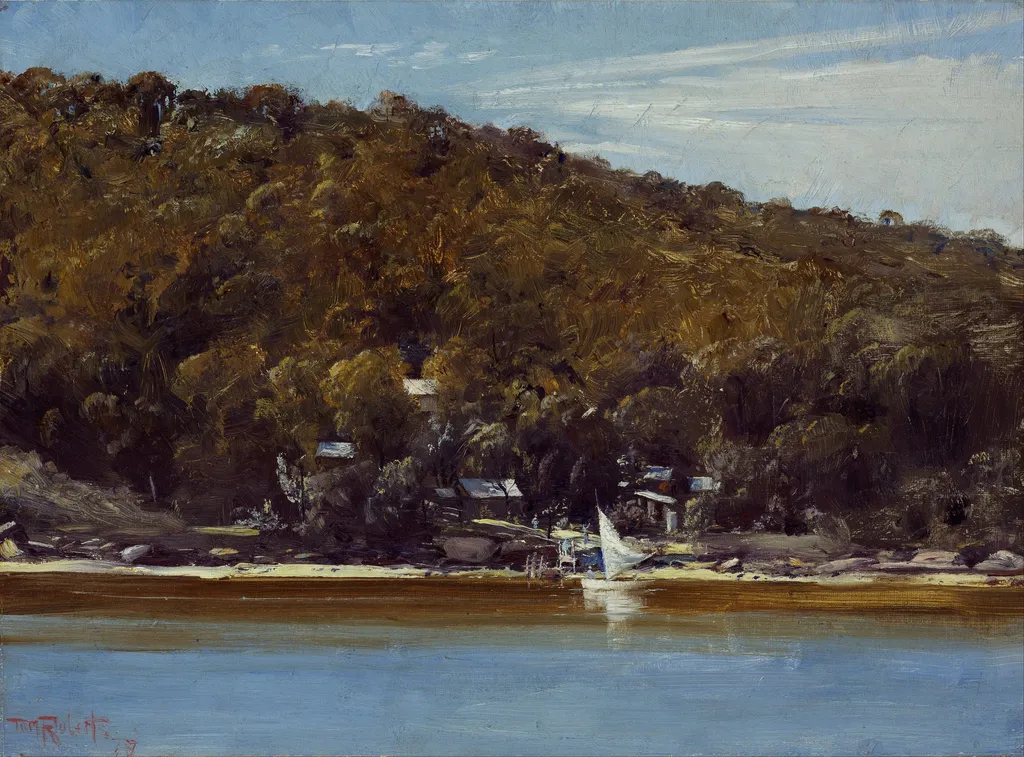
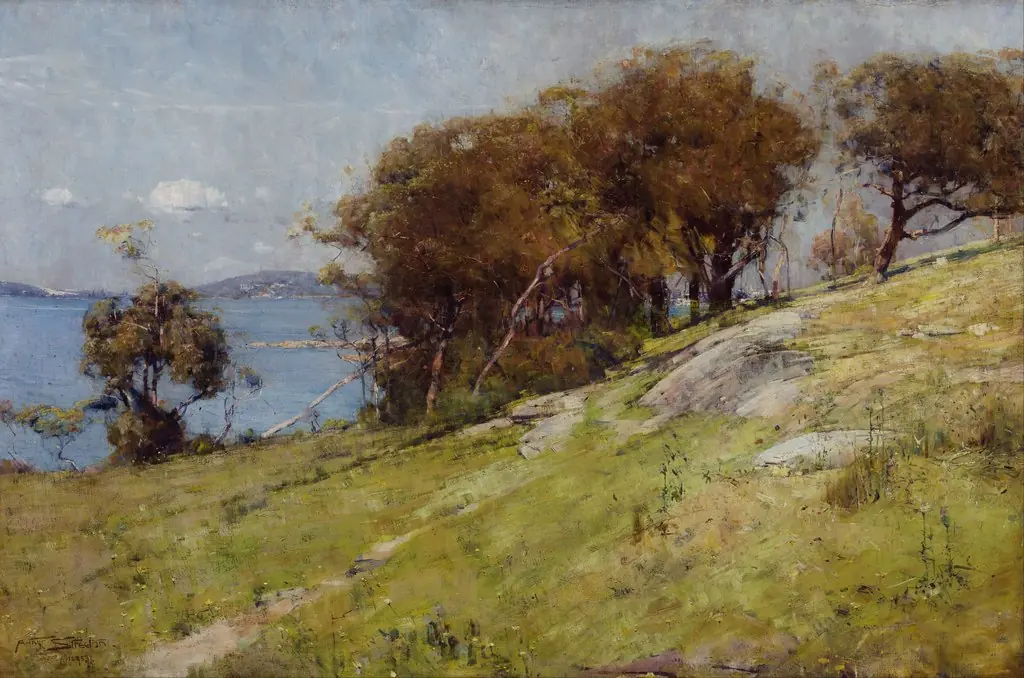
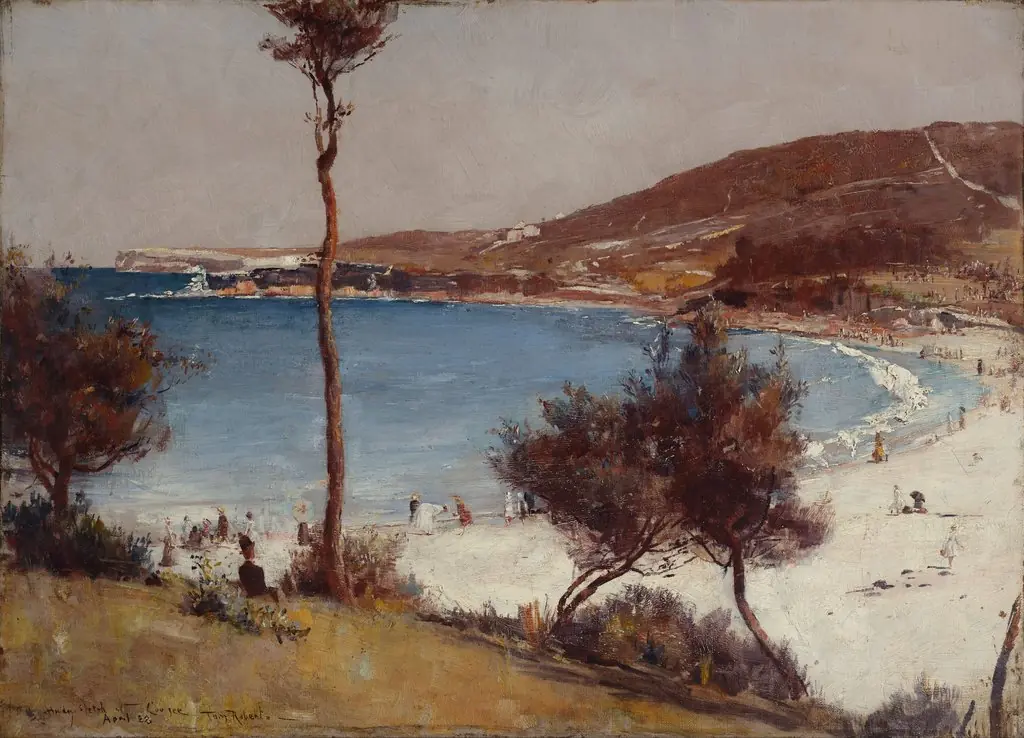
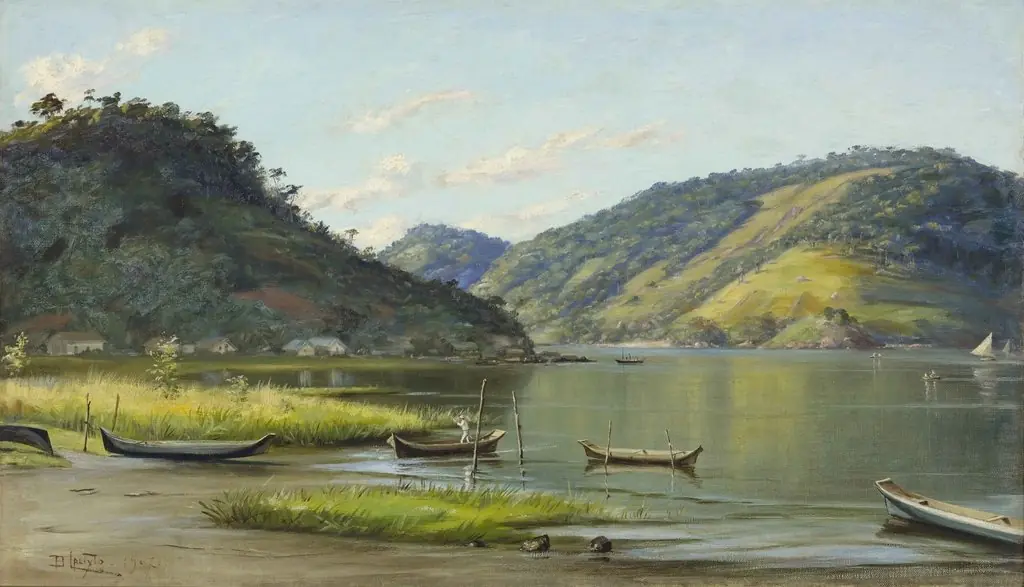
The camp, Sirius Cove is an oil painting by the Impressionist artist Thomas Roberts. It dates from 1900 and is held in the collection of the Art Gallery of New South Wales.
About this work
Overview
Painted in 1900 by Tom Roberts, *The Camp, Sirius Cove* is an oil-on-canvas work that captures a quiet moment at a Sydney inlet.
Painted in 1900 by Tom Roberts, *The Camp, Sirius Cove* is an oil-on-canvas work that captures a quiet moment at a Sydney inlet. Roberts, a leading figure in Australian Impressionism, painted this scene en plein air, following the movement’s emphasis on direct observation of natural light. The piece belongs to the Art Gallery of New South Wales and reflects his commitment to recording the Australian landscape with sensitivity to atmosphere and tone.
Subject & Meaning
The painting depicts a solitary white boat resting on still water, framed by a dense stand of eucalypts rising sharply toward the sky. There is no human presence, and the absence of activity enhances the sense of solitude. The scene suggests a pause in the daily rhythms of life, inviting contemplation rather than narrative. It embodies the Heidelberg School’s interest in the quiet dignity of the Australian bush, away from urban bustle.
Technique & Style
Roberts employed a restrained palette of muted greens, browns, and blues, avoiding vivid contrasts to preserve the scene’s calm. Brushwork is deliberate but not overly detailed, allowing forms to emerge through tonal shifts rather than outline. Subtle glazing techniques enhance the luminosity of the water’s surface, where reflected light suggests depth without artificial highlight. The composition directs the eye gently from foreground to background, reinforcing the painting’s meditative quality.
History & Provenance
Created during Roberts’s mature period, the painting emerged after his return from Europe, where he studied academic and Impressionist techniques. It was likely painted during one of his extended stays at Sirius Cove, a favored site for artists’ camps. The work entered the Art Gallery of New South Wales collection in the early 20th century and has remained a consistent part of its Australian art holdings, reflecting its enduring significance within the national canon.
Context
This painting belongs to a broader movement in late 19th- and early 20th-century Australia that sought to define a visual identity rooted in local landscapes. Roberts, alongside McCubbin, Streeton, and Conder, rejected imported European conventions in favor of direct engagement with the Australian environment. *The Camp, Sirius Cove* exemplifies this shift, aligning with the group’s belief that the nation’s character could be expressed through its light, vegetation, and quiet spaces.
Legacy
The work continues to be referenced in discussions of Australian landscape painting for its restraint and emotional subtlety. Unlike more dramatic depictions of the bush, it offers a quiet, unembellished view that influenced later generations seeking authenticity over romanticism. Its presence in a major public collection ensures its role as a touchstone for understanding the evolution of Australian art beyond colonial imitation.
Own this work as a print
Artist & collection
Artist
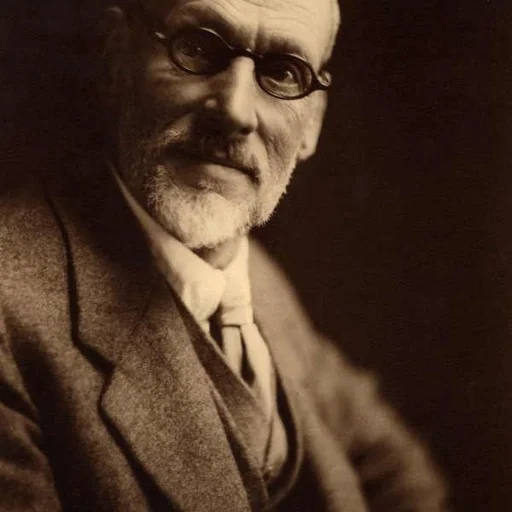
Thomas William Roberts (8 March 1856 – 14 September 1931) was an English-born Australian artist and a key member of the Heidelberg School art movement, also known as Australian impressionism.

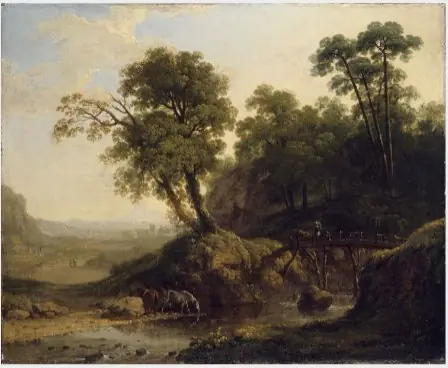 Landscape with a River and Horses by a Wooden Bridge
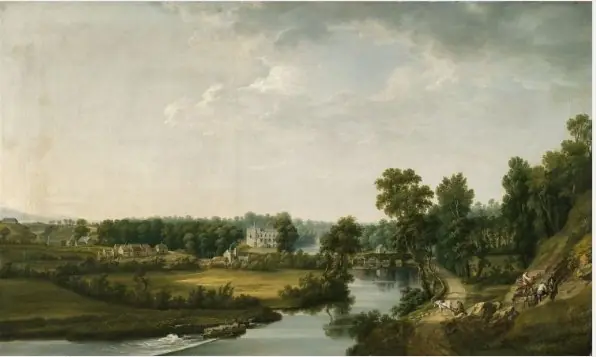 Lucan House and Demesne with Figures Quarrying Stone, County Dublin
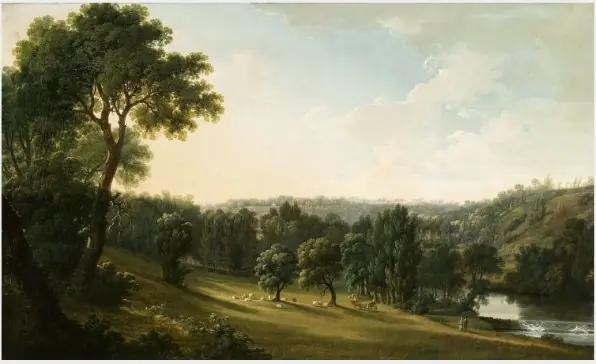 A View in Lucan House Demesne
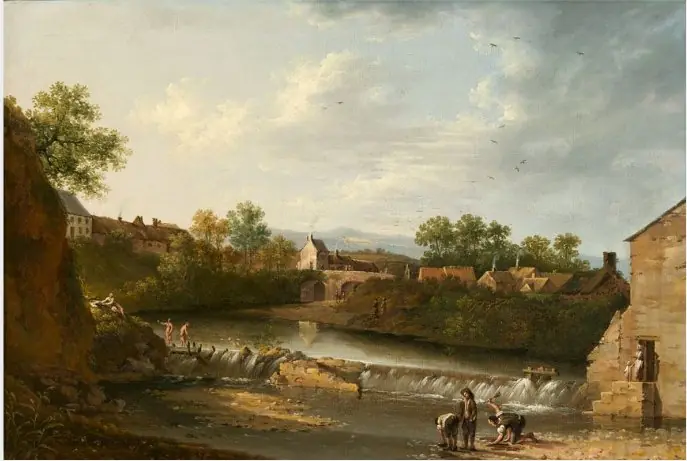 A View of Clonskeagh, County Dublin with Figures Bathing
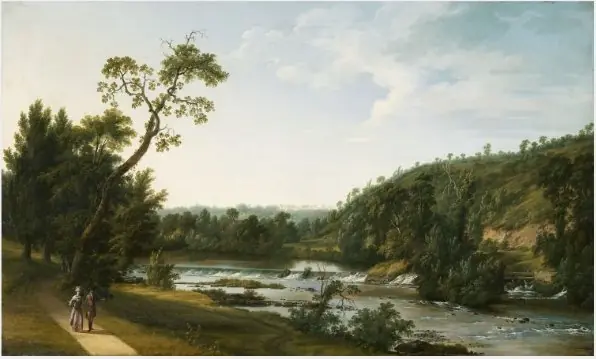 The River Liffey in Lucan House Demesne
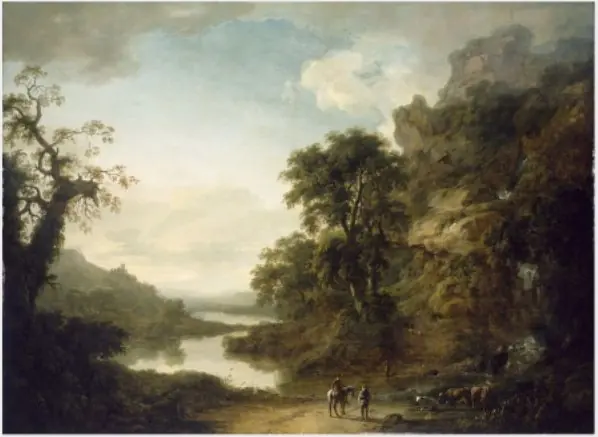 A Landscape
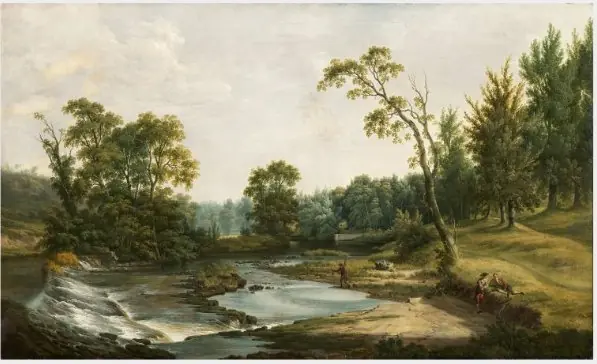 The Weir in Lucan House Demesne
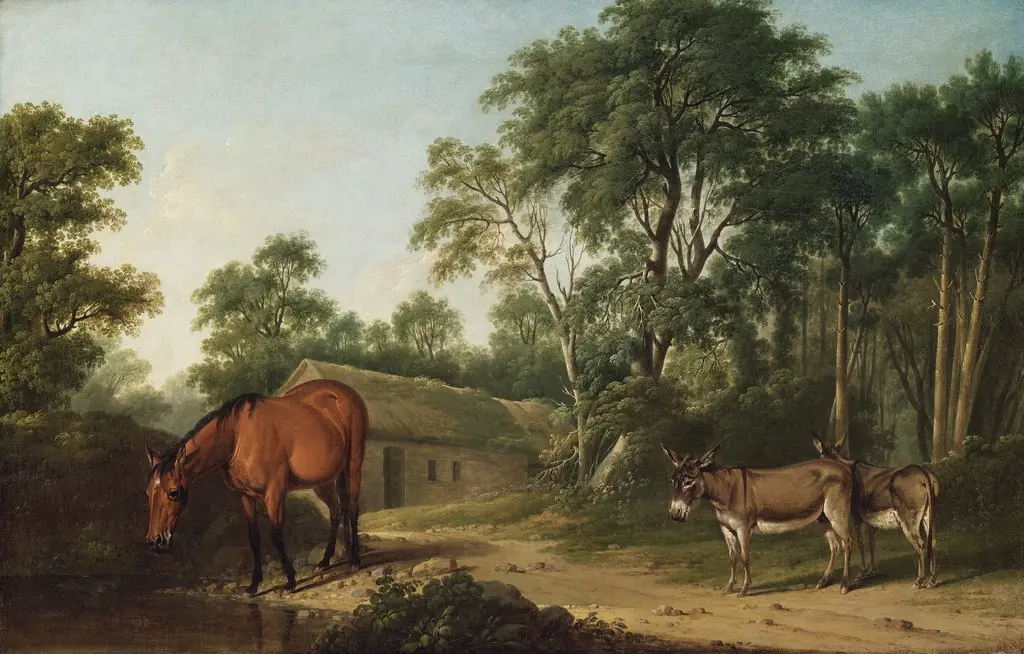 A Bay Horse and Two Donkeys