Artwork
La mare (Mangalia)
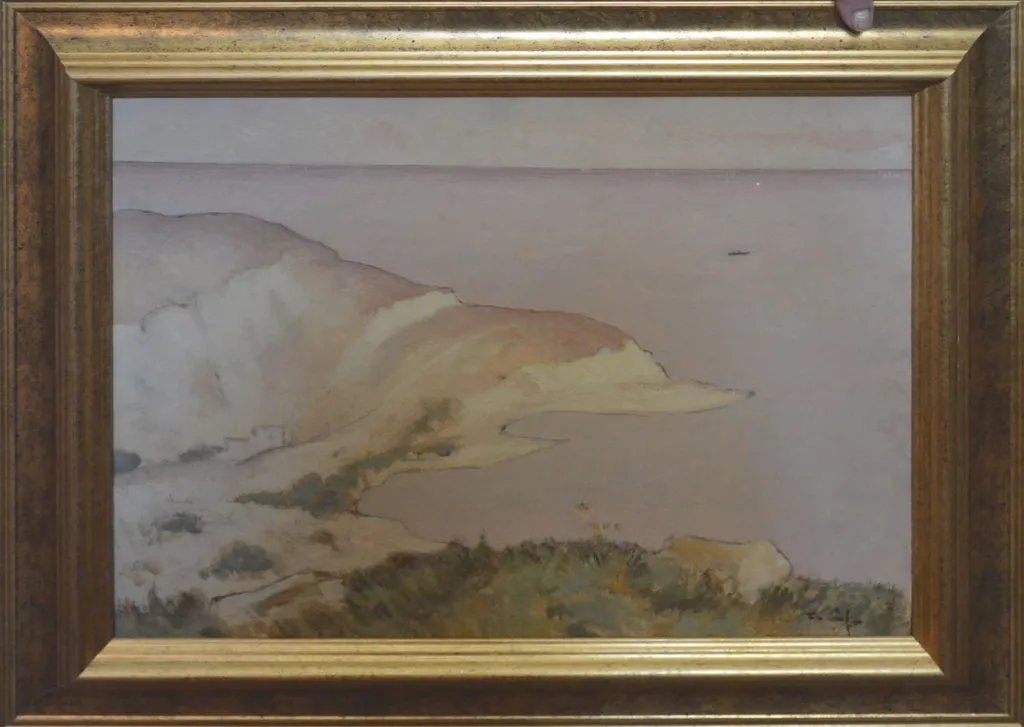
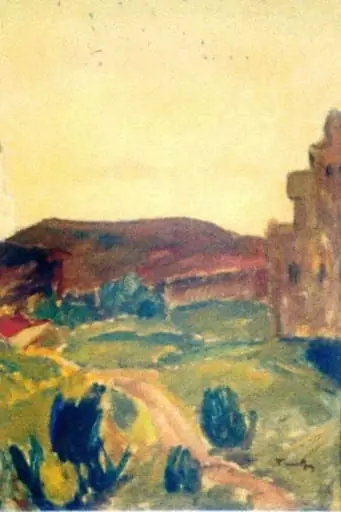
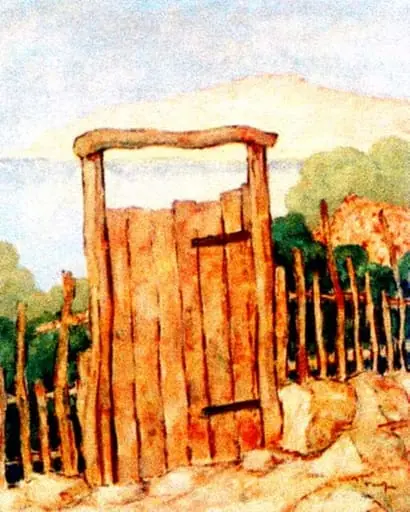
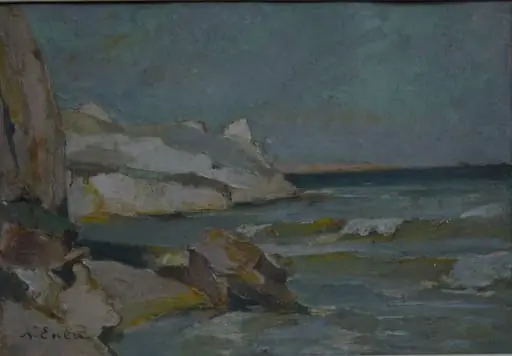
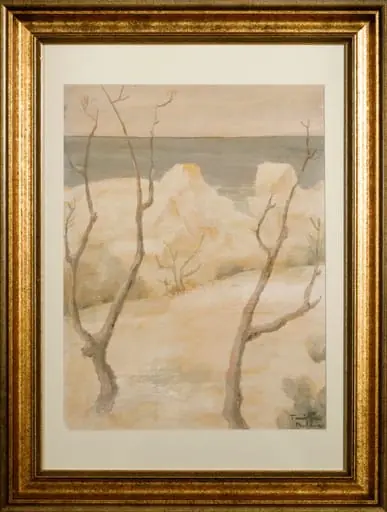
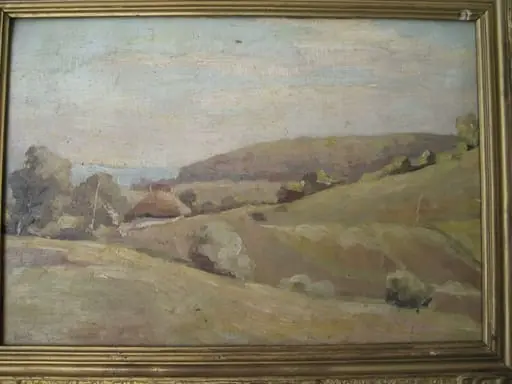
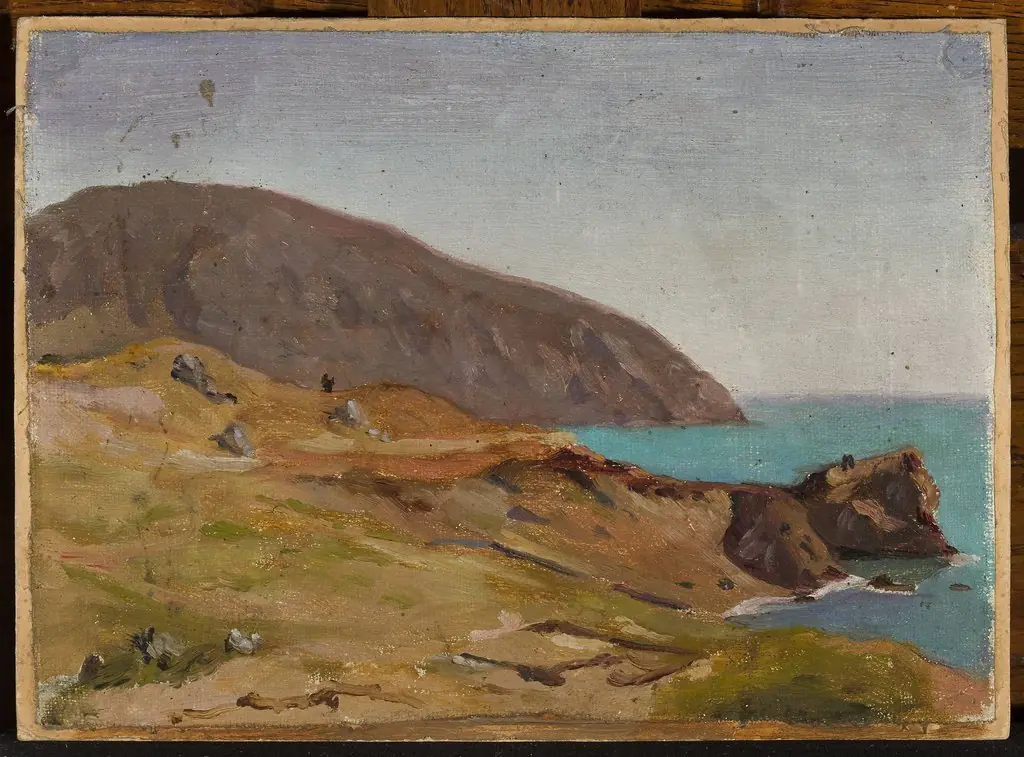
La mare (Mangalia) is a print by Nicolae Tonitza. It dates from 1923 and is held in the collection of the Bucharest Municipality Museum.
About this work
Overview
It is part of the Museum of Ethnography’s collection, reflecting Tonitza’s interest in Romania’s natural environments during the interwar period.
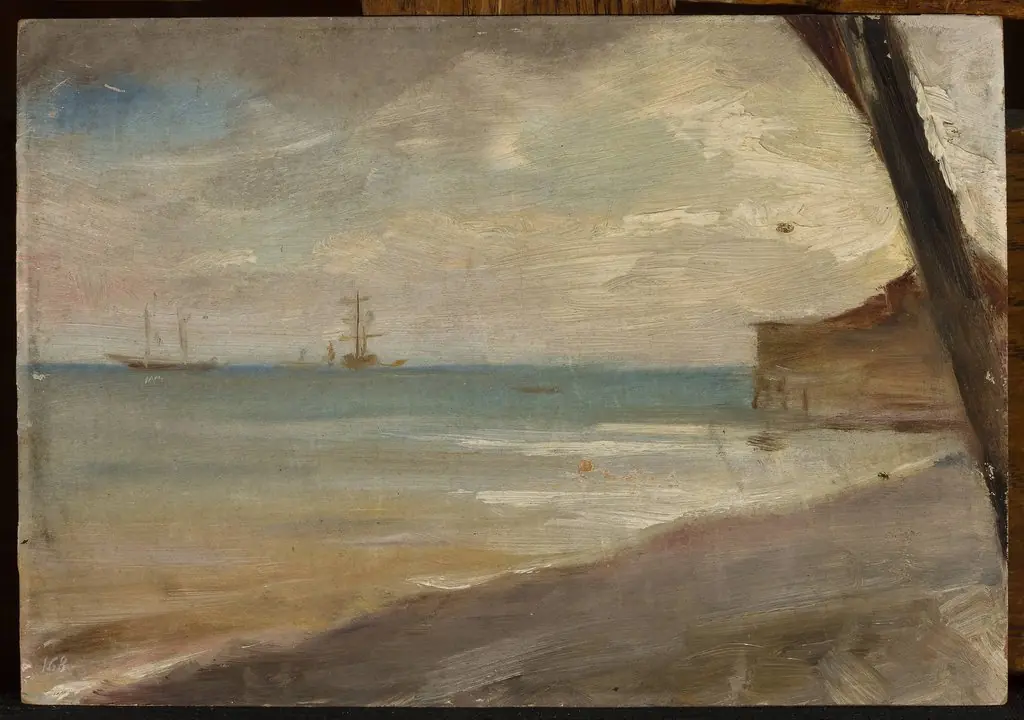
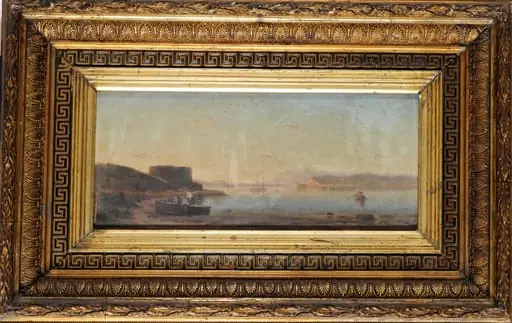
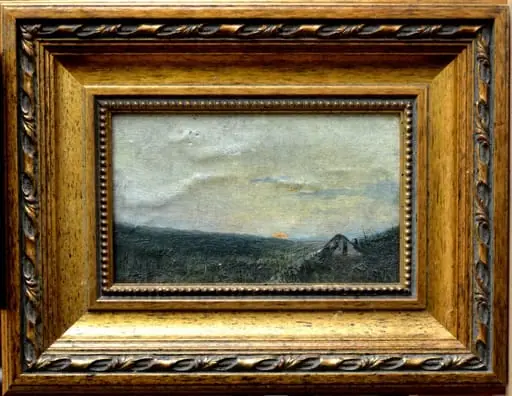
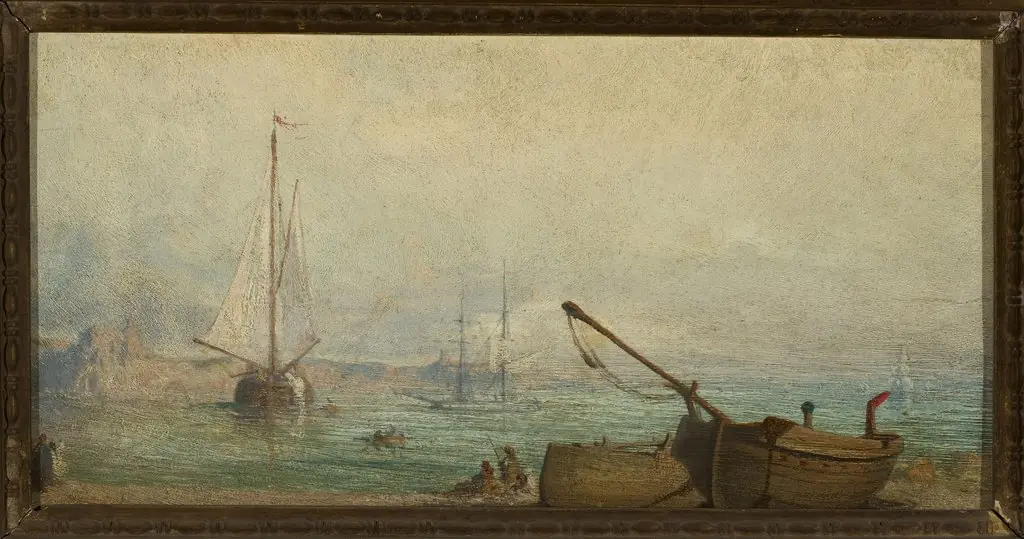
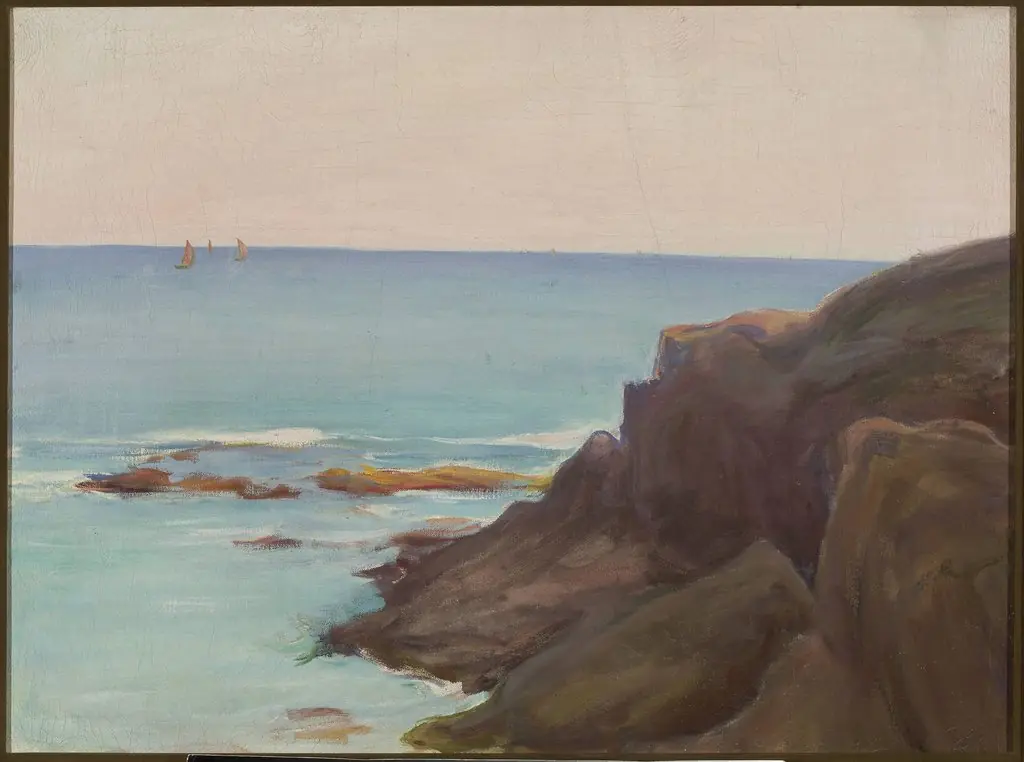
La mare (Mangalia), painted around 1923 by Nicolae Tonitza, depicts a quiet coastal landscape near the Romanian town of Mangalia. The composition centers on a rugged shoreline meeting still water, rendered in subdued earth tones. The scene avoids dramatic elements, instead emphasizing stillness and quiet observation. It is part of the Museum of Ethnography’s collection, reflecting Tonitza’s interest in Romania’s natural environments during the interwar period.
Subject & Meaning
The painting presents a modest, unidealized view of the Black Sea coast, focusing on the interaction between land and sea. Sparse vegetation clings to weathered rocks, while the calm water and pale sky suggest a moment of pause. There is no human presence, reinforcing a sense of solitude and timelessness. The subject reflects Tonitza’s quiet reverence for Romania’s lesser-visited natural landscapes, free from romantic embellishment.
Technique & Style
Tonitza employed loose, visible brushwork to build texture across the rocks and water, avoiding smooth finishes. Colors are restrained—grays, browns, and muted greens dominate—creating a harmonious, almost monochromatic tone. The paint is applied with deliberate tactility, enhancing the tactile quality of the terrain. This approach aligns with early 20th-century Romanian modernism, prioritizing emotional resonance over detailed realism.
History & Provenance
Created in 1923, the work entered the Museum of Ethnography’s holdings during the early decades of Romania’s national cultural consolidation. Its inclusion suggests institutional interest in documenting regional landscapes as part of a broader ethnographic record. Unlike Tonitza’s urban scenes, this piece was likely acquired for its representation of a specific geographic and ecological context rather than its narrative content.
Context
In the 1920s, Romanian artists increasingly turned to local landscapes as subjects, moving away from imported European styles. Tonitza, influenced by Post-Impressionism and Romanian folk aesthetics, sought to capture the quiet dignity of rural and coastal environments. La mare (Mangalia) fits within this trend, reflecting a national effort to define cultural identity through intimate, unadorned depictions of the land.
Legacy
The painting remains a quiet example of Tonitza’s landscape work, appreciated for its restraint and emotional subtlety. While not widely exhibited, it contributes to understanding how Romanian modernists engaged with nature as a source of contemplative imagery. Its presence in an ethnographic museum underscores its role as a document of place, valued for its authenticity over spectacle.
Artist & collection

Artist
Nicolae Tonitza was a Romanian painter, engraver, lithographer, journalist and art critic. Drawing inspiration from Post-Impressionism and Expressionism, he had a major role in introducing modernist guidelines to local art.