Artwork
În lagărul de la Kârdjali
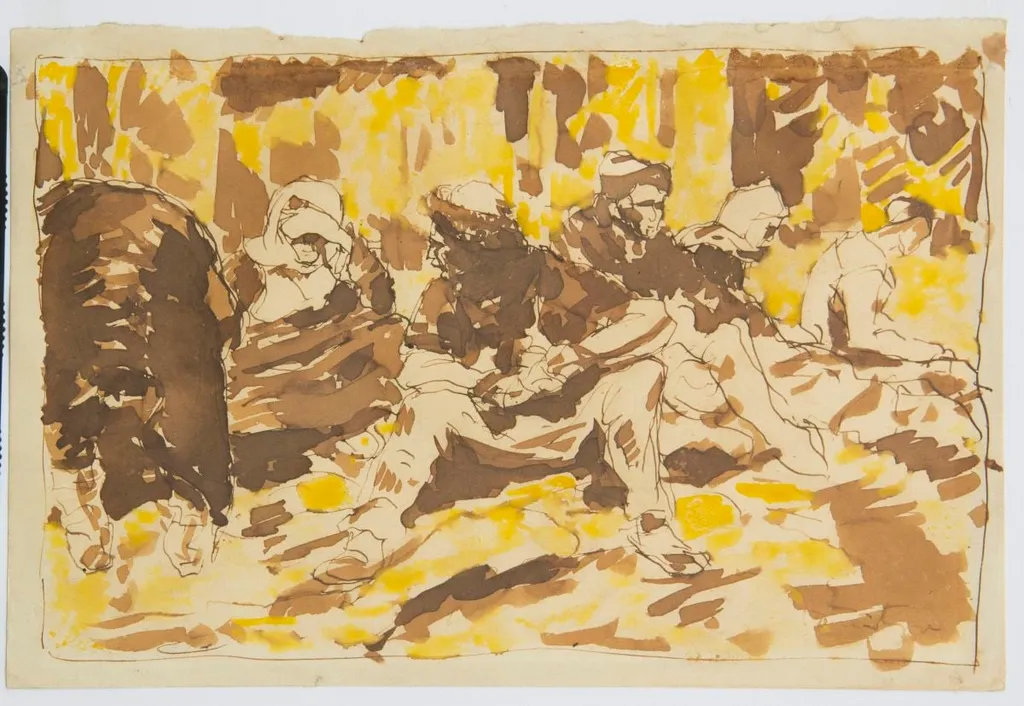
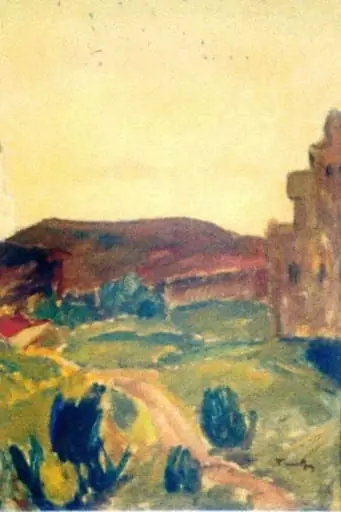
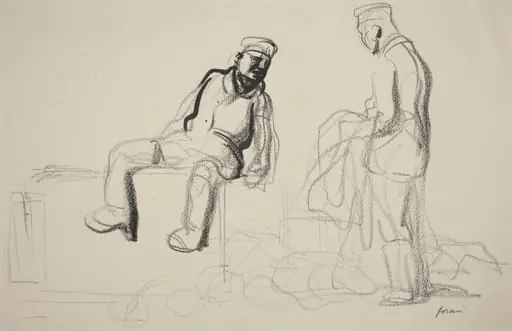
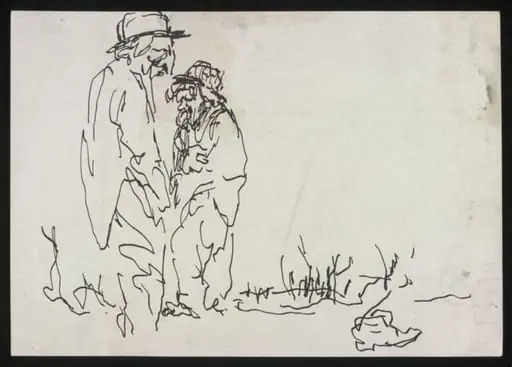
În lagărul de la Kârdjali is a drawing by Nicolae Tonitza. It dates from 1923 and is held in the collection of the National Museum of Art of Romania.
About this work
Overview
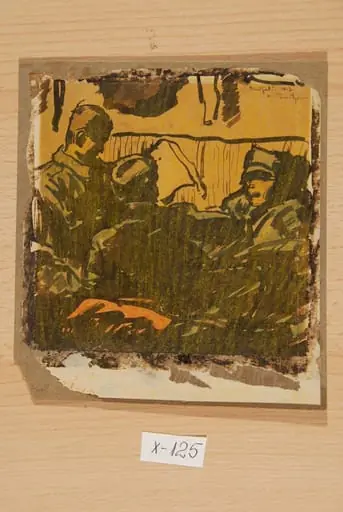
Nicolae Tonitza’s circa 1923 canvas titled “În lagărul de la Kârdjali” portrays a gathering of individuals within a camp environment. The composition centers on a single prominent figure, around whom the other figures are arranged, creating a focal point that guides the viewer’s attention.
Subject & Meaning
The work captures a moment of collective presence in a makeshift settlement, suggesting themes of community, hardship, or displacement. The arrangement of the figures, with a palpable tension between them, hints at underlying narratives of solidarity or conflict within the camp setting.
Technique & Style
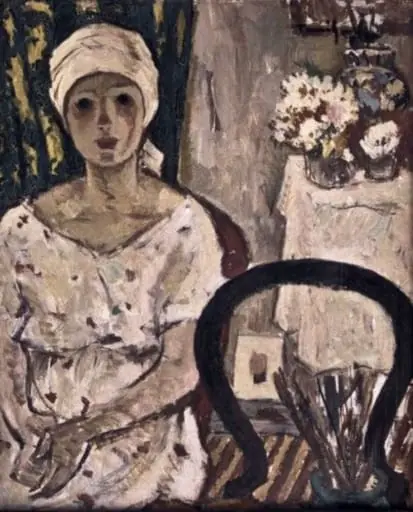
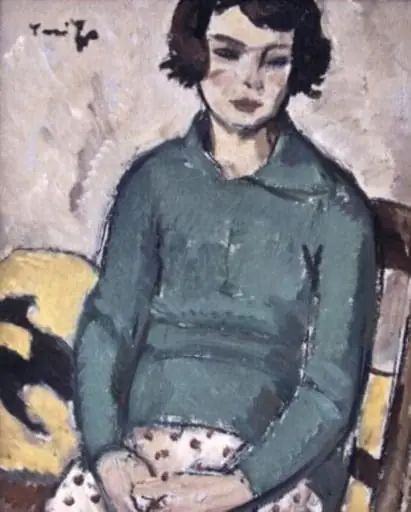
Tonitza employs a palette dominated by earthy hues, punctuated by bright yellow highlights that enliven the scene. His brushwork is loose and expressive, imparting a sense of movement. Subtle contrasts of light and shadow model the forms, adding depth and a three‑dimensional quality to the figures.
History & Provenance
Created around 1923, the painting belongs to the period when Tonitza was exploring social subjects in his oeuvre. Details of its ownership history are limited, but it remains identified as a representative example of his early‑twentieth‑century output.
Context
The early 1920s in Romania were marked by social upheaval and the aftermath of World War I, circumstances that often found expression in Tonitza’s work. “În lagărul de la Kârdjali” reflects this broader milieu, aligning with contemporary artistic interests in depicting everyday people and their environments.
Artist & collection

Artist
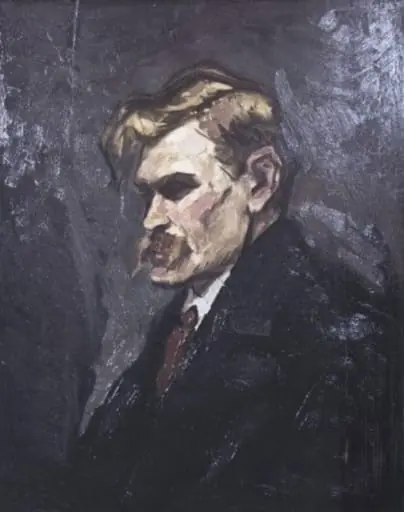
Nicolae Tonitza was a Romanian painter, engraver, lithographer, journalist and art critic. Drawing inspiration from Post-Impressionism and Expressionism, he had a major role in introducing modernist guidelines to local art.