Artwork
Peisaj din Balcic
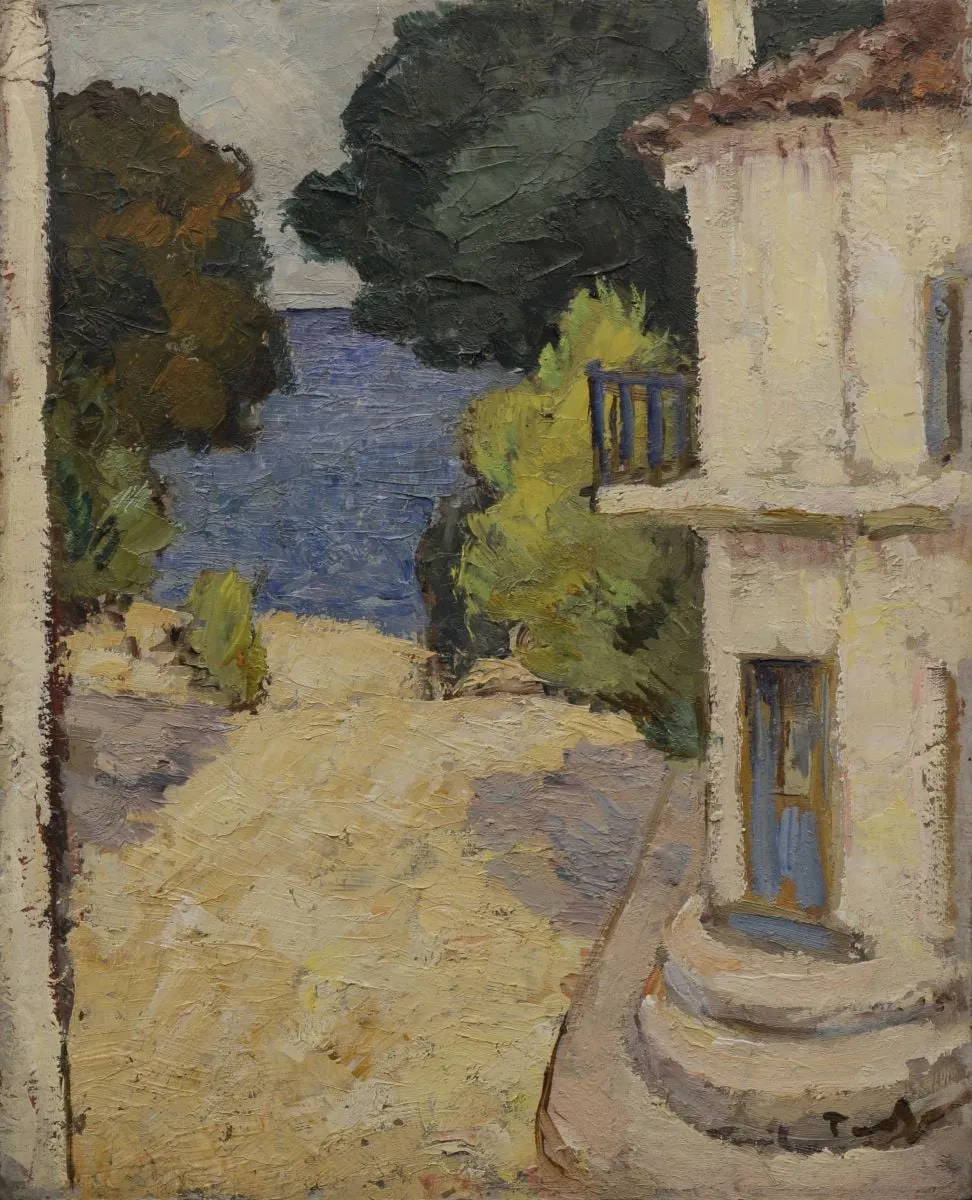
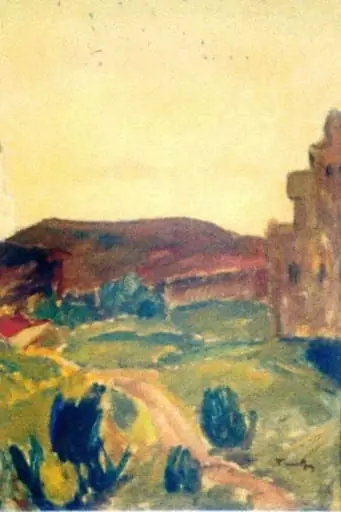
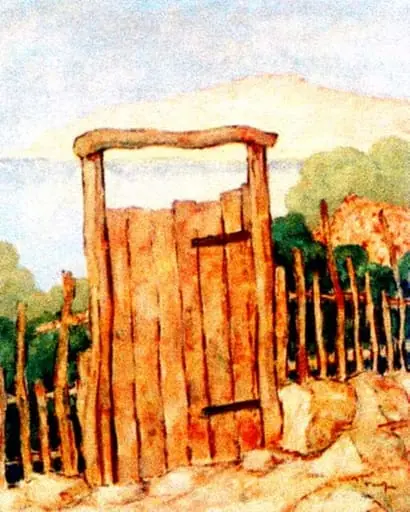
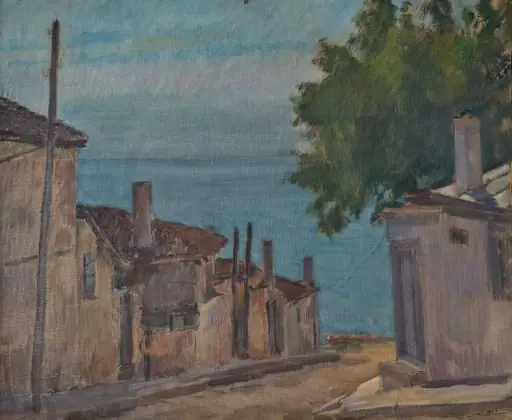
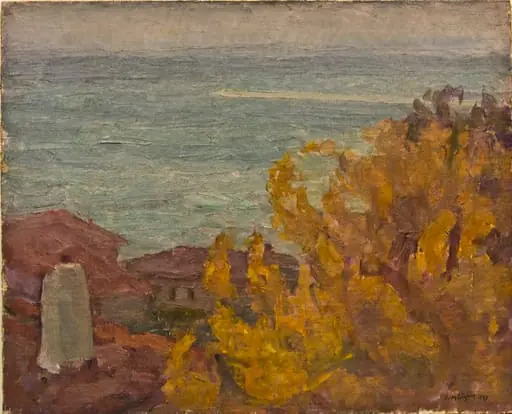
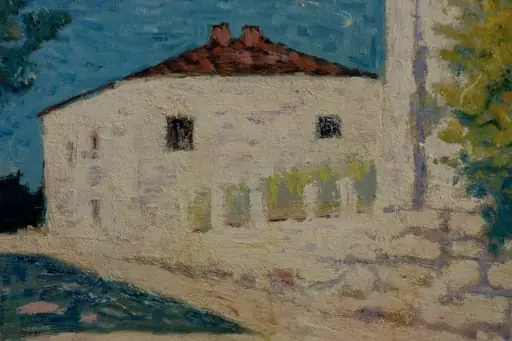
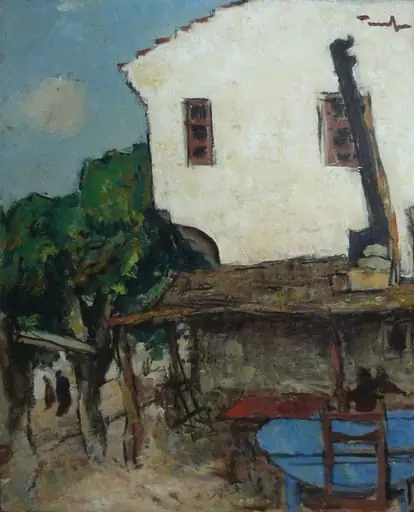
Peisaj din Balcic is a print by Nicolae Tonitza. It dates from 1923 and is held in the collection of the National Museum of Art of Romania.
About this work
Overview
The composition centers on a narrow, sunlit path winding toward the shore, flanked by earthy tones and interrupted by a modest structure near the water.
Painted around 1923 by Nicolae Tonitza, this landscape captures a quiet coastal scene in Balchik, Romania. The composition centers on a narrow, sunlit path winding toward the shore, flanked by earthy tones and interrupted by a modest structure near the water. The sky looms heavy with approaching weather, contrasting the warmth of the ground. Tonitza’s handling of paint emphasizes physicality over detail, prioritizing mood over precision.
Subject & Meaning
The scene depicts a humble seaside locale, likely a local residence with a potted tree and a low porch railing. There is no human presence, yet the abandoned path and weathered architecture suggest quiet solitude. The looming storm implies transience or inner tension, aligning with Tonitza’s broader interest in emotional landscapes. The painting evokes stillness not as peace, but as anticipation—nature and structure holding their breath.
Technique & Style
Tonitza applied paint thickly and directly, using impasto to build texture across the canvas. Brushstrokes are energetic and unrefined, particularly in the sky and path, where pigment is layered in palpable ridges. The warm earth tones contrast with the cool, turbulent sky, achieved through rapid, gestural marks. This method rejects smooth finish in favor of tactile immediacy, drawing attention to the act of painting itself.
History & Provenance
Created during Tonitza’s period of frequent travel along Romania’s Black Sea coast, the work reflects his engagement with regional landscapes beyond urban centers. It was likely painted during one of his stays in Balchik, a resort town then gaining cultural attention. The painting remained in Romanian collections after its creation, eventually entering public ownership, though its exact early ownership remains undocumented.
Context
In the early 1920s, Romanian artists were redefining national identity through depictions of everyday life and rural environments. Tonitza, influenced by Post-Impressionism and Expressionism, moved away from academic realism toward emotional intensity. This work aligns with a broader trend of artists using landscape not as backdrop but as psychological space—infused with personal and national resonance.
Legacy
The painting exemplifies Tonitza’s distinctive voice within interwar Romanian modernism. Its raw technique and emotional tone influenced later generations of artists seeking authenticity over polish. Though not widely exhibited internationally, it remains a touchstone in Romanian art history for its unembellished portrayal of place and mood, embodying a quiet rebellion against idealized representation.
Artist & collection

Artist
Nicolae Tonitza was a Romanian painter, engraver, lithographer, journalist and art critic. Drawing inspiration from Post-Impressionism and Expressionism, he had a major role in introducing modernist guidelines to local art.