Artwork
Amoriineja
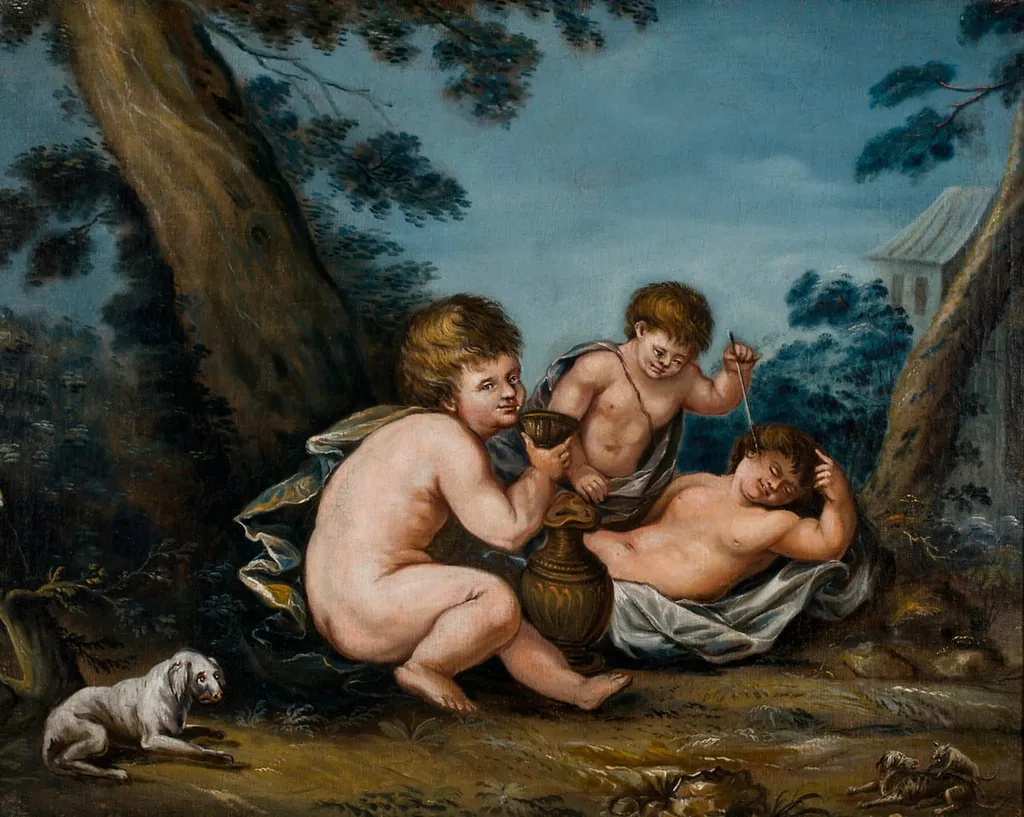
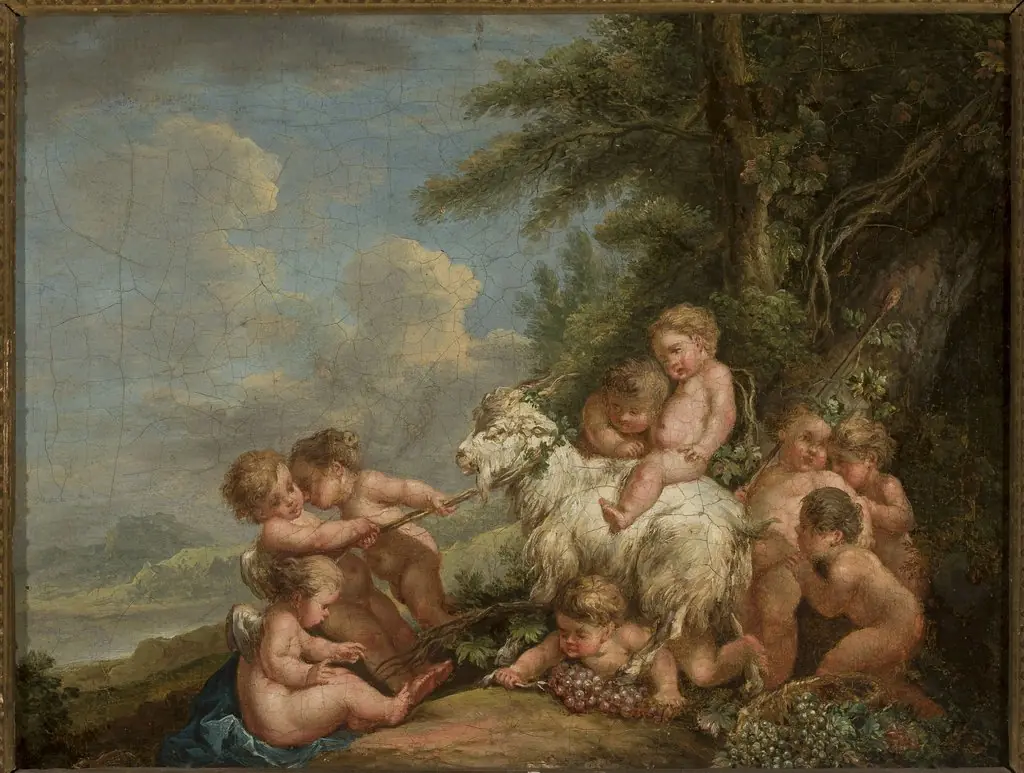
Amoriineja is an unspecified painting by Michael Toppelius. It is held in the collection of the Finnish National Gallery. This image depicts three winged infant figures, known as putti, engaged in quiet play within a dappled woodland setting.
About this work
Overview
This image depicts three winged infant figures, known as putti, engaged in quiet play within a dappled woodland setting. Their rounded forms and delicate wings suggest both human infancy and celestial presence. A small dog lies at their feet, observing. The scene is framed by distant trees, a faint building, and a pale sky, creating a tranquil, otherworldly atmosphere without overt narrative.
Subject & Meaning
Putti, common in Renaissance and Baroque art, symbolize divine love, innocence, or the soul’s轻盈 nature. Their nudity and playful stillness evoke purity, while their wings hint at a spiritual dimension beyond earthly life. The objects they interact with—cup, pot, cloth—may reference domesticity or ritual, though no clear story is told. Their presence suggests a sacred quietude rather than action.
Technique & Style
The artist employs soft, blended tones and subtle gradations of light to render the boys’ skin with a lifelike warmth. Shadows are gentle, never harsh, enhancing the tactile quality of their forms. The background is rendered in muted hues, receding to emphasize the figures. Wings are delicately detailed, integrated naturally into their posture, avoiding ornamental excess.
History & Provenance
The work’s origin and ownership history are not documented in the provided details. Its style aligns with early modern European traditions where putti appeared in religious, mythological, and allegorical contexts. Without attribution or archival records, its maker and commission remain unidentified, though its execution suggests a regional workshop familiar with classical motifs.
Context
In early modern European art, putti were frequently used to convey spiritual or emotional themes without literal storytelling. Their presence in domestic or pastoral settings reflected ideals of harmony and divine favor. This image fits within a broader visual language where cherubic figures populated altarpieces, frescoes, and decorative arts as symbols of grace and unspoiled nature.
Legacy
The depiction of putti in this work reflects a persistent artistic convention that endured for centuries, from antiquity through the 18th century.
The depiction of putti in this work reflects a persistent artistic convention that endured for centuries, from antiquity through the 18th century. While later interpretations often emphasized movement or drama, this version favors stillness and intimacy. Its quiet composition preserves a contemplative strain in the tradition, influencing how innocence and the divine were visually imagined in secular and sacred spaces alike.
Artist & collection
Artist
Michael Toppelius painted quiet scenes of daily life in Finland during the late 1700s, often focusing on people and their surroundings with soft light.

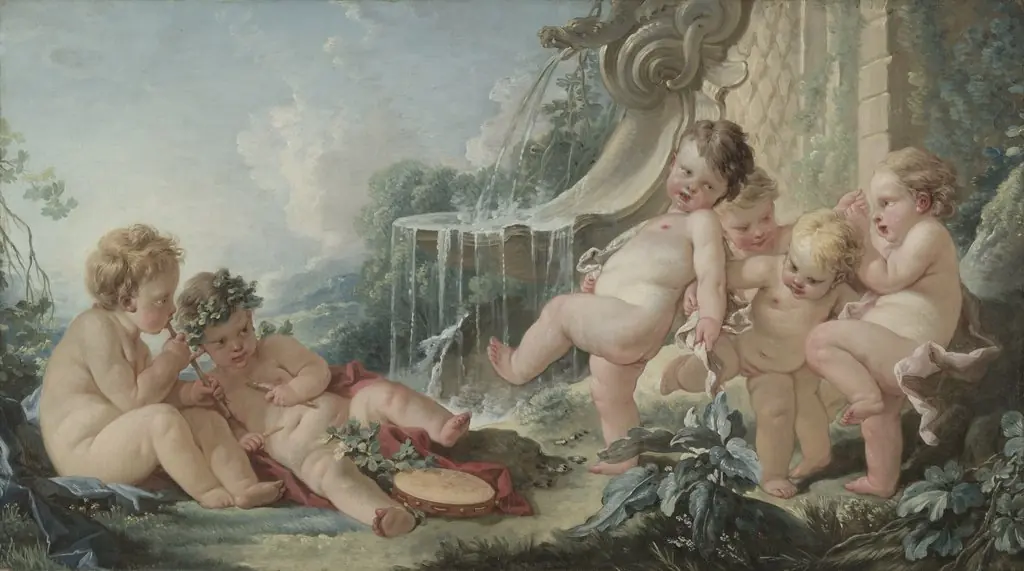 Music and Dance
 Music and Dance
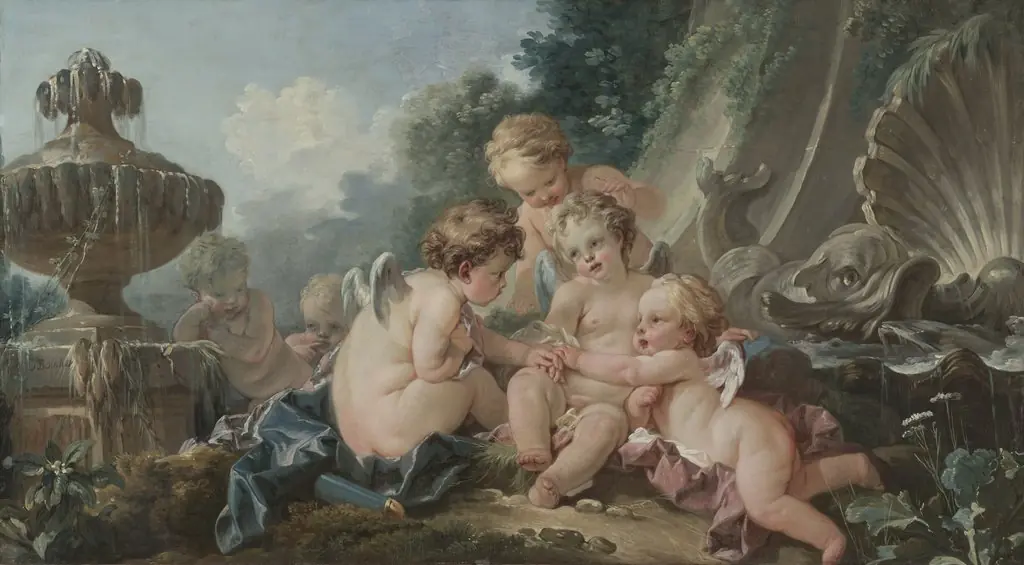 Cupids in Conspiracy
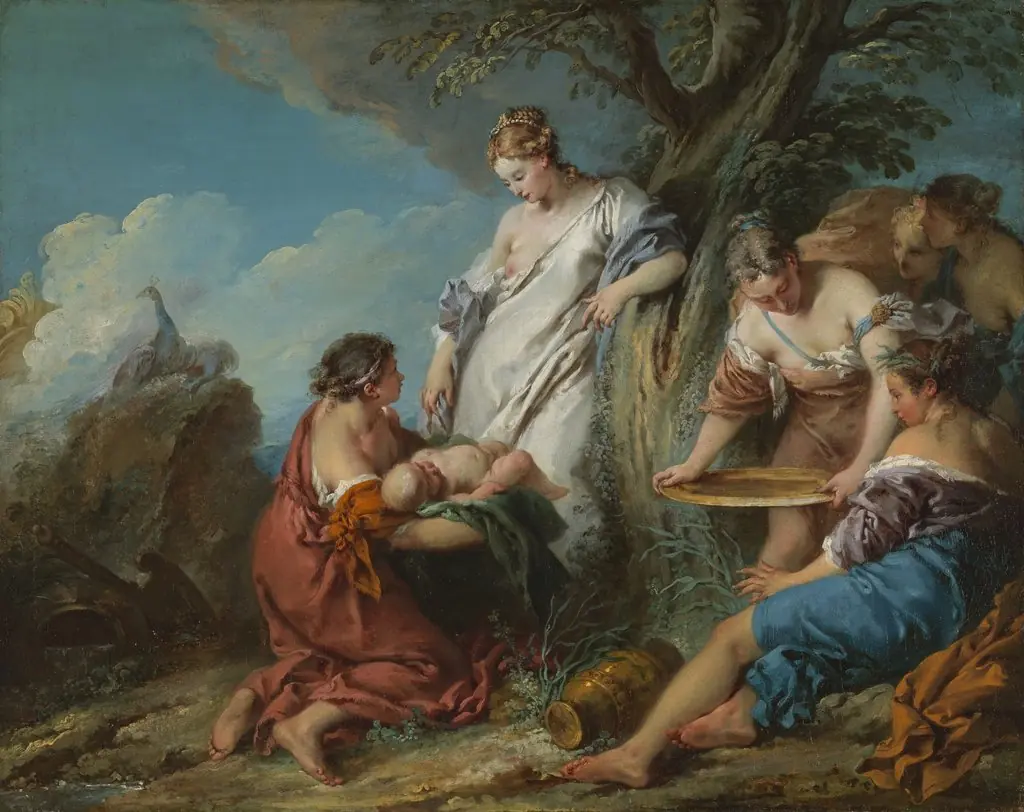 La naissance d'Adonis
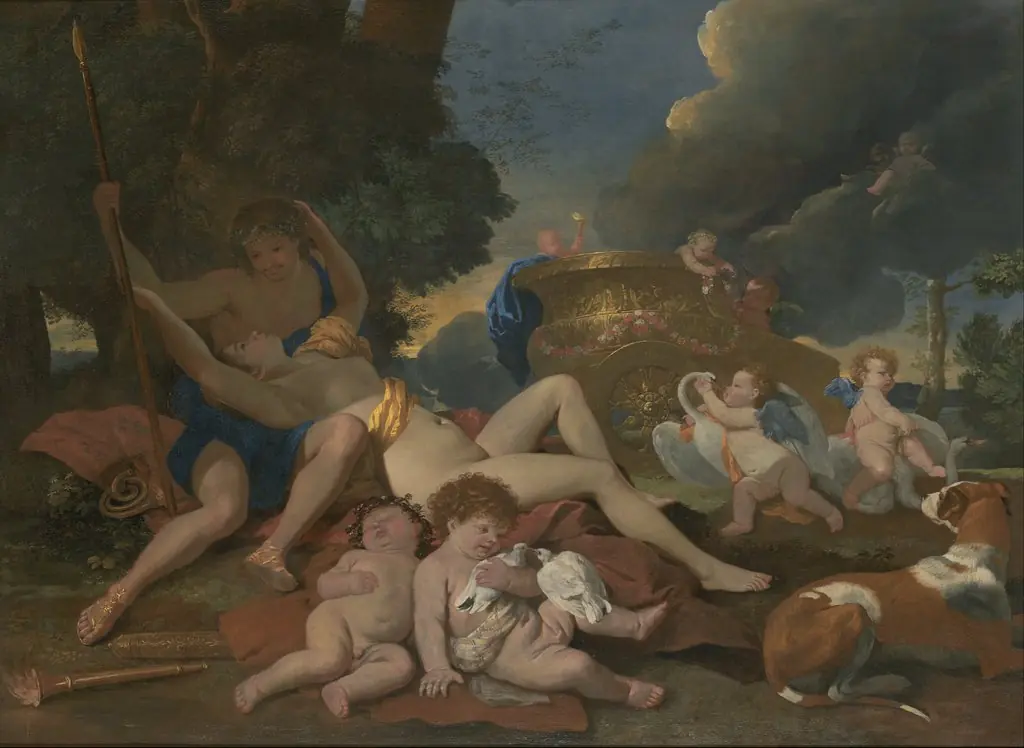 Venus and Adonis
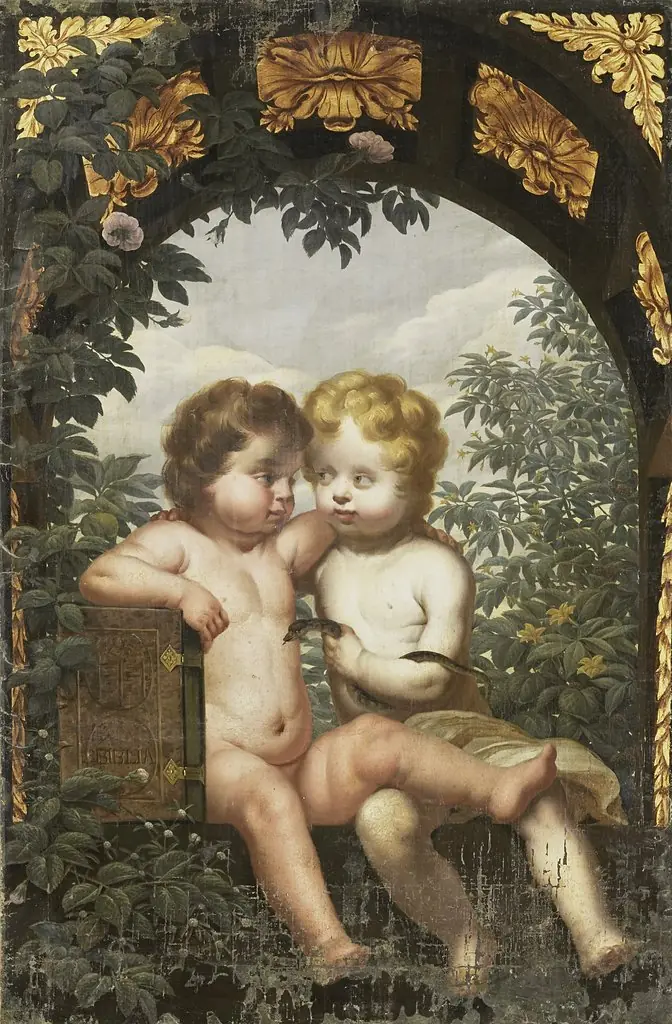 Christian Allegory with two Children with a Bible and Snake
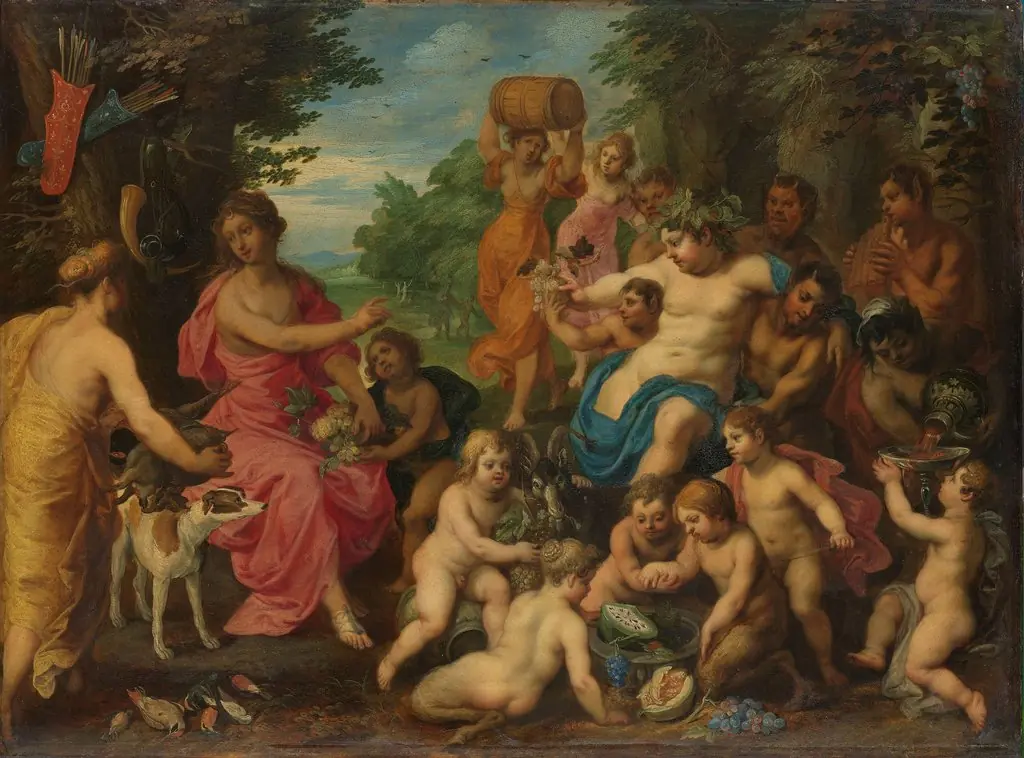 Diana Offered Wine and Fruit by the Young Bacchus and his Retinue
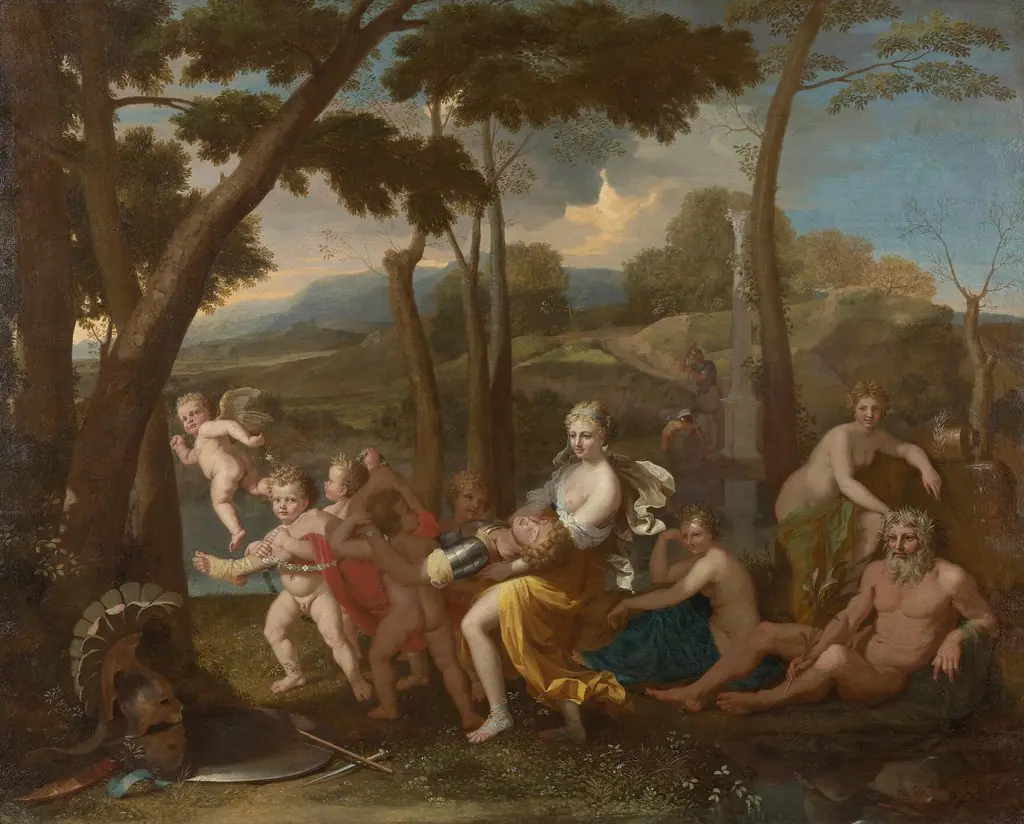 The Abduction of the Euthanized Rinaldo
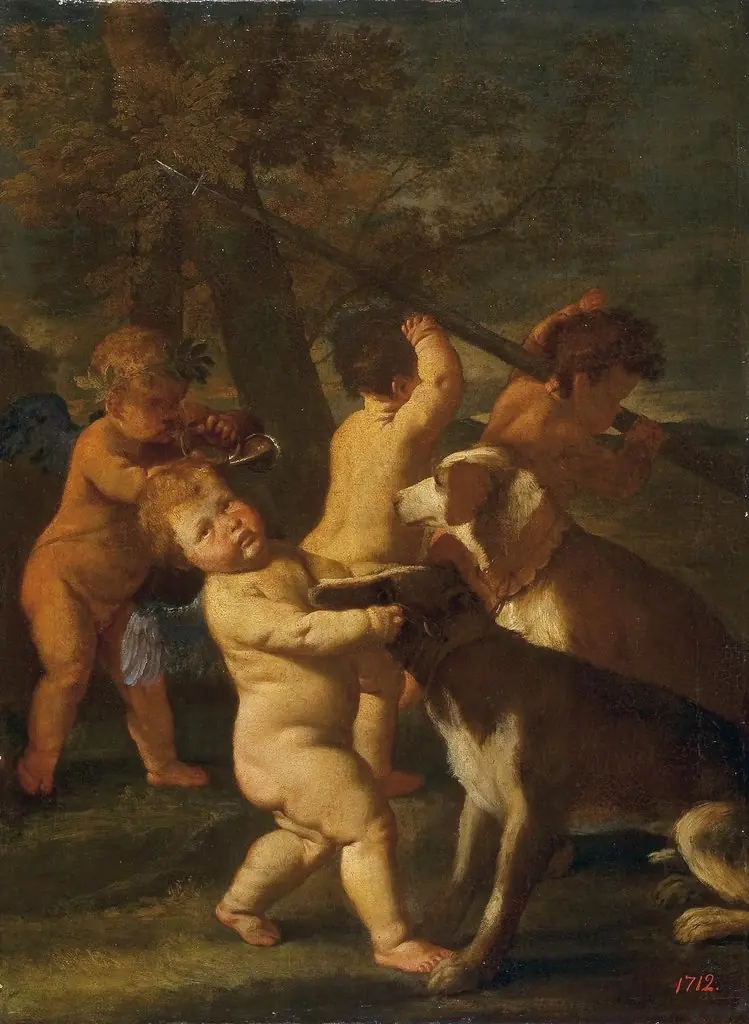 Cupids Hunting
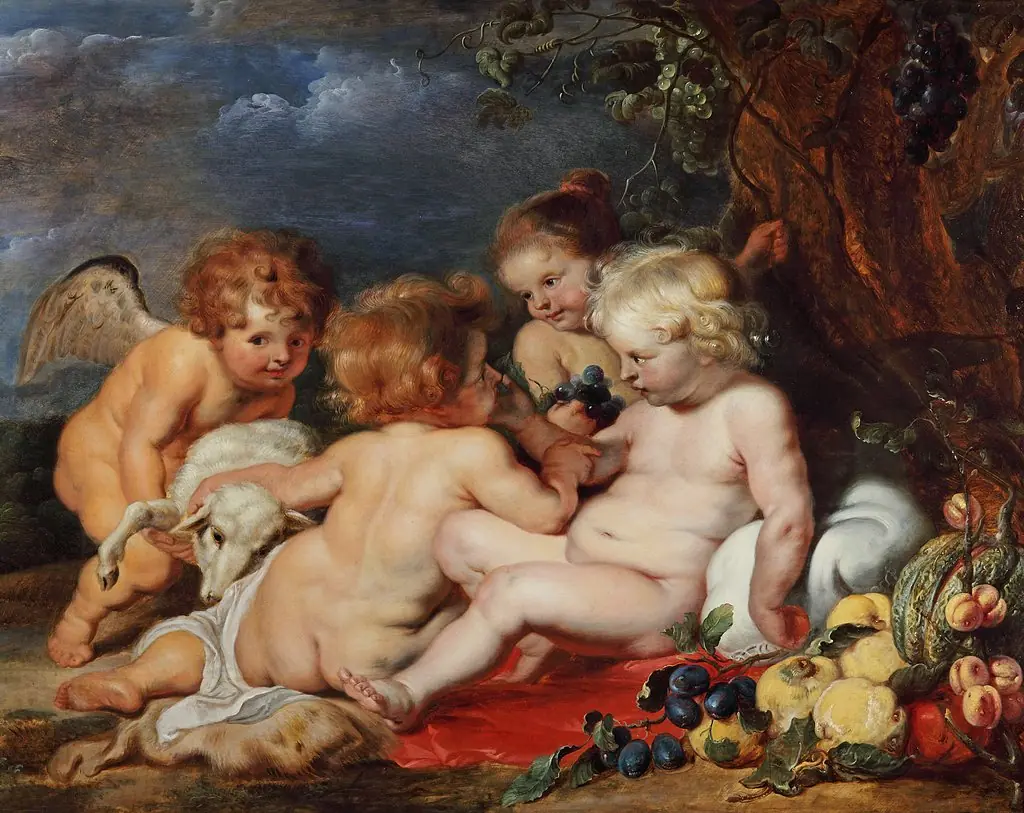 Christ with Young St. John and Angels
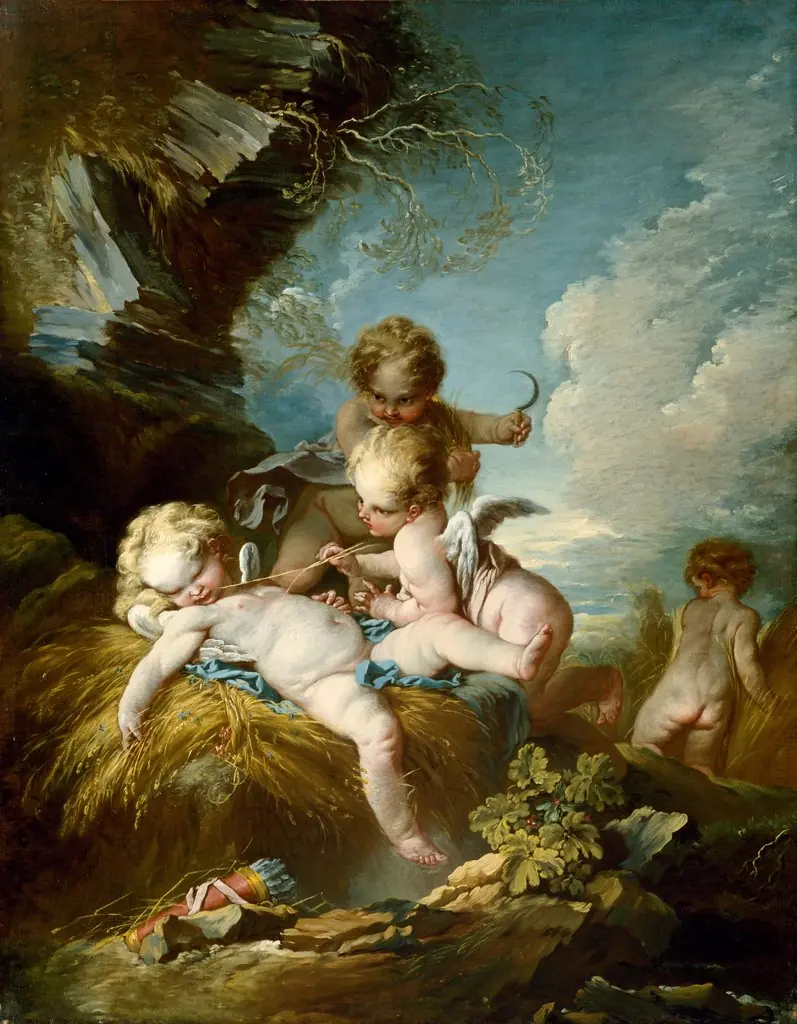 The Cherub Harvesters
 Cupids at play