Artwork
At La Gaiete Rochechouart: Nicolle (A La Gaieté Rochechouart: Nicolle)
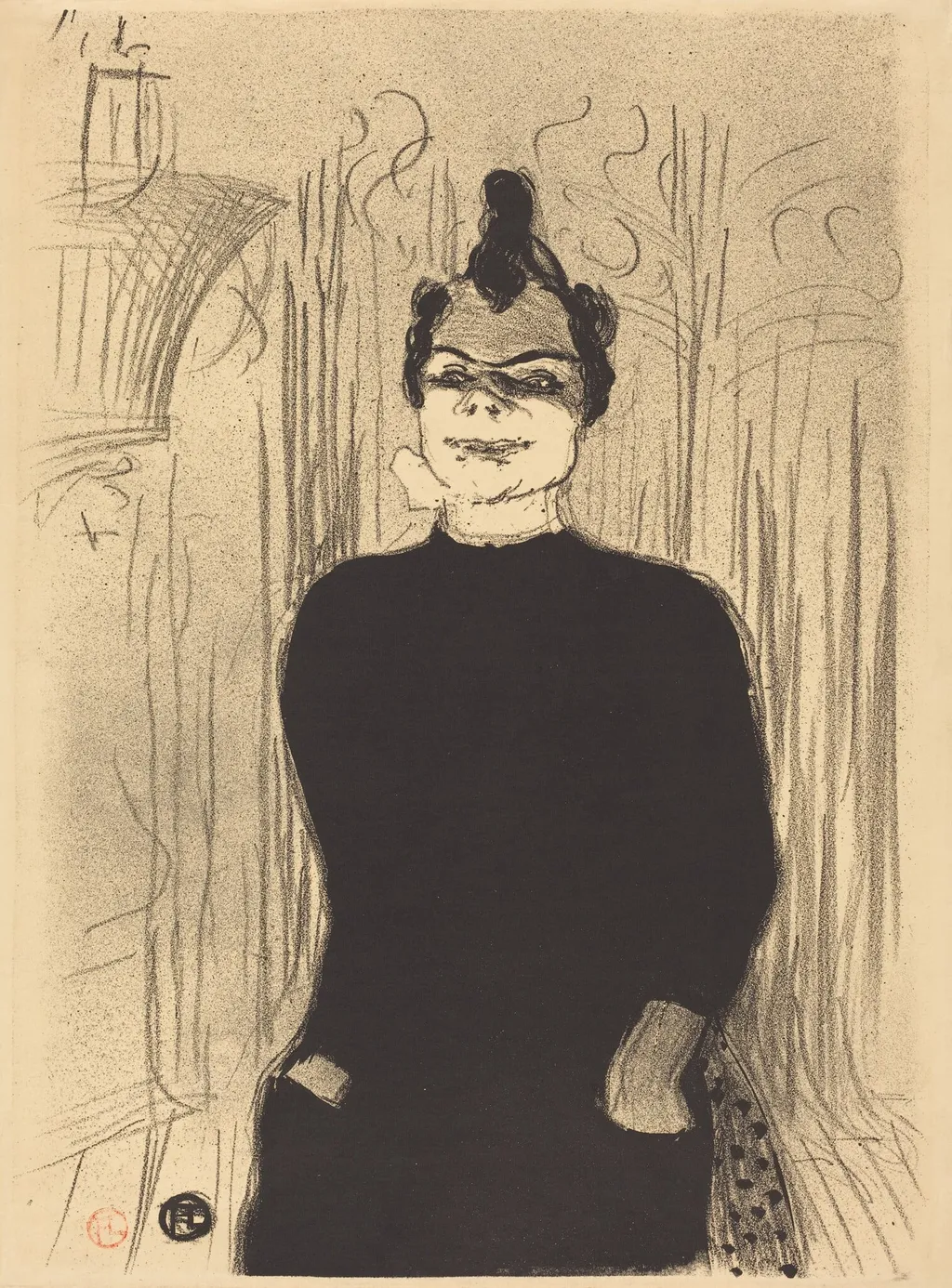
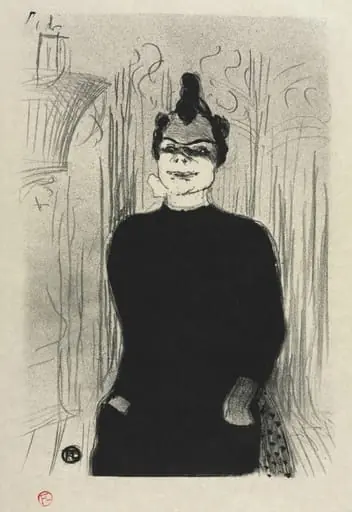
At La Gaiete Rochechouart: Nicolle (A La Gaieté Rochechouart: Nicolle) is an ink print by the Impressionist artist Henri de Toulouse-Lautrec. It dates from 1893 and is held in the collection of the National Gallery of Art.
About this work
Overview
Henri de Toulouse-Lautrec produced the lithograph *At La Gaiete Rochechouart: Nicolle* in 1893. Executed in black on velin paper, the work is a single‑plane print that captures a fleeting moment in a Parisian setting. Its compact format and stark monochrome emphasize line over colour, typical of the artist’s print output during the early 1890s.
Subject & Meaning
Behind her, a loosely sketched façade and gestural foliage suggest an urban backdrop, perhaps a street or interior of the La Gaiete Rochechouart venue.
The image centers on a woman dressed in a dark gown and a tall, conical hat, her face rendered indistinct while her hands are tucked into her pockets. Behind her, a loosely sketched façade and gestural foliage suggest an urban backdrop, perhaps a street or interior of the La Gaiete Rochechouart venue. The composition conveys a sense of anonymity and the transient nature of nightlife spectatorship.
Technique & Style
Toulouse-Lautrec employed rapid, sketch‑like lines characteristic of his lithographic practice, allowing the paper’s texture to record the immediacy of his hand. The black ink on velin—a soft, felt‑like paper—enhances the contrast between bold outlines and delicate hatching, creating a dynamic sense of movement while preserving the spontaneity of a quick study.
History & Provenance
Created during the artist’s most productive period of documenting Parisian entertainment venues, the print reflects his personal familiarity with the La Gaiete Rochechouart, a popular gathering place for performers. The work entered private collections shortly after its production and has since appeared in several exhibitions of Toulouse-Lautrec’s graphic oeuvre, confirming its attribution and dating to 1893.
Context
At the time of its creation, Toulouse-Lautrec was immersed in the bohemian circles of Montmartre, where lithography served as a rapid means to disseminate images of cabarets, dancers, and patrons. The piece aligns with his broader interest in portraying the theatrical world’s fleeting gestures, offering a visual record of the social atmosphere that defined late‑19th‑century Paris.
Artist & collection
Artist
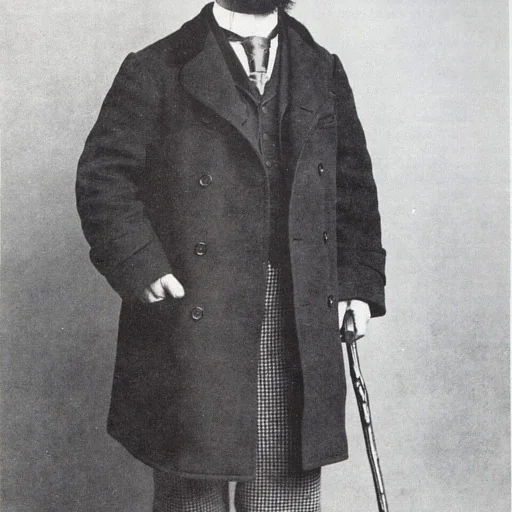
Comte Henri Marie Raymond de Toulouse-Lautrec-Montfa (24 November 1864 – 9 September 1901), known as Toulouse-Lautrec (French: ), was a French painter, printmaker, draughtsman, caricaturist, and illustrator.

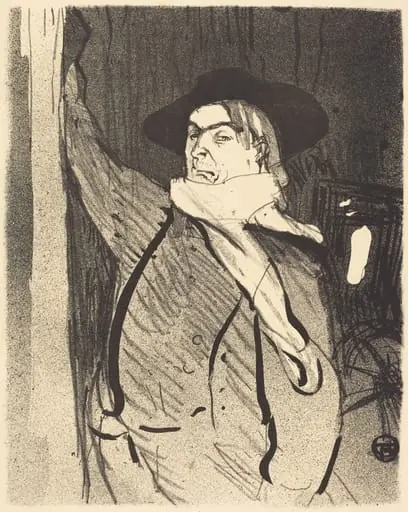 Aristide Bruant
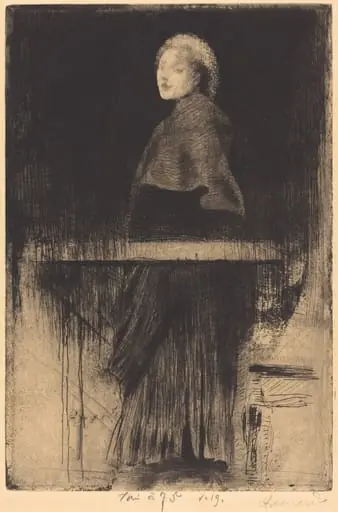 Woman in a Cape (La Femme à la Pelerine)
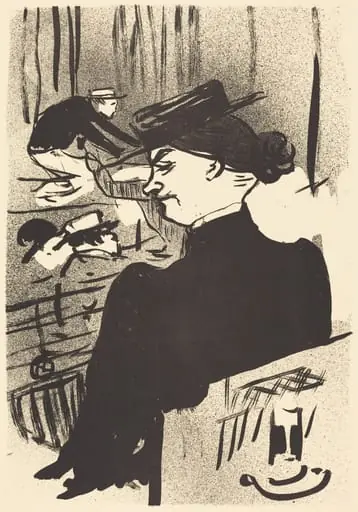 A Spectator (Une spectatrice)
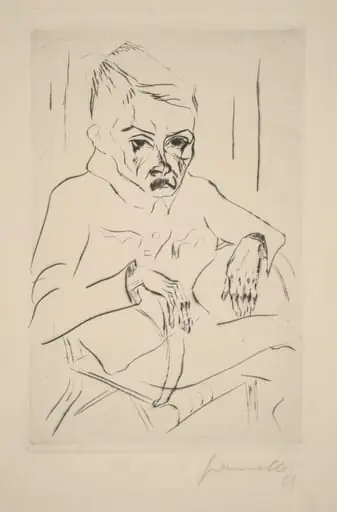 Tired Soldier I
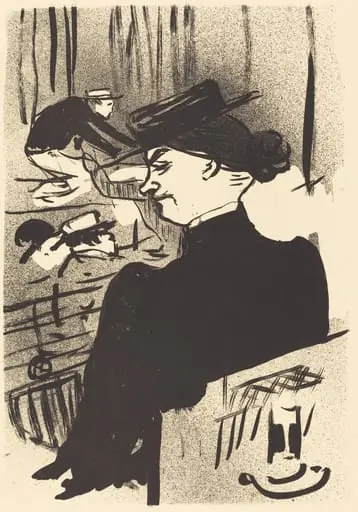 A Spectator (Une spectatrice)
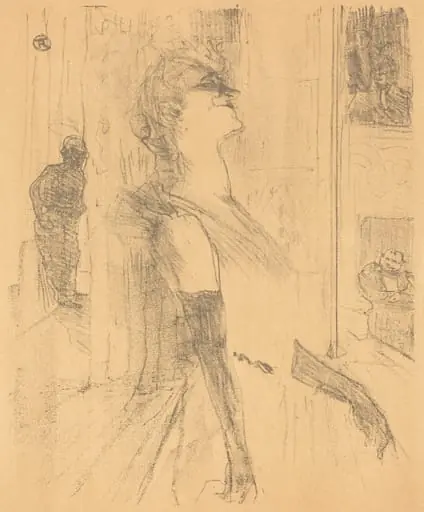 On the Stage (Sur la scène)
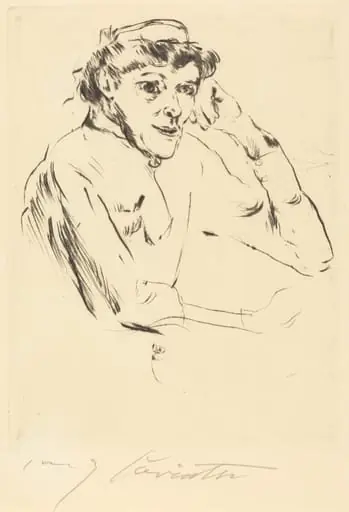 Pflegerin (Nurse)
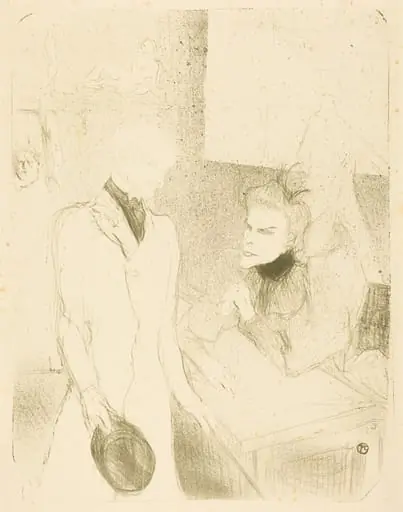 Brandes and Le Bargy in "Cabotins" (Brandès et Les Bargy dans "Cabotins")
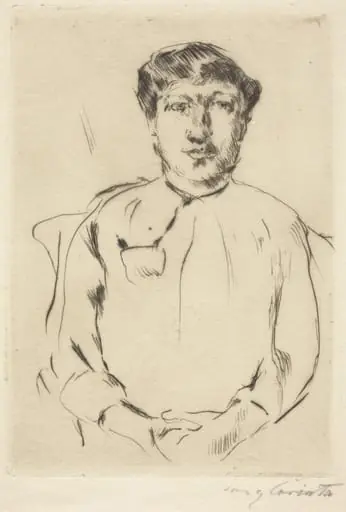 Frauenbildnis (Portrait of a Woman)
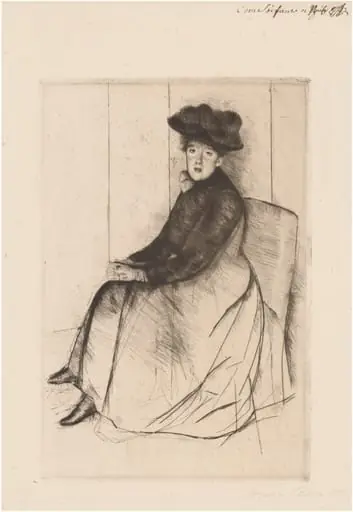 Reflection
 Intimate Fantasy (Féerie intime)
 At the Gaieté Rochechouart: Nicolle