Artwork
Tired Soldier I
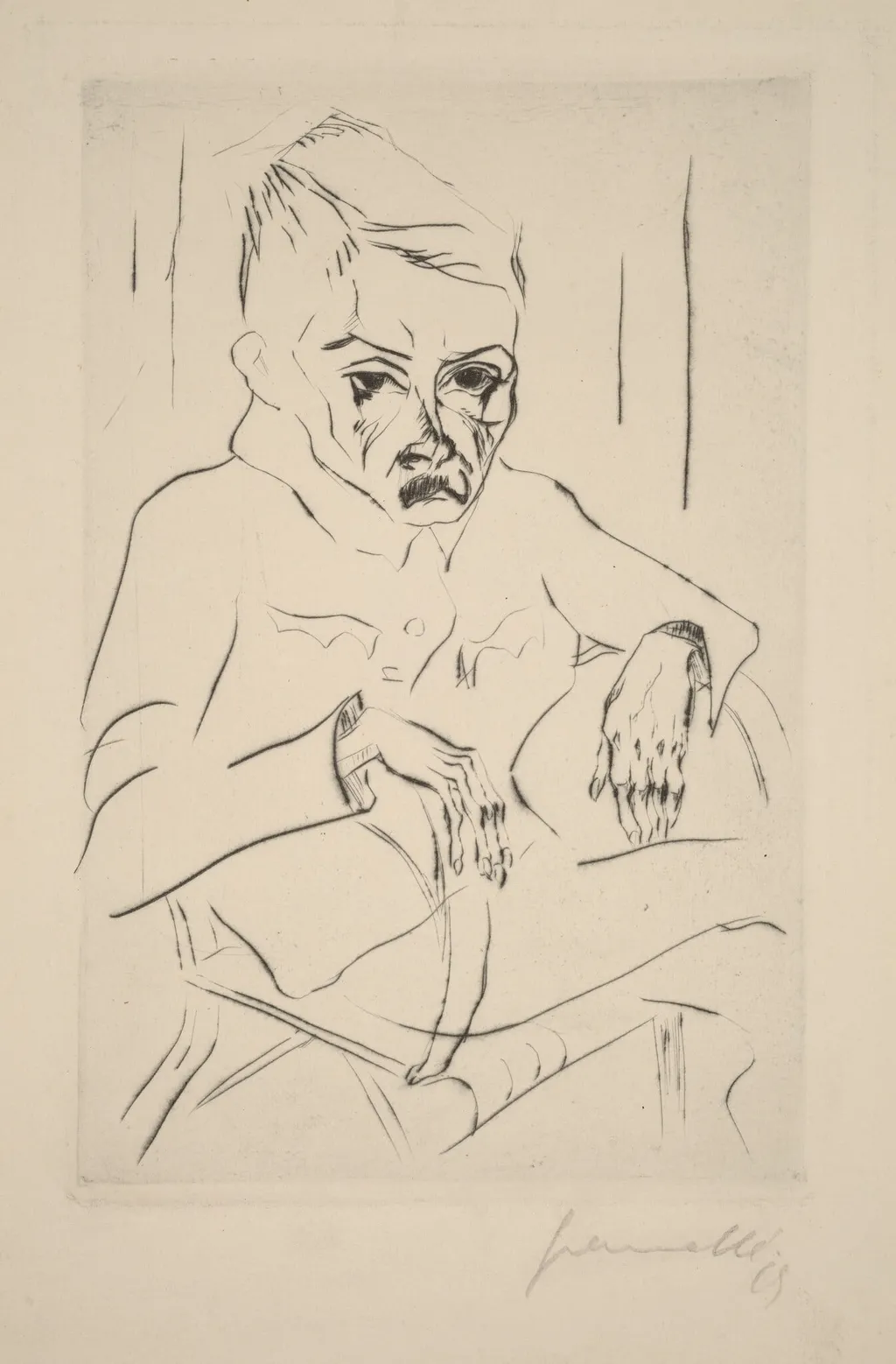
Tired Soldier I is an ink print by Walter Gramatté. It dates from 1919 and is held in the collection of the National Gallery of Art.
About this work
Overview
Created in 1919, *Tired Soldier I* is a drypoint print on wove paper by German artist Walter Gramatté. The image portrays a weary figure seated with his head bowed, arms folded on his knees, and hands clasping a small object that suggests a letter or cloth. The work exemplifies Gramatté’s post‑war focus on human fatigue and resilience.
Subject & Meaning
The solitary soldier, rendered in a slumped posture, conveys the physical and psychological toll of combat. By emphasizing the folded object in his hands, Gramatté hints at personal correspondence or a token of home, underscoring themes of longing and the lingering impact of wartime experience on the individual.
Technique & Style
Gramatté employed drypoint, a printmaking process in which a sharp needle incises lines directly into the paper surface. The resulting burr produces rich, velvety blacks and a spontaneous, sketch‑like quality. Loose, rapid strokes dominate the composition, reinforcing the work’s emotional immediacy and expressionist sensibility.
History & Provenance
The print belongs to a period when Gramatté was active in several European cities, including Berlin, Hamburg, Hiddensee, and Barcelona. Produced shortly after World War I, it reflects the artist’s own health struggles and wartime memories, recurring motifs throughout his oeuvre during this introspective phase.
Context
*Tired Soldier I* aligns with the broader expressionist movement’s interest in conveying inner states rather than external realism. Gramatté’s blend of magic realism and symbolic content places the work within a post‑war artistic climate that sought to articulate the unseen psychological wounds of a generation.
Artist & collection

Artist
Walter Gramatté (8 January 1897 in Berlin – 9 February 1929 in Hamburg) was a German expressionist painter who specialized in magic realism.

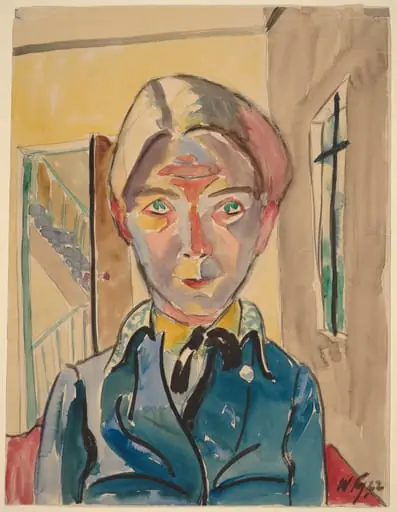 Self-Portrait in Front of Stairs (Selbst vor Treppe)
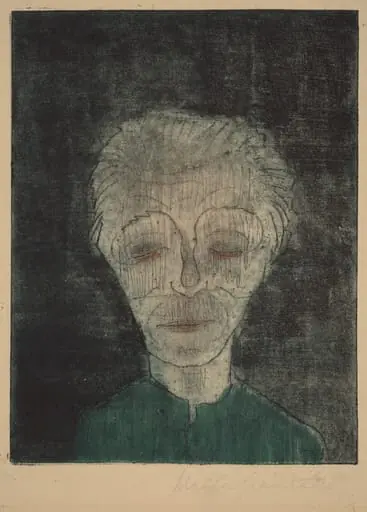 Tired Man (Self-Portrait)
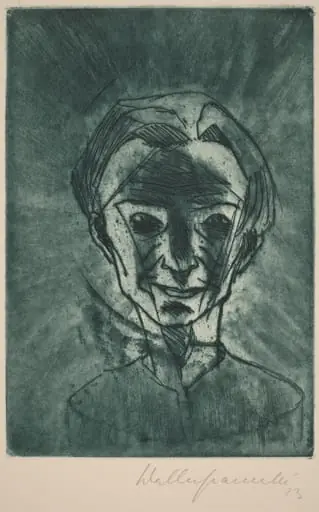 Smiling Head, Self-portrait (Lächelnder Kopf, Selbstporträt)
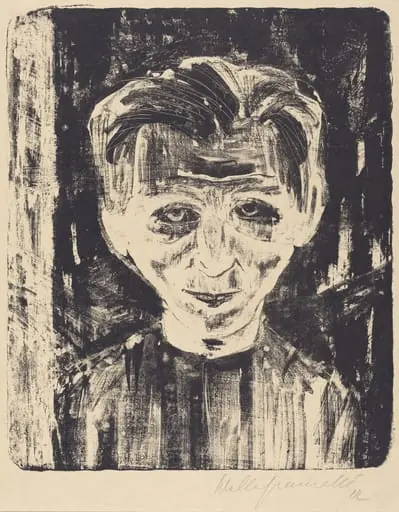 Self-Portrait
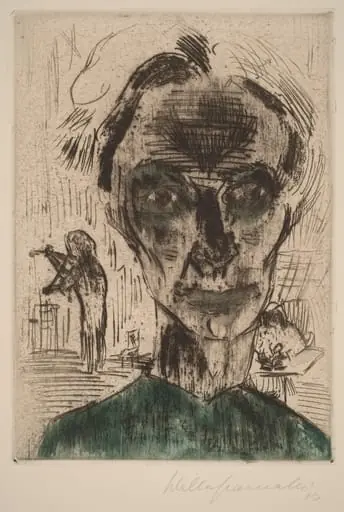 Man in a Room, Self-portrait
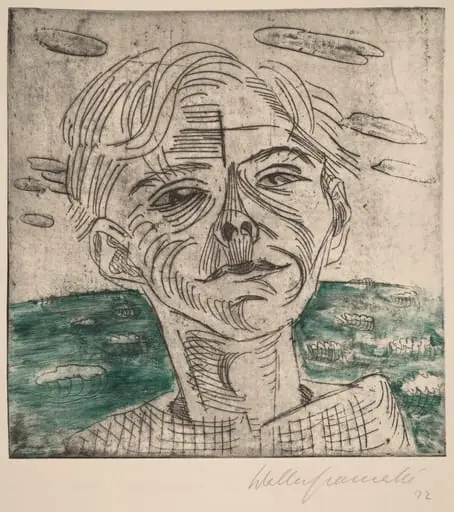 Man at the Sea, Self-portrait (Mann am Meer, Selbstporträt)
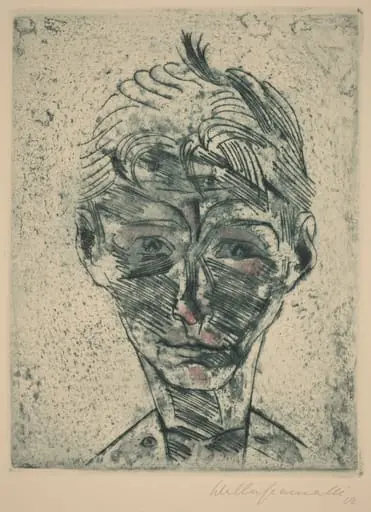 Bust of a Young Man, Self-portrait (Knabenkopf, Selbstporträt)
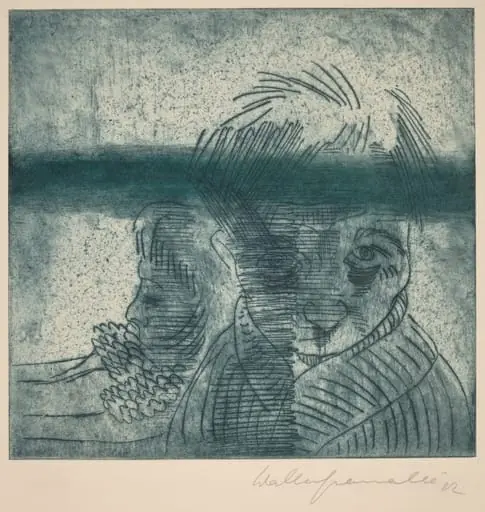 The Couple, Self-Portrait with Wife (Das Paar, Selbstporträt mit Frau)
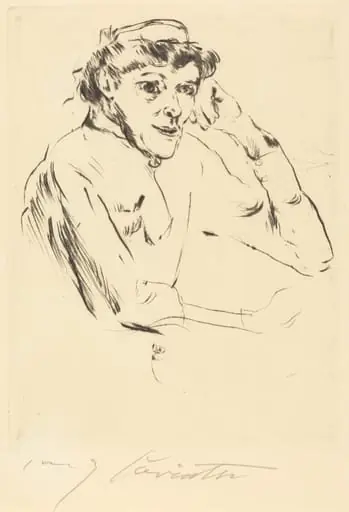 Pflegerin (Nurse)
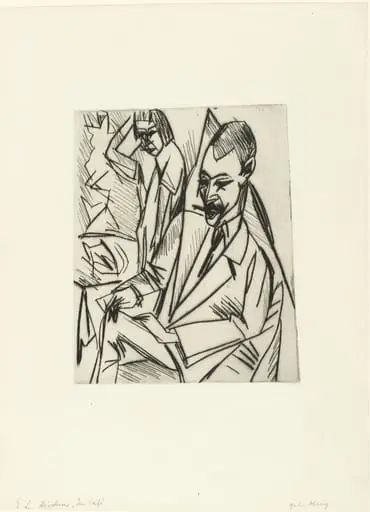 Untitled
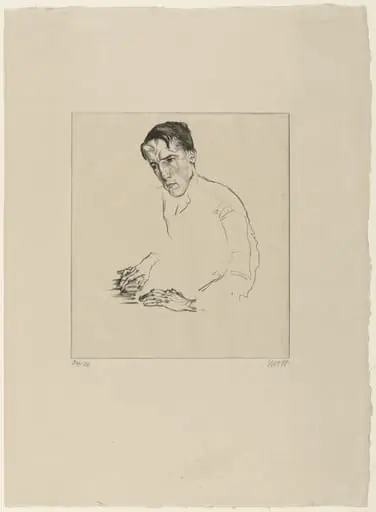 Untitled
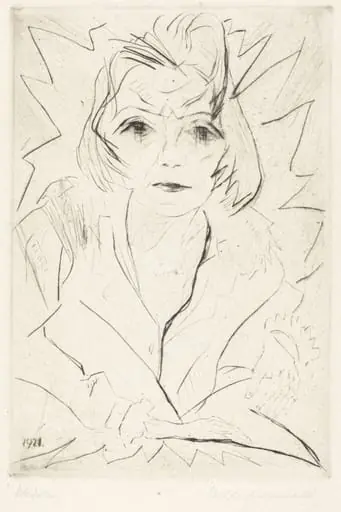 Madchen (Girl)
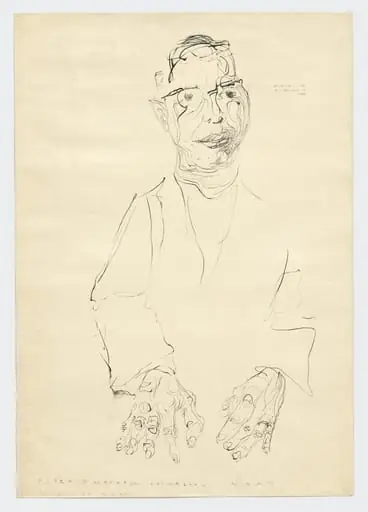 Untitled
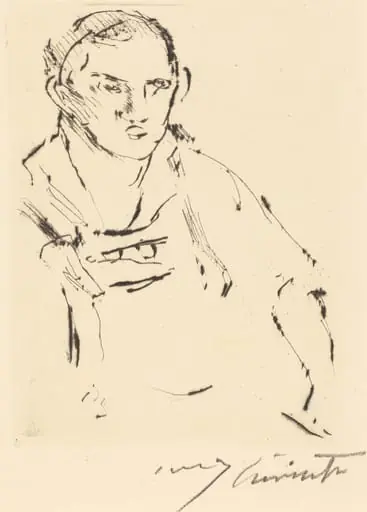 Thomas Corinth
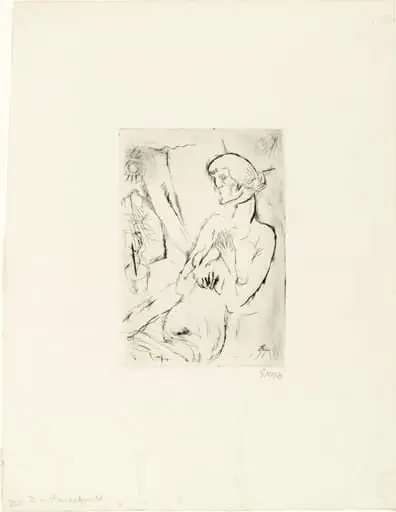 Untitled
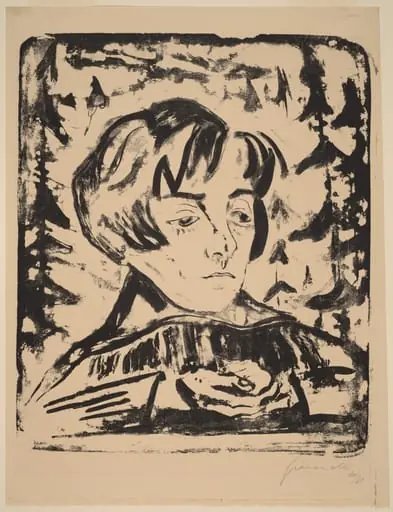 Listening
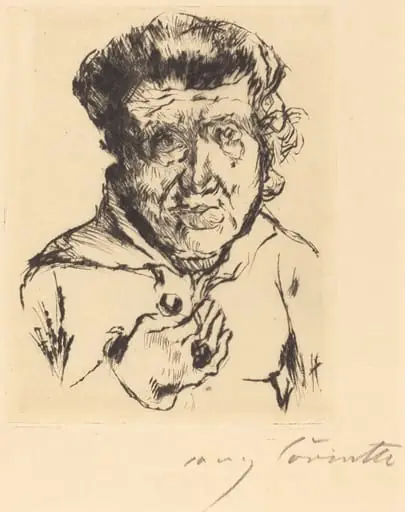 Des Künstlers Schwiegermutter (The Artist's Mother-in-Law)
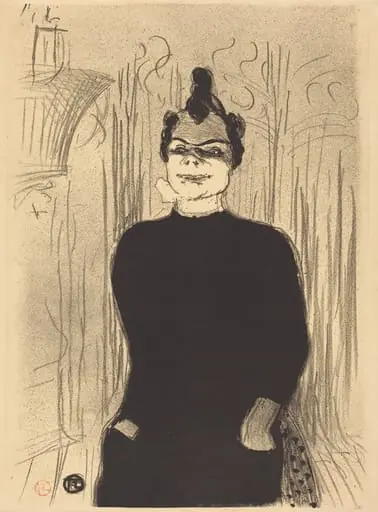 At La Gaiete Rochechouart: Nicolle (A La Gaieté Rochechouart: Nicolle)
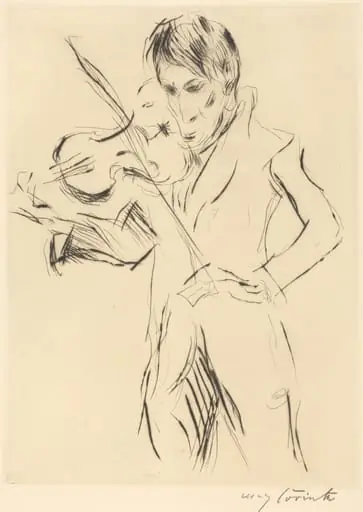 Bildnis Andreas Weissgaerber (Portrait of Andreas Weissgaerber)
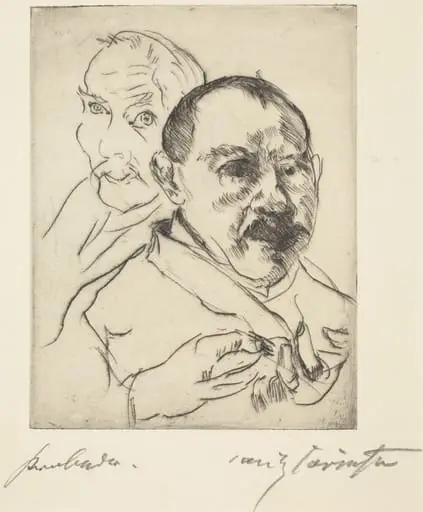 Zwei Männliche Studienköpfe—Selbstbildnisse (Sketch of Two Male Heads—Self-Portraits)