Artwork
At the Picton Bar, rue Scribe (Au bar Picton, rue Scribe)
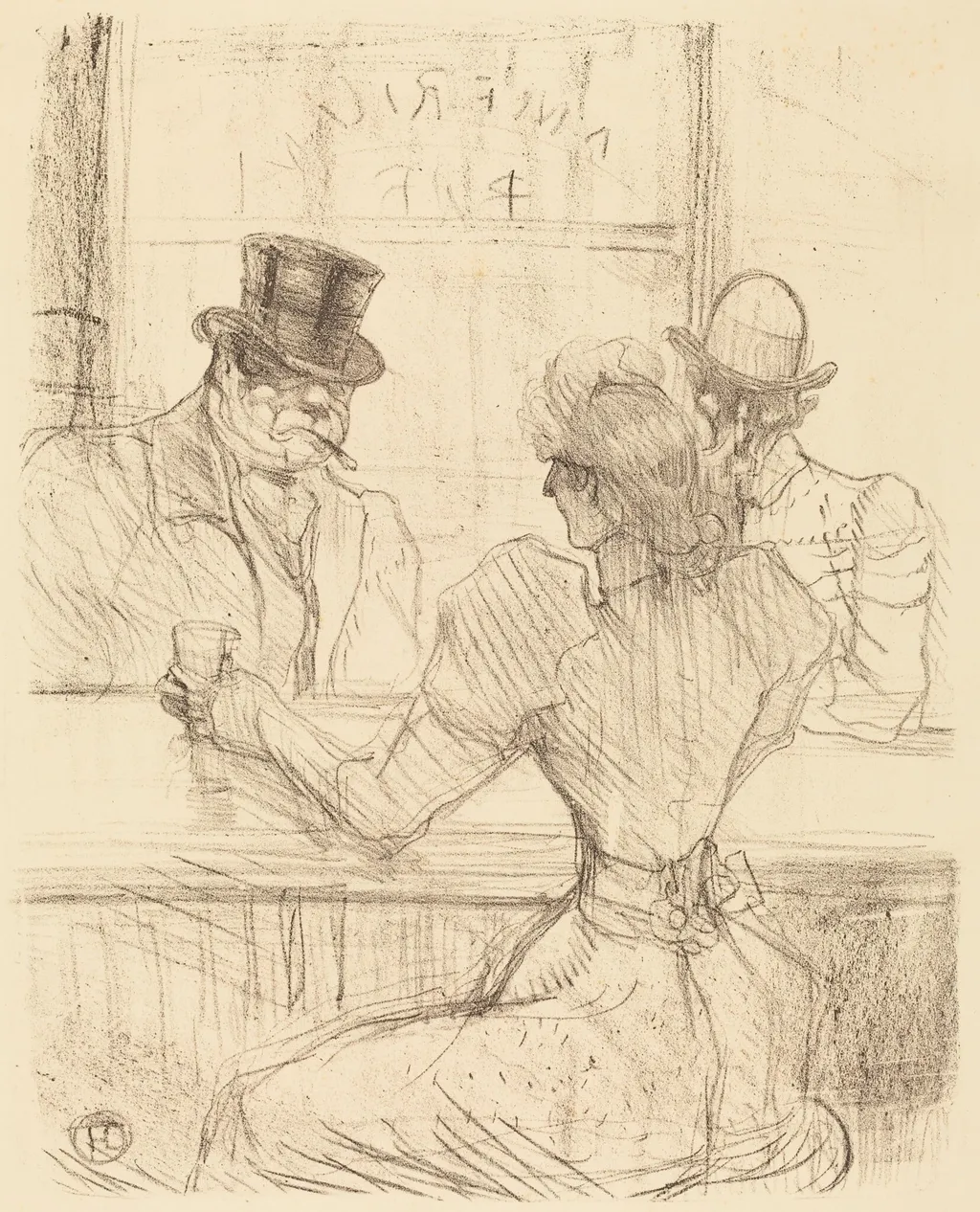
At the Picton Bar, rue Scribe (Au bar Picton, rue Scribe) is an ink print by the Impressionist artist Henri de Toulouse-Lautrec. It dates from 1896 and is held in the collection of the National Gallery of Art.
About this work
Overview
At the Picton Bar, rue Scribe is a 1896 lithograph by Henri de Toulouse-Lautrec, capturing a moment in a Parisian bar through simple, expressive black lines on velin paper.
Subject & Meaning
The print depicts two individuals in a bar setting: a formally attired man and a woman with a wide-brimmed hat and shawl, set against a minimalist backdrop of a bar counter and shelves, reflecting Toulouse-Lautrec's fascination with late 19th-century Parisian social life.
Technique & Style
Characterized by quick, loose lines and a limited black-on-light palette, the lithograph conveys a sense of spontaneity and sketchiness, emphasizing the immediacy of the observed scene.
History & Provenance
Created in 1896 by Toulouse-Lautrec, an artist known for his portrayals of nightlife despite personal physical challenges, the work's provenance details are not specified here.
Context
Emerging from Toulouse-Lautrec's frequent explorations of bars, cabarets, and social gatherings, this piece situates itself within his broader oeuvre focused on the vibrant, often nocturnal, social culture of late 19th-century Paris.
Legacy
While specific legacy details of *At the Picton Bar, rue Scribe* are not provided, it contributes to Toulouse-Lautrec's overall impact on capturing the essence of Parisian life in the late 1800s through lithography.
Artist & collection
Artist
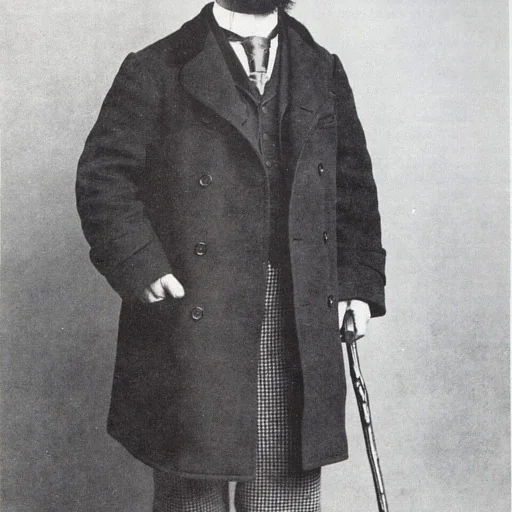
Comte Henri Marie Raymond de Toulouse-Lautrec-Montfa (24 November 1864 – 9 September 1901), known as Toulouse-Lautrec (French: ), was a French painter, printmaker, draughtsman, caricaturist, and illustrator.

 Le Cafe
 Untitled
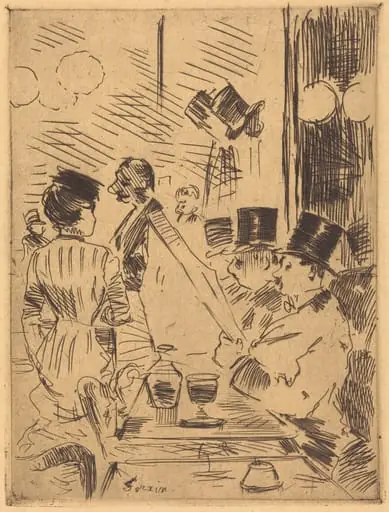 Le café de la Nouvelle Athènes (The Cafe of the New Athens)
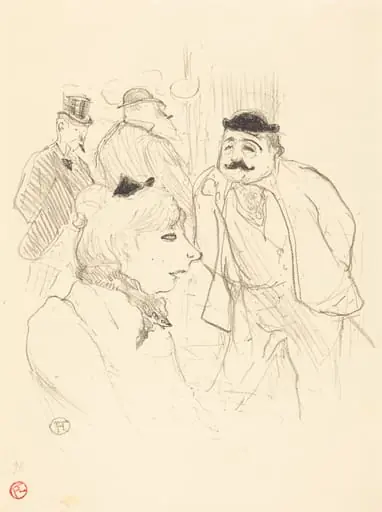 La Tige (Moulin-Rouge)
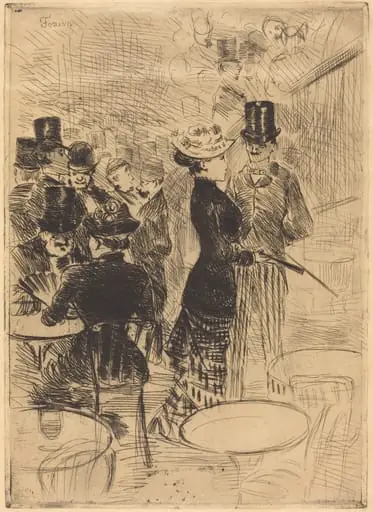 Le bar des Folies-Bergère (The Bar at the Folies-Bergère)
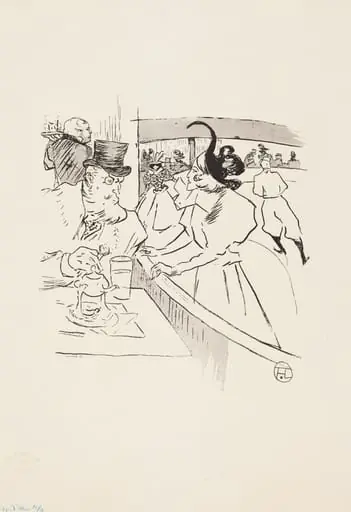 In the Skating Professional Beauty
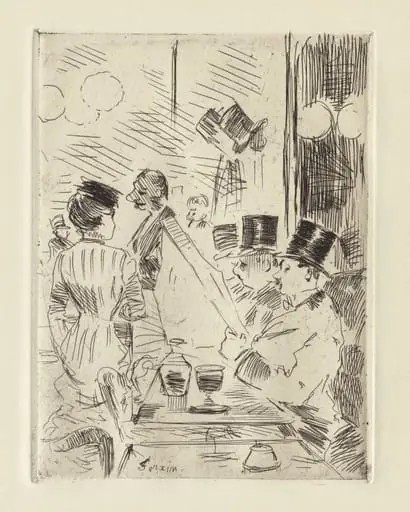 The Café of the New Athens
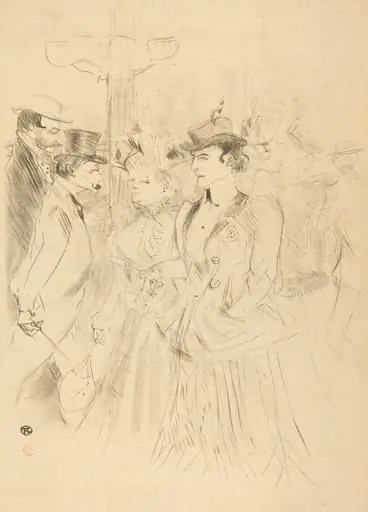 Promenade (Promenoir)
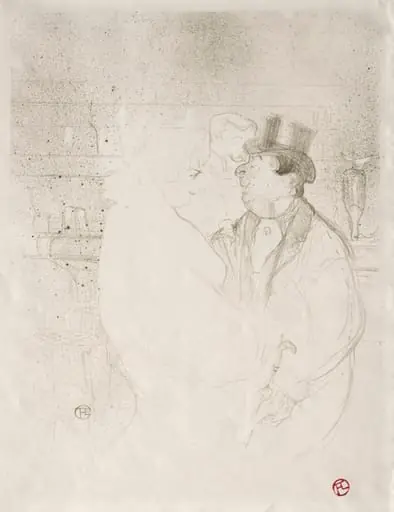 Ida Heath at the Bar
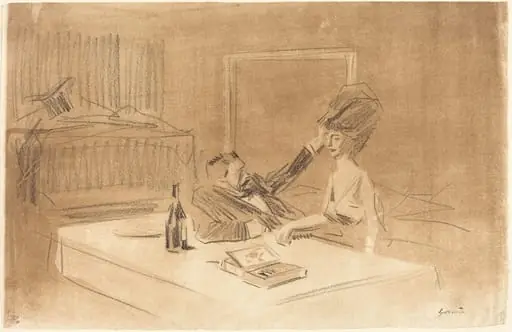 Scène de cabinet particulier (planche en largeur au lavis) (Scene in a Private Room) (horizontal plate with wash)