Artwork
Jeanne Hading
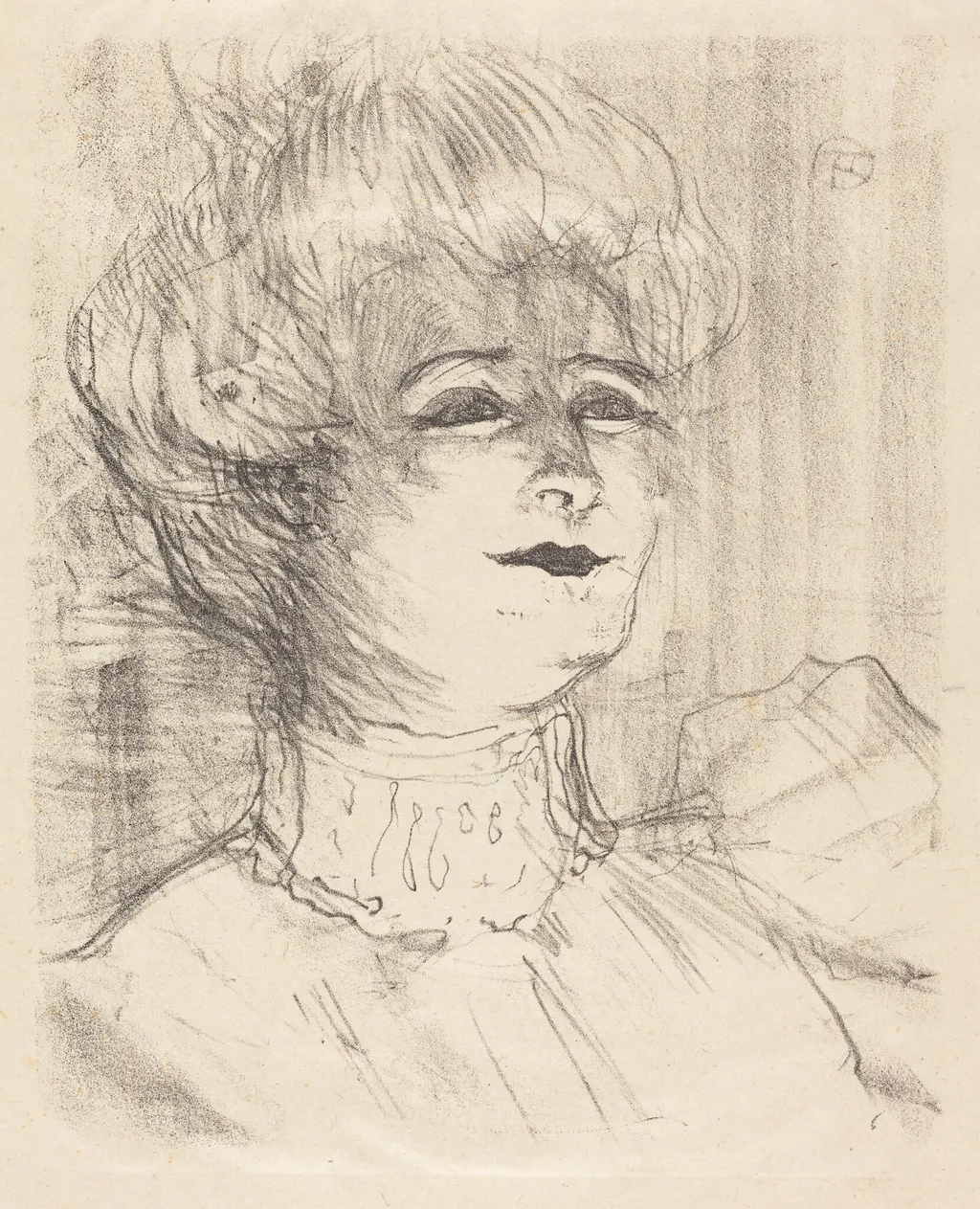
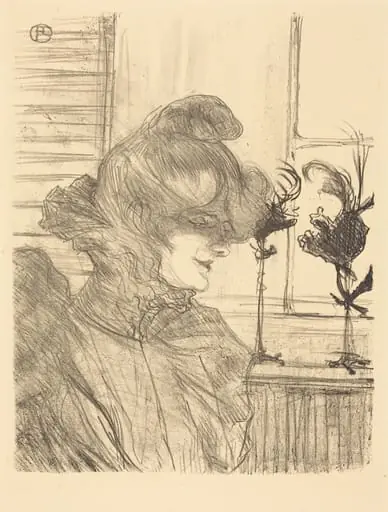
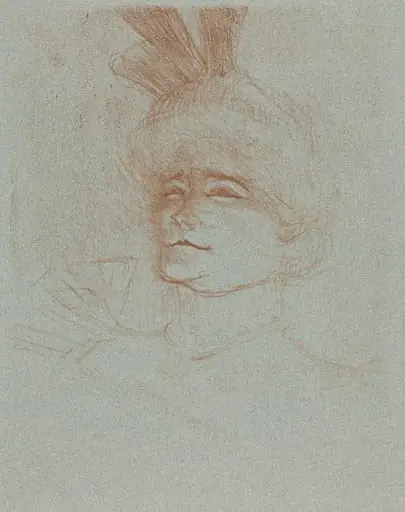
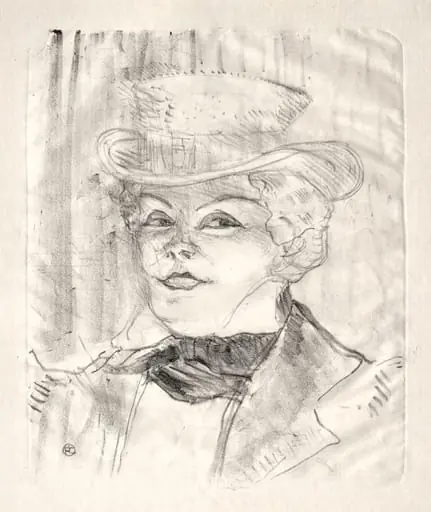
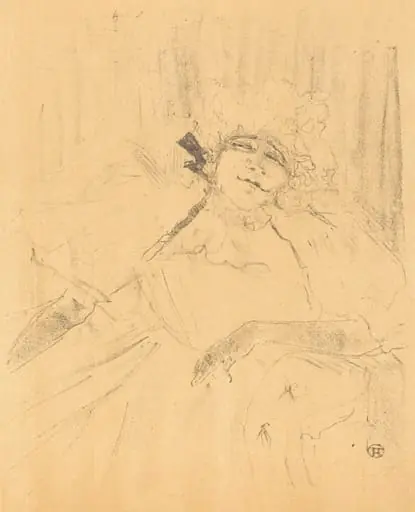
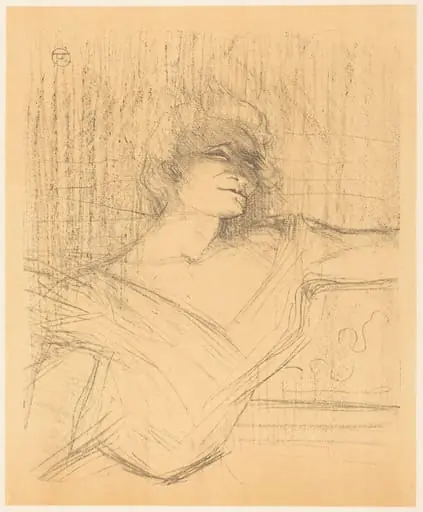
Jeanne Hading is an ink print by the Impressionist artist Henri de Toulouse-Lautrec. It dates from 1896 and is held in the collection of the National Gallery of Art.
About this work
Overview
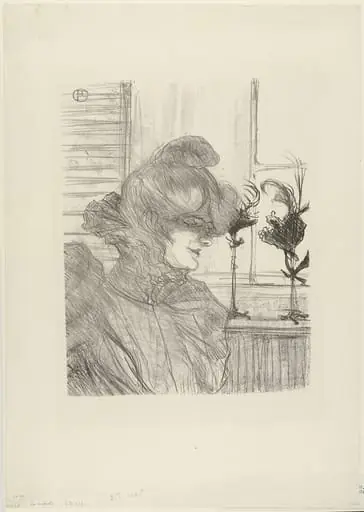
Henri de Toulouse-Lautrec produced the black lithograph *Jeanne Hading* in 1896, printing it on hand‑made paper. The work presents a half‑profile portrait of a woman whose hair falls loosely around her shoulders, her gaze turned away from the viewer. Rendered in swift, sketch‑like lines, the image captures a fleeting, informal moment rather than a polished likeness.
Subject & Meaning
The sitter, Jeanne Hading, was a figure associated with the Parisian entertainment world of the 1890s, likely a dancer or actress known in the cabarets and theatres frequented by Toulouse‑Lautrec. By depicting her with a slightly averted head and unstyled hair, the artist emphasizes a candid, unguarded presence, suggesting the everyday reality behind the stage persona.
Technique & Style
Created through lithography, the print relies on a stone‑or‑metal surface prepared with greasy media, then transferred onto paper under pressure.
Created through lithography, the print relies on a stone‑or‑metal surface prepared with greasy media, then transferred onto paper under pressure. Toulouse‑Lautrec employed a loose, gestural line that conveys immediacy; the collar and facial features are suggested with a few strokes, allowing the viewer’s eye to fill in details. The monochrome palette heightens the contrast between light and shadow, reinforcing the sketch‑like quality.
History & Provenance
The lithograph emerged during a prolific period when Toulouse‑Lautrec was documenting the nightlife of Montmartre. While specific ownership records are sparse, the work has appeared in several exhibitions of the artist’s prints and is held in private collections that focus on late‑19th‑century French graphic art.
Context
*Jeanne Hading* belongs to a broader series of prints in which Toulouse‑Lautrec recorded performers, courtesans, and other figures of Paris’s bohemian circles. The piece reflects the artist’s interest in capturing the atmosphere of cafés, theatres, and dance halls, offering a visual counterpart to the literary and photographic accounts of the era’s vibrant social scene.
Artist & collection
Artist
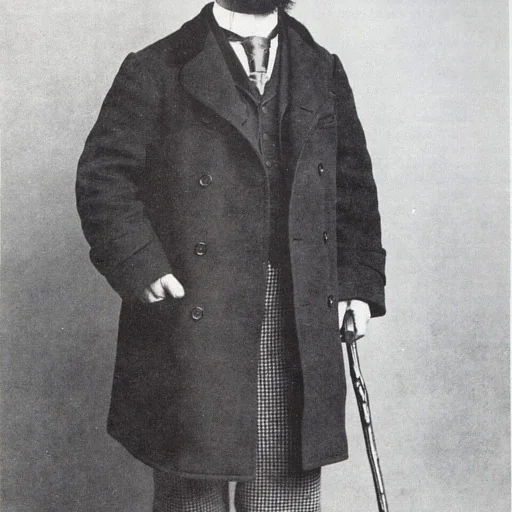
Comte Henri Marie Raymond de Toulouse-Lautrec-Montfa (24 November 1864 – 9 September 1901), known as Toulouse-Lautrec (French: ), was a French painter, printmaker, draughtsman, caricaturist, and illustrator.