Artwork
New Year's Greeting (Le compliment du jour de l'an)
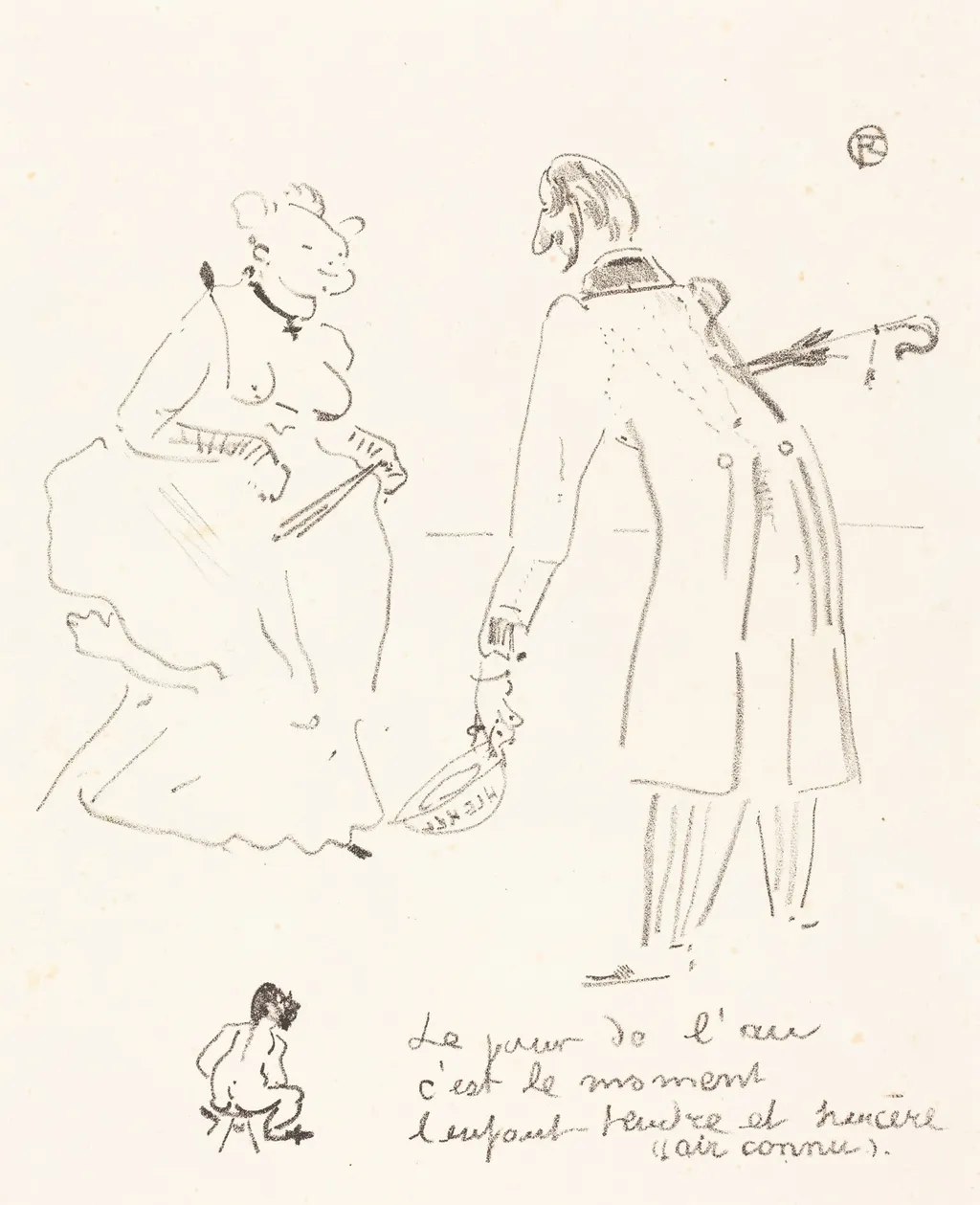
New Year's Greeting (Le compliment du jour de l'an) is an ink print by the Impressionist artist Henri de Toulouse-Lautrec. It dates from 1897 and is held in the collection of the National Gallery of Art.
About this work
Overview
Created in 1897, *New Year's Greeting* is a black lithograph by Henri de Toulouse-Lautrec, produced as a seasonal card rather than a public exhibition piece.
Created in 1897, *New Year's Greeting* is a black lithograph by Henri de Toulouse-Lautrec, produced as a seasonal card rather than a public exhibition piece. Though rooted in the artist’s broader interest in Parisian social life, this work departs from his typical nightlife scenes, offering instead a quiet, intimate moment. Its simplicity and restrained palette reflect a personal, almost private gesture, aligned with the tradition of exchanging New Year’s wishes among friends and patrons.
Subject & Meaning
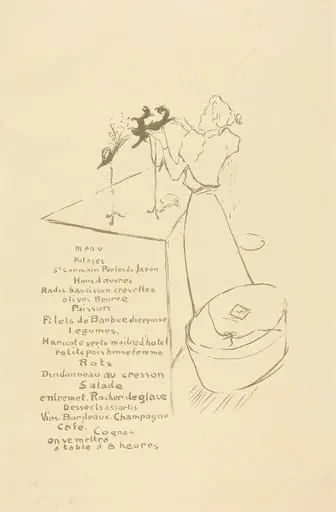
The image depicts a woman standing before a mirror, her back turned to the viewer, adjusting a hat while holding a parasol. Her reflection reveals her face and the act of self-adornment, suggesting a moment of private ritual. The absence of narrative context invites interpretation: is this a moment of vanity, preparation, or quiet self-possession? The mirror introduces a layer of introspection, framing the figure as both subject and observer of her own image.
Technique & Style
Toulouse-Lautrec employed lithography to achieve sharp, fluid lines with minimal tonal variation. The monochromatic black ink emphasizes form over color, focusing attention on the figure’s posture and the mirror’s reflective edge. His linework is economical yet expressive, capturing the curve of the hat and the tension in the shoulder with few strokes. The flat, unmodulated background isolates the figure, reinforcing the intimacy of the scene and the precision of his draftsmanship.
History & Provenance
The print was likely produced in a small run for distribution among Toulouse-Lautrec’s circle, possibly as a New Year’s gift to friends or patrons. Unlike his commercial posters, this work was not intended for mass reproduction or public sale. Its survival in private collections and museum holdings suggests it was valued for its personal resonance rather than its public impact, reflecting the artist’s quieter, more intimate creative impulses.
Context
In late 19th-century Paris, exchanging illustrated greeting cards was a common social custom among the middle and upper classes. Toulouse-Lautrec, though often associated with the bohemian underbelly of the city, participated in this genteel tradition. The image’s restrained tone contrasts with his more sensational depictions of cabarets and dancers, revealing a side of his practice attuned to domestic rituals and the quiet dignity of everyday moments.
Legacy
Though not among his most widely recognized works, *New Year's Greeting* exemplifies Toulouse-Lautrec’s ability to infuse ordinary scenes with psychological nuance. Its focus on self-reflection and the private act of grooming anticipates later modernist explorations of identity and representation. The lithograph remains a subtle testament to his versatility, bridging the gap between public spectacle and personal ritual in his oeuvre.
Artist & collection
Artist
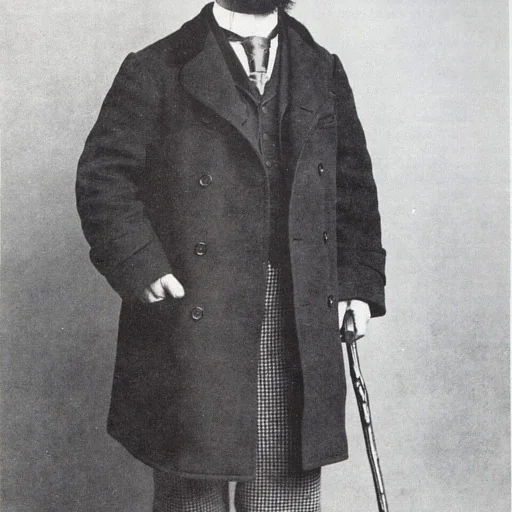
Comte Henri Marie Raymond de Toulouse-Lautrec-Montfa (24 November 1864 – 9 September 1901), known as Toulouse-Lautrec (French: ), was a French painter, printmaker, draughtsman, caricaturist, and illustrator.

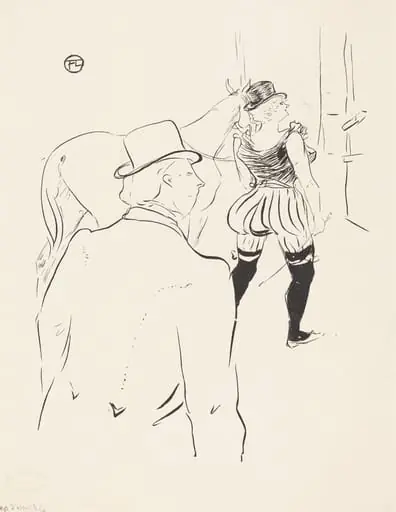 In the Wings of the Folies-Bergere: Mrs. Lona Barrison with Her Manager and Husband
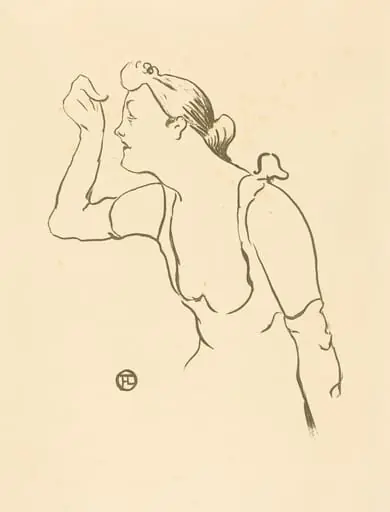 Paula Brébion
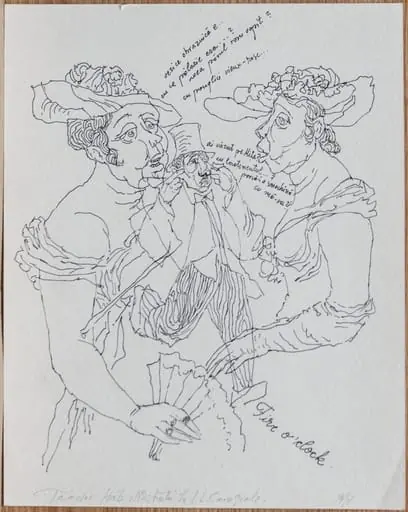 Ilustrație la I. L. Caragiale
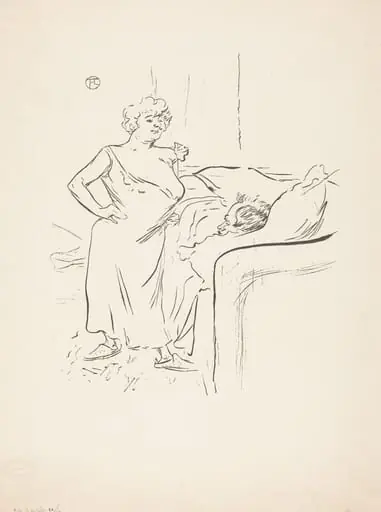 Man and Woman
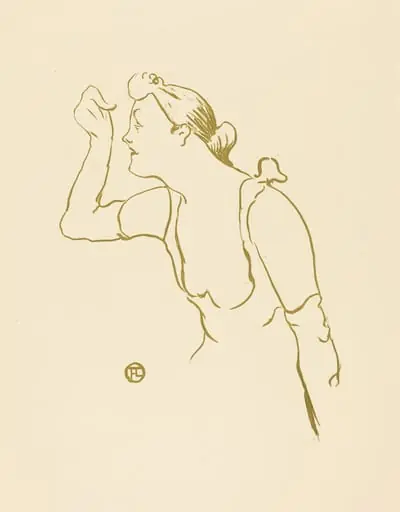 Paula Brébion
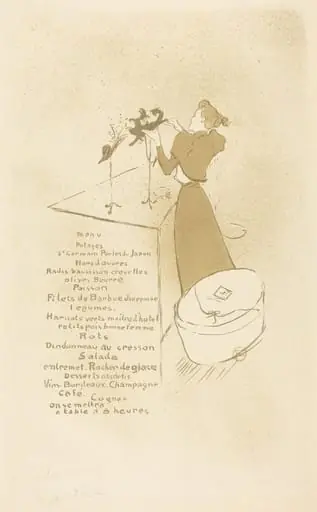 The Milliner (La Modiste - Renée Vert)
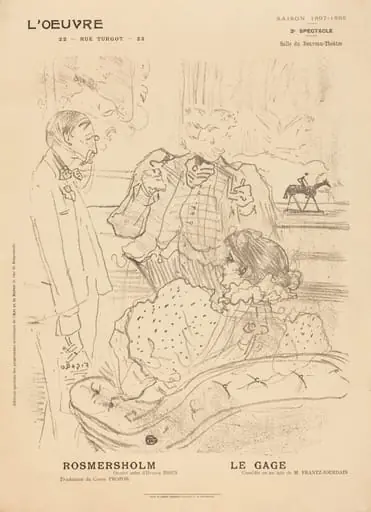 Rosmersholm; Le Gage
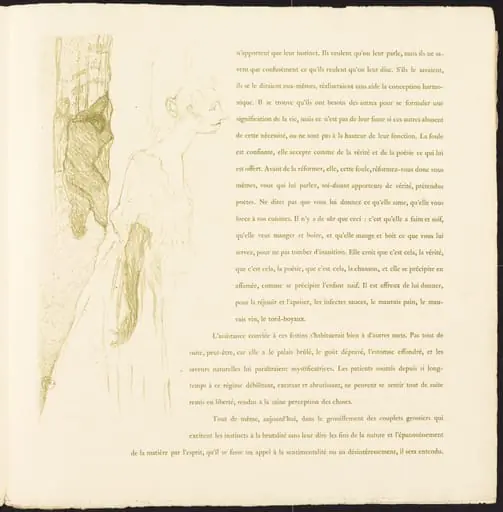 Yvette Guilbert
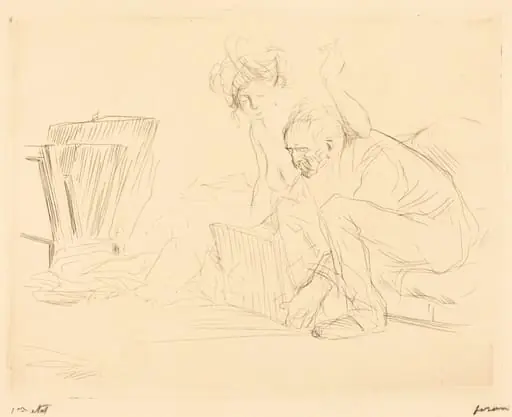 Le repos du modèle (2e planche) (The Model's Rest) (second plate)
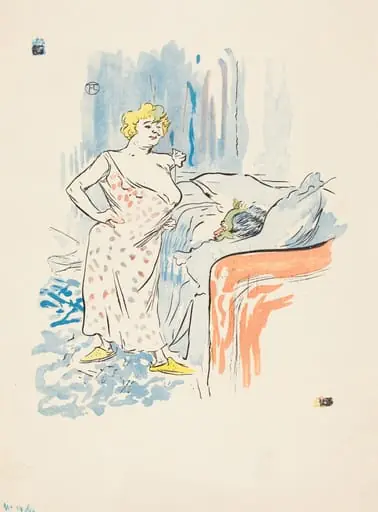 Man and Woman
 The Milliner (La Modiste - Renée Vert)
 On sonne! Si c'est l'Anglais d'hier maman tu t'en iras!