Artwork
Woman Washing Herself (Femme qui se lave)
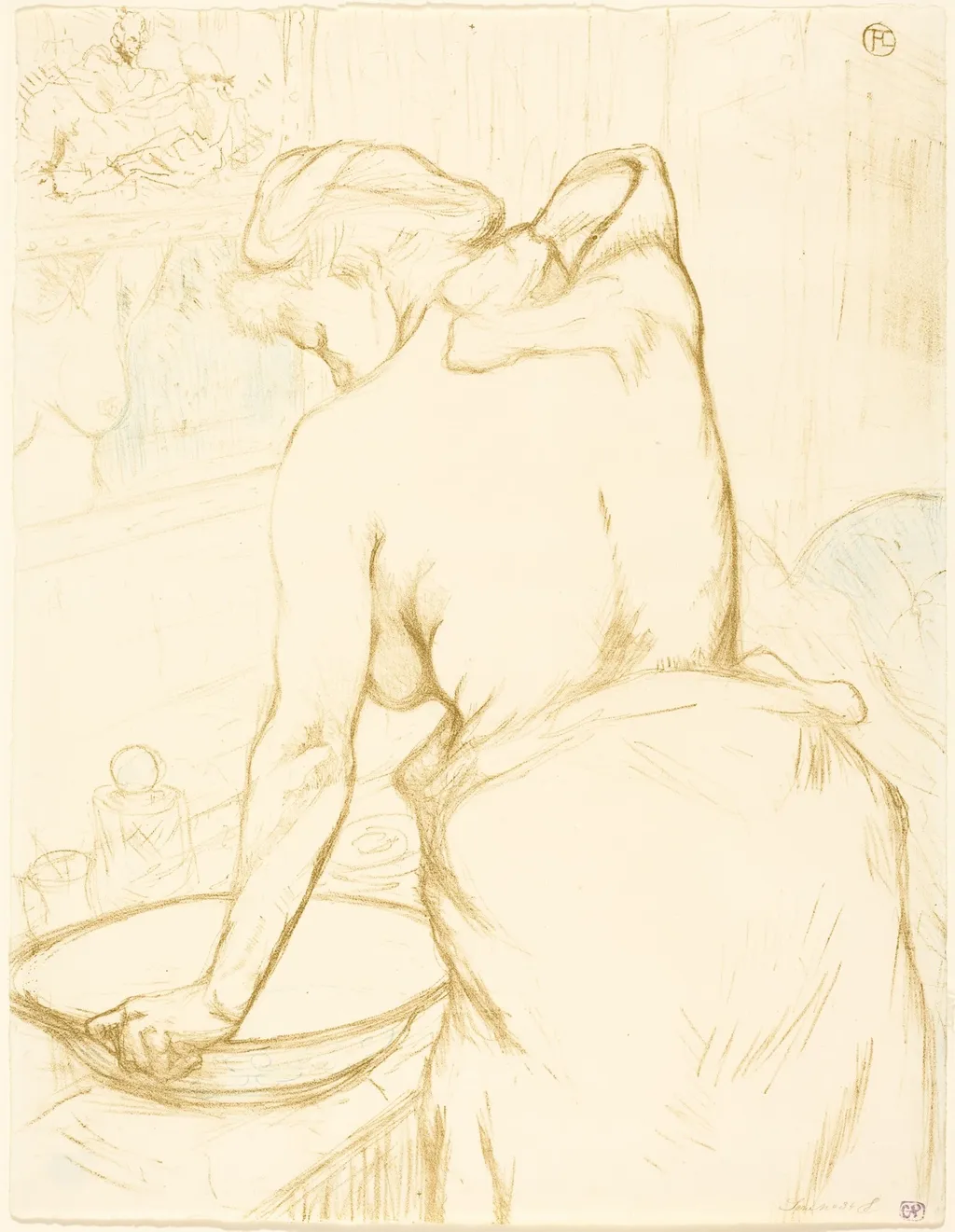
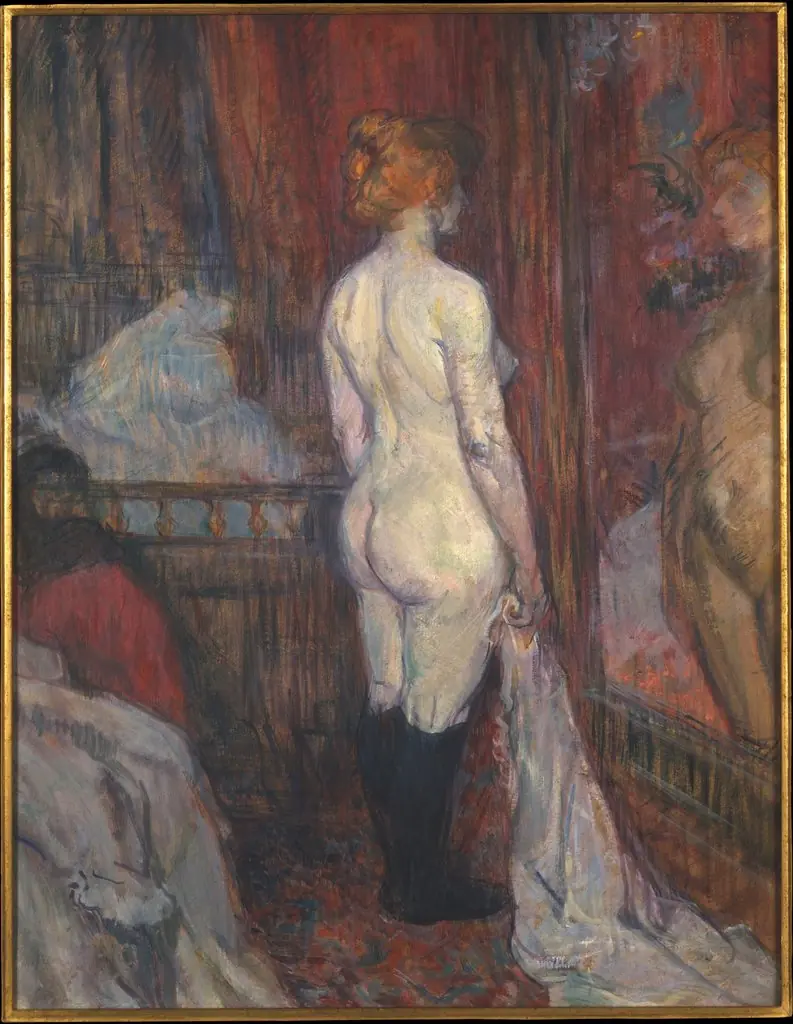
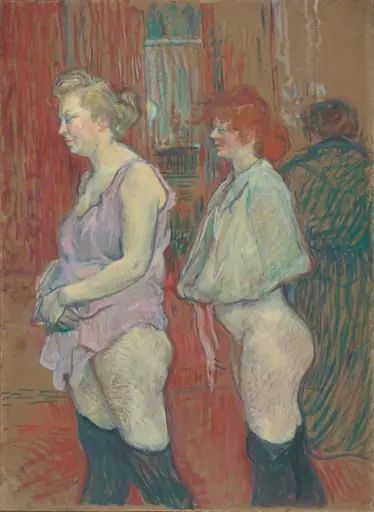
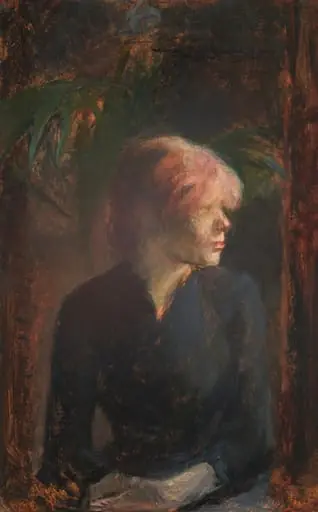
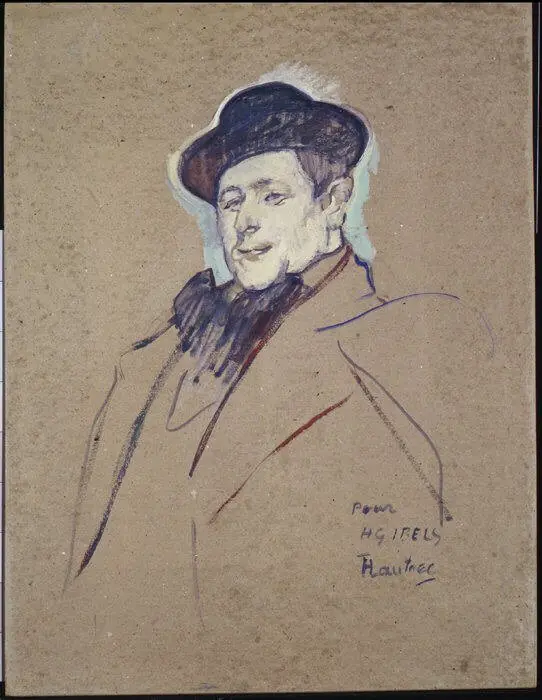
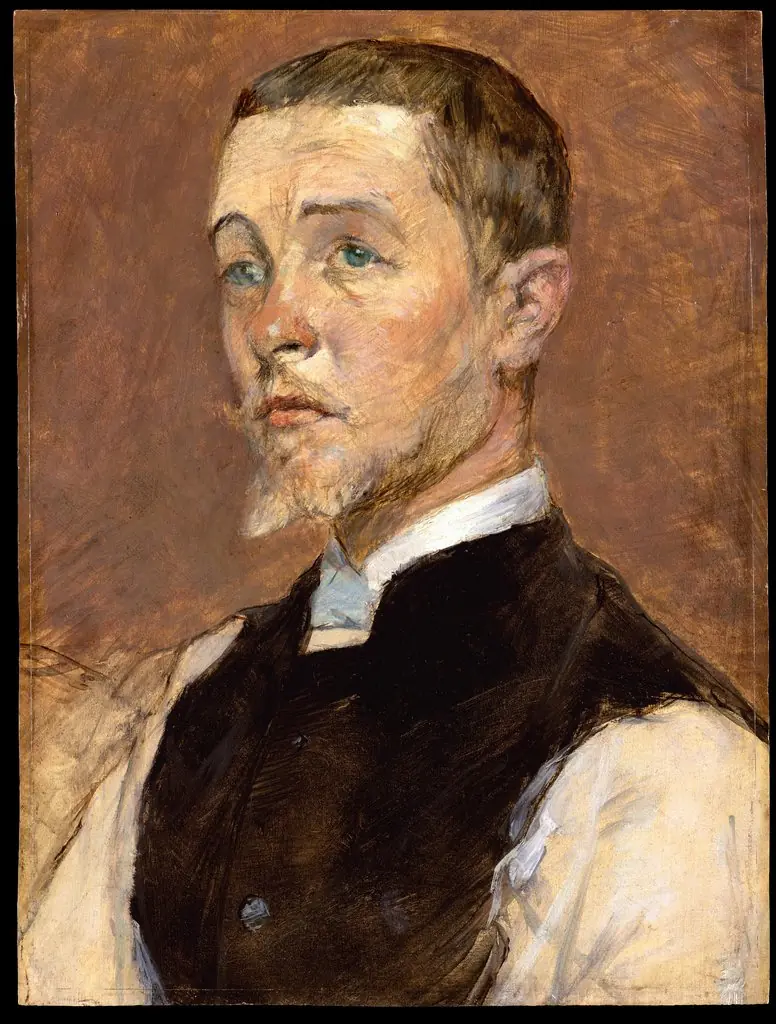
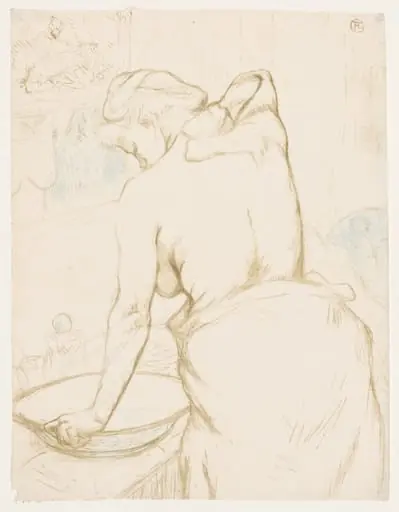
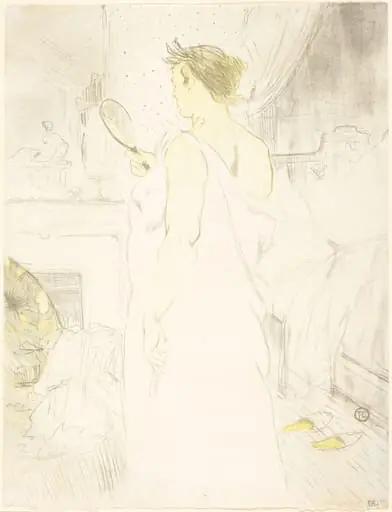
Woman Washing Herself (Femme qui se lave) is an ink print by the Impressionist artist Henri de Toulouse-Lautrec. It dates from 1896 and is held in the collection of the National Gallery of Art.
About this work
Overview
Printed on thin wove paper, the work reflects his deep engagement with the everyday lives of Parisian women, particularly those in marginalized social circles.
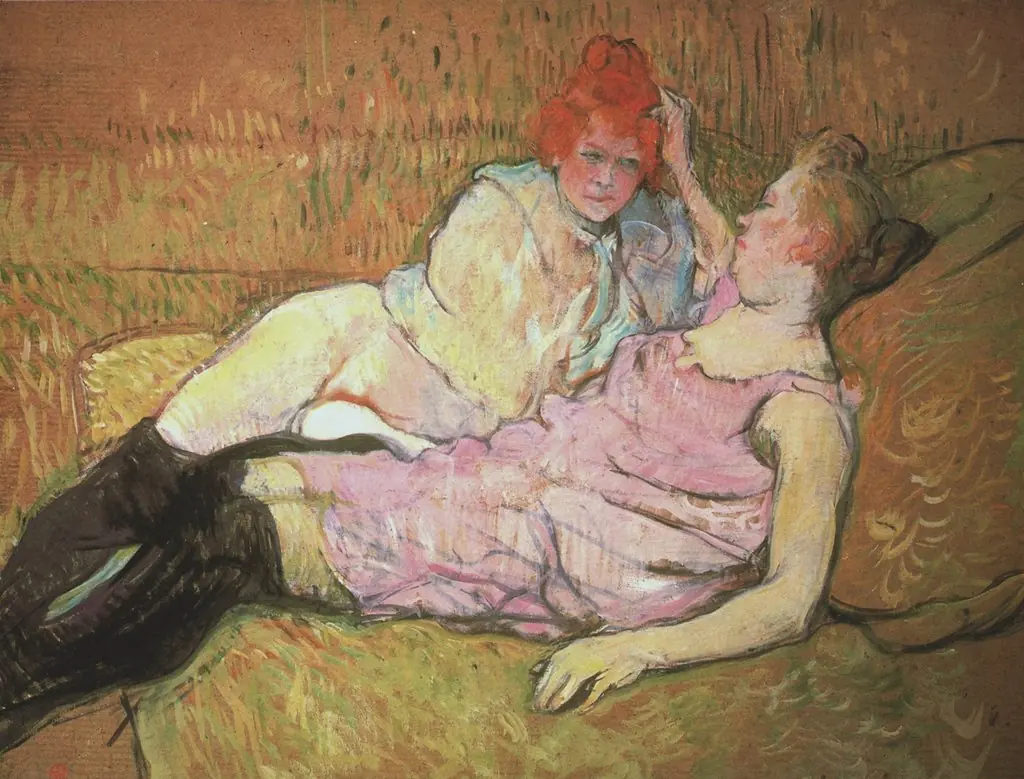
Henri de Toulouse-Lautrec produced this color lithograph in 1896, using the medium to capture a private, unguarded moment. Printed on thin wove paper, the work reflects his deep engagement with the everyday lives of Parisian women, particularly those in marginalized social circles. Unlike grand historical subjects, Lautrec focused on quiet, intimate acts, elevating the ordinary through careful observation and graphic precision.
Subject & Meaning
The figure is shown in profile, bent over a basin, her body turned away from the viewer as she washes. Her lowered head and folded arm suggest introspection rather than performance. The absence of theatricality or eroticism shifts the focus to personal ritual. Lautrec presents the act not as spectacle but as a quiet, solitary routine, inviting empathy rather than judgment.
Technique & Style
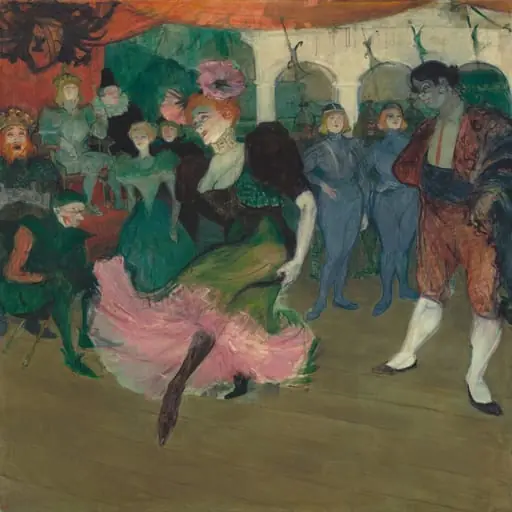
Lautrec employed color lithography to layer hues with controlled simplicity, using bold outlines and flat planes of pigment. The lines are deliberate yet fluid, defining form without excessive detail. Background elements—a bottle, a bowl—are rendered minimally, grounding the scene in domestic reality. The technique enhances immediacy, mirroring the spontaneity of the moment captured.
History & Provenance
Created during Lautrec’s most prolific period, the print emerged from his frequent visits to Montmartre’s brothels and boarding houses. He often sketched residents during their private hours, later translating these studies into lithographs. This work likely originated from such observational drawings, preserved through his collaboration with printers who specialized in color lithography.
Context
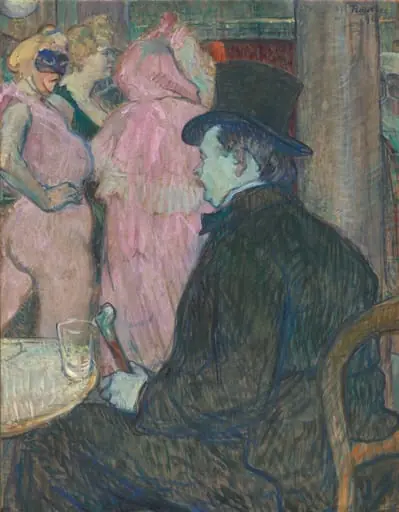
In late 19th-century Paris, depictions of women in private moments were rare in fine art, especially when rendered without moralizing or idealization. Lautrec’s approach aligned with broader shifts toward realism and psychological nuance. His work stood apart from academic traditions, offering instead unembellished glimpses into lives often ignored or stigmatized by mainstream society.
Legacy
This lithograph contributed to a redefinition of printmaking as a vehicle for intimate, modern subject matter. Lautrec’s ability to convey dignity in mundane acts influenced later artists exploring private life, from the Ashcan School to mid-century illustrators. His use of lithography helped legitimize the medium beyond commercial posters, establishing it as a serious artistic form.
Artist & collection
Artist
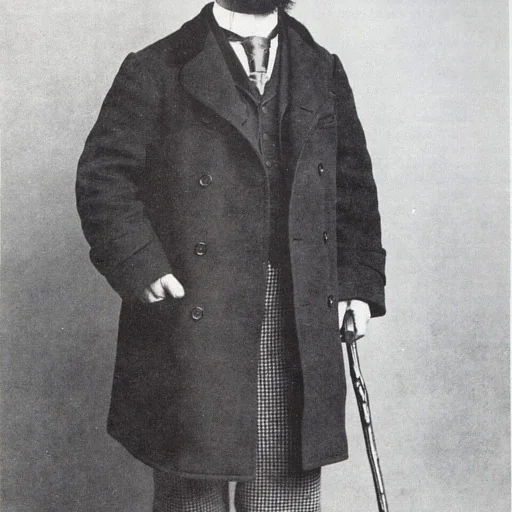
Comte Henri Marie Raymond de Toulouse-Lautrec-Montfa (24 November 1864 – 9 September 1901), known as Toulouse-Lautrec (French: ), was a French painter, printmaker, draughtsman, caricaturist, and illustrator.