Artwork
Sweet resistance (La douce resistance)
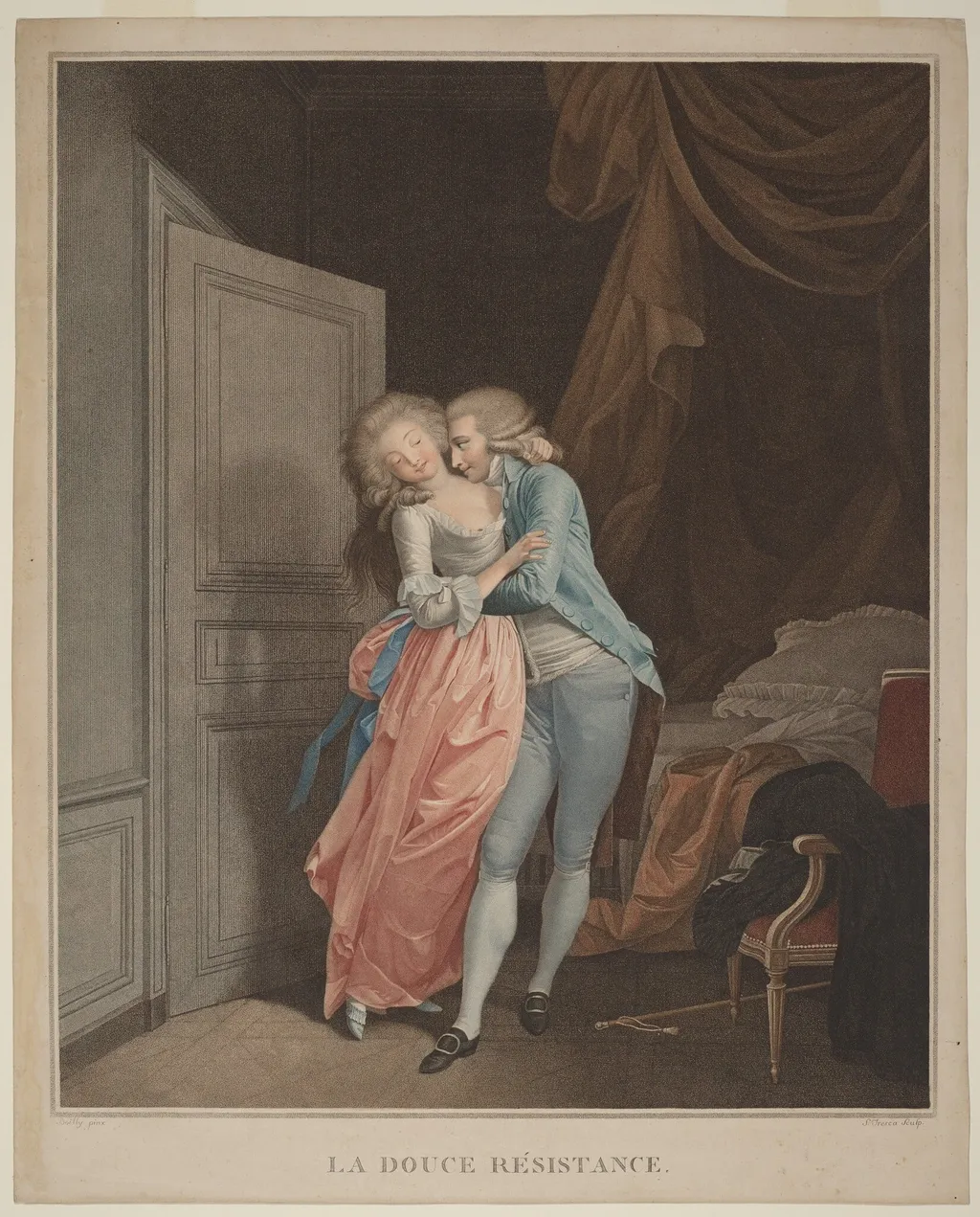
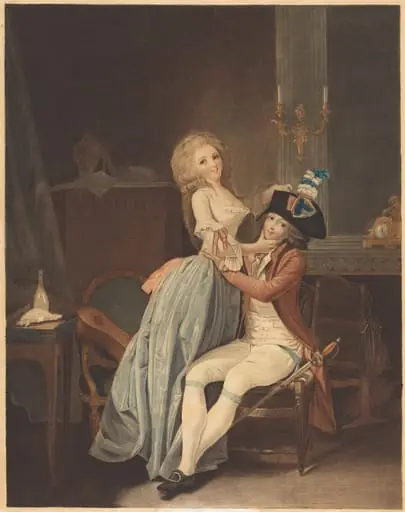
Sweet resistance (La douce resistance) is an ink print by the Romanticist artist Salvatore Tresca. It dates from 1782 and is held in the collection of the National Gallery of Art.
About this work
Overview
Sweet Resistance (La douce résistance) is a print produced in 1782 by the Italian artist Salvatore Tresca. Executed in color stipple combined with etching, the work measures a modest size typical of the period’s intimate prints. The composition presents a domestic interior illuminated by soft light, focusing on a couple caught in a moment of tender interaction.
Subject & Meaning
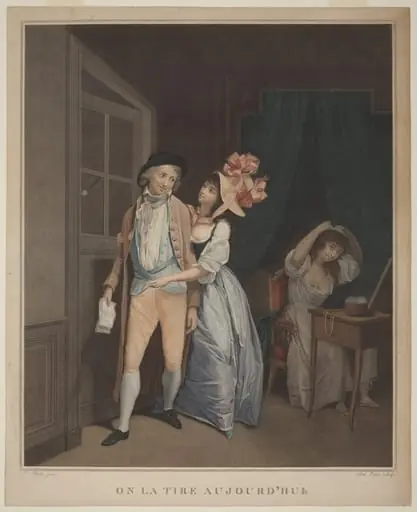
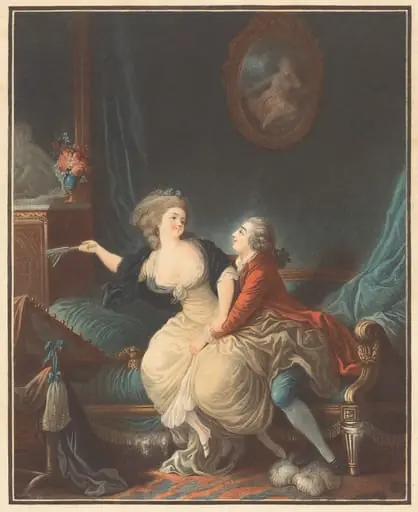
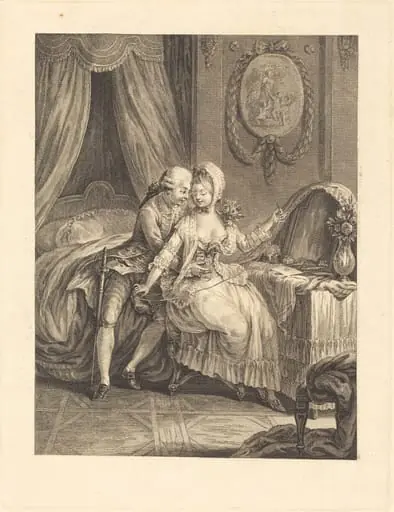
The scene depicts a man and a woman standing near an open doorway, the woman dressed in a pink gown with white stockings and a blue sash, the man in a light‑blue coat and white breeches. Their close embrace, set against a dimly lit room with a chair and draped fabric, suggests a playful negotiation of affection, echoed by the title’s reference to a gentle resistance.
Technique & Style
Tresca employed a color stipple technique, building tonal variation through a series of small dots, alongside traditional etching lines to define form. This method yields a delicate, almost velvety surface that enhances the dreamlike atmosphere. The muted palette and soft transitions align the work with the late‑Baroque sensibility that anticipates the more emotive concerns of early Romantic art.
History & Provenance
Created in 1782, Sweet Resistance entered the market as a collectible print, likely distributed through the artist’s workshop or print dealers of the time. While specific ownership records are scarce, the print has appeared in several 19th‑century catalogues of Italian prints, indicating its circulation among connoisseurs of genre scenes.
Context
The late eighteenth century saw a growing interest in domestic genre subjects that emphasized personal emotion and private moments. Tresca’s focus on intimate interaction reflects contemporary tastes for scenes that combined decorative elegance with narrative nuance, a trend that would later be amplified in the Romantic movement’s emphasis on feeling and individual experience.
Artist & collection