Artwork
Warkworth Castle, Northumberland
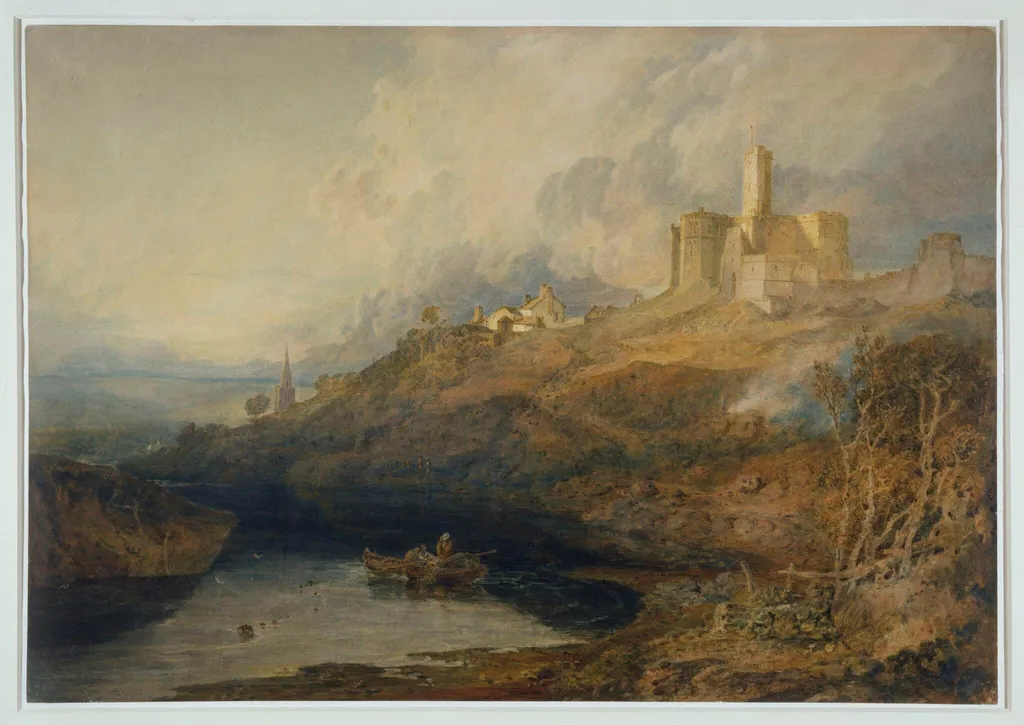
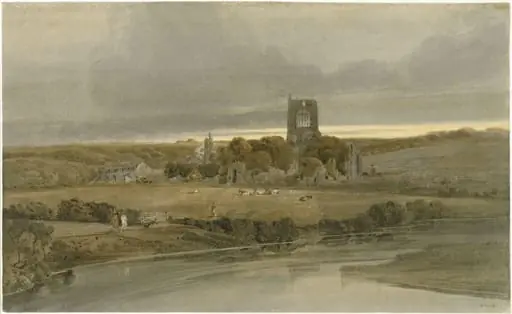
Warkworth Castle, Northumberland is a watercolor work on paper by the Romanticist artist Joseph Mallord William Turner. It dates from 1799 and is held in the collection of the Victoria and Albert Museum. Painted in 1797, this watercolour by J.
About this work
Overview
The work stems from a field sketch made on-site, later developed into a finished exhibition piece that challenged contemporary hierarchies of artistic medium.
Painted in 1797, this watercolour by J.M.W. Turner captures Warkworth Castle in Northumberland during a sketching tour of northern England. At a time when watercolour was largely seen as a preparatory medium, Turner sought to elevate it to the dignity of oil painting through scale and emotional intensity. The work stems from a field sketch made on-site, later developed into a finished exhibition piece that challenged contemporary hierarchies of artistic medium.
Subject & Meaning
The image depicts the ruined medieval castle perched above a winding bend of the River Coquet, its towers partially collapsed and overgrown. The structure, built between the 12th and 15th centuries, stands as a silent witness to time’s passage. Turner emphasizes decay and solitude, using the landscape to evoke historical memory rather than mere topographical record. The looming sky suggests impending weather, deepening the sense of melancholy and impermanence.
Technique & Style
Turner employed watercolour with unusual boldness, layering washes to build atmospheric depth and dramatic contrast. Rather than delicate lines typical of the medium, he used broad, fluid strokes to suggest wind, rain, and fading stone. The sky dominates the composition, its turbulent clouds casting shifting light across the ruin. This approach transformed watercolour from a tool of documentation into a vehicle for emotional resonance.
History & Provenance
The work originated from Turner’s 1797 sketching journey through northern England, during which he gathered material for future exhibition pieces. Based on a drawing from his personal sketchbook, the finished watercolour was likely prepared for public display, aligning with his ambition to gain recognition for watercolour as a serious art form. Its survival reflects early institutional interest in his work beyond oil painting.
Context
In the late 18th century, watercolour was primarily associated with amateur practice and topographical illustration. Turner’s decision to exhibit large-scale, emotionally charged watercolours challenged these conventions. His focus on ruins and weather aligned with Romantic sensibilities, where nature and history intertwined to evoke awe and contemplation. This piece contributed to a broader redefinition of the medium’s potential.
Legacy
Turner’s treatment of Warkworth Castle helped shift perceptions of watercolour from sketch to finished art. His use of light, atmosphere, and ruin as expressive elements influenced later generations of landscape painters. The work remains a key example of how technical innovation and thematic ambition could transform a marginalized medium into one of profound artistic weight.
Own this work as a print
Artist & collection
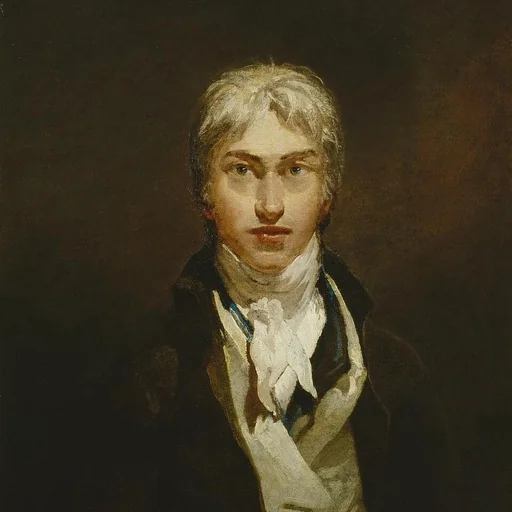
Artist
Joseph Mallord William Turner was born in 1775 at Maiden Lane, Covent Garden, where his father kept a barber and wig-making shop.