Artwork
Adâncime
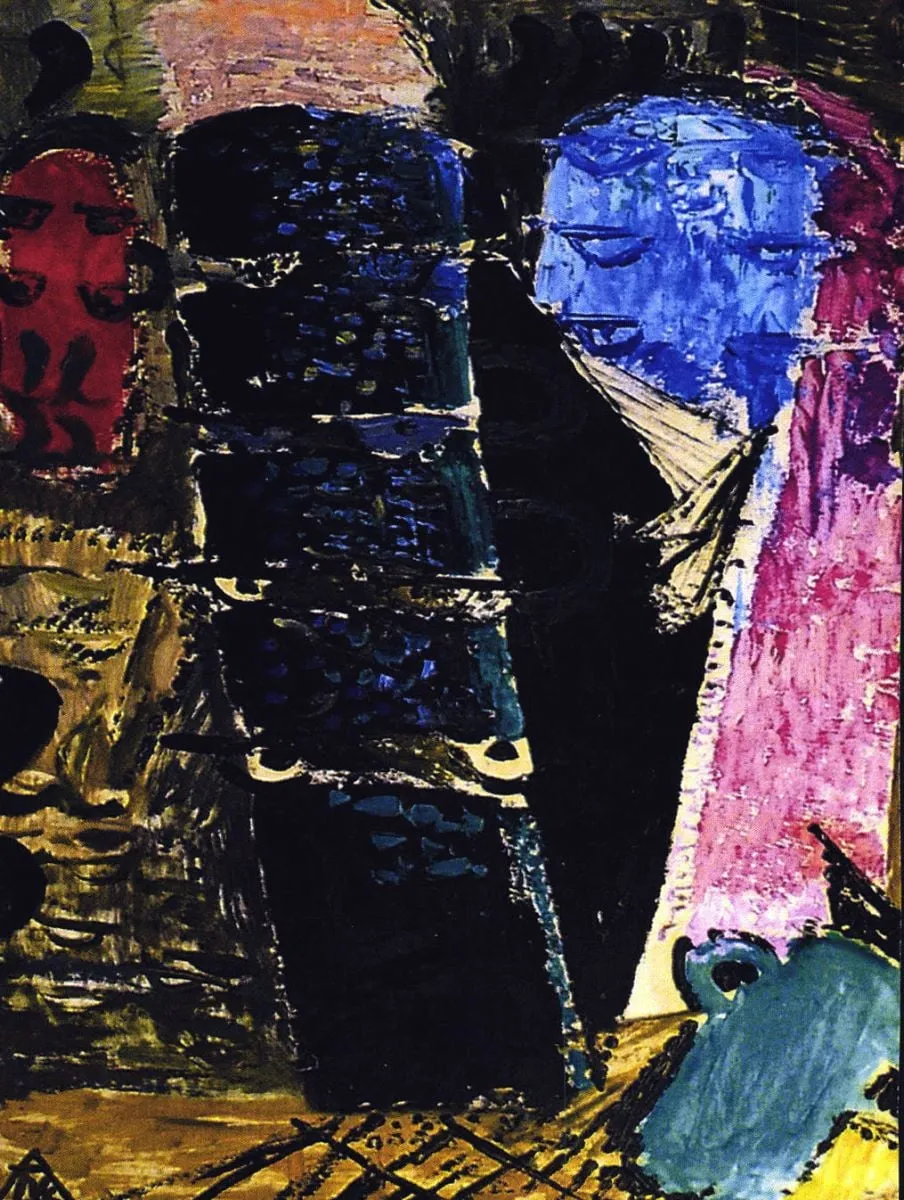
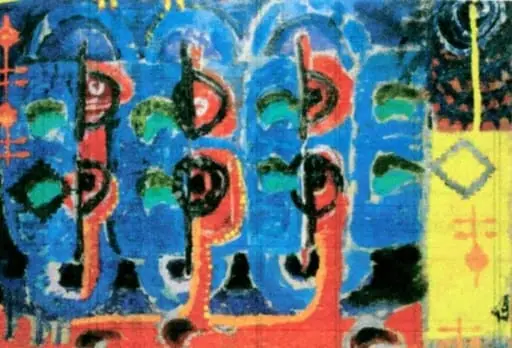
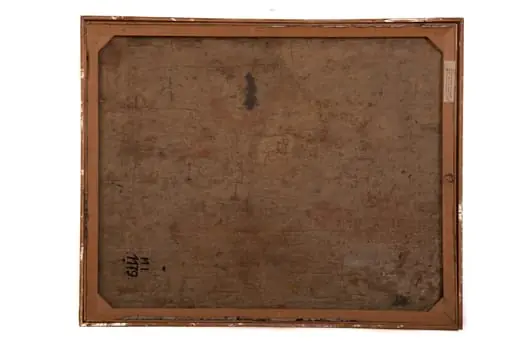
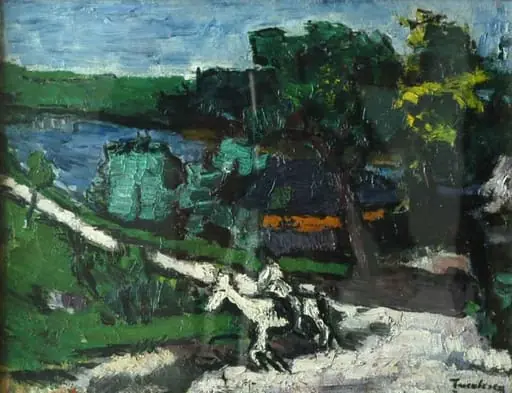
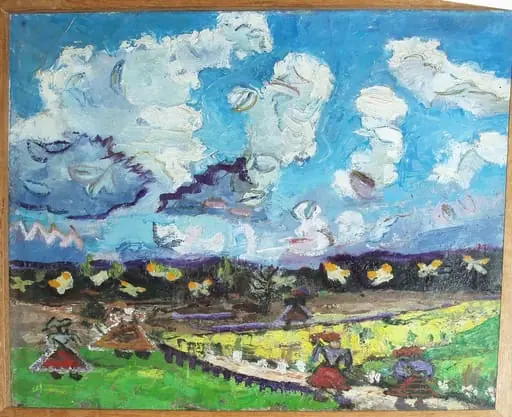
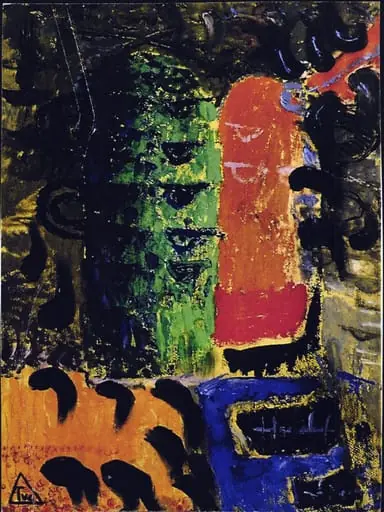
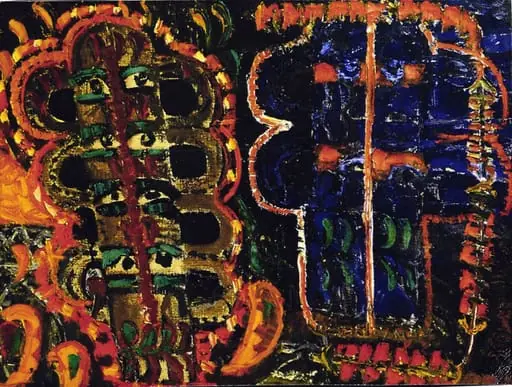
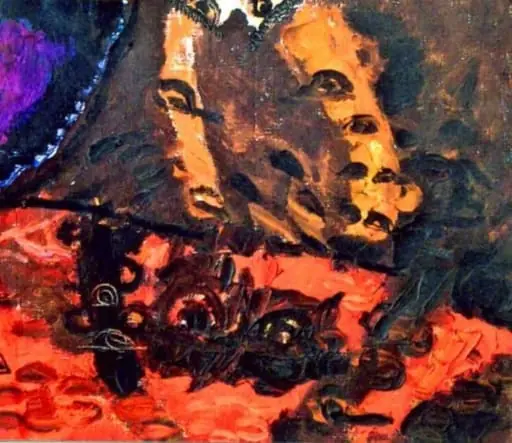
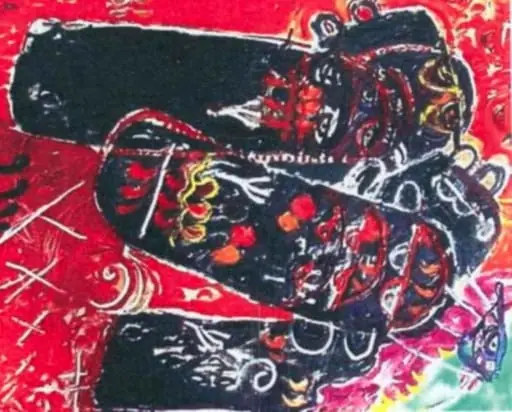
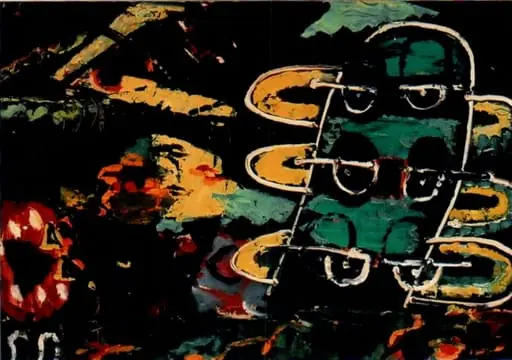
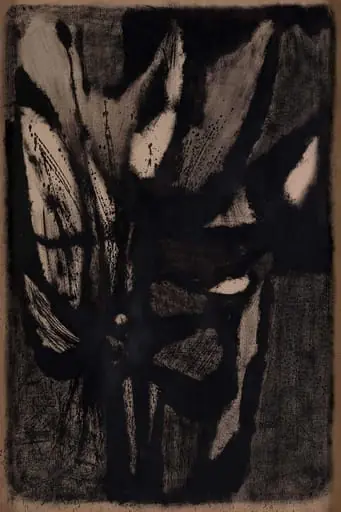
Adâncime is a print by Ion Țuculescu. It dates from 1946 and is held in the collection of the Art museum of Craiova.
About this work
Overview
The painting’s raw physicality and muted palette distinguish it from more polished contemporaneous works of the period.
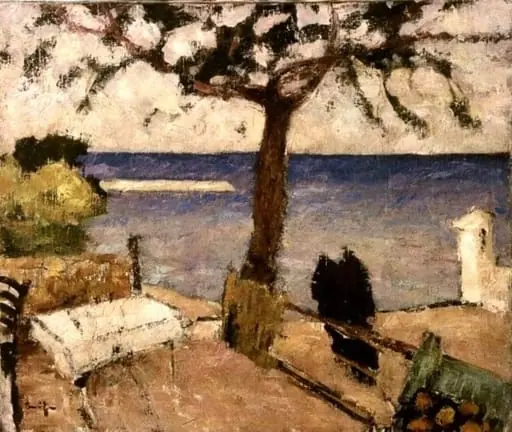
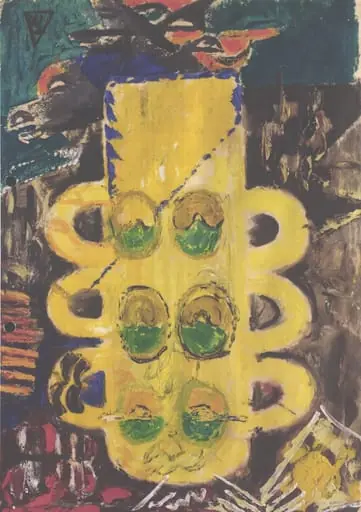
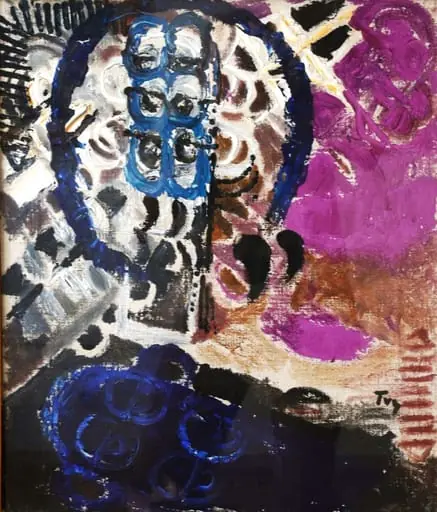
Adâncime, painted around 1946 by Ion Țuculescu, is a small-scale oil work characterized by its dense, tactile surface. It resides in the collection of the Museum of Ethnography. The composition centers on two indistinct human forms, rendered with minimal detail but strong emotional presence. The painting’s raw physicality and muted palette distinguish it from more polished contemporaneous works of the period.
Subject & Meaning
Two figures stand shoulder to shoulder, their identities obscured by shadow and abstraction. The absence of facial features and the closeness of their postures suggest intimacy or shared solitude, though no narrative is explicitly given. The red and blue hats serve as the only clear markers of distinction, possibly hinting at social or symbolic roles, but their meaning remains deliberately ambiguous.
Technique & Style
Țuculescu applied paint thickly using impasto, building texture through rapid, uneven strokes that catch light unpredictably. The background is dark and absorbing, while the figures’ hats and scattered gold accents emerge as vivid interruptions. This method prioritizes material presence over detail, emphasizing gesture and emotional resonance over realism. The surface feels immediate, as if the act of painting was inseparable from the subject’s mood.
History & Provenance
Created shortly after World War II, Adâncime entered the Museum of Ethnography’s collection in the late 1940s. Its acquisition reflects institutional interest in Romanian modernist works that engaged with psychological and folk themes. The painting remained largely unexhibited for decades, its significance emerging gradually through scholarly attention to postwar Romanian painting beyond official socialist realism.
Context
In mid-1940s Romania, artists navigated shifting political pressures while seeking personal expression. Țuculescu’s work diverged from state-sanctioned realism, favoring emotional intensity and material experimentation. Adâncime aligns with a quieter, introspective current in Romanian art—drawing from local traditions and existential concerns rather than ideological mandates, even as the country moved toward state control of culture.
Legacy
Though not widely known during his lifetime, Țuculescu’s Adâncime has gained recognition as an example of Romanian modernism’s quieter, more personal strand. Its emphasis on texture, ambiguity, and emotional weight influenced later generations seeking alternatives to both academic tradition and socialist realism. The painting endures as a quiet testament to individual expression under constraint.
Artist & collection

Artist
Ion Țuculescu was a Romanian expressionist and abstract oil painter, although professionally he worked as a biologist and physician.