Artwork
Licurici
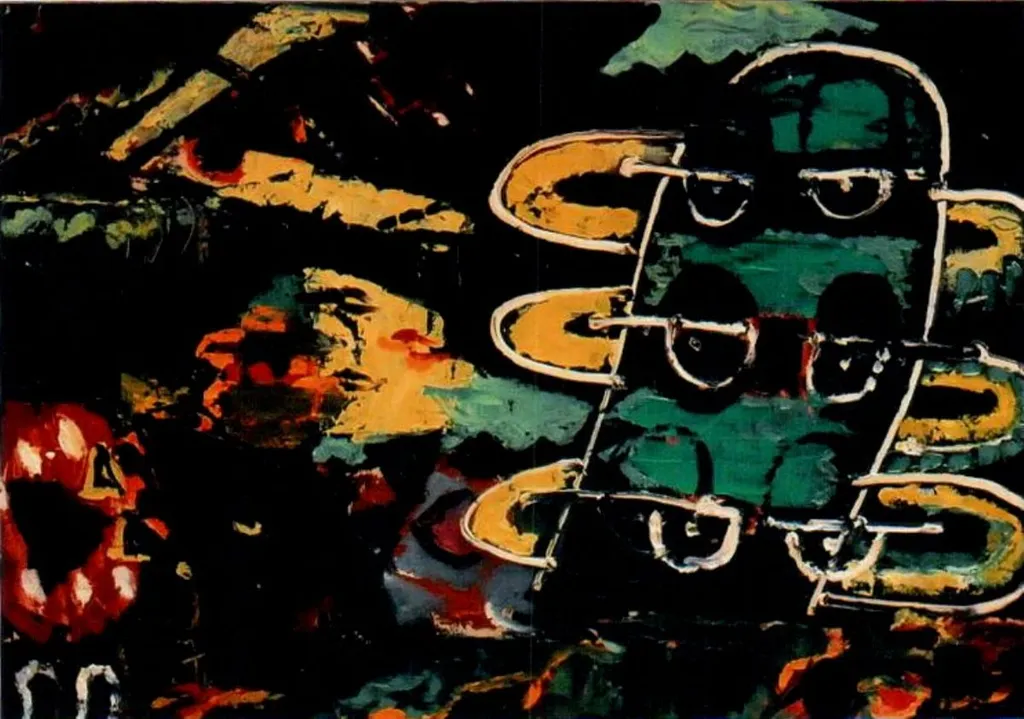
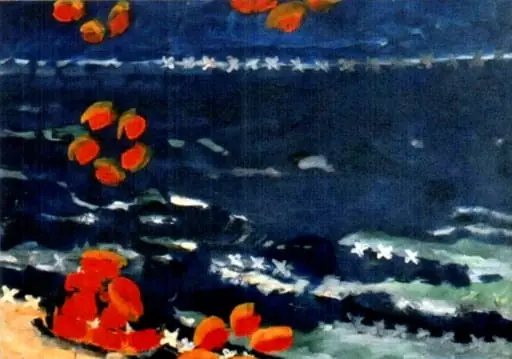
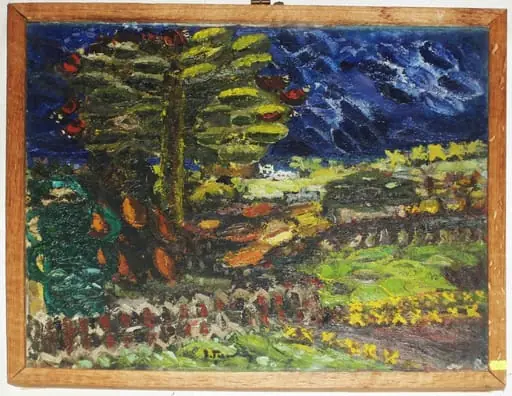
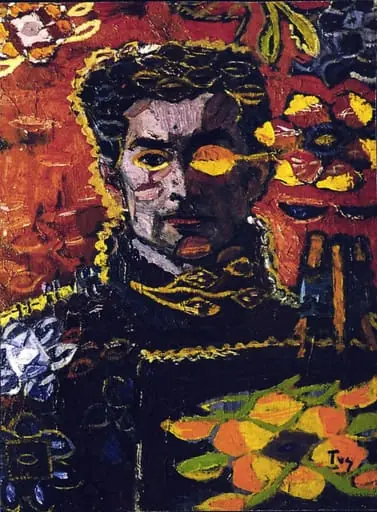
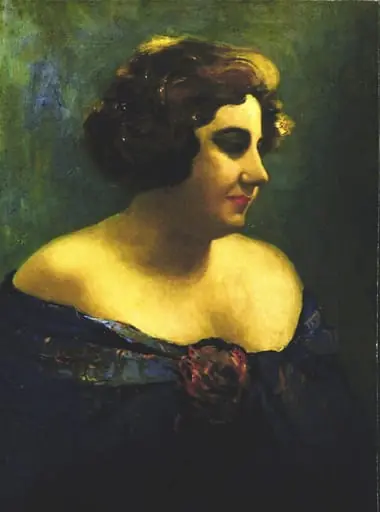
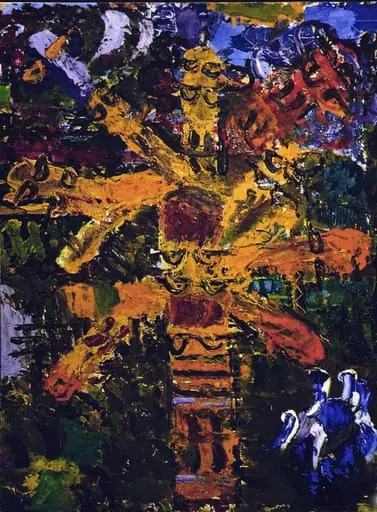
Licurici is an unspecified painting by Ion Țuculescu. It is held in the collection of the Aurelian Sacerdoțeanu Vâlcea County Museum.
About this work
Overview
No recognizable forms emerge; instead, the composition relies on color interaction and physical paint application to generate a sense of motion and energy.
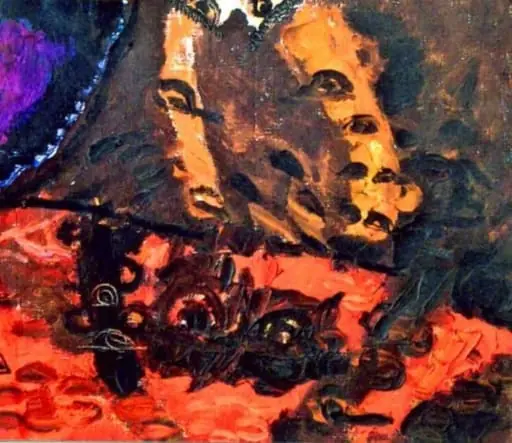
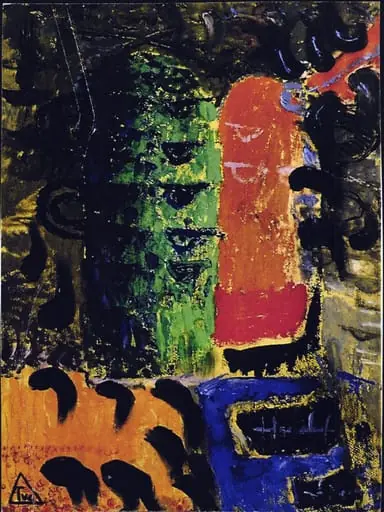
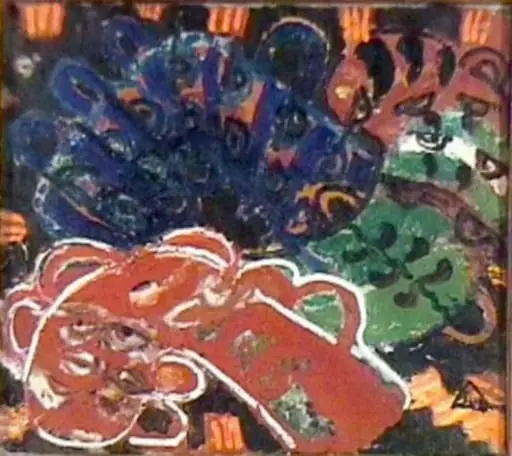
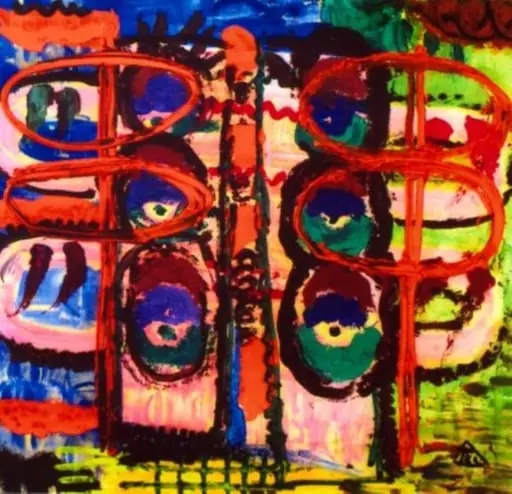
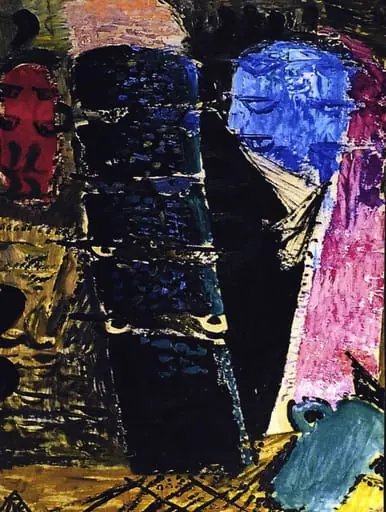
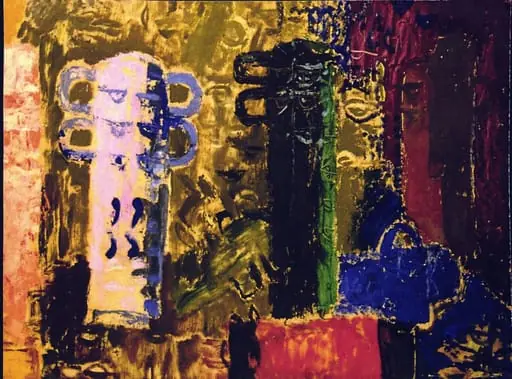
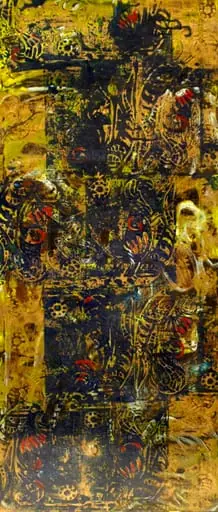
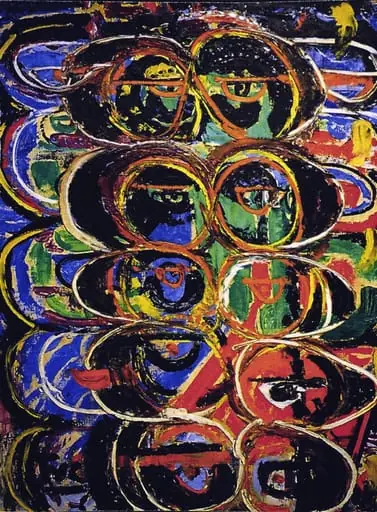
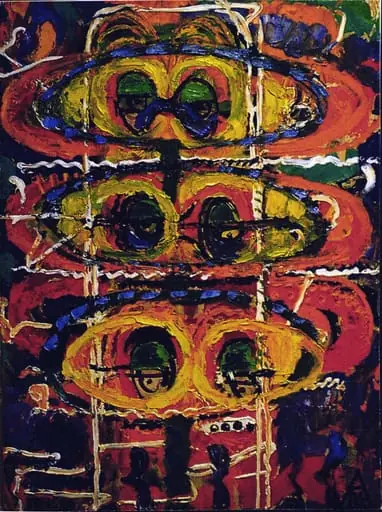
This abstract painting, titled Licurici, features a dark ground layered with vivid hues of green, yellow, and red, accented by white and black. The surface is heavily textured, built through thick, tactile brushwork that creates raised ridges and depth. No recognizable forms emerge; instead, the composition relies on color interaction and physical paint application to generate a sense of motion and energy.
Subject & Meaning
The work avoids figurative representation, inviting interpretation through sensory experience rather than narrative. The dynamic interplay of colors and texture suggests organic processes—growth, decay, or turbulence—without specifying a literal subject. Its abstraction encourages viewers to respond to emotional resonance rather than symbolic content.
Technique & Style
The artist employed impasto techniques, applying paint generously to build a three-dimensional surface. Brushstrokes are deliberate and energetic, with visible layering and scraping that enhance tactile presence. Color blending is intuitive, not controlled, allowing hues to collide and merge organically across the canvas.
History & Provenance
The painting is attributed to Ion Țuculescu, a Romanian artist active in the mid-20th century known for his abstract explorations. While specific acquisition details are not documented, the work aligns with his broader practice of moving away from realism toward expressive, material-driven abstraction during the postwar period.
Context
Created amid Romania’s cultural shifts under communist rule, Licurici reflects a quiet resistance to state-mandated socialist realism. Artists like Țuculescu turned to abstraction as a means of personal expression, using non-representational forms to navigate political constraints while preserving artistic autonomy.
Legacy
Licurici contributes to a lineage of Eastern European abstract painting that prioritized materiality and emotional intensity over ideological conformity. Though not widely exhibited internationally, it remains a significant example of how Romanian artists redefined modernism through tactile abstraction during a restrictive era.
Artist & collection
Artist
Museum
Aurelian Sacerdoțeanu Vâlcea County Museum
Continue through works from the same source collection.