Artwork
Rittmeister Heinrich Bauer
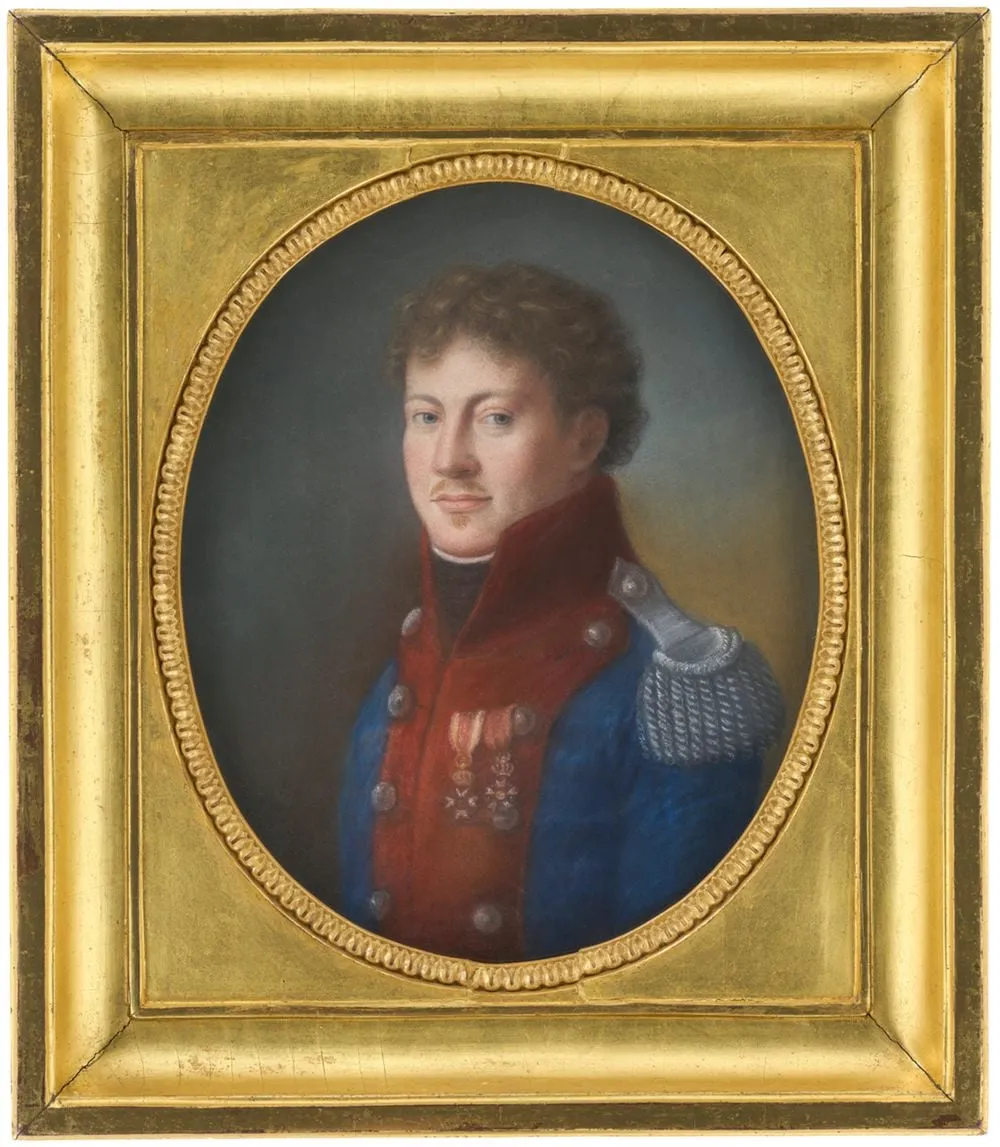
Rittmeister Heinrich Bauer is a drawing by Unbekannt. It dates from 1923 and is held in the collection of the City Museums Freiburg.
About this work
Overview
This pastel portrait depicts Rittmeister Heinrich Bauer, a cavalry officer in the Baden contingent serving under Napoleon during the War of the Fifth Coalition.
This pastel portrait depicts Rittmeister Heinrich Bauer, a cavalry officer in the Baden contingent serving under Napoleon during the War of the Fifth Coalition. Created shortly before his death at the Battle of Aspern in May 1809, it was made as a paired companion to his wife’s portrait. The work captures him in full uniform, adorned with military honors, reflecting both personal dignity and the political alignments of his time.
Subject & Meaning
Bauer is portrayed with quiet formality, his medals arranged with precision along his dark cavalry coat, signaling rank and service. The white cravat contrasts subtly against the uniform, emphasizing composure. As a soldier who died in battle just weeks after the portrait was completed, the image functions as both a personal memento and a testament to loyalty—his wife preserved it as a relic of his final days.
Technique & Style
Executed in pastel, the portrait employs soft, blended strokes to render texture in fabric and metal, while preserving sharp definition in the medals and cravat. The medium’s luminous quality enhances the gleam of brass and silver insignia, drawing attention to his decorations. The composition is restrained, focusing entirely on the figure against an unmodeled background, reinforcing the portrait’s intimate, commemorative purpose.
History & Provenance
Bauer served with Baden forces aligned to France during the 1809 campaign against Austria. He was killed at Aspern on May 21, 1809. The portrait, likely completed in early May, was retained by his wife Christine after his death. It remained in family possession, later entering the collection of the Museum of Ethnography, where it is preserved alongside her portrait as a paired historical artifact.
Context
In early 19th-century Europe, military medals were strictly regulated indicators of service, campaign participation, and rank. Bauer’s decorations would have included honors from Baden and possibly French imperial awards, reflecting his role in Napoleon’s coalition armies. The portrait’s detail aligns with contemporary practices among officer classes, who commissioned likenesses to affirm status and commemorate service before deployment.
Legacy
The portrait endures as a quiet record of an individual caught in the broader currents of Napoleonic warfare. Its survival through his wife’s care underscores the personal toll of conflict. Alongside her portrait, it offers a rare dual testimony of military service and domestic memory, preserving the human dimension of a war often remembered only in strategic terms.
Artist & collection
Artist
This unsigned painter captured 16th-century Strasbourg life in small oils. Their brush traced local fashion and faces—look at “Mädchen in Straßburger Bürgertracht” where a young woman’s lace collar and green dress…
 Portrait of a Man
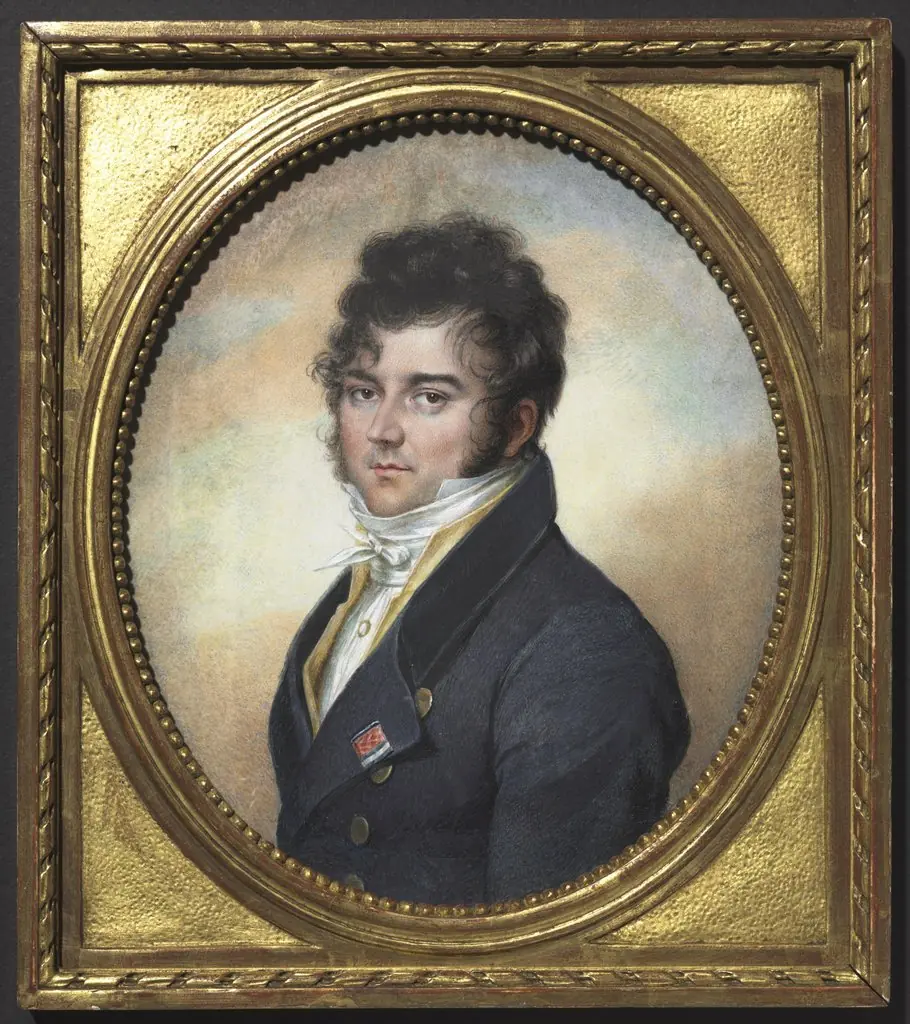 Portrait of a Man
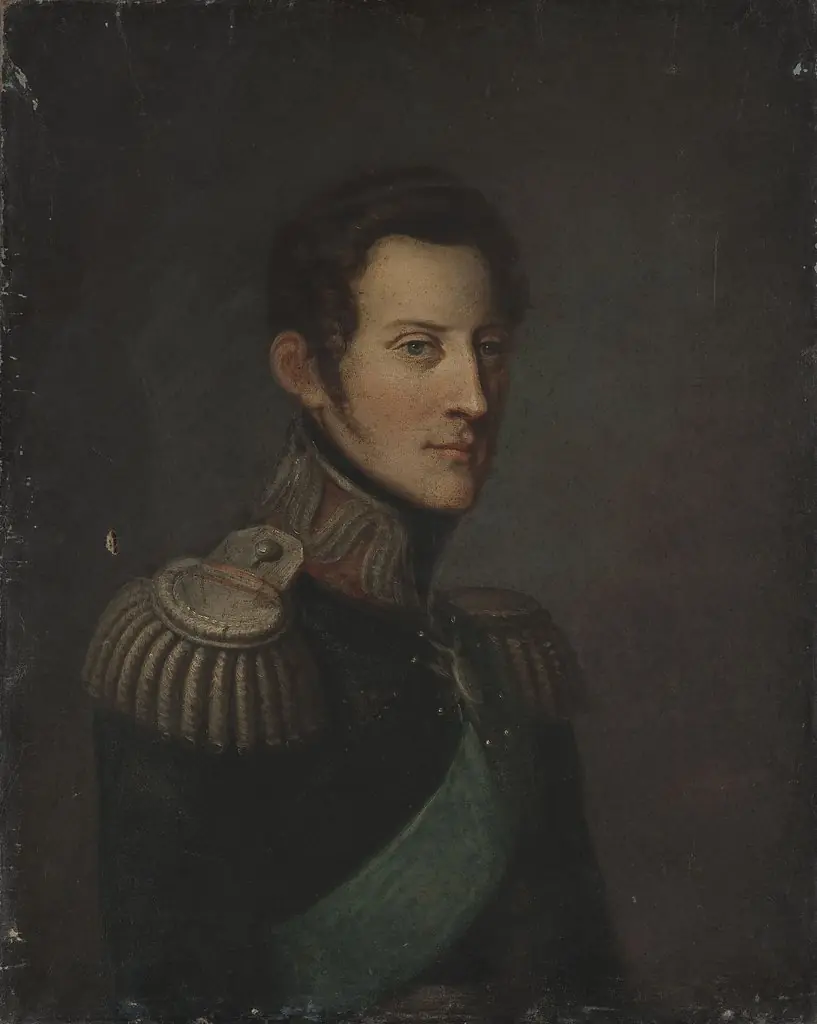 Portrait of Tsar Nicholas I in the Polish general’s uniform
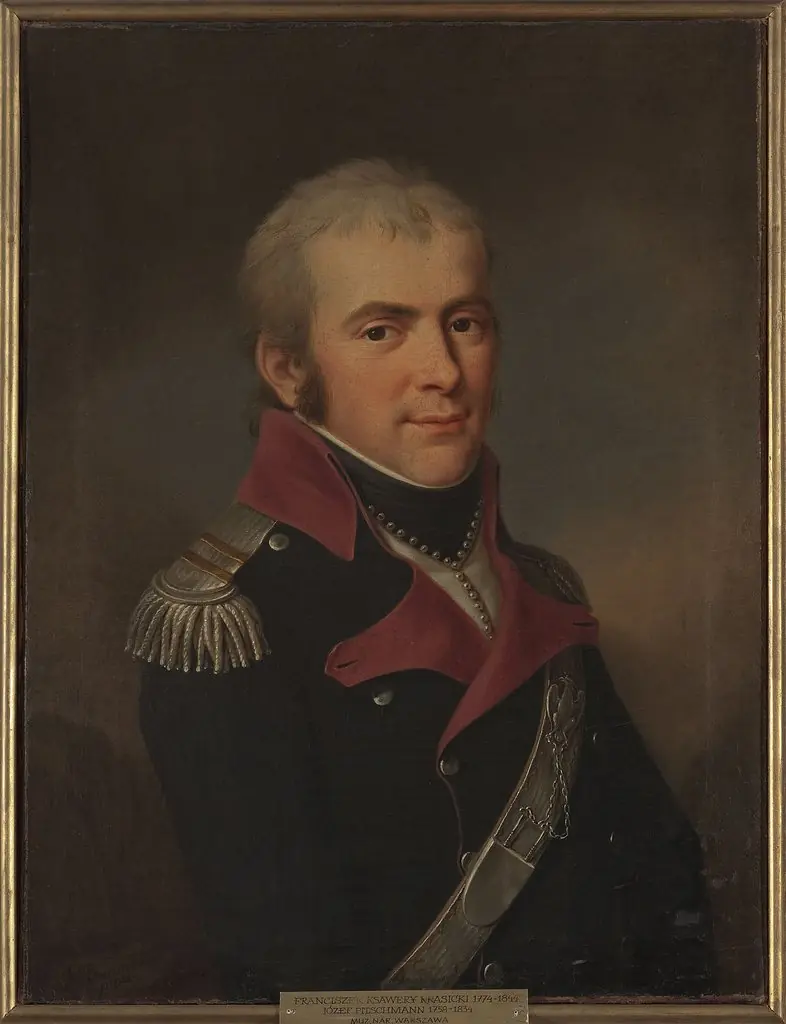 Portrait of Ksawery Krasicki (1774–1844)
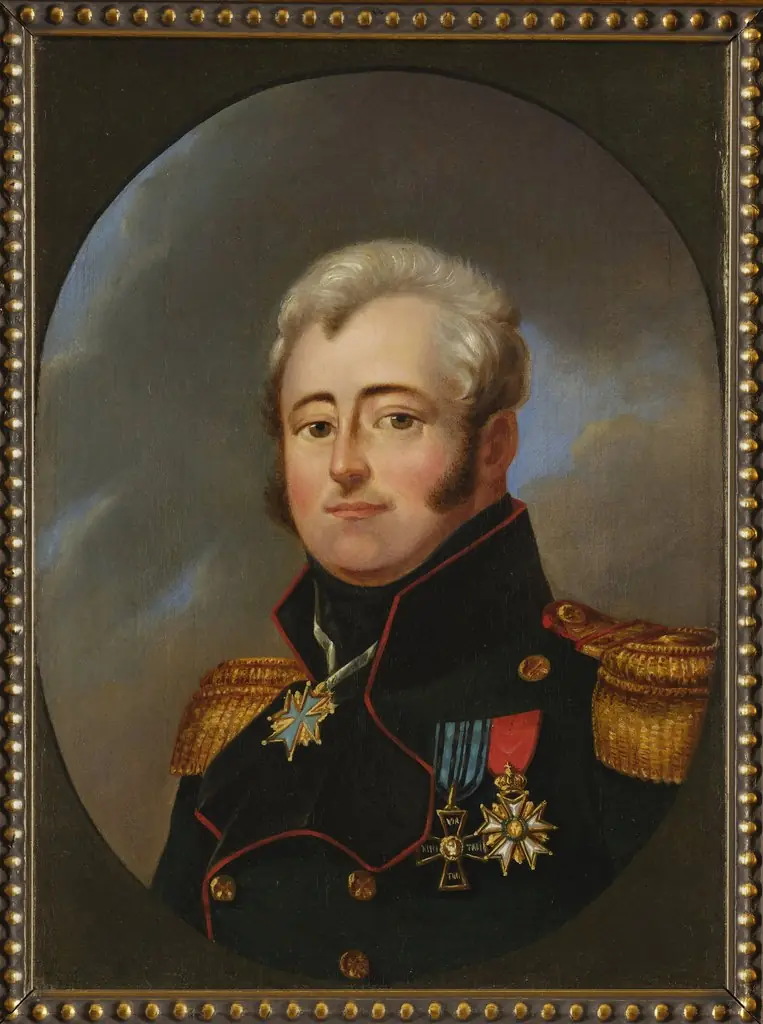 Portrait of general Józef Sowiński
 Προσωπογραφία αγνώστου νέου με στρατιωτική ενδυμασία
 Portrait of Major General I.I. Sabir
 Portrait of Paisy S. Kaisarov (1783-1844)
 Portrait of an Officer
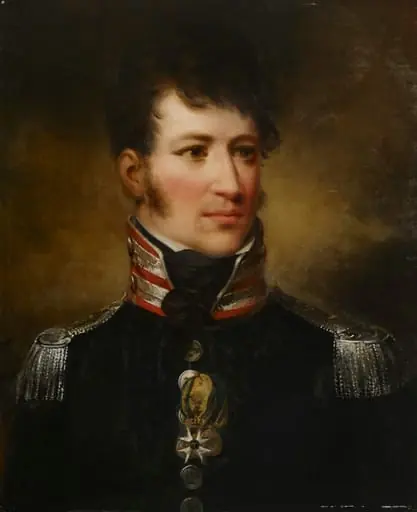 Per Otto Adelborg
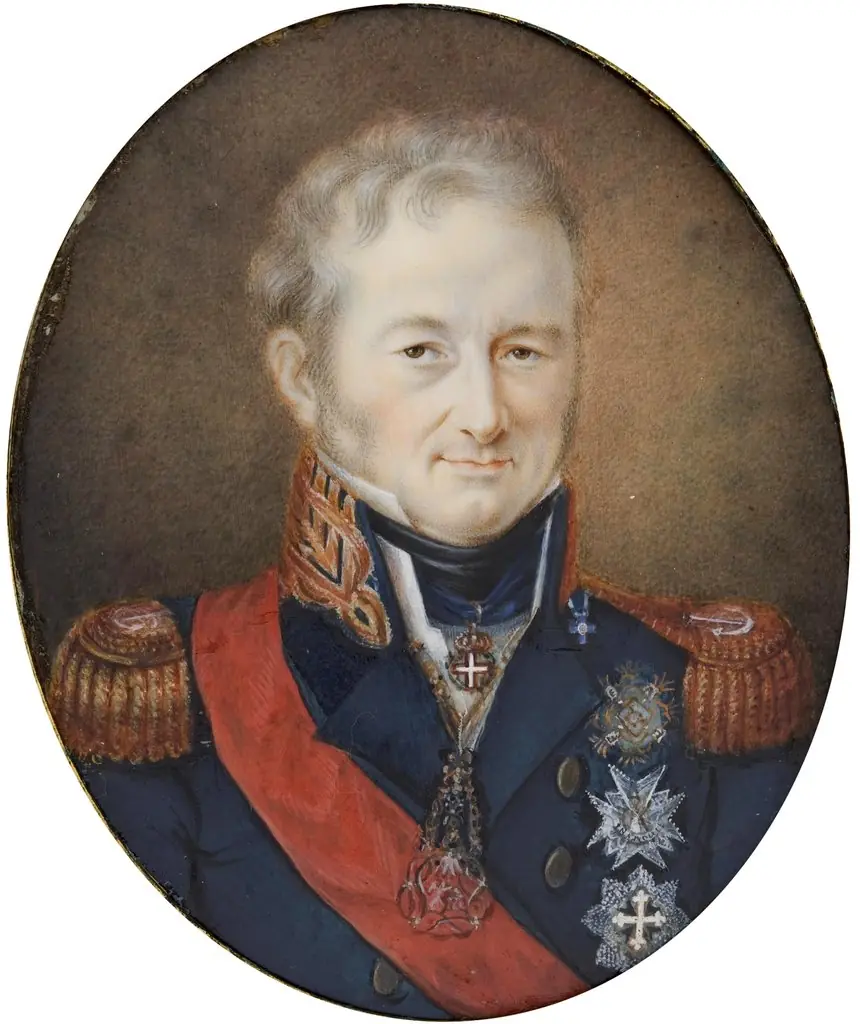 So-called portrait of Charles Felix of Savoy, King of Sardinia
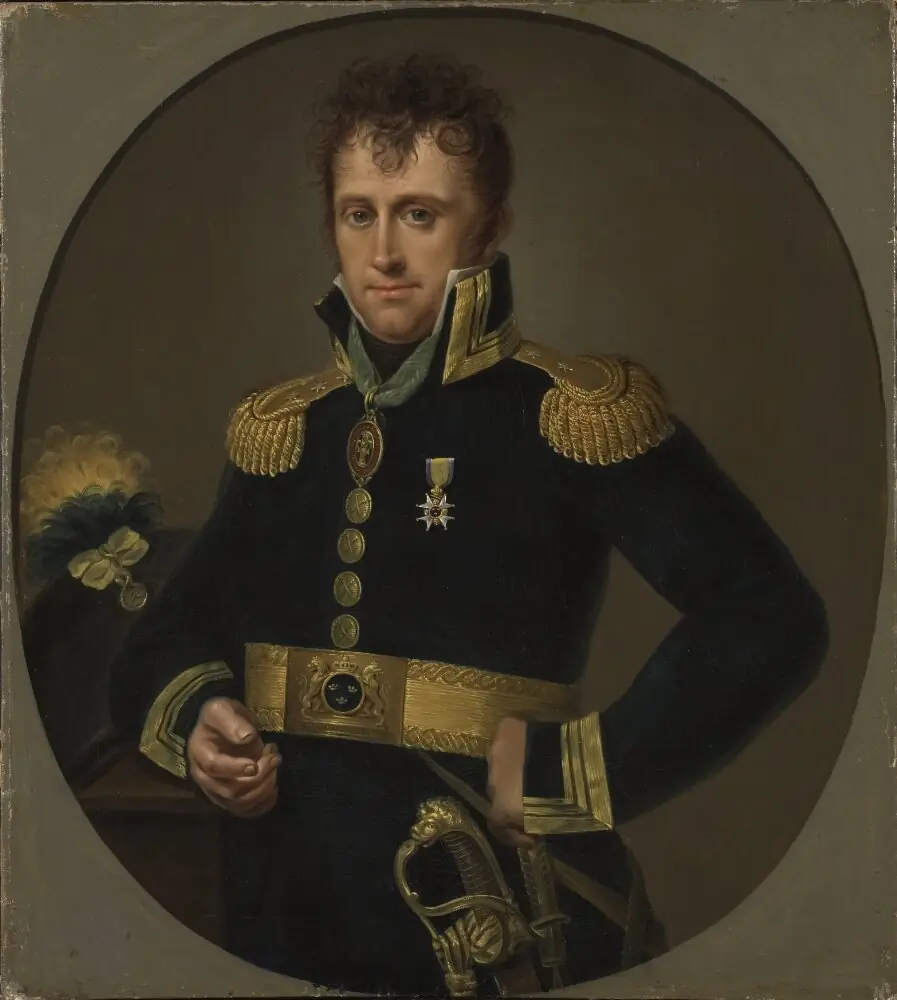 Carl von Dannfelt (1773-1841), officer, överadjutant