Artwork
Friedrich Wilhelm Wucherer
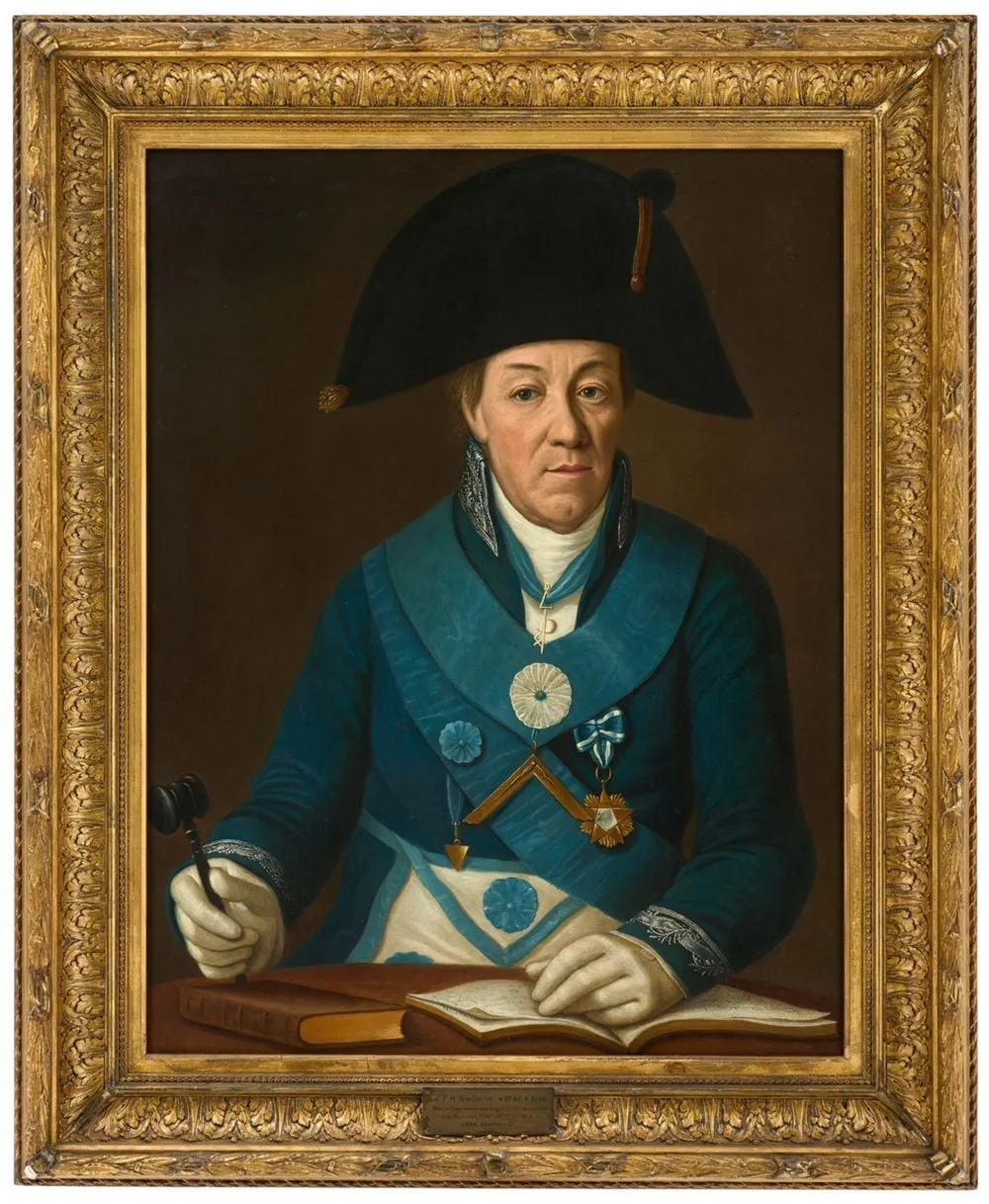
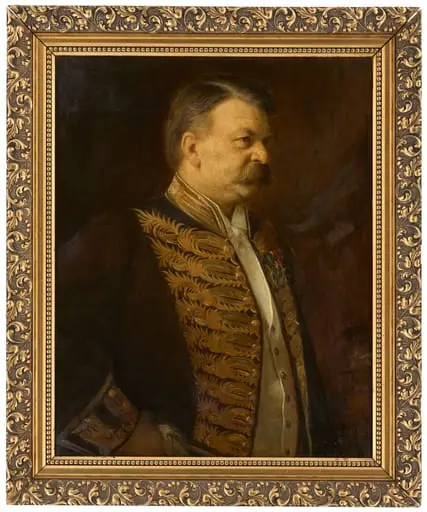
Friedrich Wilhelm Wucherer is a drawing by Unbekannt. It dates from 1935 and is held in the collection of the City Museums Freiburg.
About this work
Overview
Its formal composition and detailed rendering suggest it was intended to convey status and official function rather than personal intimacy.
This portrait, dated 1935, depicts Friedrich Wilhelm Wucherer, a figure of civic authority. The work is attributed to an unknown artist and resides in the Museum of Ethnography. Its formal composition and detailed rendering suggest it was intended to convey status and official function rather than personal intimacy. The subject’s attire and accessories align with ceremonial dress of early 20th-century German administrative roles.
Subject & Meaning
Wucherer is portrayed with symbols of judicial or civic office: a gavel, a small book likely representing legal or administrative texts, and a chain of medals indicating honors received. The dark blue coat with gold buttons and the wide white collar reflect formal dress codes of the period. The feather in his hat adds a touch of ceremonial distinction. Together, these elements construct an image of institutional authority and public service.
Technique & Style
The artist employed precise brushwork to render textures—particularly the sheen of the coat, the crispness of the collar, and the metallic gleam of the medals. Light falls subtly across the face and hands, modeling form without dramatic contrast. The background is muted, focusing attention on the figure and his attributes. The style is realistic but restrained, avoiding theatricality in favor of dignified representation.
History & Provenance
The portrait entered the collection of the Museum of Ethnography in the mid-20th century, though its exact acquisition history is undocumented. It was likely commissioned during Wucherer’s lifetime or shortly after his death as a record of his public role. The absence of a known artist suggests it may have been produced by a regional painter or studio rather than a prominent portraitist.
Context
Created in 1935, the portrait reflects a period when civic identity and institutional hierarchy were emphasized in German society. While not overtly political, its imagery aligns with the era’s preference for orderly, authoritative representation. Similar portraits of local officials were common in municipal archives and public buildings, serving as visual affirmations of structure and continuity.
Legacy
The portrait remains a quiet testament to the visual language of civic duty in early 20th-century Germany. It contributes to the Museum of Ethnography’s collection of material culture tied to social roles, offering insight into how authority was visually encoded outside of state propaganda. Its preservation underscores the value placed on documenting local officials, even when their names are now less widely remembered.
Artist & collection
Artist
This unsigned painter captured 16th-century Strasbourg life in small oils. Their brush traced local fashion and faces—look at “Mädchen in Straßburger Bürgertracht” where a young woman’s lace collar and green dress…
 José Moñino y Redondo, count de Floridablanca
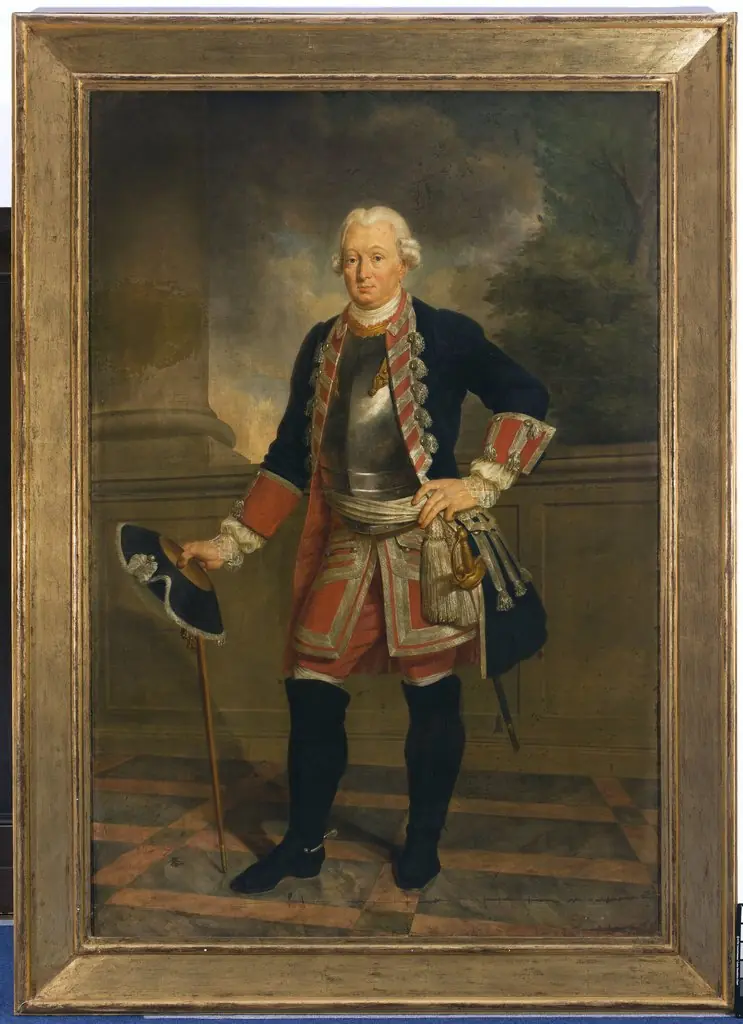 Portrait of Michał Krasiński (1712–1784), marshal general of Bar Confederation
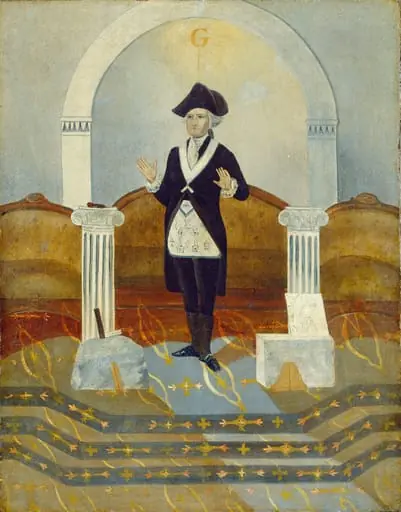 Washington, the Mason
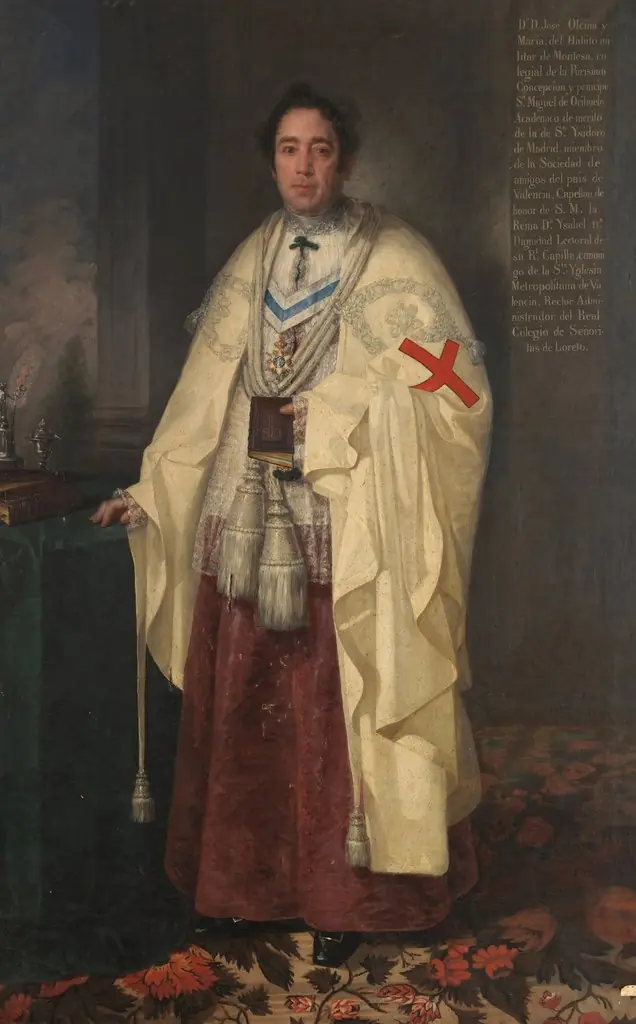 El canónigo José Olcina y Macía caballero de Montesa
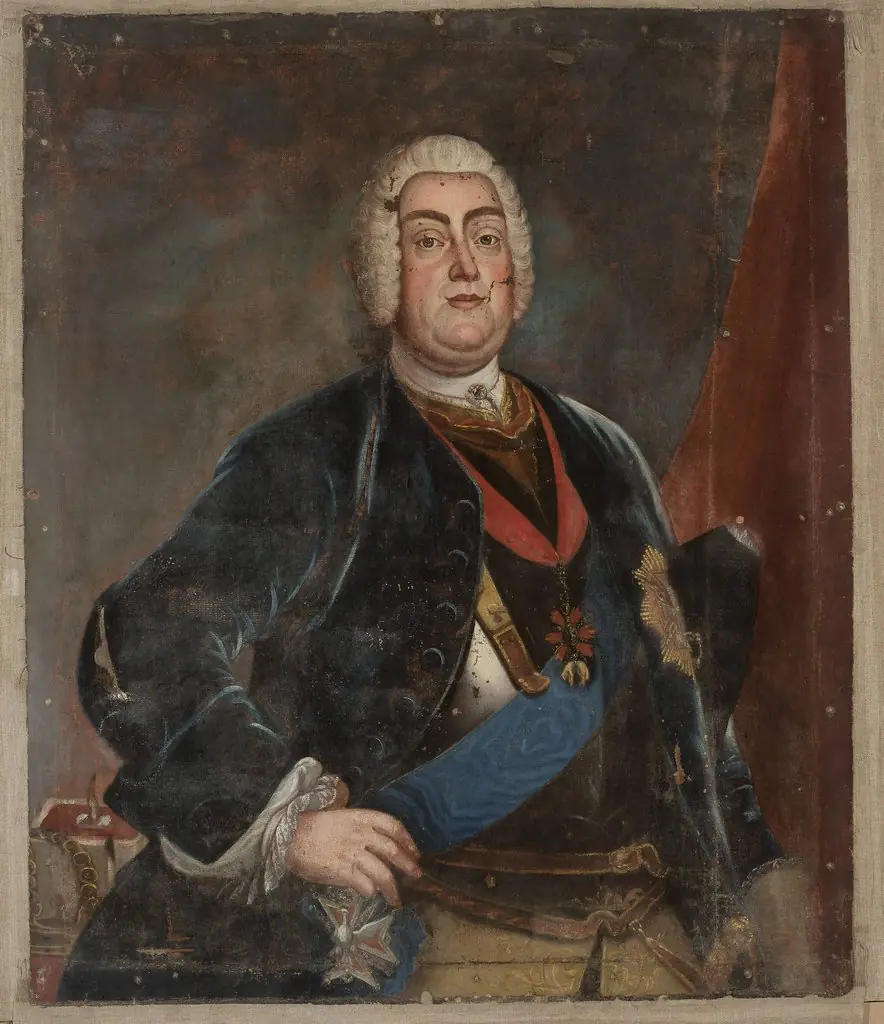 Portrait of Augustus III (1696–1763), King of Poland
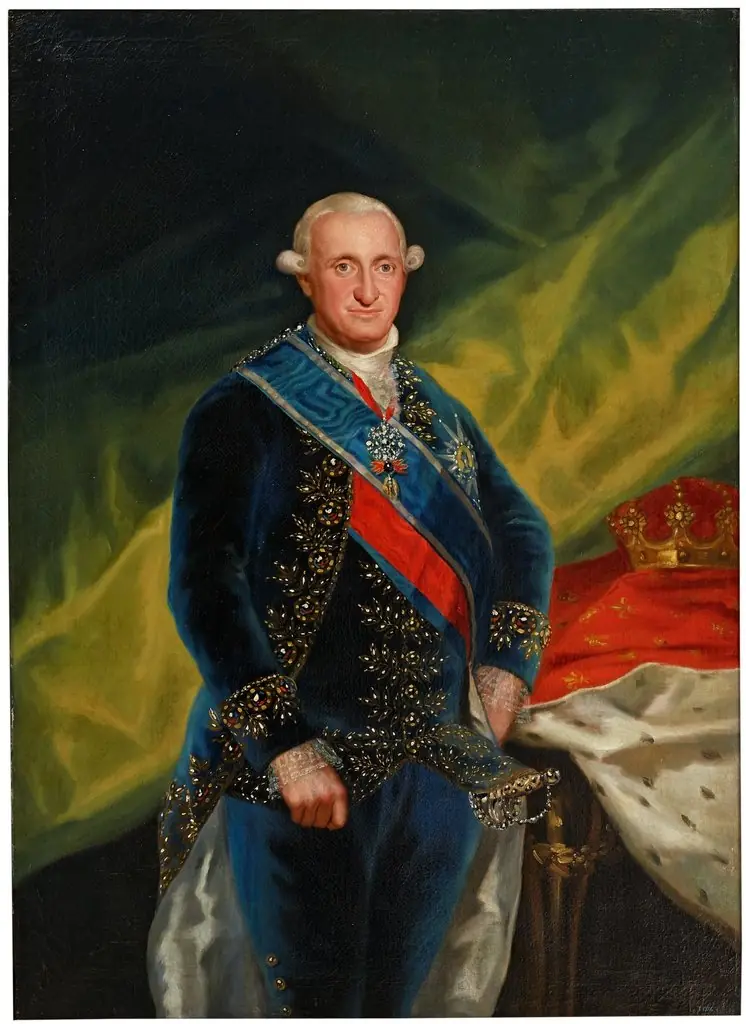 Portrait of King Charles IV
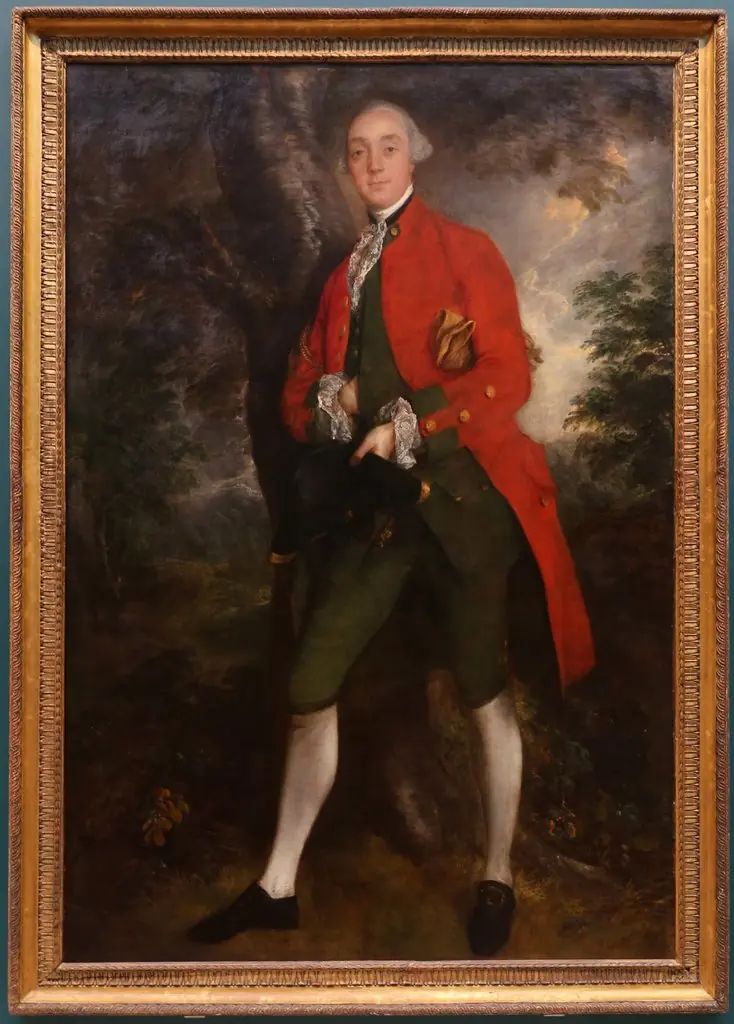 General James Johnston (1721-1797)
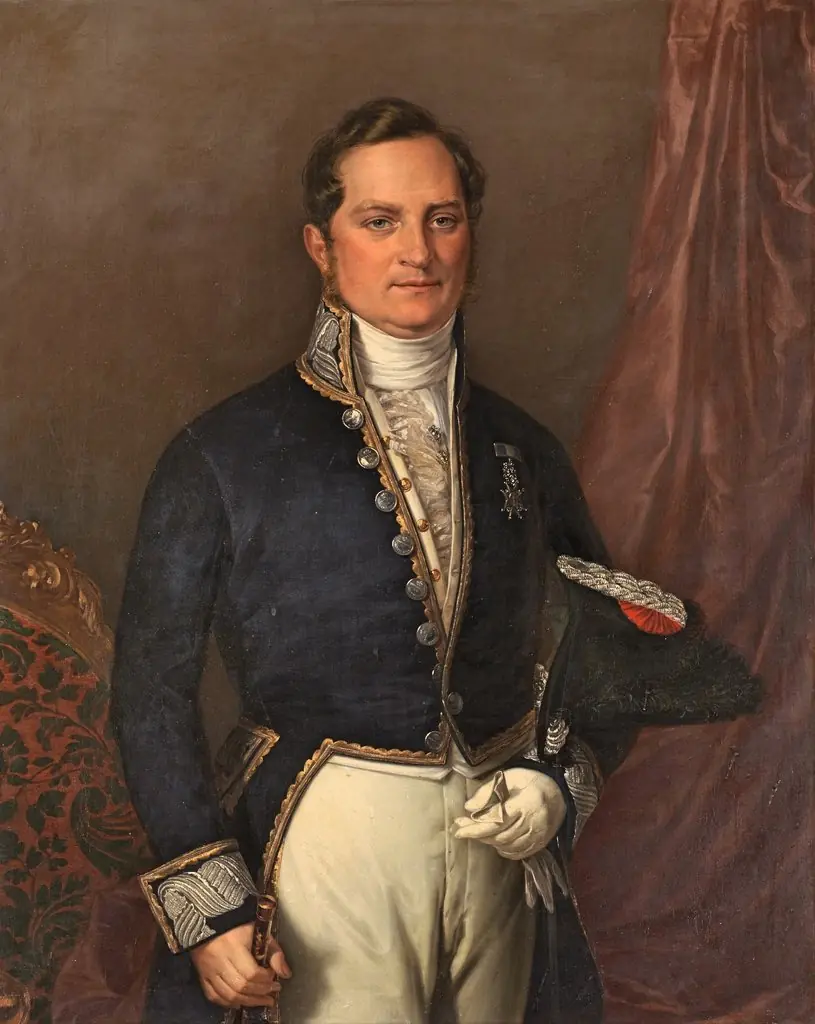 Retrato de caballero
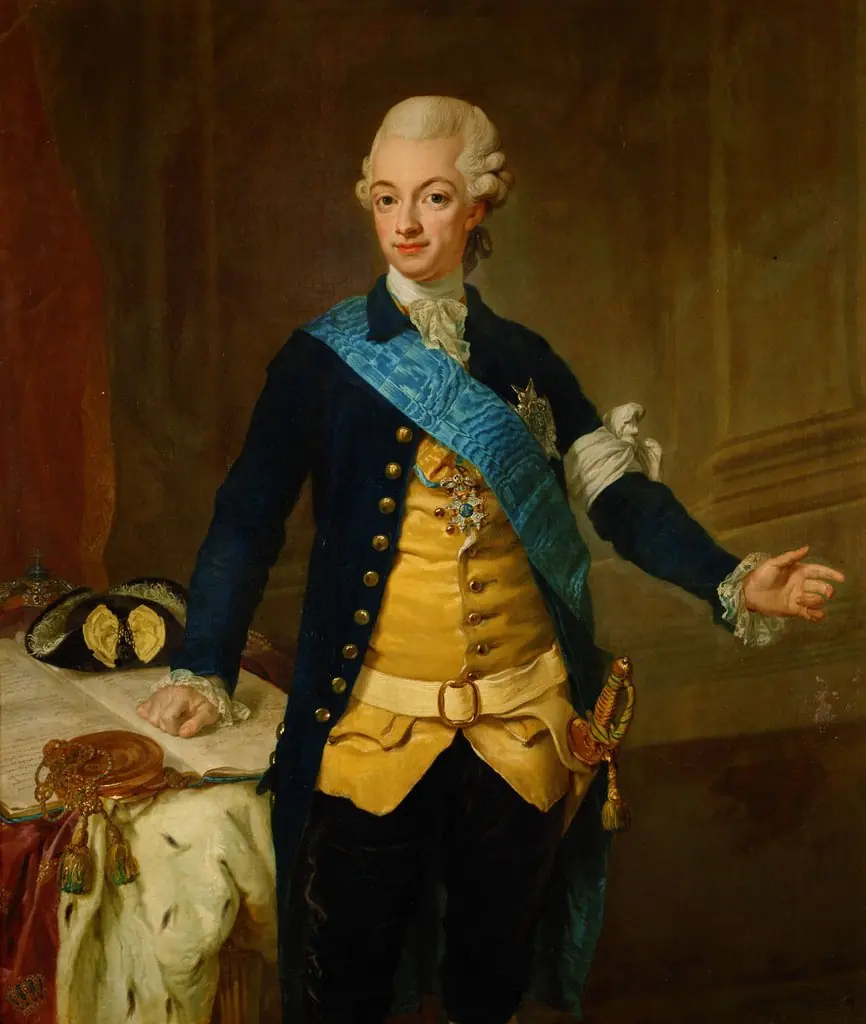 König Gustav III. (1746-1792) von Schweden in Uniform, Kniestück
 Portrait of a military man
 Portrait of Frederick II, King of Prussia
 Pierre-Antoine-Noël-Bruno, count Daru (1767-1829)