Artwork
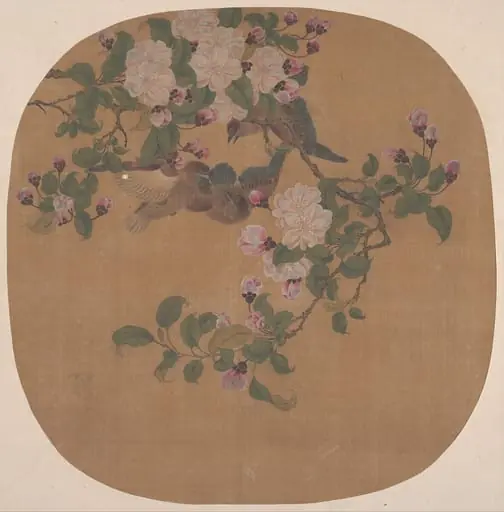
明/清 佚名 李安忠(僞款) 高粱雙雀圖 團扇|Sparrows and Millet
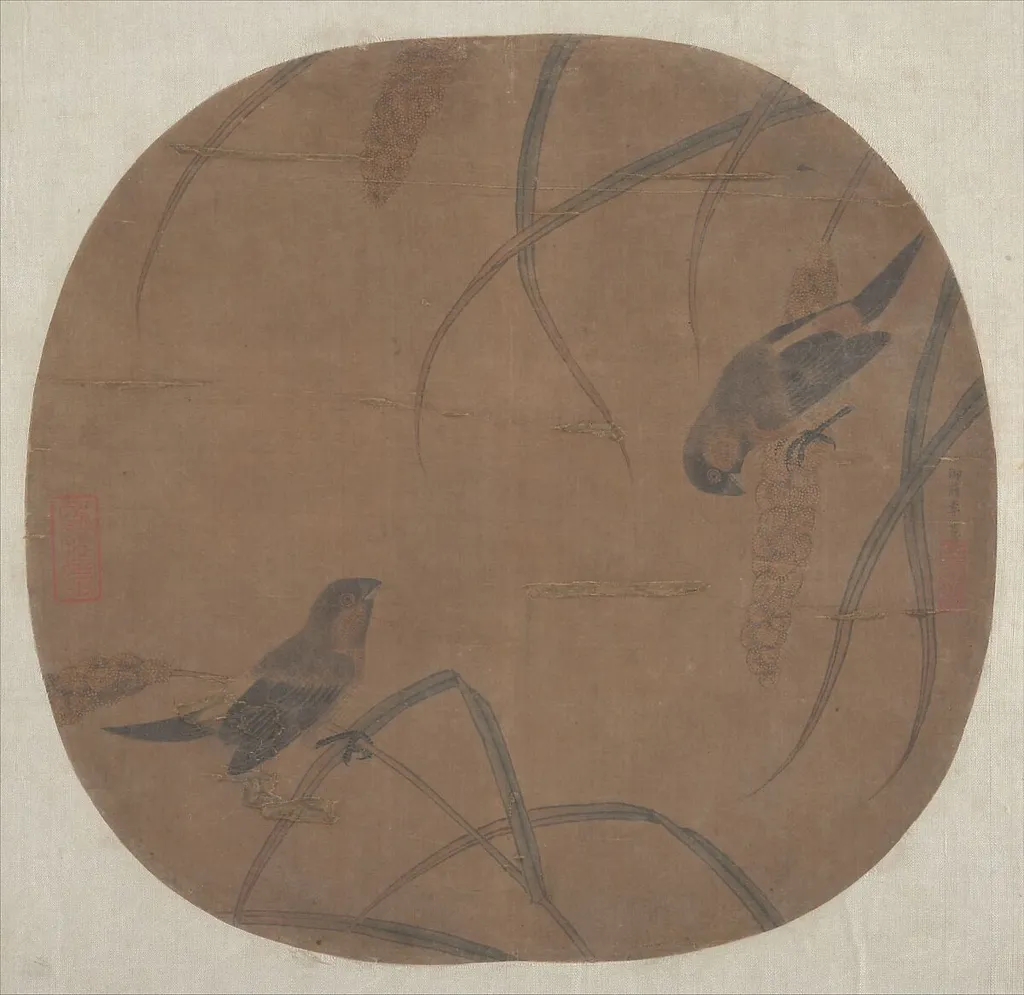
明/清 佚名 李安忠(僞款) 高粱雙雀圖 團扇|Sparrows and Millet is an ink painting by the Ming dynasty painting artist After Li Anzhong. It dates from 1506 and is held in the collection of the Metropolitan Museum of Art.
About this work
Overview
Sparrows and Millet is a Chinese fan painting, likely from the Ming or early Qing dynasty, featuring a pseudo-signature of the Southern Song master Li Anzhong.
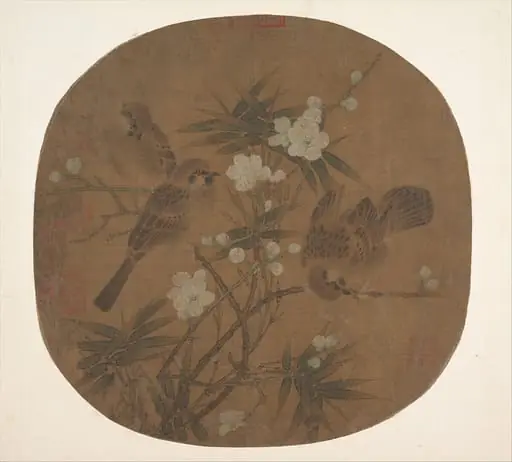
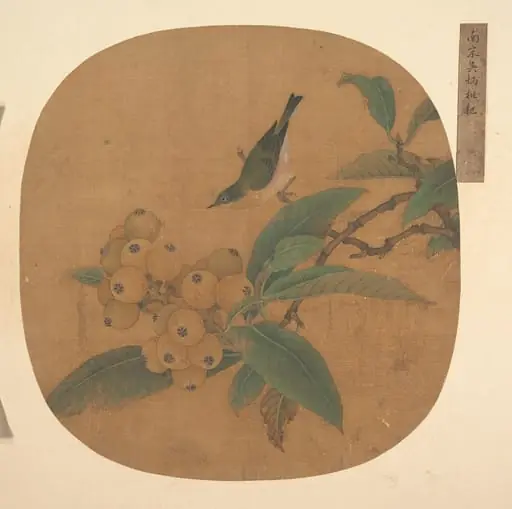
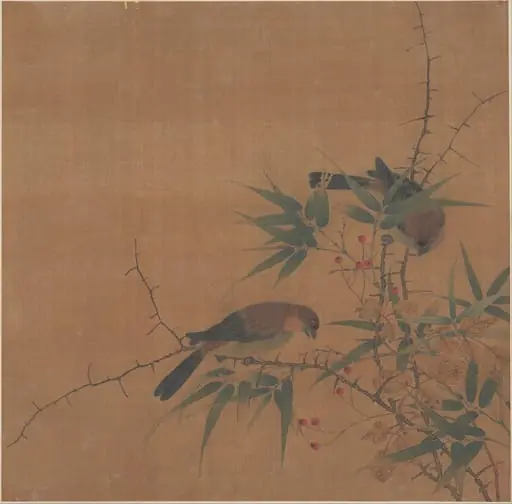
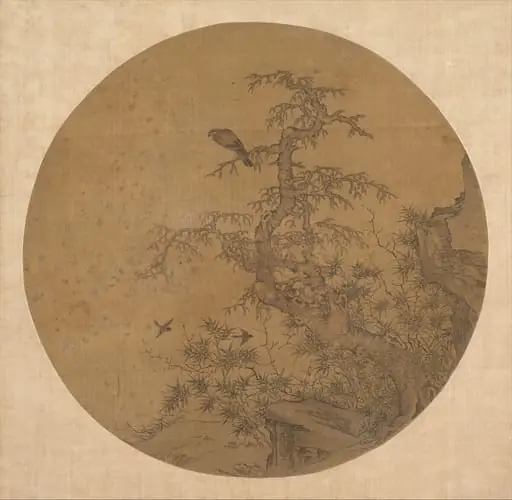
Sparrows and Millet is a Chinese fan painting, likely from the Ming or early Qing dynasty, featuring a pseudo-signature of the Southern Song master Li Anzhong. The work depicts two sparrows perched on a stalk of ripe millet against a plain silk background. Executed in ink and color, the composition relies on fine, dry brushstrokes to render the texture of individual feathers and grain with meticulous precision. The absence of a landscape setting focuses the viewer's attention entirely on the interaction between the birds and the plant, a characteristic approach in Song-inspired academic bird-and-flower painting. Although the inscription attributes the work to Li Anzhong, the style and date suggest it is a later homage or copy, reflecting the enduring prestige of Li's naturalistic technique in later centuries. Originally designed as a handheld fan, the circular format necessitates a balanced, self-contained composition that feels light yet detailed. This piece exemplifies the tradition of copying masterworks to study technique and preserve stylistic lineage, serving as a testament to the continued appreciation of Song dynasty realism in later Chinese art history.
Subject & Meaning
The composition concentrates on the sparrows and the grain, presenting a quiet observation of everyday life. By isolating the birds and millet against an unadorned background, the image emphasizes the vitality of the natural world and the fleeting moment of summer activity.
Technique & Style
The painter employs a dry brush technique, rendering each feather and millet grain with precise, delicate strokes. Ink is layered to create texture, while subtle color washes add depth without obscuring the linear detail. The lack of a scenic backdrop focuses attention on the immediacy of the scene.
History & Provenance
The fan is dated to 1506 and is catalogued as a work from the late Ming into early Qing era. Although it carries a spurious inscription of Li Anzhong, scholarly assessment attributes it to an anonymous hand, reflecting common workshop practices of the period.
Context
Hand‑held fans served both functional and aesthetic purposes in Chinese court and literati culture, often featuring miniature paintings that could be appreciated in intimate settings. This piece exemplifies the genre of bird‑and‑plant studies that were popular among scholars for their symbolic resonance and decorative appeal.
Artist & collection