Artwork
明 佚名 陳容(僞款) 九龍行雨圖 卷|Nine Dragons
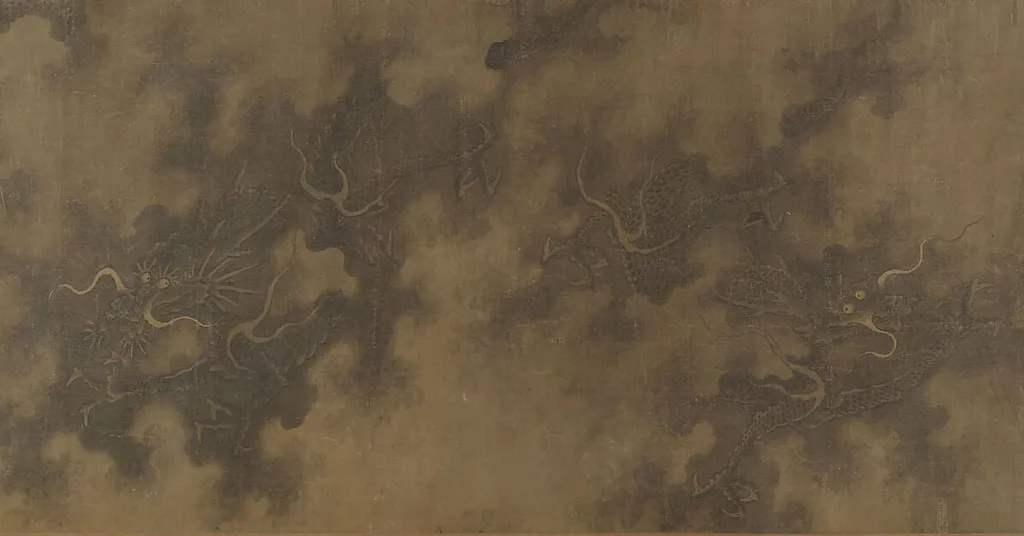
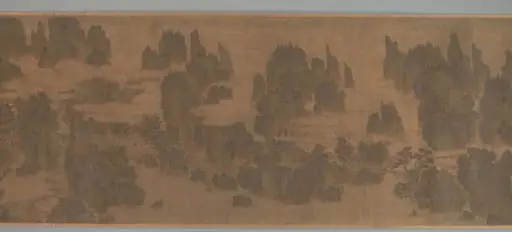
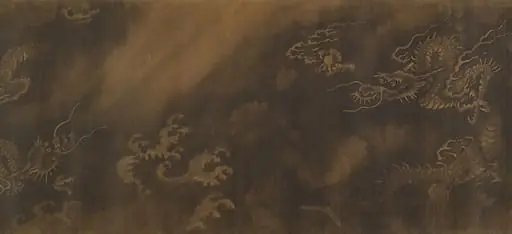
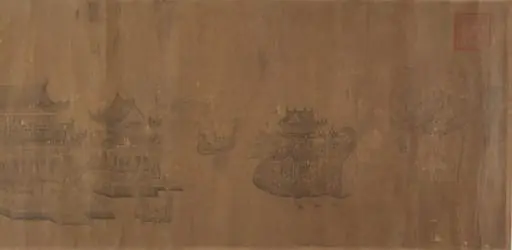
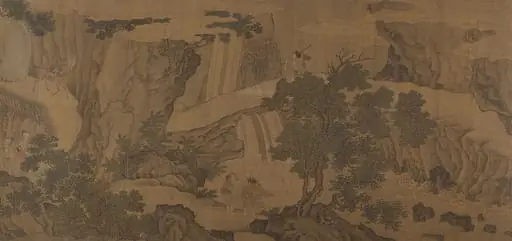
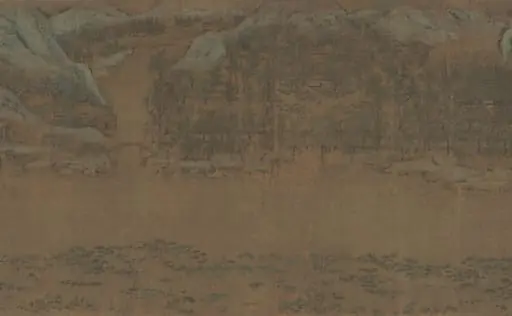
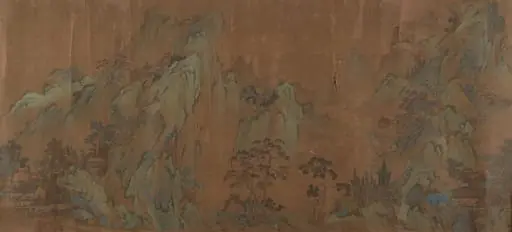
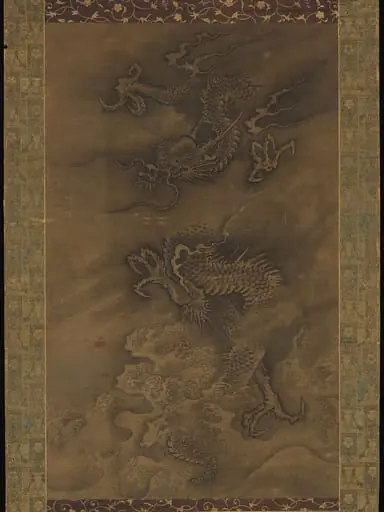
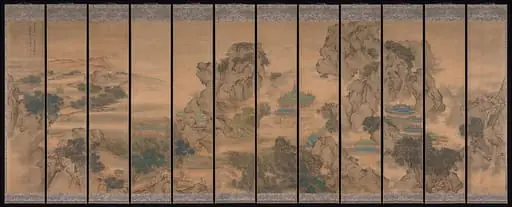
明 佚名 陳容(僞款) 九龍行雨圖 卷|Nine Dragons is an ink painting. It dates from 1622 and is held in the collection of the Metropolitan Museum of Art. The handscroll, titled “Nine Dragons,” presents a procession of nine serpentine creatures rendered in ink and color upon silk.
About this work
Overview
The handscroll, titled “Nine Dragons,” presents a procession of nine serpentine creatures rendered in ink and color upon silk. Each dragon occupies a distinct position—some soaring through the air, others concealed behind billowing clouds—creating a sense of dynamic motion that guides the viewer’s eye along the length of the work.
Subject & Meaning
By depicting nine dragons, the scroll invokes the numerological significance of nine as the highest single digit, often associated with the emperor.
In Chinese tradition, dragons symbolize imperial authority, cosmic forces, and auspicious power. By depicting nine dragons, the scroll invokes the numerological significance of nine as the highest single digit, often associated with the emperor. The varied postures suggest a narrative of celestial activity, with the creatures interacting with atmospheric elements to convey a harmonious balance between heaven and earth.
Technique & Style
Executed with brushwork that combines precise ink lines and subtle mineral pigments, the scroll demonstrates a synthesis of classical Chinese brush techniques and decorative coloration. The silk support allows for a luminous background, while the fluid strokes convey the dragons’ musculature and the translucence of clouds, giving the impression that the figures could leap off the surface.
History & Provenance
The scroll is unsigned, though historically it has been linked to the 13th‑century painter Chen Rong, a claim now regarded as a later attribution. Its provenance traces back to private collections before entering the Metropolitan Museum of Art, where it has been catalogued as a representative example of medieval Chinese dragon iconography.
Context
Created during a period when Chinese court painting embraced both native symbolism and influences from neighboring cultures, the piece reflects the era’s fascination with mythic subjects rendered in a decorative yet scholarly manner. The integration of dynamic composition with traditional motifs illustrates the broader artistic currents of the Song‑Yuan transition.
Artist & collection