Artwork
元 張羽材 霖雨圖 卷|Beneficent Rain
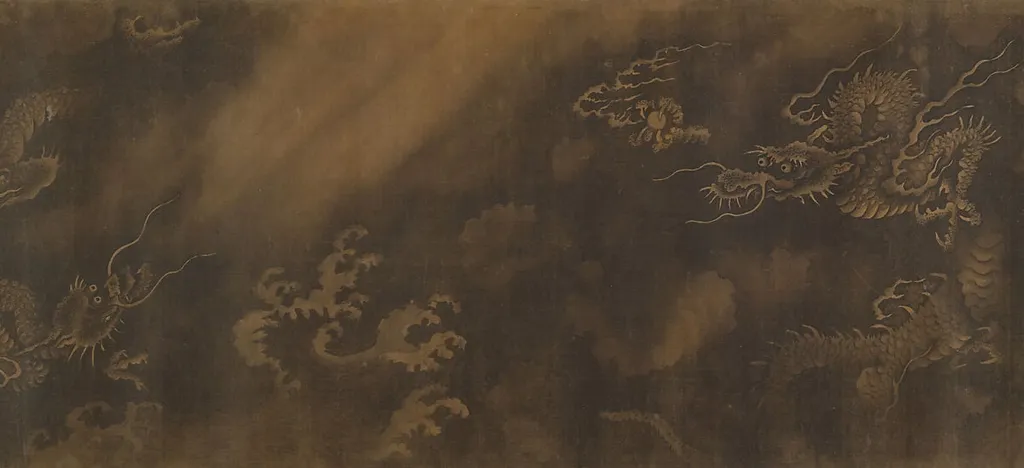
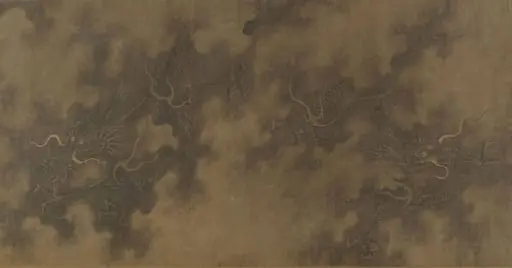
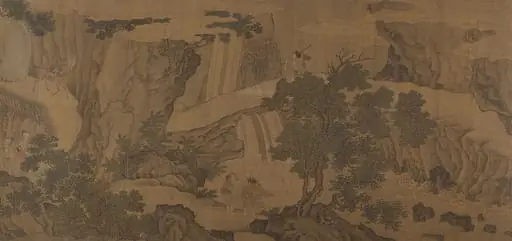
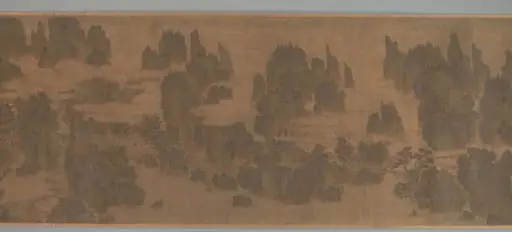
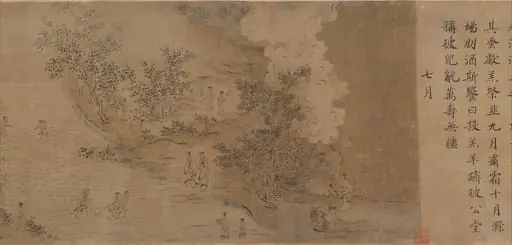
元 張羽材 霖雨圖 卷|Beneficent Rain is an ink painting by the Ming dynasty painting artist Zhang Yucai. It dates from 1308 and is held in the collection of the Metropolitan Museum of Art.
About this work
Overview
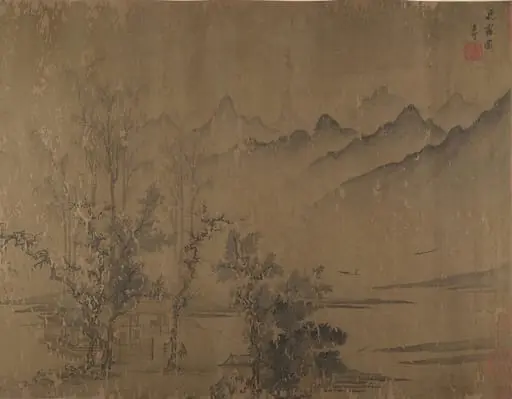
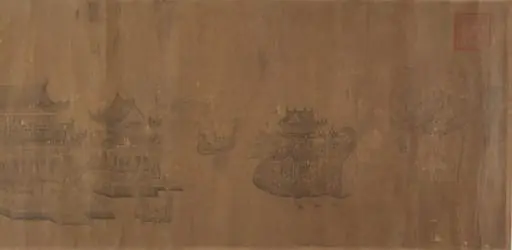
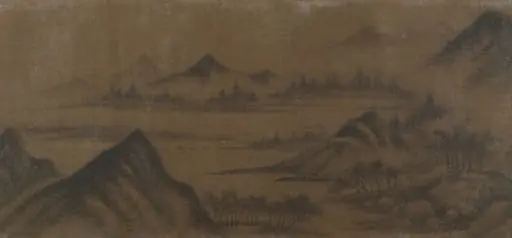
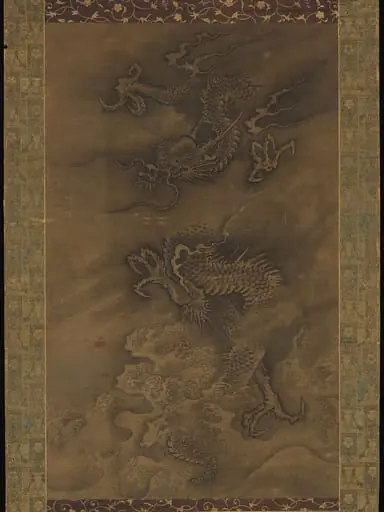
Created in 1308 by the Yuan‑period painter Zhang Yucai, this hand‑scroll on silk presents a narrow, elongated view of mist‑shrouded mountains and turbulent clouds. Two serpentine dragons wind through the stormy sky, their forms rendered in ink that fades into near‑transparent washes, suggesting the onset of rain.
Subject & Meaning
The central motif of the dragons functions as a visual invocation of rain. In Chinese tradition, dragons are associated with water and weather, and their presence in the composition is intended to appeal to divine forces for precipitation during times of drought.
Technique & Style
Zhang employs delicate ink washes that dissolve into the silk, creating a fog‑like atmosphere. The use of light, almost invisible strokes contrasts with more defined dragon outlines, while subtle cross‑hatching suggests the movement of wind and the gathering of clouds.
History & Provenance
Historical records indicate that officials in the 14th century would unroll such scrolls during periods of drought, believing the depicted dragons could summon rain. The work has remained in Chinese collections, passing through imperial and scholarly hands before entering a museum setting.
Context
The scroll reflects the broader Yuan dynasty practice of integrating ritualistic intent with landscape painting. By combining natural scenery with mythic creatures, the piece exemplifies how art served both aesthetic and pragmatic functions in medieval Chinese court and administrative culture.
Artist & collection