Artwork
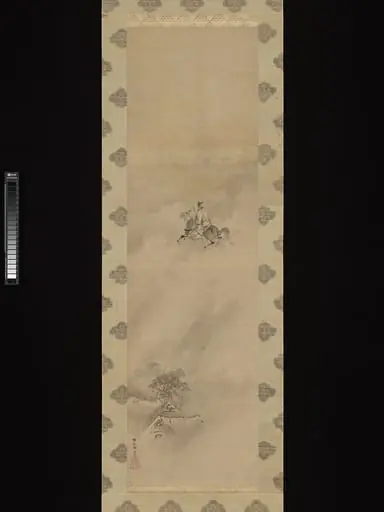
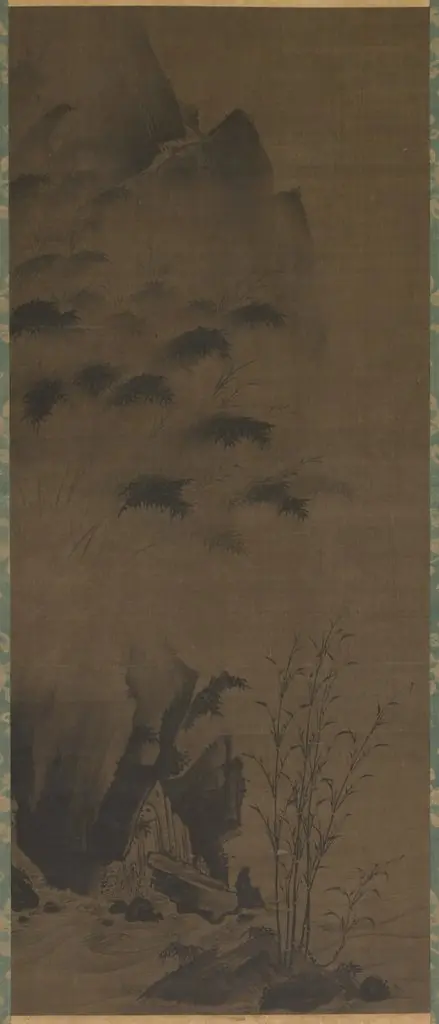
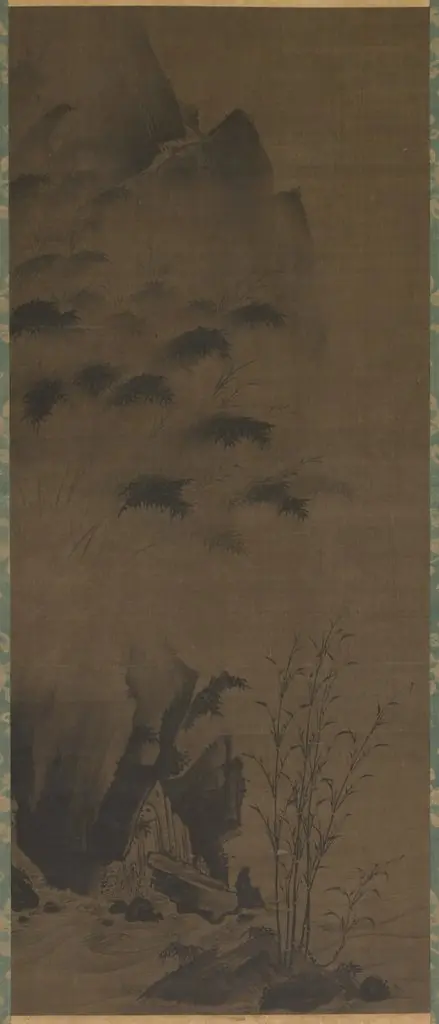
元 佚名 牧牛圖 軸|Ox and Herdsman
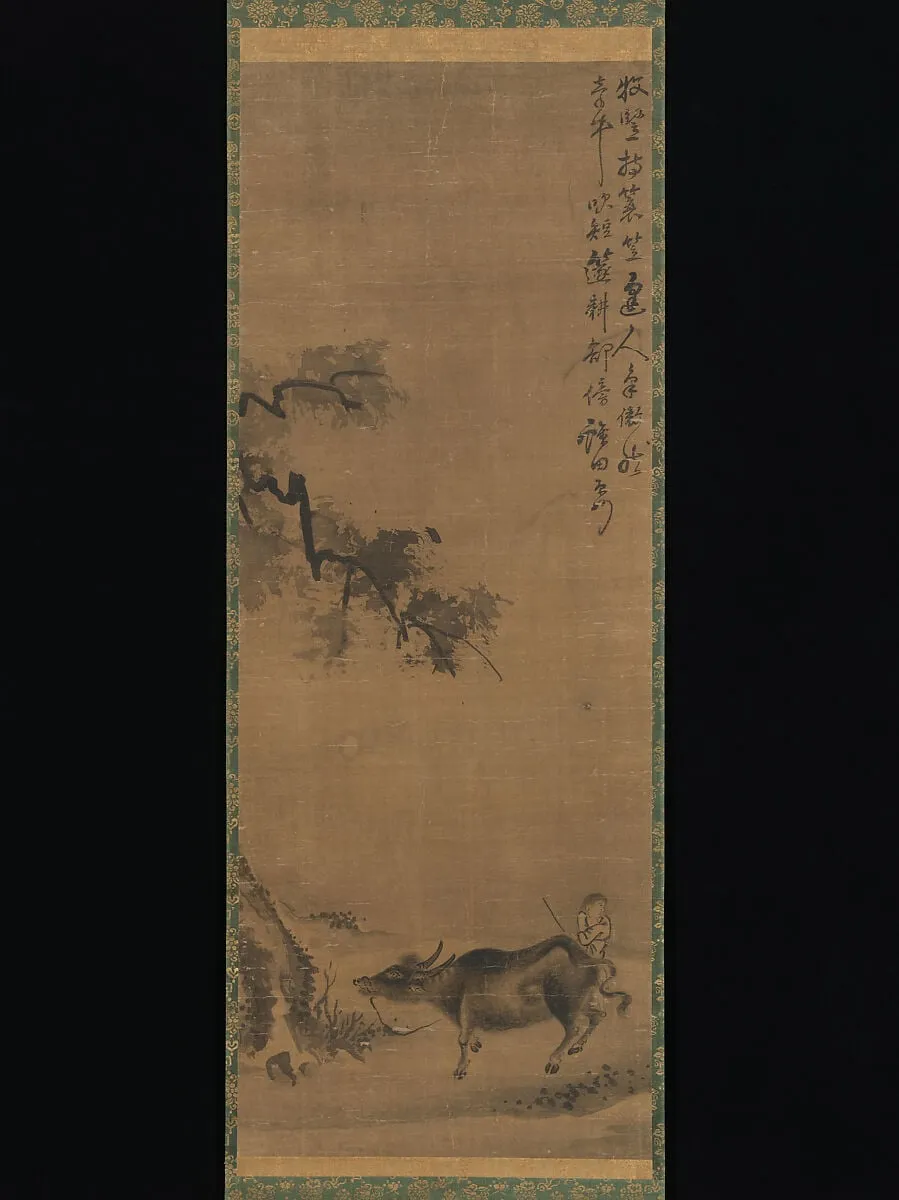
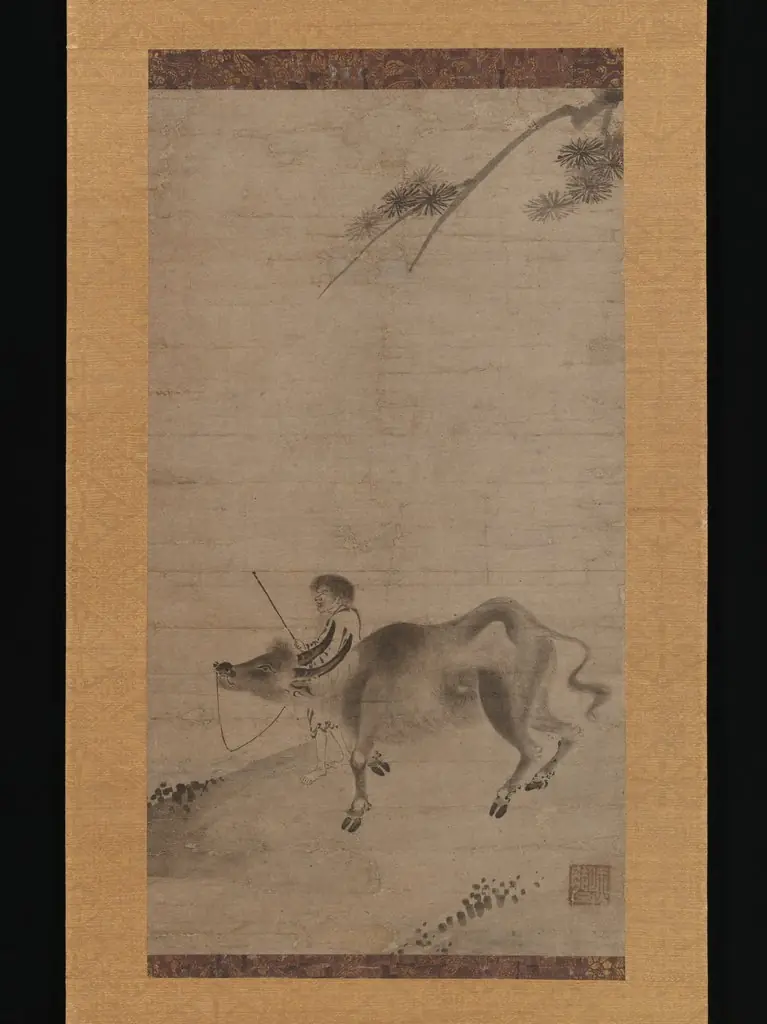
元 佚名 牧牛圖 軸|Ox and Herdsman is an ink painting. It dates from 1283 and is held in the collection of the Metropolitan Museum of Art. This ink-on-silk hanging scroll, titled Ox and Herdsman, dates from the late 13th century.
About this work
Overview
As a rare surviving example from its period, this painting offers insight into artistic practices during a significant historical transition in China.
This ink-on-silk hanging scroll, titled Ox and Herdsman, dates from the late 13th century. It depicts a herdsman accompanying a white ox, a common motif in East Asian art. As a rare surviving example from its period, this painting offers insight into artistic practices during a significant historical transition in China. Its composition combines direct observation with an evocative emotional depth.
Subject & Meaning
The artwork presents a serene scene of a herdsman and his ox. The animal's head is gently turned towards the viewer, conveying a sense of calm and presence. Despite the simplicity of its forms, the painting communicates a profound sensibility. The interaction between the human figure and the animal suggests a harmonious relationship, a theme often explored in traditional Chinese painting to symbolize an ideal connection with nature.
Technique & Style
Executed with ink on silk, the scroll demonstrates a contrast in brushwork. The herdsman's robe is rendered with soft, flowing strokes that integrate the figure into its surroundings. In contrast, the white ox is defined by more assertive, angular lines, giving it a distinct and robust presence. This stylistic choice emphasizes the different textures and forms of the subjects while maintaining overall compositional balance.
Context
Created during the late 1200s, this Ox and Herdsman scroll is a significant artifact from a turbulent era. It was produced when China was under the rule of the Mongol Yuan dynasty, a period marked by cultural shifts and artistic developments. Its survival provides valuable documentation of painting traditions from this specific historical juncture, offering a glimpse into the art produced during a time of foreign governance.
Artist & collection