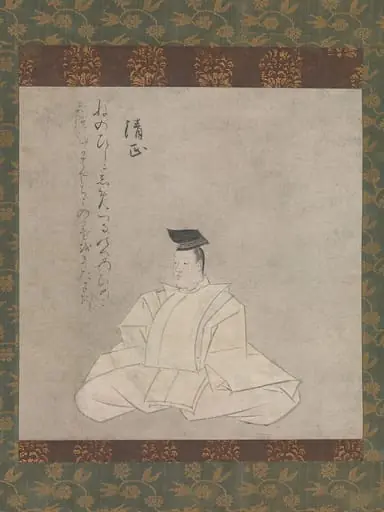
Artwork
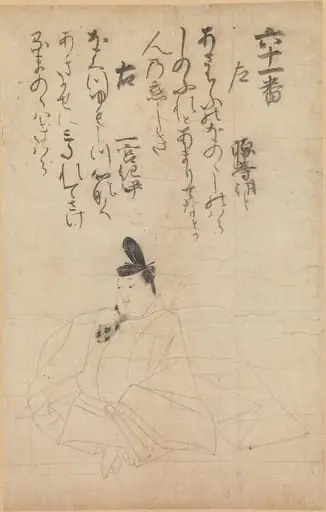
清原元輔 「為重本 時代不同歌合絵巻」 断簡 |The Poet Kiyohara Motosuke, from the “Tameshige Version” of Thirty-six Poetic Immortals (Tameshige-bon Jidai fudō utawase emaki)
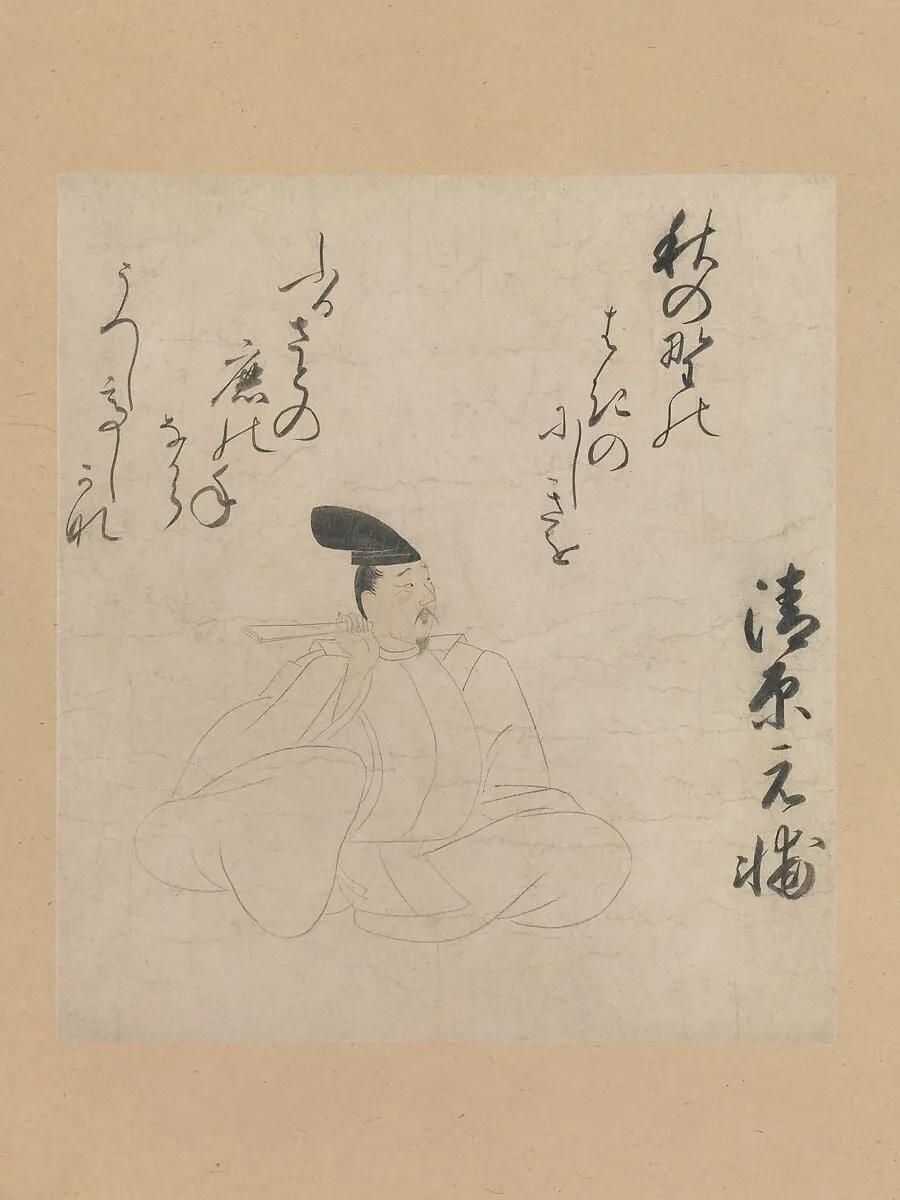
清原元輔 「為重本 時代不同歌合絵巻」 断簡 |The Poet Kiyohara Motosuke, from the “Tameshige Version” of Thirty-six Poetic Immortals (Tameshige-bon Jidai fudō utawase emaki) is an ink painting. It dates from 1416 and is held in the collection of the Metropolitan Museum of Art. This artwork presents a depiction of Kiyohara Motosuke, a celebrated figure among Japan's "Thirty-six Poetic Immortals.
About this work
Overview
" Originally a segment of the "Tameshige Version" of a larger handscroll, this piece is now presented as a hanging scroll.
This artwork presents a depiction of Kiyohara Motosuke, a celebrated figure among Japan's "Thirty-six Poetic Immortals." Originally a segment of the "Tameshige Version" of a larger handscroll, this piece is now presented as a hanging scroll. Executed with ink and color on paper, it portrays the poet in traditional attire, captured in a moment of quiet reflection, underscoring the profound value placed on poetic expression in Japanese culture.
Subject & Meaning
The painting focuses on Kiyohara Motosuke, one of the revered "Thirty-six Poetic Immortals," a group of eminent Japanese poets whose works were compiled and celebrated. Such series underscore the significant cultural importance of poetry in Japan, elevating its practitioners to an almost mythical status. Motosuke is shown seated, his posture and expression conveying deep contemplation, perhaps indicative of the internal process of poetic composition or the profound impact of his verses.
Technique & Style
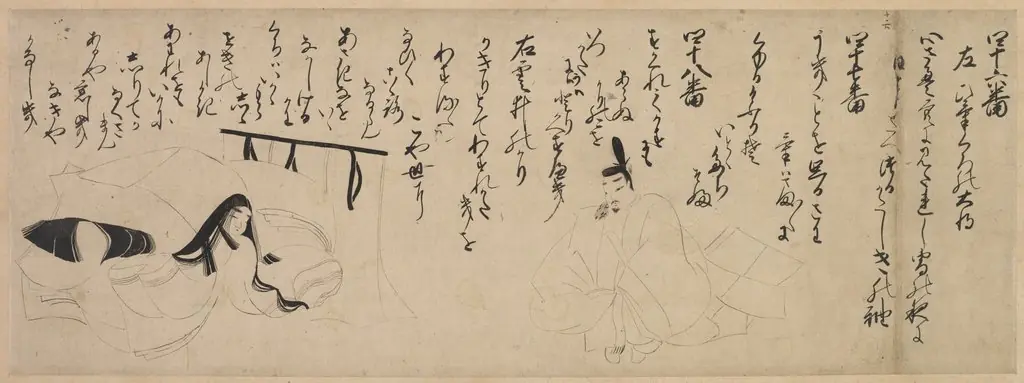
Rendered with ink and color on paper, this piece demonstrates a refined artistic hand, despite the artist remaining anonymous. The controlled application of pigments and lines suggests a practiced skill in capturing the subject's pensive mood and traditional Japanese garments. While now mounted as a hanging scroll for display, the work originally formed part of a larger handscroll, a format designed for intimate viewing and sequential narrative progression, characteristic of Japanese painting traditions.
Artist & collection