Artwork
Untitled
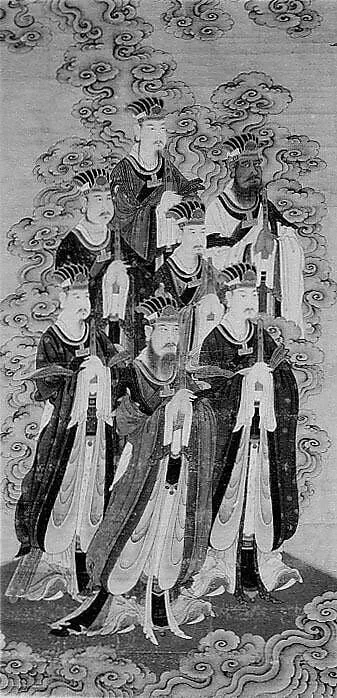
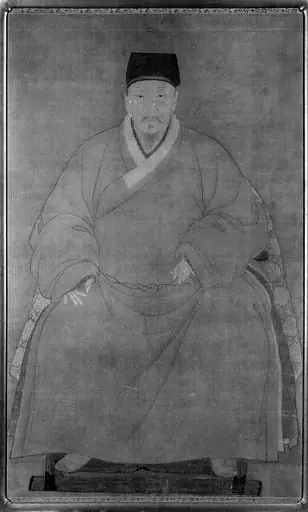
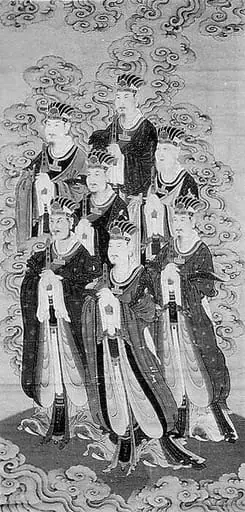
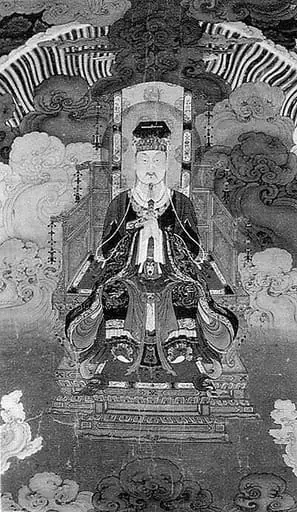
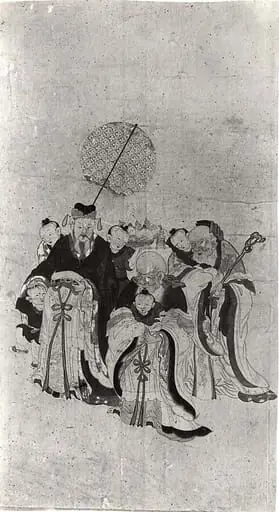
Untitled is a paint painting. It dates from 1639 and is held in the collection of the Metropolitan Museum of Art. The work is a hanging scroll executed in colored pigments on silk, a format traditionally associated with East Asian painting.
About this work
Overview
The piece dates to the medieval era, a period in which such cross‑cultural visual language is comparatively rare in the region of its creation.
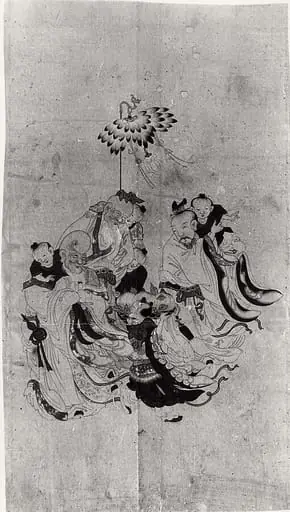
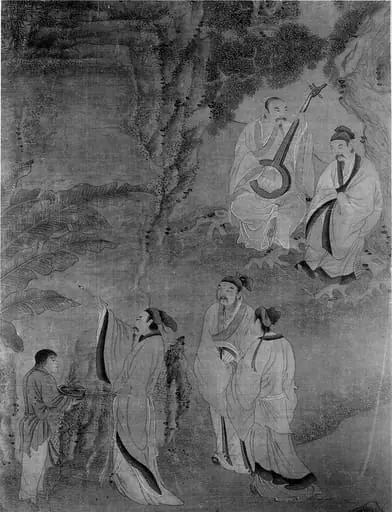
The work is a hanging scroll executed in colored pigments on silk, a format traditionally associated with East Asian painting. It portrays a gathering of male figures, interpreted as rulers or dignitaries, set within a composition that incorporates motifs recognizable as Chinese in origin. The piece dates to the medieval era, a period in which such cross‑cultural visual language is comparatively rare in the region of its creation.
Subject & Meaning
The central scene presents several men, likely depicted as sovereigns, arranged in a formal grouping. Their attire and the objects they hold—such as ceremonial staffs and ornamental accessories—suggest a narrative of authority and ritual. The inclusion of Chinese stylistic elements may indicate an intended association with the prestige of the distant empire, reflecting how medieval audiences perceived foreign power.
Technique & Style
Rendered on silk, the painting employs mineral and organic pigments applied in layers to achieve vivid coloration. Brushwork reveals a delicate handling of line, especially in the rendering of garments and decorative patterns. The composition balances flat decorative fields with subtle modeling, echoing conventions found in Chinese court paintings while maintaining the scroll’s vertical orientation typical of East Asian formats.
History & Provenance
Originating in the medieval period, the scroll’s provenance is not fully documented, but its material and stylistic traits suggest production in a cultural milieu where Chinese artistic influence had begun to permeate local artistic practices. The work has entered modern collections and is referenced alongside comparable pieces in major institutions, illustrating its relevance to studies of intercultural exchange during the Middle Ages.
Artist & collection